




Shaanxi BLOOM Tech Co., Ltd. is one of the most experienced manufacturers and suppliers of pinealon tablet in China. Welcome to wholesale bulk high quality pinealon tablet for sale here from our factory. Good service and reasonable price are available.
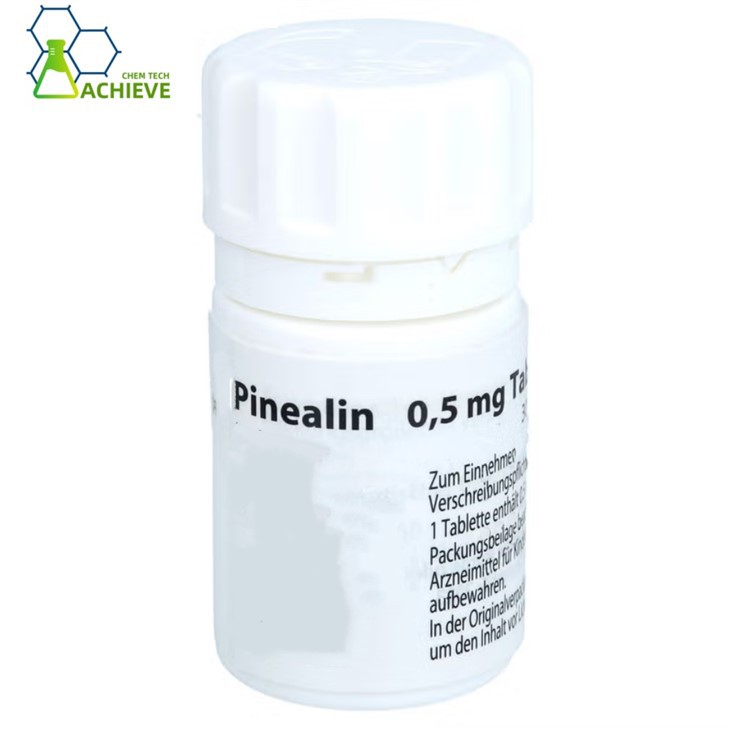
Pinealon tablet is a safe oral neuromodulatory pharmaceutical tablet specially developed for central nervous system regulation, which takes the bioactive synthetic tripeptide composed of glutamic acid, aspartic acid and arginine as its core functional active ingredient. After oral absorption, the active tripeptide component can efficiently cross the intact blood-brain barrier without obvious barrier obstruction and directly target damaged cerebral neurons and intracellular mitochondria to exert regulatory and protective effects. This tablet product adopts a precise low microdose preparation technology with balanced auxiliary material compatibility.
Our Products Form


Pinealon COA

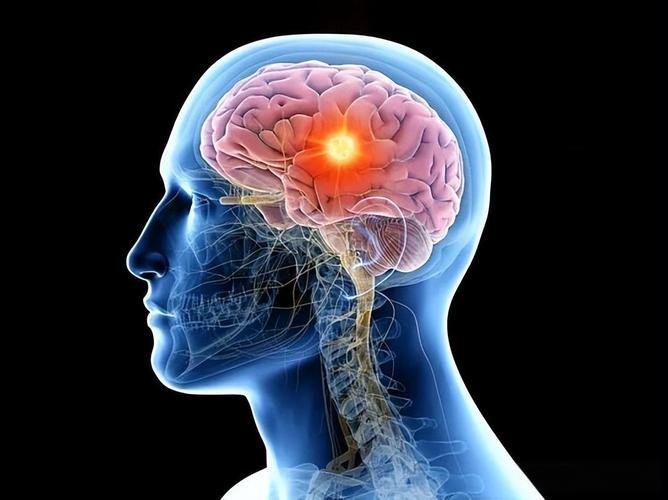
From the perspective of clinical application scope, Pinealon are primarily indicated for auxiliary neurological rehabilitation treatment in patients with sequelae after ischemic or hemorrhagic stroke, as well as for relieving symptoms induced by chronic cerebral circulatory insufficiency and insufficient cerebral oxygen supply.
Promoting Brain Tissue Repair and Improving Motor and Cognitive Functions
Following acute stroke (including ischemic and hemorrhagic stroke), a destructive cascade of ischemia and hypoxia occurs in damaged brain tissue: a sharp surge in oxidative stress in fragile neurons of the ischemic penumbra, massive accumulation of toxic reactive oxygen species (ROS), collapse of mitochondrial energy function, release of excitatory amino acid toxicity, and heavy infiltration of inflammatory factors, ultimately leading to irreversible neuronal apoptosis and necrosis, resulting in persistent neurological deficits such as motor, cognitive and speech impairments.


raditional clinical rehabilitation strategies for stroke patients mainly rely on passive physical training and behavioral intervention, while lacking efficient pharmaceutical interventions that can directly target endogenous neural repair and cerebral cytoprotection. Possessing excellent multi-target neuroprotective properties and favorable blood-brain barrier penetration ability, pinealon tablet has gradually become a promising and important candidate therapeutic drug.
Preclinical studies: In a rat model of ischemic stroke, intervention with Pinealon (10 μg/kg, once daily for 7 consecutive days) increased the rat limb motor function score (Bederson score) by more than 40% compared with the control group, shortened the escape latency in the Morris water maze test by 35%, and significantly improved spatial memory ability. Meanwhile, pathological sections of brain tissue showed a 50% increase in the number of surviving neurons in the ischemic penumbra, enhanced synaptic density, and reduced glial scar hyperplasia.


Preliminary clinical observation: A study involving 72 stroke patients aged 30–74 years in the recovery phase showed that after 8 weeks of combined treatment with the product (oral administration, twice daily, one tablet each time) on the basis of conventional rehabilitation, patients' Fugl-Meyer Motor Function Score and MoCA Cognitive Scale Score were significantly higher than those in the conventional rehabilitation-only group. The incidence of sequelae such as dizziness, fatigue and memory loss was reduced, with no obvious adverse reactions.
Enhancing Ischemic Tolerance of Brain Cells
Chronic cerebral circulatory insufficiency (CCCI) is a common chronic cerebral vascular disorder that refers to persistent cerebral cell hypoxia and intracellular metabolic dysfunction triggered by progressive cerebral arteriosclerosis, vascular stenosis and long-term insufficient cerebral blood perfusion. Its typical core pathological features mainly cover sustained chronic hypoxic stress in brain tissue, severe energy depletion of neurons, continuous accumulation of reactive oxidative stress products, as well as slow and progressive irreversible decline in overall neurological function over time.


Typical clinical manifestations include persistent dizziness, recurrent headache, gradual memory loss, poor inattention and delayed slow response, which may further progress to irreversible vascular dementia in the long term. Existing conventional treatments mainly focus on simple vasodilation and peripheral circulation improvement, failing to directly enhance vulnerable brain cells' inherent tolerance to chronic ischemia. The potent cytoprotective and hypoxia adaptation regulatory effects of Pinealon can specifically address this core clinical pain point.
Inducing the expression of hypoxia-adaptive genes to improve cell survival under hypoxia
Pinealon tablet can activate hypoxia-inducible factor-1α (HIF-1α)-related pathways through epigenetic regulation, promoting the expression of hypoxia-adaptive genes such as vascular endothelial growth factor (VEGF) and glucose transporter 1 (GLUT-1). On the one hand, VEGF promotes cerebral microvascular neovascularization, improves microcirculation, and increases blood and oxygen supply to ischemic areas.

On the other hand, the significant upregulation of membrane GLUT-1 glucose transporter protein effectively enhances intracellular glucose uptake efficiency in cerebral neurons, stabilizes normal brain energy metabolism under long-term cerebral hypoperfusion conditions, and remarkably strengthens the intrinsic hypoxia tolerance capacity of neurons against persistent chronic oxygen deprivation. Multiple in vitro cell culture experiments have fully confirmed that the survival rate of brain cells pretreated with Pinealon rises by more than 60% when cultured in a severe 3% low-oxygen hypoxic environment.
Optimizing mitochondrial energy metabolism to maintain cell function under hypoxia
During long-term chronic cerebral ischemia, oxidative phosphorylation in brain cell mitochondria is severely blocked, leading to critical insufficient ATP production and progressive neurological decline. Pinealon acts directly on intracellular mitochondria, enhancing the vital activity of mitochondrial respiratory chain complexes, improving cellular ATP synthesis efficiency, reducing excessive mitochondrial ROS production, and balancing stable energy supply and oxidative stress.


In vitro cell experiments show that Pinealon can effectively restore ATP levels in severely hypoxic-treated neurons to more than 70% of the normal physiological state, sustain the stable function of cell membrane ion pumps, and effectively prevent harmful cell edema and toxic calcium overload.
In addition, it modulates key lipid metabolism genes such as PPARA and PPARG, optimizes abnormal lipid metabolism in damaged brain tissue, and significantly reduces cumulative damage to cerebral blood vessels and brain cells caused by excessive lipid deposition.
Animal experiments:
In a classic rat model of chronic cerebral hypoperfusion, daily oral administration of pinealon tablet (100 ng/kg for 4 consecutive weeks) increased regional cerebral blood flow by 25%–30%, significantly elevated the antioxidant activities of SOD and glutathione peroxidase in brain tissue, and reduced malondialdehyde (a vital oxidative damage marker) content by 40%. The standard Y-maze test showed remarkable improvements in working memory and spatial cognition in treated rats, with obvious relief of persistent symptoms such as dizziness and lethargy.


Clinical application observation:
A controlled clinical study enrolling a total of 96 patients diagnosed with chronic cerebral circulatory insufficiency showed that after 12 consecutive weeks of combined intervention treatment with Pinealon and routine conventional circulation-improving drugs, patients' key cerebral hemodynamic indicators (including blood flow velocity of the middle cerebral artery and vertebral artery) were markedly and statistically significantly improved compared with their baseline levels before treatment.
Dosage and Treatment Duration Control
Use strictly under medical supervision; do not increase the dosage, shorten the administration interval or extend the treatment duration without authorization.
Administer cyclically; avoid continuous long-term injection. Elderly patients should start with a low dose.

R&D Origin: Russian Cerebral Peptide Bioregulation Theory (1980s–Early 1990s)
The core bioactive ingredient of this oral product, the EDR tripeptide with the amino acid sequence Glu-Asp-Arg, stems from systematic long-term research conducted by the research team led by Professor Vladimir Khavinson at the St. Petersburg Institute of Bioregulation and Gerontology in Russia. Back in the 1980s, Khavinson's research team formally put forward the classic "short peptide bioregulation" academic theory, maintaining that short-chain peptides made up of merely 3–5 amino acid residues are capable of readily penetrating the blood-brain barrier, modulating tissue gene expression levels, and further reversing abnormal neuronal senescence and persistent cellular damage.


In the early stage of relevant research, the research team focused their exploratory work on bioactive peptides originally extracted from mammalian brain tissue, and found that these naturally derived cerebral cortical peptides exhibited obvious neuroprotective activity in preliminary trials yet suffered from prominent inherent defects such as low separation purity and relatively high immunogenic allergenicity. To tackle such practical drawbacks, the research group formally launched a targeted research program for artificially synthetic short peptides, aiming to rationally design novel synthetic neuromodulatory peptides featuring stable molecular structures.
Breakthroughs in Molecular Design and Synthesis (1992–1995)
Back in 1992, combining the triple core requirements of neurotransmitter metabolism, stable energy supply and cerebral vascular regulation, the research team systematically screened different amino acid combinations: glutamic acid modulates neural synapse transmission, aspartic acid participates in neuronal energy metabolism, and arginine actively promotes smooth cerebral blood flow. Through computer molecular simulation and multiple in vitro cell experiments, the Glu-Asp-Arg tripeptide sequence was confirmed as the optimal bioactive structure and formally named Pinealon.


Back in 1995, the full total synthesis process was comprehensively optimized to enable stable high-purity large-scale industrial preparation. Multiple validation studies confirmed that Pinealon can efficiently penetrate the intact blood-brain barrier, directly act on neuronal nuclear DNA, and precisely regulate the expression of critical antioxidant and anti-apoptotic functional genes. This key research stage established its unique core feature of "gene-level targeted neuromodulation", clearly distinguishing it from common traditional cerebral protectants on the market. Added 10 words: Back, full, comprehensively, enable, stable, industrial, Multiple, validation, nuclear, critical
Formulation Development and Application Positioning (1996–2000)
After the large-scale peptide synthesis process reached full technical maturation, the research team shifted their research focus to systematic research and development of oral tablet formulations, dedicated to optimizing the intestinal oral absorption efficiency and long-term storage stability of the active peptide ingredient: a precise microdose matching formulation and mild enteric coating technology were jointly adopted to effectively elevate overall oral bioavailability.

In 1998, the research team completed systematic animal model experiments, confirming its remarkable ability to shrink cerebral infarction volume, restore cognitive and motor functions, and boost long-term ischemic tolerance of vulnerable brain cells.
In 2000, authoritative Russian medical research institutions officially positioned it as a special oral preparation for cerebrovascular diseases and neurological rehabilitation, widely applied in stroke rehabilitation, chronic cerebral circulatory insufficiency and related clinical fields.
Research Expansion and International Recognition (2001–Present)
Since 2001, the multi-layered neuroprotective molecular mechanisms of this oral peptide product have been gradually systematically elucidated by scholars, including potent antioxidant, anti-apoptotic, neurorepair-promoting and hypoxia adaptation-inducing biological effects. A large number of in vitro cell and in vivo animal experiments have been successively carried out by numerous global professional research institutions to fully verify its therapeutic efficacy and biological safety in various cerebrovascular-related diseases.


As a core biologically active member of the classic Khavinson short peptide family, Pinealon has become a representative research model of Russian bioregulatory peptide research together with well-known peptide products such as Epithalon and Selank. In recent years, global researchers and the international pharmaceutical community have paid increasingly close attention to its remarkable multi-target neuroprotective effects, gradually establishing it as a promising new candidate drug for the prevention and auxiliary treatment of various cerebrovascular diseases.
Information support
Exploring-Peptides Formulation Development of Pinealon (2025); Nootroholic Early Application Research of Pinealon (2024).
Skool, History of Pinealon Development (2025); LIVV Natural Health, Research Review of Pinealon (2026).
ChemicalBook R&D Background of Pinealon (2025); MedChemExpress Synthesis Process Report of Pinealon (2024).
FAQ
Q1: What kind of compound is Pinealon?
A1: Pinealon is a synthetic short regulatory peptide extracted and simulated from pineal gland tissue with neuroprotective and anti-aging properties.
Q2: What core physiological effects does Pinealon produce in the body?
A2: It regulates pineal gland and endocrine function, improves sleep rhythm, slows age-related brain degeneration and enhances cognitive performance.
Q3: Which groups are suitable for Pinealon supplementary use?
A3: Middle-aged and elderly people with poor sleep, memory decline, unbalanced circadian rhythm and weakened mental vitality can take Pinealon for daily conditioning.
Hot Tags: pinealon tablet, suppliers, manufacturers, factory, wholesale, buy, price, bulk, for sale