




Semaglutide Tablets 7mg is an oral GLP-1 receptor agonist. It is mainly used for the treatment of type 2 diabetes and is supplemented by diet and exercise to improve blood glucose control. In addition, semaglutide tablets have also been studied for weight management, although their weight loss indications may still be in the clinical trial or approval stage in some regions.
As a new type of oral GLP-1 receptor agonist, this product has shown good efficacy and safety in the treatment of type 2 diabetes and weight management. However, during the usage process, attention should still be paid to its contraindications, side effects and precautions, etc. For patients, it is necessary to fully understand the information of the drug and follow the doctor's advice for treatment. For doctors, it is necessary to reasonably assess the risk factors of patients and formulate personalized treatment plans. In the future, with the deepening of research and the advancement of technology, it is expected to play a significant role in more fields, bringing more benefits to people with diabetes and those who are overweight or obese.
|
|
|


Semaglutide Powder COA

Mechanism of action
Semaglutide Tablets 7mg is an oral glucagon-like peptide-1 receptor agonist (GLP-1RA), and its mechanism of action involves multiple aspects to jointly achieve the goals of blood glucose control and weight management.


Stimulate insulin secretion
Semaglutide promotes insulin secretion in a glucose concentration-dependent manner by binding to the GLP-1 receptor on the surface of pancreatic islet β cells and simulating the physiological effects of natural GLP-1. When blood sugar levels rise, semaglutide can stimulate pancreatic beta cells to release more insulin, thereby lowering blood sugar. This glucose-dependent insulin secretion mechanism helps to prevent hypoglycemia and improves the safety of treatment.
Inhibit the secretion of glucagon
In addition to promoting insulin secretion, semaglutide can also inhibit the secretion of glucagon. Glucagon is a hormone that raises blood sugar and is secreted more when blood sugar levels are low. Semaglutide further prevents elevated blood sugar by inhibiting the secretion of glucagon and reducing hepatic glucose output. This dual mechanism of action enables semaglutide to perform well in blood glucose control.
Delay gastric emptying
Semaglutide can delay gastric emptying and delay the speed at which food enters the small intestine from the stomach. This helps increase satiety and reduce food intake, thereby contributing to weight control. Meanwhile, delaying gastric emptying can also slow down the absorption rate of carbohydrates, lower the post-meal blood glucose peak, and further improve blood glucose control.
It acts on the appetite center of the brain
Semaglutide can also act on the appetite center in the brain, reducing hunger and helping to control food intake. This central appetite-suppressing effect gives semaglutide a significant advantage in weight management. By reducing food intake, semaglutide can help patients achieve weight loss and improve metabolic abnormalities associated with obesity.
Increase the concentration of GLP-1 and improve insulin sensitivity
Semaglutide enhances insulin sensitivity by increasing the concentration of GLP-1. This means that the body can use insulin more effectively to lower blood sugar, thereby reducing the demand for insulin. This mechanism of action helps to improve insulin resistance and further regulate blood sugar levels.
Protective effect on the cardiovascular system
In addition to the above-mentioned mechanism of action, semaglutide also shows a protective effect on the cardiovascular system. Studies have shown that semaglutide can reduce the risk of adverse cardiovascular events in patients with type 2 diabetes, such as myocardial infarction and stroke. This protective effect may be related to multiple factors such as semaglutide improving blood sugar control, reducing weight and lowering blood pressure.
Oral Absorption Mechanism and the Role of SNAC
Semaglutide tablets have achieved an improvement in the bioavailability of the oral administration route by adding the osmotic promoter N-8-(2-hydroxybenzoyl) sodium octoate. SNAC can locally increase the pH value in the stomach, reduce the degradation of semaglutide molecules by pepsin, help the drug molecules achieve cross-cellular transport and absorption in the stomach, and increase the oral bioavailability by approximately 100 times. This technological breakthrough has made semaglutide the first oral GLP-1 receptor agonist, providing patients with a more convenient medication option.
Specification and usage
Specifications
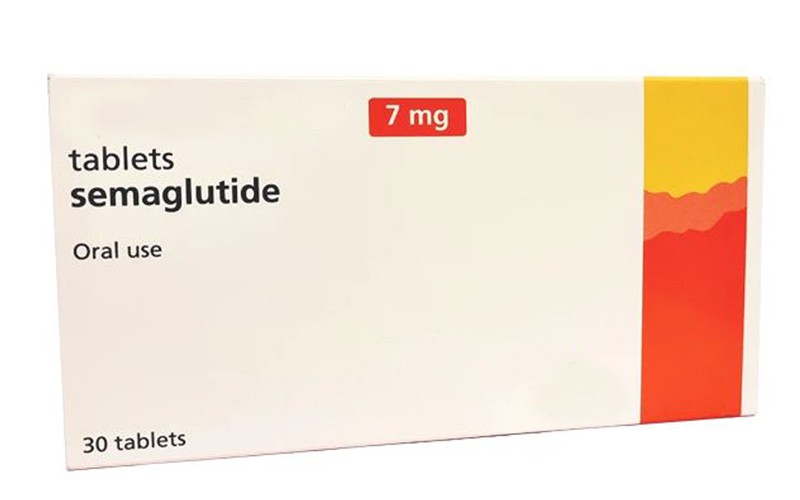
This product specification belongs to the pharmaceutical specification.Usually, each tablet contains 7mg of Semaglutide. The common packaging form is 30 tablets per bottle or per box. This specification is suitable for the dose adjustment stage during the treatment process. It is used when patients transition from the initial dose to a higher dose to achieve better blood sugar control or weight management.
Semaglutide tablets are also available in 3mg and 14mg specifications. The 3mg specification is mainly used in the initial stage of treatment to help the patient's body gradually adapt to the drug. The 14mg specification is used when patients tolerate the 7mg dose well but still have unsatisfactory blood sugar control. Tablets of different specifications may vary in appearance. Tablets of 7mg specification are usually white to light yellow, oval in shape, with one side indented with "7" and the other side indented with "novo" for patients to identify.
Time of administration
Semaglutide Tablets 7mg should be taken on an empty stomach every day. It is generally recommended to take them after getting up in the morning. An empty stomach is conducive to the absorption of drugs because food may affect the speed and extent of drug absorption. If the patient takes the medicine on a non-empty stomach, it may interact with the components in the food, resulting in reduced drug absorption and thus affecting the therapeutic effect. For instance, components such as fat and protein in food may delay gastric emptying, prolonging the retention time of drugs in the stomach and increasing the risk of drugs being destroyed by gastric acid and pepsin.
Administration Method
Take with water: When taking, use approximately 120ml of water. The amount of water should not be too much or too little. Excessive water may dilute gastric acid and affect the absorption environment of the drug. Too little may cause the medicine to fail to enter the stomach smoothly.
Avoid cutting, crushing or chewing: Semaglutide tablets should be swallowed whole and must not be cut, crushed or chewed. This is because the outer layer of the tablet contains special ingredients, which help protect the drug from being destroyed in the stomach, thereby ensuring its absorption in the intestines. If the tablets are cut, crushed or chewed, the structure of the tablets may be damaged, causing the drug to be released prematurely and affecting the absorption and therapeutic effect of the drug.
Precautions after taking
Avoid eating or drinking immediately
After taking 7mg of semaglutide tablets, avoid eating, drinking or taking other medications for at least 30 minutes. This is because food and beverages may affect the absorption of drugs and reduce their efficacy. For example, certain components in food may combine with drugs to form insoluble complexes, hindering the absorption of drugs; The acidic substances in beverages may change the pH value in the stomach and affect the stability of drugs.
The impact of waiting for more than 30 minutes to eat
Although waiting for more than 30 minutes to eat may increase the absorption of the drug, to ensure the stable absorption and efficacy of the drug, it is still recommended to follow a waiting time of at least 30 minutes. If the waiting time is too long, it may cause the patient to feel hungry and affect the patient's eating routine.
Dose adjustment
Initial dose: For the majority of patients, the initial treatment dose is 3mg per day for 30 consecutive days. This dosage helps the patient's body gradually adapt to the drug and reduces the occurrence of adverse reactions. During the initial dose period, patients should closely observe their body's reactions, such as whether they experience gastrointestinal discomfort symptoms like nausea, vomiting, and diarrhea.
Dose escalation: After taking a 3mg dose for 30 days, if the patient's blood sugar control is poor and the tolerance is good, the dose can be increased to 7mg per day. This is the common dosage for 7mg tablets. During the dose escalation process, patients should gradually adapt to the increase in drug dosage while continuing to monitor blood sugar levels and physical responses.
Further dose adjustment: If the patient still requires additional blood glucose control after at least 30 days at a 7mg dose, the dose can be further increased to 14mg per day. However, it should be noted that it is not recommended to achieve a 14mg dose by taking two 7mg tablets. Instead, 14mg specification tablets should be used directly. This is because tablets of different specifications may have differences in production processes and drug release. Directly using 14mg specification tablets can ensure the efficacy and safety of the drug.
Handling of missed doses
If a 7mg dose of semaglutide tablets is missed, the missed dose should be skipped and the next dose should be taken as originally planned the next day. Don't double the dosage of the medicine to make up for the missed dose, as this may lead to adverse reactions such as hypoglycemia. Hypoglycemia is a serious adverse drug reaction, which may cause symptoms such as dizziness, fatigue, palpitations and sweating. In severe cases, it may even lead to coma.
Long-term use and monitoring

Long-term use
Semaglutide tablets 7mg usually need to be taken for a long time to maintain stable blood sugar control. Patients should follow the doctor's advice, take the medicine on time, and not stop taking the medicine or change the dosage by themselves. Self-discontinuation of medication may lead to a rebound in blood sugar and increase the risk of diabetic complications. Changing the dosage may affect the efficacy and safety of the drug.
Regular monitoring
During the period of taking this product, patients should regularly monitor their blood sugar levels, keep abreast of the drug's efficacy in a timely manner, and adjust the treatment plan accordingly.At the same time, the doctor may also recommend other relevant tests, such as kidney function and thyroid function. Because semaglutide may have certain effects on kidney function and thyroid function, regular check-ups can help detect potential problems in a timely manner and take corresponding measures.

Usage for Special Groups
For patients with impaired liver and kidney functions, caution should be exercised when using 7mg of semaglutide tablets. The liver and kidneys are important organs for drug metabolism and excretion. Insufficiency of liver and kidney functions may affect drug metabolism and excretion, leading to drug accumulation in the body and increasing the risk of adverse reactions. Doctors may adjust the dosage or choose other more suitable treatment plans based on the specific conditions of the patients. For example, for patients with mild liver and kidney dysfunction, it may not be necessary to adjust the dosage, but close monitoring of the patients' liver and kidney functions and adverse drug reactions is required. For patients with moderate to severe liver or kidney dysfunction, it may be necessary to reduce the dosage or choose other drugs.
When elderly people use semaglutide tablets 7mg, they also need to pay attention to the adjustment of dosage and the monitoring of adverse reactions. As the physical functions of the elderly may decline and their tolerance to drugs may also decrease, doctors may recommend starting with a lower dose and closely monitor the patient's response. For instance, the elderly may be more prone to gastrointestinal discomfort symptoms such as nausea, vomiting and diarrhea. Doctors can adjust the dosage appropriately or provide corresponding symptomatic treatment based on the patient's tolerance.
This product may interact with other drugs, affecting its efficacy or increasing the risk of adverse reactions. For example, patients who receive semaglutide tablets combined with insulin-secreting agents (such as sulfonylureas) or insulin may have an increased risk of hypoglycemia, including severe hypoglycemia. The risk of hypoglycemia can be reduced by decreasing the dosage of sulfonylurea drugs (or other concomitant insulin secretants) or insulin. Therefore, during the period of taking 7mg of semaglutide tablets, patients should inform their doctors of any other medications they are taking, including prescription drugs, over-the-counter drugs, herbal medicines, etc. Doctors will assess the risks of drug interactions based on specific circumstances and provide corresponding suggestions.
Frequently Asked Questions
Is semaglutide the same as Ozempic?
+
-
Semaglutide, sold under the brand names Mounjaro, Ozempic, Rybelsus, and Wegovy, is an antidiabetic medication used for the treatment of type 2 diabetes and an anti-obesity medication used for long-term weight management.
What is the downside of semaglutide?
+
-
Other common adverse effects include gastrointestinal issues like nausea and vomiting while severe adverse effects include semaglutide induced pancreatitis, risk of diabetic retinopathy, acute gallbladder and kidney injury, etc.
How fast can I lose 20 lbs on semaglutide?
+
-
10 to 16 weeks
Most patients lose 1 to 2 pounds per week with Semaglutide. That means a 20-pound loss is achievable within 10 to 16 weeks when the medication is used correctly and paired with supportive habits. Some people reach this milestone faster, especially if they begin with a higher starting weight.
What exactly does semaglutide do to your body?
+
-
What is this medication? SEMAGLUTIDE (SEM a GLOO tide) treats type 2 diabetes. It works by increasing insulin levels in your body, which decreases your blood sugar (glucose). It also reduces the amount of sugar released into your blood and slows down your digestion.
What drugs cannot be taken with semaglutide?
+
-
Other medicines-Do not take other medicines during the time you are using semaglutide unless they have been discussed with your doctor. This especially includes nonprescription medicines such as aspirin, and medicines for appetite control, asthma, colds, cough, hay fever, or sinus problems.
Hot Tags: semaglutide tablets 7mg, suppliers, manufacturers, factory, wholesale, buy, price, bulk, for sale