




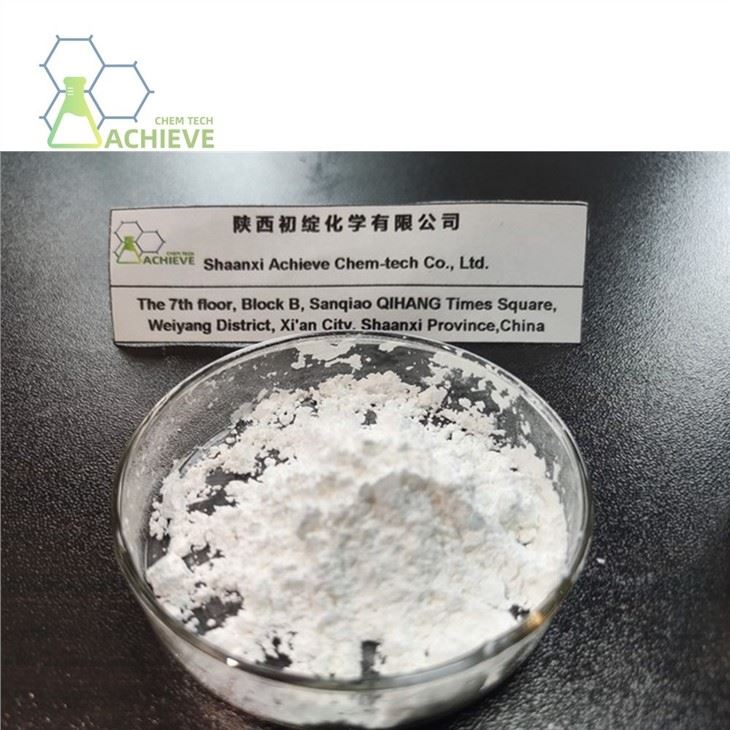

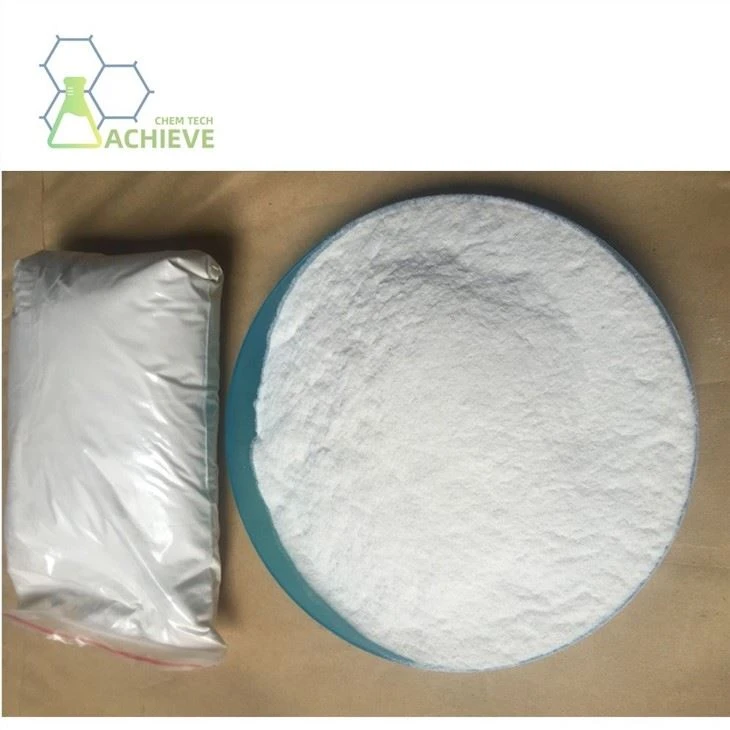

Shaanxi BLOOM Tech Co., Ltd. is one of the most experienced manufacturers and suppliers of choline chloride powder cas 67-48-1 in China. Welcome to wholesale bulk high quality choline chloride powder cas 67-48-1 for sale here from our factory. Good service and reasonable price are available.
Choline chloride powder is an organic substance with the chemical formula of C5H14ClNO, white hygroscopic crystal, tasteless, fishy smell, easy to deliquescence, and unstable in alkali liquor. 10% aqueous solution pH5-6, unstable in alkaline solution. Easily soluble in water and alcohols, the aqueous solution is almost neutral, and insoluble in ether, petroleum ether, benzene and carbon disulfide. Slightly fishy, salty and bitter, easy to deliquescence, unstable in alkaline solution. Low toxicity, LD50 (rat, oral) 3400 mg/kg. It is used to treat fatty liver and liver cirrhosis. It can also be used as a feed additive for livestock, which can stimulate the ovary to produce more eggs, litter and gain weight of livestock and fish.

|
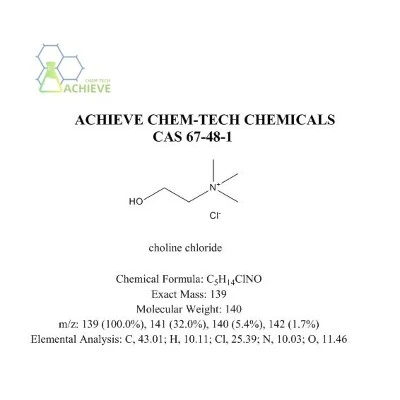
Chemical Formula |
C5H14ClNO |
|
Exact Mass |
139 |
|
Molecular Weight |
140 |
|
m/z |
139 (100.0%), 141 (32.0%), 140 (5.4%), 142 (1.7%) |
|
Elemental Analysis |
C, 43.01; H, 10.11; Cl, 25.39; N, 10.03; O, 11.46 |
|
|
|
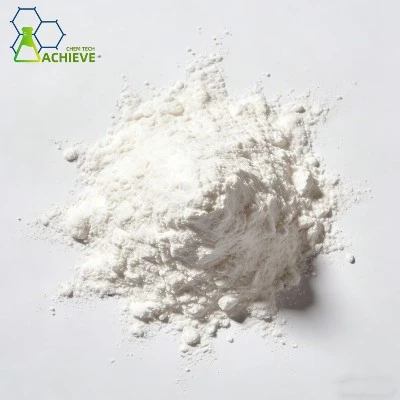

Choline chloride powder, as an essential nutrient precursor for the synthesis of acetylcholine and phosphatidylcholine in animals, is one of the most in demand basic feed additives in livestock, poultry, and aquaculture. It also has irreplaceable application value in various fields such as human nutrition supplementation, pharmaceutical preparations, and industrial manufacturing. After decades of global industrial application verification, it has formed a complete application system covering aquaculture, medicine, food, and industry, and is the core basic raw material supporting the improvement and efficiency of modern livestock, poultry, and aquaculture industries.

The core basic nutritional uses in the field of animal husbandry
1. In the field of pig farming:
It is an essential core nutritional additive for the entire growth cycle of pigs. In the piglet stage, adding sufficient choline chloride to the feed can promote the hepatic fat metabolism of piglets, avoid fatty liver problems caused by metabolic disorders, improve the intestinal development level of piglets, promote the absorption of nutrients, increase the weaning survival rate of piglets by more than 8%, and significantly reduce the incidence of diarrhea in piglets.
During the fattening stage of pigs, supplementing choline chloride can improve feed conversion rate, reduce excessive fat deposition in the pig body, increase lean meat percentage by 5% -8%, shorten the pig slaughter cycle, and reduce feed costs for breeding. In sow breeding, the role of choline chloride is particularly crucial. It can improve the reproductive performance of sows, increase the number of ovulation, reduce the incidence of fatty liver during pregnancy in pregnant sows, lower the probability of difficult delivery in sows, and improve the birth weight and health of piglets. Large scale modeling pig farm breeding data shows that adding sufficient amounts of choline chloride to pregnant sow feed can increase the annual litter size of sows by 0.2-0.3 litters.


Significantly improve the weaning survival rate of piglets, and is an indispensable core nutritional component in modern large-scale pig farm feed formulas.
2. In the field of poultry farming:
It is the core nutrient that ensures the egg laying performance of poultry and the growth efficiency of meat poultry. In the breeding of laying hens, direct participation in the synthesis of yolk phospholipids and sufficient supply of choline chloride in feed can prolong the peak egg production period of laying hens by 2-3 weeks, increase egg production rate by more than 5%, reduce the hatching rate of eggs, improve the nutritional quality of egg yolks, and avoid fatty liver bleeding syndrome caused by choline deficiency in laying hens.
This disease is a high incidence nutritional metabolic disease in high-yielding laying hens, and in severe cases, it can lead to a mortality rate of more than 10% in laying hens. Supplementing sufficient choline chloride in feed in advance can reduce the incidence of this disease by more than 90%. In broiler farming, it can promote the growth and development of broiler chickens, increase their slaughter weight by about 5%, reduce their abdominal fat percentage by 15%, decrease the accumulation of excess fat in their bodies, improve the quality of chicken meat, and significantly enhance the economic benefits of white feathered broiler farming. In the breeding of waterfowl such as ducks and geese.

It is also a basic feed additive that can prevent liver metabolic diseases in waterfowl, improve their growth rate and egg production performance, and is an essential nutrient in waterfowl feed formulas.
3. In the field of ruminants and specialty farming:
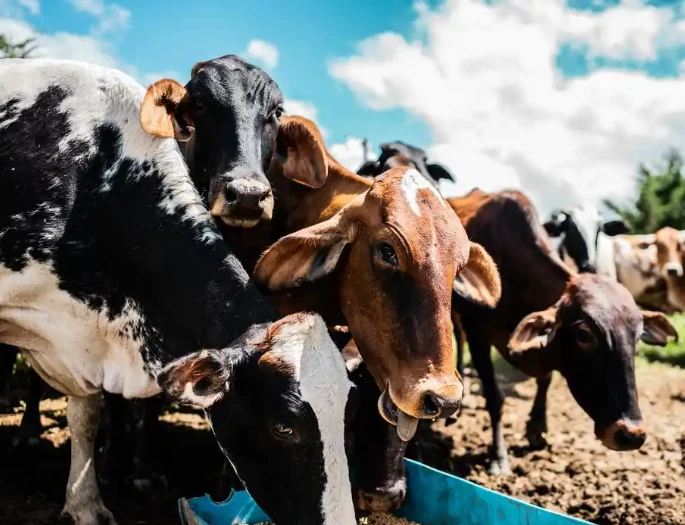
The application value has continued to highlight in recent years. For dairy farming, rumen passing choline chloride is a core nutritional additive that improves milk production performance in cows. Ordinary choline chloride is broken down and destroyed by microorganisms in the rumen of cows, while rumen passing choline chloride can smoothly reach the small intestine of cows for absorption, effectively reducing the incidence of fatty liver and ketosis in high-yielding cows after delivery.
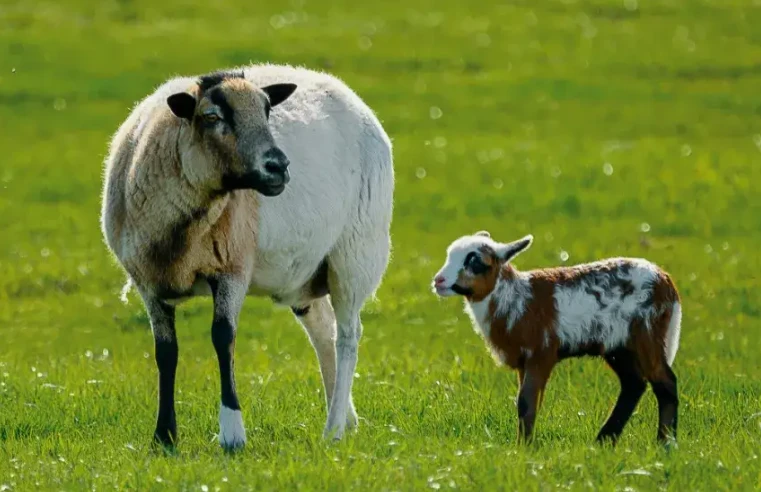
Increasing milk production by 3% -5%, and improving the reproductive performance of cows. At present, large-scale dairy farms in China have made rumen passing choline chloride a necessary nutrient component for perinatal cows. In sheep farming, supplementation can increase the growth rate of sheep, improve their carcass quality, and reduce the incidence of nutritional metabolic diseases. In the breeding of special economic animals such as foxes and minks, it can promote the growth and development of fur animals, improve the quality of fur, increase the glossiness of fur, and enhance the economic benefits of special breeding.

Extended use in aquaculture and pet food industry
1. In the field of aquaculture:
It is an essential nutrient for aquatic animals such as fish and shrimp. The vast majority of aquatic animals cannot synthesize enough choline on their own and must obtain it from external feed sources. In fish breeding, choline chloride added to the feed can promote the fat metabolism of fish, avoid the occurrence of nutritional fatty liver in fish, improve the growth rate of fish, reduce the incidence rate of fish. In the formula feed for grass carp, carp and other freshwater fish, sufficient choline chloride can increase the feed conversion rate of fish by more than 10%, reduce the waste of feed and reduce the pollution load of water body in breeding.
In shrimp and crab aquaculture, it can enhance their stress resistance, increase their tolerance to high temperatures, transportation, and water quality fluctuations, reduce their molting mortality rate, and improve their survival rate. Currently, it is used as a core basic nutritional additive in mainstream aquaculture feed in China. In the cultivation of special aquatic products such as eels and turtles, it can improve the liver health of aquatic animals, enhance the quality of special aquatic products, and reduce disease losses during the cultivation process.
2. In the field of pet food:
It is a mandatory addition of nutrients in full price pet food for dogs and cats.

The choline synthesized by dogs and cats themselves cannot meet their daily metabolic needs. Long term choline deficiency can lead to problems such as fatty liver, abnormal liver function, and delayed growth and development in pets. Adding compliant doses of choline chloride to dog and cat food can ensure the health of pets' livers, promote their neurological development, and improve their hair glossiness. At the same time, for elderly pets, sufficient choline supply can also delay cognitive decline and improve their memory. Currently, choline chloride is an essential nutrient component in all mainstream full price pet food formulas at home and abroad, and is a core indicator that must be met in the nutritional standards of pet food.
Application scenarios of human nutrition, medicine, and food industry
1. In the field of human nutritional supplementation:
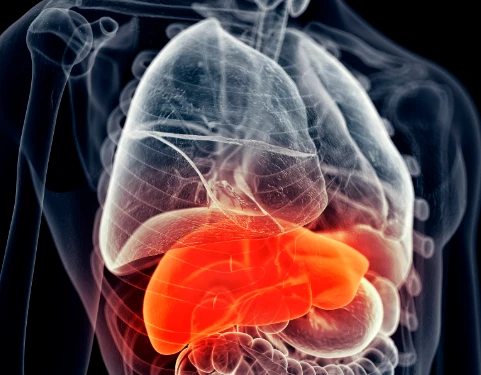
It is an essential core nutrient for the human body, a key component of phospholipids that make up the human cell membrane, and a precursor for the synthesis of the neurotransmitter acetylcholine. Long term insufficient intake of choline in the human body can cause liver fat metabolism disorders, leading to the occurrence of non-alcoholic fatty liver disease and affecting the normal function of the nervous system.


For pregnant women, sufficient intake of choline can promote the development of fetal brain nerves and improve the cognitive ability of newborns. Currently, a large number of pregnant women's compound vitamins and dietary supplements use it as a core nutritional additive to supplement the insufficient intake of choline in daily diet. Supplementing choline chloride can improve liver fat metabolism and reduce the risk of fatty liver disease for long-term vegetarians and high-fat diets. It is an important nutritional fortifier in the modern health and nutrition industry.
2. In the field of medicine:
It is a medicinal excipient and active ingredient for various liver protection preparations and compound vitamin preparations.
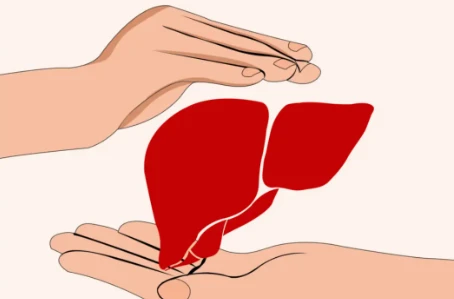
In clinical practice, choline chloride powder is often combined with components such as inositol and vitamin B12 to assist in the treatment of non-alcoholic fatty liver disease and liver metabolic abnormalities. By regulating liver lipid metabolism, it reduces fat deposition in the liver and promotes liver cell repair. In the adjuvant therapy of some neurological diseases, as a precursor substance of acetylcholine, it can assist in increasing the level of acetylcholine in the brain, improving the transmission function of neurotransmitters, and playing a certain auxiliary intervention role in cognitive decline related diseases. At the same time, it is also an essential nutrient component in various enteral nutrition preparations.

Providing necessary choline nutritional support for postoperative patients and critically ill patients, ensuring the normal functioning of their liver and nervous system.
3. In the field of food industry:
It is a legal food grade nutritional fortifier used for the nutritional enhancement of infant formula food and special medical purpose formula food. In infant formula milk powder, it is a nutrient that must be added according to national food safety standards to ensure the normal development of the brain and liver of infants and meet their growth needs.

1. Ethylene oxide method: obtained by reaction of trimethylamine with ethylene oxide.
Add the ethanol solution of trimethylamine into the reaction pot, inject ethylene oxide at about 30 ℃, stir and react for 4h, and neutralize it with hydrochloric acid (control pH 6.5-7.0). The yield of crude product can reach 98%. After decolorization by activated carbon and vacuum concentration, 70% aqueous solution can be obtained. When excipients such as corncob powder, rice husk powder, bran or diatomite are added into the aqueous solution, 50% of the powder can be prepared.

2. Chloroethanol method:
Choline chloride powder is used to replace ethylene oxide and hydrochloric acid and react with trimethylamine under the catalysis of a small amount of ethylene oxide or alkaline substances. First, 100 parts of chloroethanol are added to the reactor, 130 parts of trimethylamine are added from the liquid surface, and 1.7 parts of ethylene oxide are introduced to initiate the reaction. After addition, heat preservation and stirring at 32-38 ℃ for 4h, the yield is 84% (calculated by chloroethanol). If alkaline substances (such as quaternary ammonium salt) are used as catalyst, the single pass conversion rate can reach more than 97%.
FAQ
What foods are high in choline chloride?
Eggs (especially the yolk) Legumes, like kidney beans, navy beans, and peas. Vegetables, particularly cruciferous ones like Brussels sprouts, broccoli, kale, collards, and bok choy, as well as soybeans*, potatoes and shiitake mushrooms. Canned tuna and salmon.
Is choline chloride safe for cats?
Choline is a vitamin-like component that plays an important role in liver health and nerve transmission, and thereby also cognitive function and muscle function in cats. As said above, cats produce some choline naturally, but due to its importance, pet food brands are advised to add this nutrient to the food.
What does choline chloride do for the body?
It helps build cell membranes (so your cells don't collapse like wet cardboard), is needed for the synthesis of the neurotransmitter acetylcholine (which is key for memory and muscle control) and assists in the heroic task of hauling cholesterol and fats through your bloodstream.
Is choline chloride safe for everyone?
Although choline supplements can help meet your daily needs, too much choline may be harmful for some people. Some research has found that taking high doses of choline for a long time might increase the risk of serious side effects, such as heart and liver problems.
Hot Tags: choline chloride powder cas 67-48-1, suppliers, manufacturers, factory, wholesale, buy, price, bulk, for sale, Cyclohexyldimethoxymethylsilane, Sunset Yellow FCF CAS 2783 94 0, Pure Talc Powder CAS 14807 96 6, Pure Erythritol Powder CAS 149 32 6, nonivamide powder, Sucrose Powder CAS 57 50 1