




Shaanxi BLOOM Tech Co., Ltd. is one of the most experienced manufacturers and suppliers of 1,3-dimethylpentylamine cas 105-41-9 in China. Welcome to wholesale bulk high quality 1,3-dimethylpentylamine cas 105-41-9 for sale here from our factory. Good service and reasonable price are available.
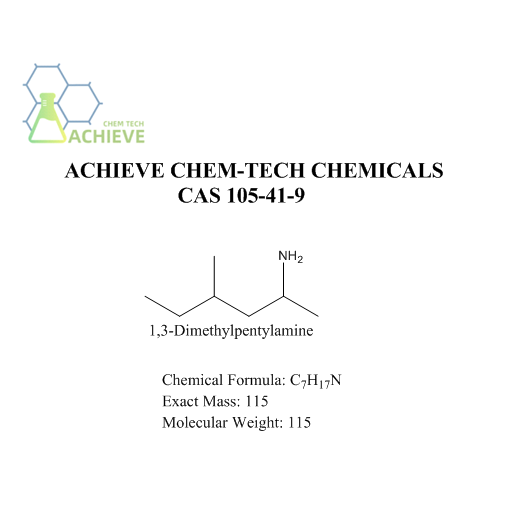
1,3-Dimethylpentylamine(DMAA), referred to as DMAA for short, its alias is 4-methyl-2-hexanamine. Its appearance is white or almost white powder. It is used as pharmaceutical intermediates, fine organic synthesis and catalysts, health products, etc. DMAA is an organic compound, also known as Methylhexanamine or Geranamine. The chemical formula is C7H17N, CAS 105-41-9, with a relative molecular weight of 115.22g/mole. Usually colorless or light yellow liquid, sometimes also in solid form. This depends on its purity and physical state. The solubility in water is relatively low, approximately 0.01 g/mL. But it can be better dissolved in organic solvents such as ethanol, acetone, and chloroform. It has a strong irritating ammonia smell, similar to Phenethylamine. It is a relatively stable compound that is not easily decomposed under conventional conditions. However, under conditions of high temperature, strong alkali, or strong acid, it may undergo degradation or reaction. It is a combustible substance that can burn and release energy. When burned in the air, carbon dioxide, water vapor, and nitrogen are produced.

|
Chemical Formula |
C7H17N |
|
Exact Mass |
115 |
|
Molecular Weight |
115 |
|
m/z |
115 (100.0%), 116 (7.6%) |
|
Elemental Analysis |
C, 72.97; H, 14.87; N, 12.16 |
|
|
|


A new synthetic method of 1,3-Dimethylpentylamine was developed. The synthesis of this method is only three steps. The order is ketogenic reaction, oxime reaction, reductive amination reaction. The whole process has the characteristics of short synthesis steps and high yield. At the same time, this method uses common and easily available chemical raw materials, which has the application prospect of large-scale production. In health products, it can increase energy, refresh and improve body vitality, which is particularly effective for athletes to limit heat or accumulate energy.
1,3-Dimethylamine (DMAA), also known as Methylhexanamine or Geranamine, has a wide range of applications.
1. Sports performance enhancer:
1,3-Dimethylamine is widely used in the fitness and sports industry, and is believed to improve athletes' endurance, explosiveness, and attention. It is used as an enhancer that can increase Muscle contraction and cardiopulmonary function. Some sports nutrition supplements have added 1,3-Dimethylamine to improve training effectiveness and athletic performance.
2. Fat burning agent:
1,3-Dimethylamine is also widely used as a fat burning agent and weight loss adjuvant. It is believed to promote fat metabolism, increase energy consumption, and suppress appetite. Therefore, it is often added to some weight loss products to help people reduce weight and fat content.


3. Improvement of attention and concentration:
1,3-Dimethylamine is believed to improve attention, alertness, and work efficiency. Therefore, it is used by some groups that require long-term focused attention, such as students, professionals, and night shift workers. It can serve as an auxiliary tool to help them stay alert and focused.
4. Treatment of respiratory diseases:
1,3-Dimethylamine has been used in the past to treat asthma, obstructive pulmonary disease (COPD), and other respiratory diseases. It can be used as a Bronchiectasis to relieve respiratory tract constriction and symptoms by relaxing bronchial smooth muscle.
5. Other uses:
1,3-Dimethylamine is also used as a stimulant and stimulant to refresh, increase arousal, and improve mental state. In addition, it is also used as a Vasoconstriction to reduce bleeding and improve surgical feasibility in some medical procedures.
|
|
|


There are several other chemical information about 1,3-dimethylamine: Melting point - 19 ° C (estimate), Boiling point bp760 130-135 °, Density 0.7620-0.7655, Refractive index N20 / d1.417-1.419, Flash point 43 ℃, Morphological neat, Acidity coefficient (PKA) pKa 10.54 (H2O, t = 24 ± 1, I = 0.002) (uncertain).
1,3-Dimethylamine is a dangerous goods, please pay attention to identify the following information: Hazard description h226-h302-h314-h335, Precautions p261-p280-p305 + P351 + p338-p310, Dangerous goods sign C, Hazard category code 10-22-34, Safety instructions 26-36 / 37 / 39-45, Dangerous goods transport No. UN 2734psn1 3 (8) / PGII, WGK Germany 3.
What are the side effects of this compound?
1,3-Dimethylpentylamine is a widely used chemical substance. It has attracted attention as a stimulant ingredient in fitness and weight management products, and has also been used in fields such as pharmaceutical intermediates, fine organic synthesis, and catalysts. However, with the widespread use of DMAA, its potential side effects have gradually attracted people's attention. Here are its side effects:
Effects on the cardiovascular system
The potential impact of DMAA on the cardiovascular system is one of its most concerning side effects. Some studies suggest that DMAA may cause issues such as elevated blood pressure, increased heart rate, and arrhythmia. These symptoms may be more severe during long-term use or excessive intake of DMAA. Hypertension and arrhythmia are important risk factors for cardiovascular disease, which may lead to serious consequences such as heart attack and stroke. Therefore, patients with cardiovascular disease, hypertension, and a history of heart disease should be particularly vigilant about the potential hazards of DMAA.
Central nervous system impact
DMAA acts on the central nervous system and may cause a range of neurological symptoms. These symptoms include headaches, dizziness, insomnia, anxiety, and irritability. Long term use of DMAA may lead to adaptive changes in the nervous system, which in turn can cause more serious neurological problems. In addition, DMAA may also affect cognitive functions such as attention, memory, and responsiveness. These impacts may have negative effects on daily life and work.
Digestive system issues
DMAA may also have adverse effects on the digestive system. Some users reported experiencing symptoms such as nausea, vomiting, diarrhea, and indigestion after using DMAA. These symptoms may be caused by the stimulating effect of DMAA on the gastrointestinal mucosa. Long term use of DMAA may lead to gastrointestinal dysfunction, which in turn affects nutrient absorption and overall health.
Metabolic and endocrine system interference
DMAA may interfere with the body's metabolism and endocrine system. Some studies suggest that DMAA may increase the secretion of thyroid hormones, leading to an increase in metabolic rate. However, this increase in metabolic rate may not always be beneficial as it can exacerbate the body's stress response, increase energy expenditure, and potentially lead to issues such as malnutrition and muscle breakdown. In addition, DMAA may also interfere with the normal secretion and regulation of other hormones, such as insulin and adrenaline, leading to a series of metabolic disorders.
Skin and eye irritation
DMAA may also have irritating effects on the skin and eyes. Direct contact with DMAA may cause discomfort symptoms such as skin inflammation, redness, and itching. In addition, DMAA may also irritate the eyes, causing discomfort, stinging, and tearing. Therefore, when using products containing DMAA, attention should be paid to avoiding direct contact with the skin and eyes.
Liver and kidney damage
DMAA may produce toxic metabolites after metabolism in the body, which may cause damage to the liver and kidneys. Long term use of DMAA may lead to abnormal liver and kidney function, which in turn can cause a range of health problems. These damages may manifest as symptoms such as abnormal liver function, changes in urine color, edema, and fatigue. Therefore, special attention should be paid to protecting the health of the liver and kidneys when using DMAA.
Mental health issues
The abuse and dependence of DMAA are also potential side effects. Due to the excitatory properties of DMAA on the nervous system, some people may abuse DMAA to gain an increase in energy and attention. However, long-term use of DMAA may lead to dependence on the substance and the onset of withdrawal symptoms. These mental health issues may include anxiety, depression, insomnia, and emotional fluctuations. Therefore, people using DMAA should be cautious about its dosage and frequency of use, and be aware of its potential risks.
What are the scope of sales channels?
1.1,3-Dimethylpentylamine sales channel scope
Fitness and weight management product channels
Online e-commerce platforms such as Amazon have a large number of fitness and weight management products for sale, some of which may contain DMAA. Consumers can find products containing DMAA by searching keywords or viewing the product ingredient list.
Offline fitness equipment stores: Many professional fitness equipment stores also sell fitness supplements and weight loss pills containing DMAA. Consumers can visit local fitness stores to inquire and purchase related products.
Brand official website: Some fitness and weight management brands sell products containing DMAA on their official websites. Consumers can purchase the desired products by visiting the brand's official website.
Pharmaceutical intermediates and fine chemicals channels
Chemical suppliers: Many professional chemical suppliers sell DMAA as pharmaceutical intermediates or fine chemicals. These suppliers usually have a well-established sales network and logistics system, which can meet the needs of different customers.
Pharmaceutical companies: Some pharmaceutical companies may directly use DMAA as a raw material to produce drugs. These companies typically establish long-term partnerships with DMAA manufacturers to ensure a stable supply of raw materials.
Research institutions and university laboratories: Research institutions and university laboratories may use DMAA as experimental materials during the research process. These institutions can obtain DMAA through cooperation with chemical suppliers or self procurement.
Other sales channels
Personal purchasing agent: Some consumers may purchase products containing DMAA from abroad through personal purchasing agents. This method carries certain risks as the quality and safety of the purchased products cannot be guaranteed.
Illegal channels: Due to regulatory restrictions on DMAA in certain countries and regions, some unscrupulous merchants may sell DMAA or its products through illegal channels. These illegal channels may include black markets, underground markets, etc. Consumers should be wary of these illegal channels and avoid purchasing counterfeit or non compliant products.
2.Characteristics and Trends of DMAA Sales Channels
Online sales channels are gradually occupying a dominant position
With the rapid development of e-commerce, online sales channels have gradually become one of the main channels for DMAA sales. Online e-commerce platforms have the characteristics of convenience, diversity, and price advantages, attracting a large number of consumers. Meanwhile, online sales also facilitate DMAA manufacturers in market promotion and brand building.
Professional sales channels are becoming increasingly important
With the continuous expansion and deepening of DMAA application fields, the importance of specialized sales channels is becoming increasingly prominent. These channels usually have more professional sales teams, more comprehensive technical support, and higher quality after-sales service, which can meet customers' professional needs for DMAA products.
The impact of regulatory oversight on sales channels
Due to regulatory restrictions in certain countries and regions, DMAA's sales channels have also been affected to some extent. Some countries and regions prohibit or restrict the use and sale of DMAA in areas such as food and health products. This has led some DMAA manufacturers to adjust their sales strategies and market layouts to adapt to regulatory changes.
3.Risks and Challenges of Sales Channels
Product quality and safety issues
DMAA, as a chemical substance, its quality and safety are crucial for consumer health. However, some unscrupulous merchants may sell counterfeit or non compliant DMAA products, posing health risks to consumers. Therefore, consumers should choose legitimate channels and brands when purchasing DMAA products, and carefully review the product ingredient list and manufacturer information.
Regulatory risks
Due to regulatory restrictions in certain countries and regions, DMAA's sales channels face certain regulatory risks. Manufacturers and sellers need to closely monitor changes in relevant regulations to ensure that their products are sold in compliance. Meanwhile, consumers should also be aware of the restrictions and requirements of local regulations on DMAA to avoid purchasing non compliant products.
Market competition and challenges
With the continuous development and growth of the DMAA market, market competition is becoming increasingly fierce. Manufacturers and sellers need to continuously improve product quality and service levels to win the trust and support of consumers. At the same time, they also need to pay attention to market dynamics and competitors' strategies, and adjust sales strategies and market layouts in a timely manner.
Hot Tags: 1,3-dimethylpentylamine cas 105-41-9, suppliers, manufacturers, factory, wholesale, buy, price, bulk, for sale, Camptothecin Powder CAS 7689 03 4, sapropterin dihydrochloride powder, Scopolamine Butylbromide, 4 4 Diaminodiphenylsulfone CAS 80 08 0, ciprofloxacin powder, Organic Intermediate