





Shaanxi BLOOM Tech Co., Ltd. is one of the most experienced manufacturers and suppliers of cdp choline bulk in China. Welcome to wholesale bulk high quality cdp choline bulk for sale here from our factory. Good service and reasonable price are available.
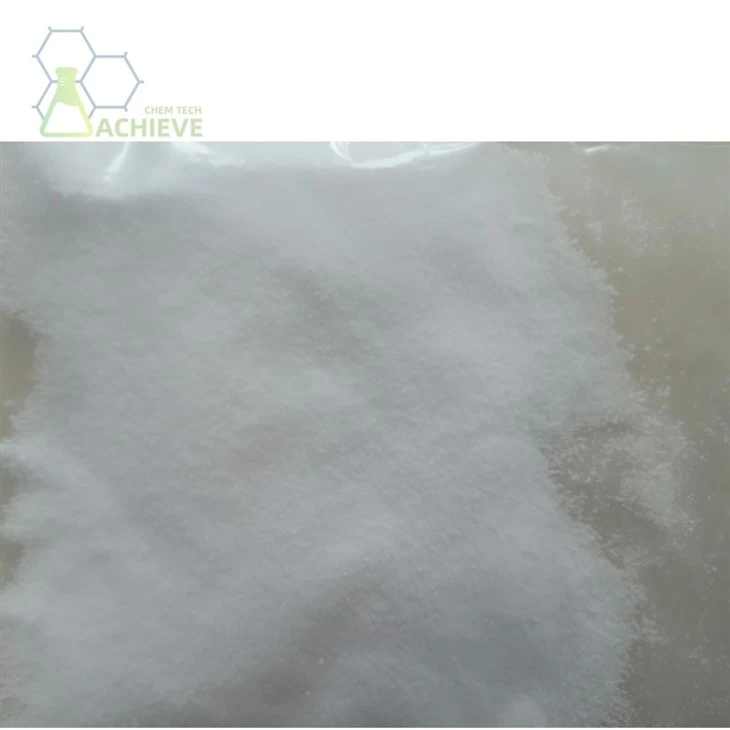
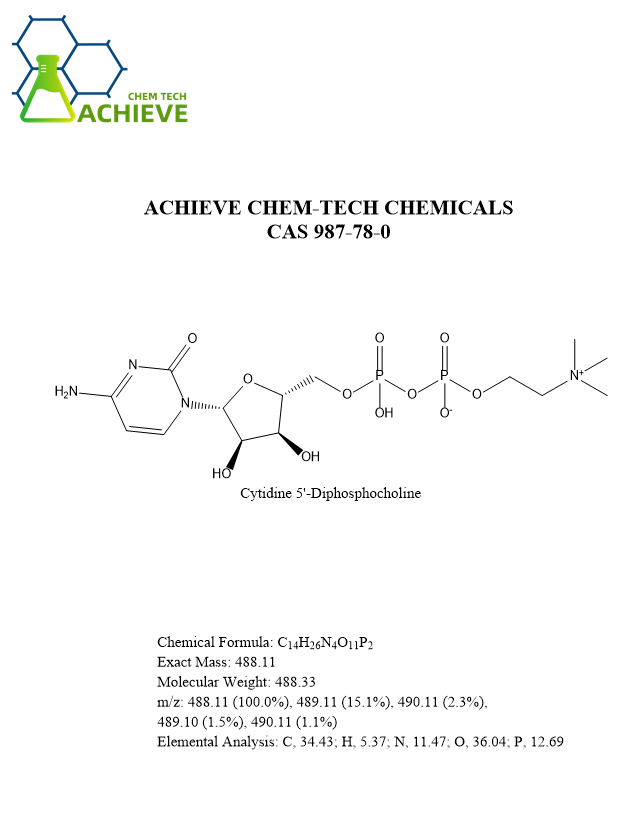
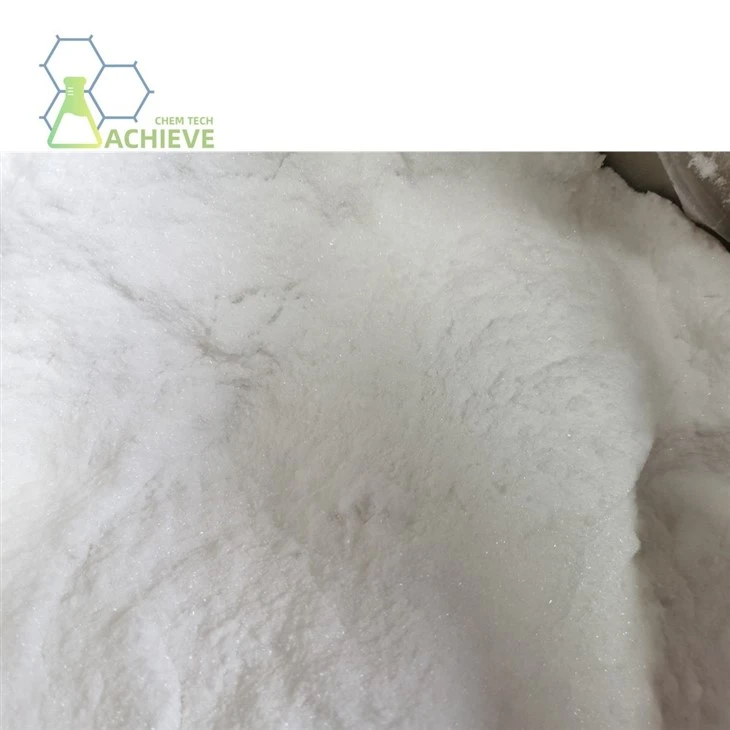
Cdp Choline Bulk refers to the mass production of phosphatidylcholine raw materials or products. It usually appears as a white crystalline powder with a purity of 99% or higher, slightly soluble in water, almost insoluble in ethanol, chloroform, acetone, and highly hygroscopic. It is a precursor of phosphatidylcholine biosynthesis. When brain function declines, the content of phosphatidylcholine in brain tissue significantly decreases.
Phosphatidylcholine can stabilize cell membranes by stimulating S-adenosyl-L-methionine, improve neural plasticity in non damaged areas, promote functional recovery, improve cerebral vascular resistance, increase cerebral blood flow, improve cerebral circulation, and enhance the function of the brainstem reticular activating system, the vertebral body system, and improve motor paralysis.It has a certain effect on promoting brain function recovery and awakening.

CDP cholesterol also has neuroprotective effects, preventing the accumulation of free fatty acids in tissues caused by ischemia, reducing infarct volume and brain edema, and producing anti apoptotic effects related to mitochondrial dependent cell death mechanisms. Mainly used for patients with acute traumatic brain injury, consciousness disorders after brain surgery, and hemiplegia caused by stroke; Also used for tinnitus and neurogenic hearing loss, acute poisoning, infection, coma and consciousness disorders caused by extensive cerebral infarction, Parkinson's disease, acute pancreatitis; It also has certain therapeutic effects on ischemic cerebrovascular disease and vascular dementia, but the effect on consciousness disorders caused by intracranial hemorrhage is relatively poor.
At the same time, our company not only provides pure powder, but also tablets and powders. If needed, please feel free to contact us at any time.
 |
 |

Additional information of chemical compound:
|
Product Name |
CDP choline Bulk |
|
Product Type |
Powder |
|
Product Purity |
100g/1kg/etc. |
|
Product Form |
Organic synthesis |
|
|
|


Cdp Choline Bulk
 |
||
|
|
||
|
|


Cdp Choline Bulk, with its multi-target neuroprotective mechanism and extensive pharmacological activity, has shown great potential for applications in clinical medicine, cognitive improvement, sports nutrition, and other fields. The following is a detailed description of its uses:
Clinical Medical Use
As a neuroprotective agent, phosphatidylcholine has shown significant therapeutic effects in clinical applications after acute traumatic brain injury and brain surgery. The core mechanism is to promote the biosynthesis of phospholipids, which are a key component of nerve cell membranes.


Supplementing with phosphatidylcholine can accelerate the repair of damaged nerve cell membranes and reduce secondary brain injury. Clinical trials have shown that phosphatidylcholine can significantly improve consciousness disorders, shorten coma time, and reduce disability and mortality rates in patients with traumatic brain injury.
During the recovery phase after brain surgery, phosphatidylcholine promotes the recovery of neurological function and reduces postoperative complications by increasing cerebral blood flow and improving cerebral circulation. The specific usage includes intravenous infusion and intramuscular injection.


For patients with acute traumatic brain injury, medication is usually administered within 2 weeks after the stroke, at a dose of 1000mg per day for 2 consecutive weeks. For patients undergoing brain surgery, the dosage and duration of treatment need to be adjusted according to individual circumstances.
In the treatment of ischemic stroke, phosphatidylcholine plays a neuroprotective role by improving brain tissue metabolism and neurotransmitter system function. Its mechanism involves increasing the synthesis of neurotransmitters such as acetylcholine and norepinephrine, inhibiting neuronal apoptosis, and promoting angiogenesis.


Multiple randomized controlled trials have shown that phosphatidylcholine can significantly improve the neurological deficit score and enhance daily living activities in stroke patients. For patients with vascular dementia, phosphatidylcholine delays dementia progression by improving cerebral blood flow perfusion and cognitive function.
PET-CT studies have shown that phosphatidylcholine can increase cerebral blood flow perfusion, improve memory and behavioral abilities in dementia patients. Long term use of phosphatidylcholine can also reduce the rate of brain atrophy and decrease the risk of cognitive decline.

Neuroprotection and Brain Injury Repair

Parkinson's disease is a common neurodegenerative disease characterized by bradykinesia, muscle rigidity, and tremors. As a regulator of dopaminergic neurotransmission, phosphatidylcholine alleviates symptoms in Parkinson's disease patients by increasing dopamine levels in the striatum. Clinical trials have shown that the combination of phosphatidylcholine and levodopa can significantly improve therapeutic efficacy,
reduce drug dose dependence, and lower the incidence of exercise complications. In the treatment of motor disorders, phosphatidylcholine also promotes the recovery of motor function by improving neurotransmitter balance and neuroplasticity. The mechanism involves enhancing the activity of dopaminergic neurons in the basal ganglia and inhibiting excessive excitation of glutamatergic neurons, thereby alleviating motor symptoms.

Adjuvant therapy for central nervous system diseases

Cytosine plays an important role in the treatment of consciousness and coma caused by acute central nervous system injury. The mechanism involves enhancing the function of the ascending activation system of the brainstem reticular formation, promoting consciousness recovery. Clinical studies have shown that phosphatidylcholine can significantly shorten the recovery time of comatose patients, improve their consciousness, and reduce mortality.
For coma and consciousness disorders caused by extensive cerebral infarction, poisoning, infection, etc., phosphatidylcholine promotes the recovery of neurological function by improving brain metabolism and neurotransmitter system function. Its usage includes intravenous infusion and intramuscular injection, and the dosage needs to be adjusted according to individual circumstances.


Phosphatidylcholine is used as an adjuvant drug in the treatment of epilepsy, reducing the frequency and severity of epileptic seizures by regulating neurotransmitter balance and neuroplasticity.
In the treatment of glaucoma, phosphatidylcholine acts as a neuroprotective agent by reducing apoptosis of retinal ganglion cells and improving optic nerve conduction function, delaying the progression of visual field defects. The mechanism involves inhibiting excessive excitation of glutamatergic neurons, reducing oxidative stress and inflammatory response, thereby protecting retinal ganglion cells.


For patients with optic nerve injury, phosphatidylcholine improves vision by promoting the regeneration and repair of the optic nerve.Its usage includes oral and intravenous infusion, and the dosage needs to be adjusted according to individual circumstances.
Clinical studies have shown that phosphatidylcholine can significantly improve the visual field sensitivity of glaucoma patients and reduce the area of visual field defects. Phosphatidylcholine has potential application value in the treatment of amblyopia and visual developmental disorders.


The mechanism involves enhancing the plasticity of the visual cortex and neurotransmitter release, promoting the recovery of visual function. Animal experiments have shown that phosphatidylcholine can accelerate the visual function recovery of amblyopia animals and improve visual acuity.
Sports nutrition and health promotion
CDP choline Bulk, as an efficient nutrient for promoting intelligence and brain health, has shown significant improvement in attention and concentration in the field of sports nutrition. The mechanism involves increasing the synthesis of acetylcholine and phosphatidylcholine, two neurotransmitters and neuroprotective compounds that are crucial for regulating memory, cognitive function, and brain health.


Acetylcholine is a key neurotransmitter that regulates muscle contraction and various neurological functions, while phosphatidylcholine is the main component of cell membranes and plays an important role in maintaining membrane integrity and function. Supplementing CDP cholesterol before exercise can enhance attention and focus by increasing the available energy produced by the brain.
Specifically, CDP cholesterol increases the activity of mitochondria, which are the energy source for cells that produce adenosine triphosphate (ATP). The increase in ATP production supports the health of neurotransmitters, which is crucial for sustained mental concentration. Multiple studies have shown that taking CDP cholesterol 15-20 minutes before exercise can significantly improve mental alertness, attention, and concentration within 15-30 minutes, thereby helping athletes maintain optimal performance during competitions.

Promote exercise recovery and reduce fatigue

Sports training is often accompanied by fatigue and damage to the nervous system. CDP cholesterol accelerates the recovery process of the nervous system by promoting the synthesis and release of neurotransmitters. The mechanism involves increasing the levels of neurotransmitters such as acetylcholine, which play a crucial role in neural signal transduction. Supplementing CDP cholesterol after exercise can significantly shorten nerve recovery time and reduce the decline in exercise performance caused by nerve fatigue.
This is particularly important for athletes who require frequent high-intensity training, as it can help them recover from fatigue faster and maintain sustained training effectiveness. The oxidative stress and inflammatory response generated during exercise are important factors leading to muscle fatigue and injury. CDP cholesterol has antioxidant and neuroprotective properties, which can reduce oxidative stress damage to nerve cells and inhibit the occurrence of inflammatory reactions.


CDP cholesterol helps protect nerve cells from damage and promote the recovery process after exercise by reducing oxidative stress and inflammatory reactions. At the same time, it can also reduce muscle fatigue and soreness, improve athletes' training tolerance and recovery ability.
As age increases, the risk of developing neurodegenerative diseases such as Alzheimer's disease, Parkinson's disease, etc. gradually increases. CDP cholesterol helps prevent the occurrence of these diseases by promoting the synthesis and release of neurotransmitters, as well as protecting nerve cells from damage. Research has shown that long-term supplementation with CDP cholesterol can significantly improve cognitive function in older adults and reduce the risk of cognitive decline.


For athletes, maintaining brain health is crucial for their long-term career and quality of life after retirement. By supplementing with CDP cholesterol, they can maintain better cognitive function throughout their athletic career and continue to enjoy a high-quality life after retirement. CDP cholesterol also has the ability to promote nerve regeneration and repair.
Supplementing with Cdp Choline Bulk can accelerate the regeneration and repair process of nerve cells in cases of nerve damage caused by sports injuries or neurological disorders. Its mechanism involves promoting the synthesis and release of neurotransmitters, as well as increasing the levels of bioactive substances such as nerve growth factors. These bioactive substances play a crucial role in nerve regeneration and repair, helping to restore nerve function and reduce the occurrence of sequelae.

FAQ
After oral administration, phosphatidylcholine does not exist in its complete molecular form in the blood, but rapidly breaks down into two independent fragments that enter the brain and then "reassemble" within the brain.
Isotope tracing studies have revealed a counterintuitive fact: after absorption, the pyrophosphate bridge structure of phosphatidylcholine is rapidly hydrolyzed, splitting into two parts: cytidine and choline.
These two fragments independently enter the central nervous system through the blood-brain barrier and are then reused in brain cells to synthesize phospholipids and neurotransmitters.
This means that the so-called 'phosphatidylcholine entering the brain' is actually a 'split action' of two nutrients - this is the chemical basis for its high oral bioavailability and the essential difference in mechanism between it and simply supplementing choline.
After oral administration, the liver preferentially intercepts choline fragments for its own metabolism, while cytidine fragments are more widely distributed to other organs.
Metabolic studies have shown that the liver is the most active organ for utilization - it has a preference for uptake of choline fragments.
Choline is partially converted by the liver into betaine (as a methyl donor), which then generates labeled methionine and is incorporated into proteins; And cytidine fragments are included in the nucleic acid pool in various organs.
This means that after oral administration of phosphatidylcholine, the liver is the main source of "truncated" choline, and the proportion of choline that actually reaches the brain for repairing neural membranes depends on the liver's "retention rate" - a variable that is overlooked in conventional pharmacokinetics.
Hot Tags: cdp choline bulk, suppliers, manufacturers, factory, wholesale, buy, price, bulk, for sale, Camptothecin Powder CAS 7689 03 4, pure procaine powder, epinephrine powder, 1 Naphthaleneacetic Acid CAS 86 87 3, Atropine Sulfate Monohydrate CAS 5908 99 6, Organic Intermediate