





Shaanxi BLOOM Tech Co., Ltd. is one of the most experienced manufacturers and suppliers of chlorhexidine hydrochloride powder cas 3697-42-5 in China. Welcome to wholesale bulk high quality chlorhexidine hydrochloride powder cas 3697-42-5 for sale here from our factory. Good service and reasonable price are available.
Uracile triphosphate UTP Chlorhexidine hydrochloride powder, also known as Chlorhexidine Hydrochloride, is a broad-spectrum antibacterial agent. CAS 3697-42-5, Molecular formula C22H32Cl4N10, white or almost white crystalline powder, odorless, bitter taste. Slightly soluble in water, with a water solubility of 0.06 g/100 mL (20 º C). It is soluble in alcohols and also has some solubility in propylene glycol. This solubility property makes chlorhexidine hydrochloride have good dispersibility and stability in different solvents, making it easy to apply in various formulations.
Widely used in medical, health, daily chemical and other fields. Its physical properties are of great significance for its applications in these fields.
Commonly used for skin disinfection before surgery, its broad-spectrum bactericidal ability can effectively reduce microbial contamination of the surgical site and lower the risk of postoperative infection. As a soaking disinfectant, chlorhexidine hydrochloride can efficiently kill various pathogenic microorganisms on surgical instruments, ensuring the smooth progress of surgery. Widely used in oral care products, such as mouthwash, toothpaste, etc., for the prevention and treatment of oral diseases such as oral ulcers, periodontitis, gingivitis, etc. Its powerful antibacterial ability can effectively inhibit harmful bacteria in the mouth and maintain oral health.

|
Chemical Formula |
C22H31Cl3N10 |
|
Exact Mass |
540 |
|
Molecular Weight |
542 |
|
m/z |
540 (100.0%), 542 (95.9%), 544 (30.6%), 541 (23.8%), 543 (22.8%), 545 (7.3%), 541 (3.7%), 543 (3.5%), 546 (3.3%), 542 (2.7%), 544 (2.6%), 545 (1.1%) |
|
Elemental Analysis |
C, 48.76; H, 5.77; Cl, 19.63; N, 25.85 |
|
|
|


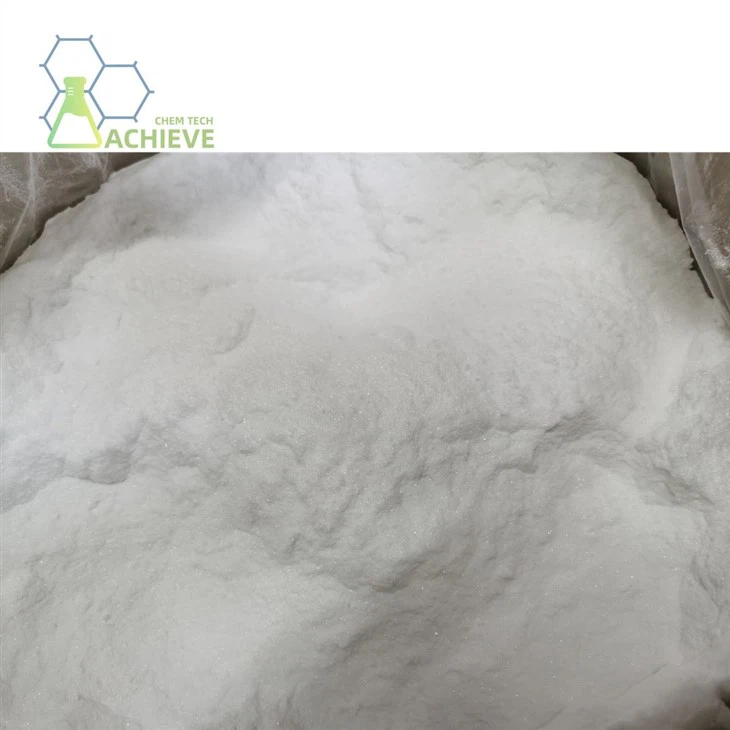
Appearance and physical state: The chlorhexidine hydrochloride powder appears as a white or almost white crystalline solid, with an odorless and bitter taste. It has a definite crystal structure.
Solubility characteristics: This substance is slightly soluble in water, with a solubility of approximately 0.06 grams per 100 milliliters at 20℃; its solubility in ethanol is relatively low, showing only very slight dissolution or insolubility; its solubility in propylene glycol is slightly better but still limited; its solubility in dimethyl sulfoxide (DMSO) can reach 90 milligrams per milliliter.
Melting point characteristics: The melting point range of the chlorhexidine hydrochloride powder is 111-116℃. Some data indicate that its melting point can reach 255-262℃. This difference may be due to different test conditions or crystalline forms, but it all indicates that this substance has high thermal stability.
Stability and storage conditions: The substance can remain stable at a refrigerated temperature of 2-8℃. The powder form can be stored for a long time at -20℃ (for 3 years), and the storage period at 4℃ is 2 years. During storage, it is necessary to strictly avoid light and keep the container sealed to prevent moisture absorption.
Chemical structure characteristics: The molecular formula is C₂₂H₃₂Cl₄N₁₀, and the precise molecular weight is 578.37. Its chemical structure contains two chlorophenyl groups and two dihydantoin groups. This special structure gives it strong cationic surface activity properties, enabling broad-spectrum antibacterial effects by disrupting microbial cell membranes.
pH sensitivity: As the chloride salt form, this substance exhibits acidic characteristics in aqueous solutions, and changes in pH value may affect its solubility and stability of antibacterial activity.
Hygroscopicity: The powder form has strong hygroscopicity. Exposure to a humid environment may cause agglomeration or degradation, so special moisture prevention measures should be taken during storage.

Chlorhexidine hydrochloride powder, also known as Chlorhexidine Hydrochloride, is a broad-spectrum antibacterial agent with a wide range of uses. Chlorhexidine hydrochloride is used as a surface active fungicide in medical, health, and daily chemical fields, with strong broad-spectrum antibacterial and bactericidal effects.
Medical use
Chlorhexidine hydrochloride has a wide range of applications in the field of oral care. Its powerful antibacterial ability can effectively inhibit harmful bacteria in the oral cavity, prevent and treat oral diseases such as ulcers, periodontitis, gingivitis, etc. Chlorhexidine hydrochloride is widely used in oral care products such as mouthwash and toothpaste, providing patients with long-lasting antibacterial protection.
Mouthwash: Mouthwash containing chlorhexidine hydrochloride can effectively kill pathogenic microorganisms in the mouth and reduce the occurrence of oral diseases. When using it, patients only need to pour an appropriate amount of mouthwash into the cup, rinse for 5-10 minutes, and spit it out to achieve good antibacterial effect.
Toothpaste: Toothpaste containing chlorhexidine hydrochloride can effectively inhibit harmful bacteria in the mouth during brushing, maintaining oral health. Long term use can also prevent the occurrence of dental caries and periodontal diseases.

Surgical disinfection

Chlorhexidine hydrochloride also plays an important role in the field of preoperative disinfection. Its broad-spectrum bactericidal ability can effectively reduce microbial contamination at the surgical site and lower the risk of postoperative infection.
Skin disinfection: Before surgery, medical staff will use a disinfectant containing chlorhexidine hydrochloride to disinfect the patient's skin. This disinfectant can quickly kill pathogenic microorganisms on the surface of the skin, creating a sterile environment for surgery.
Surgical instrument disinfection: Chlorhexidine hydrochloride can also be used for immersion disinfection of surgical instruments. Soaking surgical instruments in disinfectant containing chlorhexidine hydrochloride can effectively kill various pathogenic microorganisms on the instruments and ensure the smooth progress of the surgery.
Chlorhexidine hydrochloride also has significant effects in treating skin infections. Its antibacterial ability can effectively inhibit harmful bacteria on the surface of the skin and promote wound healing.
Skin infection treatment: For patients with skin infections, doctors will use ointments or solutions containing chlorhexidine hydrochloride for local application or rinsing. This treatment method can quickly kill pathogenic microorganisms on the surface of the skin, alleviate patients' symptoms, and promote wound healing.
Wound disinfection: For trauma patients, medical staff will use disinfectant containing chlorhexidine hydrochloride to disinfect the wound. This disinfectant can effectively kill pathogenic microorganisms on the wound surface, reduce the risk of infection, and promote wound healing.

Sanitary use
Disinfection of public places

Chlorhexidine hydrochloride can be used for disinfection and cleaning in public places such as hospitals, schools, hotels, etc. Its broad-spectrum bactericidal ability can effectively kill various pathogenic microorganisms and ensure public health.
Hospital disinfection: Chlorhexidine hydrochloride is widely used in hospitals for disinfection and cleaning of wards, operating rooms, clinics, and other places. By regularly using disinfectants containing chlorhexidine hydrochloride to disinfect these places, it is possible to effectively kill pathogenic microorganisms and reduce the incidence of hospital infections.
School disinfection: Chlorhexidine hydrochloride is also used for disinfection and cleaning of classrooms, canteens, dormitories, and other places in schools. Especially during the flu season or high incidence of infectious diseases, using disinfectants containing chlorhexidine hydrochloride to disinfect these places can effectively kill pathogenic microorganisms and ensure the health of teachers and students.
Chlorhexidine hydrochloride, as an efficient antibacterial agent, is widely used in daily chemical products such as hand sanitizer, shower gel, wet wipes, etc. By adding chlorhexidine hydrochloride, these daily chemical products can provide long-lasting antibacterial protection, effectively preventing the spread and infection of pathogenic microorganisms.
Hand sanitizer: Hand sanitizer containing chlorhexidine hydrochloride can effectively kill pathogenic microorganisms on hands during hand washing and maintain hand hygiene. Long term use can also prevent the occurrence of hand skin diseases.
Shower gel: Shower gel containing chlorhexidine hydrochloride can effectively kill pathogenic microorganisms on the body during bathing, keeping the body clean and healthy.
Wet wipes: Wet wipes containing chlorhexidine hydrochloride can be used to wipe hands, face, body and other parts, providing convenient antibacterial protection. Especially when outdoors or traveling, using wet wipes containing chlorhexidine hydrochloride can effectively prevent the spread and infection of pathogenic microorganisms.

Daily chemical use
Drug addition

Chlorhexidine hydrochloride is also widely used in pharmaceuticals, such as eye drops, wound dressings, etc. By adding chlorhexidine hydrochloride, these drugs can provide long-lasting antibacterial protection, effectively preventing and treating infections in areas such as the eyes and skin.
Eye drops: Eye drops containing chlorhexidine hydrochloride can effectively kill pathogenic microorganisms on the surface of the eyes during use, preventing and treating eye infections. Long term use can also maintain eye cleanliness and health.
Wound dressing: A wound dressing containing chlorhexidine hydrochloride can effectively kill pathogenic microorganisms on the surface of the wound during use, promoting wound healing. Long term use can also prevent the occurrence of wound infections.
Chlorhexidine hydrochloride is also widely used in cosmetics, such as antiperspirant, deodorant, face cream, etc. By adding chlorhexidine hydrochloride, these cosmetics can provide long-lasting antibacterial protection, effectively preventing the spread and infection of pathogenic microorganisms.
Antiperspirant: Antiperspirant containing chlorhexidine hydrochloride can effectively inhibit bacterial growth in armpits and other areas during use, reducing the production of sweat odor. Long term use can also prevent the occurrence of diseases such as underarm odor.
Deodorizer: Deodorizers containing chlorhexidine hydrochloride can effectively kill pathogenic microorganisms on the surface of the body and reduce the production of body odor during use. Long term use can also maintain the body's fragrance and health.
Face cream: face cream containing chlorhexidine hydrochloride can effectively inhibit the bacterial reproduction of facial skin during use, and keep facial skin clean and healthy. Long term use can also prevent the occurrence of facial skin diseases.

Other uses
Animal husbandry disinfection

Chlorhexidine hydrochloride can also be used for disinfection and epidemic prevention in animal husbandry. Its broad-spectrum bactericidal ability can effectively kill pathogenic microorganisms on the surface of animals, prevent and control the occurrence and spread of animal diseases.
Disinfection of breeding farms: Chlorhexidine hydrochloride is widely used in the disinfection and cleaning of facilities and equipment such as pens, food troughs, and water dispensers in breeding farms. By regularly using disinfectants containing chlorhexidine hydrochloride to disinfect these places and equipment, it is possible to effectively kill pathogenic microorganisms and reduce the incidence of animal diseases.
Animal surface disinfection: For sick animals, medical staff will use disinfectant containing chlorhexidine hydrochloride to disinfect their surface. This disinfectant can quickly kill pathogenic microorganisms on animal surfaces, alleviate animal symptoms, and promote recovery.
Chlorhexidine hydrochloride powder can also be used for disinfection in water treatment. Its broad-spectrum bactericidal ability can effectively kill pathogenic microorganisms in water and improve water quality safety.
Disinfection of drinking water: Chlorhexidine hydrochloride is added as a disinfectant to the water during the treatment of drinking water. By using disinfectants containing chlorhexidine hydrochloride reasonably, pathogenic microorganisms in water can be effectively killed, ensuring the safety of drinking water.
Wastewater treatment disinfection: Chlorhexidine hydrochloride is also used as a disinfectant added to wastewater during the wastewater treatment process. By using disinfectants containing chlorhexidine hydrochloride reasonably, pathogenic microorganisms in wastewater can be effectively killed, reducing the risk of environmental pollution and disease transmission.


Chlorhexidine Gluconate, also known as Chlorhexidine Hydrochloride, is a broad-spectrum antibacterial agent widely used in medical, health, daily chemical and other fields. The antibacterial mechanism is of great significance for understanding its efficacy and application.
Destruction of cell membrane
Chlorhexidine hydrochloride is a surfactant that can break down the permeation barrier on bacterial cytoplasmic membranes. At low concentrations, it causes partial leakage of the cytoplasm, playing a bacteriostatic role; At high concentrations, it causes cytoplasmic condensation and denaturation, playing a bactericidal role.
Low concentration effect:
At low concentrations, chlorhexidine hydrochloride mainly interacts with negative charges on bacterial cell membranes, interfering with membrane integrity and causing partial leakage of substances in the cytoplasm, thereby inhibiting bacterial growth and reproduction.
High concentration effect:
At high concentrations, chlorhexidine hydrochloride can interact more strongly with bacterial cell membranes, leading to membrane rupture, leakage of cytoplasmic contents, loss of normal physiological activity ability of bacteria, and ultimately death.
The mechanism by which chlorhexidine hydrochloride destroys cell membranes enables it to exhibit broad-spectrum bactericidal and bacteriostatic activity against bacteria, affecting both Gram positive and Gram negative bacteria.
Inhibit cell wall synthesis
Chlorhexidine hydrochloride can also interfere with the synthesis of bacterial cell walls, especially by binding to the phosphate wall acid of Gram positive bacteria, inhibiting peptidoglycan synthase and thus blocking the synthesis of bacterial cell walls.
Binding with phosphatidylcholine:
Chlorhexidine hydrochloride can bind with phosphatidylcholine on the cell wall of Gram positive bacteria, which may alter the structure and stability of the cell wall.
Inhibition of peptidoglycan synthase:
Chlorhexidine hydrochloride blocks the synthesis of peptidoglycan in bacterial cell walls by inhibiting the activity of peptidoglycan synthase. Peptidoglycan is one of the main components of bacterial cell walls, and its synthesis inhibition will lead to incomplete cell wall structure.
Cell expansion, rupture, and autolysis:
Due to the incomplete structure of the cell wall, bacterial cells will expand, rupture, and eventually self dissolve and die under the influence of external factors such as osmotic pressure.
The mechanism of inhibiting cell wall synthesis enables Chlorhexidine hydrochloride powder to have excellent bactericidal effects on Gram positive bacteria. Although the effect on Gram negative bacteria may be slightly weaker, it still has some antibacterial activity.
Hot Tags: chlorhexidine hydrochloride powder cas 3697-42-5, suppliers, manufacturers, factory, wholesale, buy, price, bulk, for sale, Pravadoline, Benzobarbital CAS 744 80 9, Scopolamine Butylbromide, Cyproheptadine hydrochloride sesquihydrate, Chrysophanic Acid CAS 481 74 3, Methylergonovine Powder CAS 113 42 8