




Shaanxi BLOOM Tech Co., Ltd. is one of the most experienced manufacturers and suppliers of polymyxin b sulfate powder cas 1405-20-5 in China. Welcome to wholesale bulk high quality polymyxin b sulfate powder cas 1405-20-5 for sale here from our factory. Good service and reasonable price are available.
Polymyxin b sulfate powder is the sulfate form of a cyclic cationic polypeptide antibiotic produced by Bacillus polymyxa. It consists of ten amino acid residues and its structure features a characteristic template composed of L-2-amino butyric acid and a hexapeptide ring. This antibiotic forms electrostatic interactions with the negatively charged lipid A on the outer membrane lipopolysaccharide (LPS) of Gram-negative bacteria due to its strong positive charge, rapidly disrupting the integrity of the bacterial outer membrane, increasing cell membrane permeability and causing leakage of contents, ultimately leading to bacterial death.
It has rapid and strong bactericidal activity against most Gram-negative bacteria (such as Pseudomonas aeruginosa, Acinetobacter baumannii, Klebsiella pneumoniae), and is particularly regarded as the last line of defense drug against severe systemic infections caused by carbapenem-resistant bacteria. Its powder form is a white to off-white hygroscopic solid, which usually needs to be stored under low temperature, in the dark, and in a dry environment. Before use, it needs to be reconstituted and strictly administered intravenously or intrathecally. However, it is worth noting that its significant nephrotoxicity and neurotoxicity severely limit its clinical use, and the dose needs to be adjusted individually under close monitoring.

|
|
|


|
Chemical Formula |
C56H100N16O17S |
|
Exact Mass |
1300.72 |
|
Molecular Weight |
1301.57 |
|
m/z |
1300.72 (100.0%), 1301.72 (60.6%), 1302.72 (18.0%), 1301.71 (5.9%), 1302.71 (4.5%), 1302.72 (3.6%), 1302.72 (3.5%), 1303.72 (2.7%), 1303.73 (2.7%), 1303.72 (2.1%), 1301.72 (1.2%), 1303.72 (1.1%) |
|
Elemental Analysis |
C, 51.68; H, 7.74; N, 17.22; O, 20.90; S, 2.46 |

Polymyxin b sulfate powder is an important antibacterial drug with a wide range of uses, especially in the treatment of multi drug resistant pathogen infections.
Topical Anti-Infective Application for Skin and Wounds

This represents the most prevalent clinical application of the powder. Minimal drug absorption occurs through wound surfaces, resulting in negligible toxic side effects and outstanding safety profiles. Clinically, the sterile powder can be directly sprinkled onto open wounds, or formulated with normal saline into bacteriostatic solutions and compound preparations to treat cutaneous infections induced by various drug-resistant Gram-negative bacteria.
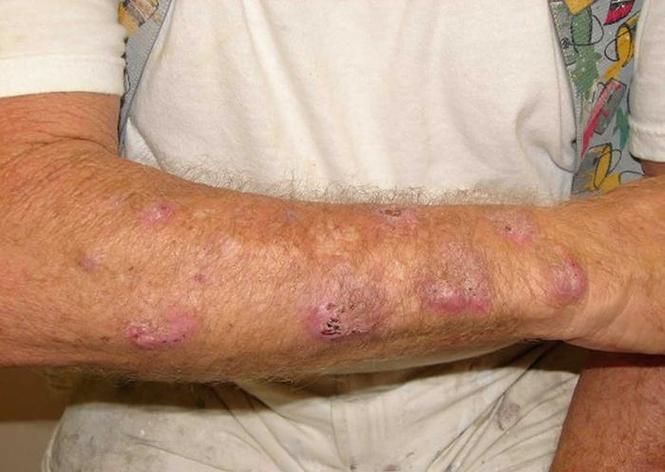
For hard-to-heal wounds such as burns, pressure ulcers, diabetic foot ulcers and postoperative incision ulceration, it potently inhibits high-incidence Pseudomonas aeruginosa infections on wound beds, alleviating wound exudation, malodor and secondary necrosis. It may also be compounded with bacitracin and neomycin to prepare combined antibacterial powders and ointments, offsetting the narrow antibacterial spectrum of single agents to cover mixed bacterial infections. Additionally, the powder can be formulated into topical sprays for secondary bacterial infections following ruptured eczema and dermatitis, delivering mild bacteriostatic activity with low risk of cutaneous bacterial resistance.
Local Anti-Infective Therapy for Otorhinolaryngology and Ophthalmology

Leveraging its potent local bacteriostatic efficacy, the sterile powder is widely adopted for infectious disorders in ophthalmic, otorhinolaryngological subspecialties. In ophthalmology, sterile powder diluted into eye drops is indicated for bacterial conjunctivitis and corneal ulcers caused by multidrug-resistant Gram-negative bacteria. Superior to conventional antibiotics, it is preferred for intractable ocular infections unresponsive to routine treatment, with no systemic adverse reactions via local administration.
In otorhinolaryngology, prepared solutions treat chronic suppurative otitis media and external otitis by targeted eradication of Pseudomonas aeruginosa in the ear canal, relieving otorrhea, swelling and pain. It can also be used for irrigation of nasal surgical wounds to prevent colonization and infection by Gram-negative bacteria post-nasal surgery.

Cavity and Wound Irrigation for Postoperative Infection Prophylaxis

In surgical practice, the sterile powder is diluted into isotonic irrigating solutions for intraoperative and postoperative lavage of closed body cavities and deep wounds, eliminating hepatic and renal burdens associated with systemic antibiotics.
In urology, continuous bladder irrigation is administered to patients with indwelling urinary catheters to prevent retrograde urinary tract infections originating from catheterization, particularly for nosocomial urinary tract infections with high prevalence of drug-resistant strains. Following general and orthopedic surgeries, it irrigates deep wounds in the abdominal and joint cavities to eliminate residual bacteria and reduce risks of postoperative deep abscesses and peritonitis. Locally administered irrigation delivers direct bacteriostatic action at infection foci while preventing systemic toxic reactions from drug entry into the bloodstream.

Parenteral Administration for Severe Systemic Infections (Restricted Use Only)

Injectable-grade sterile powder is dispensed as lyophilized powder for injection, reserved for severe systemic infections caused by extensively drug-resistant bacteria with no alternative therapeutic options available. Given its marked nephrotoxicity and neurotoxicity, it is solely indicated for pan-drug-resistant bacterial infections refractory to carbapenem antibiotics, including sepsis, severe pneumonia, bacterial meningitis and severe systemic urinary tract infections.
Intravenous infusion serves as the primary administration route; intrathecal injection may be supplemented for meningitis patients to deliver the drug directly to lesions. Clinical use is subject to strict indication control, and administration is prohibited for mild infections. Renal function monitoring is implemented throughout treatment to prevent organ damage from drug accumulation.

Local Respiratory Administration via Nebulization

Diluted with normal saline, the sterile powder is delivered via nebulized inhalation for targeted therapy of the lower respiratory tract. It is primarily indicated for pulmonary colonization of Pseudomonas aeruginosa in cystic fibrosis patients and nosocomial drug-resistant bacterial bronchopulmonary infections. Nebulized drug acts directly on airway mucosa to achieve high local bacteriostatic concentrations with virtually no systemic absorption, substantially avoiding toxic side effects of systemic medication. It constitutes a core local therapeutic regimen for respiratory infections caused by drug-resistant bacteria.

Polymyxin B sulfate powder, as an important antibiotic, has attracted much attention due to its unique antibacterial activity and wide range of applications. Its production mainly relies on fermentation methods. By optimizing the fermentation medium and conditions, as well as conducting strain selection, the yield of sulfated polymyxin B can be significantly increased. The following is a detailed description of the fermentation process for producing polymyxin B sulfate.
The production of sulfated polymyxin B first requires the screening of high-yielding and genetically stable excellent strains. This is usually achieved through mutagenesis breeding and screening.
Mutation breeding can use physical or chemical methods, such as atmospheric pressure and low-temperature plasma, to mutate the original strain and increase its genetic diversity. Subsequently, high-quality and genetically stable strains were selected from the mutated strains using screening methods such as agar block diffusion.
After obtaining excellent strains, activation treatment is required. Activation is the process of restoring dormant microorganisms to their normal growth state. Usually, excellent bacterial strains are inoculated onto suitable culture media and cultured under appropriate temperature and humidity conditions until the colonies grow vigorously and have consistent morphology, which is considered activation complete.
Fermentation medium is the foundation of microbial fermentation, and its composition and proportion have a significant impact on the growth of microorganisms and the accumulation of metabolic products. The fermentation medium for sulfated polymyxin B usually includes carbon sources, nitrogen sources, inorganic salts, and other nutrients.
(1) Selection and addition of carbon sources:
Carbon sources are the main energy source for microbial growth and metabolism. In the fermentation process of polymyxin B sulfate, commonly used carbon sources include soluble starch, glucose, etc. These carbon sources are easily utilized by microorganisms and can support rapid growth of bacterial cells and accumulation of metabolites. By adjusting the type and amount of carbon sources, the growth rate of microorganisms and the production of metabolites can be optimized.
(2) Selection and addition of nitrogen sources:
Nitrogen sources are essential elements for microorganisms to synthesize biomolecules such as proteins and nucleic acids. In the fermentation process of polymyxin B sulfate, commonly used nitrogen sources include (NH4) 2SO4, corn syrup, etc. These nitrogen sources not only provide the nitrogen elements required for microbial growth, but also other nutrients such as vitamins, growth factors, etc. By adjusting the type and amount of nitrogen sources, the growth rate of microorganisms and the yield of metabolites can be optimized.
(3) The addition of inorganic salts and other nutrients:
Inorganic salts such as NaCl, KH2PO4, MgSO4, etc. are essential for microbial growth and metabolism. They participate in physiological processes such as osmotic pressure regulation, energy metabolism, and substance transport in microorganisms. In addition, other nutrients such as growth factors and precursor substances need to be added to promote microbial growth and the accumulation of metabolites.
When preparing fermentation medium, it is necessary to adjust the proportion and amount of various components reasonably according to the growth characteristics and metabolic needs of microorganisms. At the same time, it is necessary to conduct optimization experiments on the culture medium, and determine the optimal medium formula by comparing the effects of different components and ratios of the culture medium on microbial growth and metabolite production.
In addition to optimizing the fermentation medium, it is also necessary to control and optimize the fermentation conditions to further increase the production of Polymyxin B sulfate powder.
(1) Temperature control:
Temperature is one of the important factors affecting microbial growth and metabolism. During the fermentation process of polymyxin B sulfate, it is necessary to control the appropriate temperature range to ensure the normal growth of microorganisms and the accumulation of metabolites. Determine the optimal fermentation temperature through experiments, usually around the optimal growth temperature for microorganisms. During the fermentation process, it is necessary to maintain a constant temperature to avoid the impact of temperature fluctuations on microbial growth and metabolic product production.
(2) Regulation of pH value:
pH value is another important factor affecting microbial growth and metabolism. During the fermentation process of polymyxin B sulfate, it is necessary to control the appropriate pH range to ensure the normal growth of microorganisms and the accumulation of metabolites. Determine the optimal initial pH value through experiments and adjust the pH value appropriately during the fermentation process to maintain the optimal environment for microbial growth and metabolite accumulation. Usually, the pH value of the fermentation broth can be adjusted by adding acid or alkali.
(3) Control of dissolved oxygen:
Dissolved oxygen is one of the important factors affecting aerobic respiration and metabolism of microorganisms. During the fermentation process of polymyxin B sulfate, it is necessary to maintain an appropriate range of dissolved oxygen to ensure the normal growth of microorganisms and the accumulation of metabolic products. This can be achieved by adjusting parameters such as stirring speed and ventilation rate. At the same time, attention should be paid to avoid foam problems and energy consumption problems caused by excessive ventilation.
(4) Control of fermentation time:
Fermentation time is one of the important factors affecting the production of polymyxin B sulfate. During the fermentation process, it is necessary to control the appropriate fermentation time range to ensure the full growth of microorganisms and the accumulation of metabolic products. Determine the optimal fermentation time through experiments, and timely sample and detect the production of metabolites and microbial growth during the fermentation process to determine the optimal fermentation endpoint.
FAQ
How to use polymyxin B sulfate for pink eye?
+
-
-5340 or FDA at 1-800-FDA-1088 or www.fda.gov/medwatch. In mild to moderate infections, instill one drop in the affected eye(s) every 3 hours (maximum of 6 doses per day) for a period of 7 to 10 days.
What is polymyxin B sulphate powder used for?
+
-
Polymyxin B is indicated for the treatment of infections of the urinary tract, meninges, and blood stream, caused by susceptible strains of Pseudomonas aeruginosa 8.
Hot Tags: polymyxin b sulfate powder cas 1405-20-5, suppliers, manufacturers, factory, wholesale, buy, price, bulk, for sale, epinephrine hcl powder, Adrenochrome Powder, Iodomethane d3, Scopolamine Butylbromide, Cyclophosphamide monohydrate powder, lidocaine hydrochloride powder