






Shaanxi BLOOM Tech Co., Ltd. is one of the most experienced manufacturers and suppliers of dhm powder cas 27200-12-0 in China. Welcome to wholesale bulk high quality dhm powder cas 27200-12-0 for sale here from our factory. Good service and reasonable price are available.
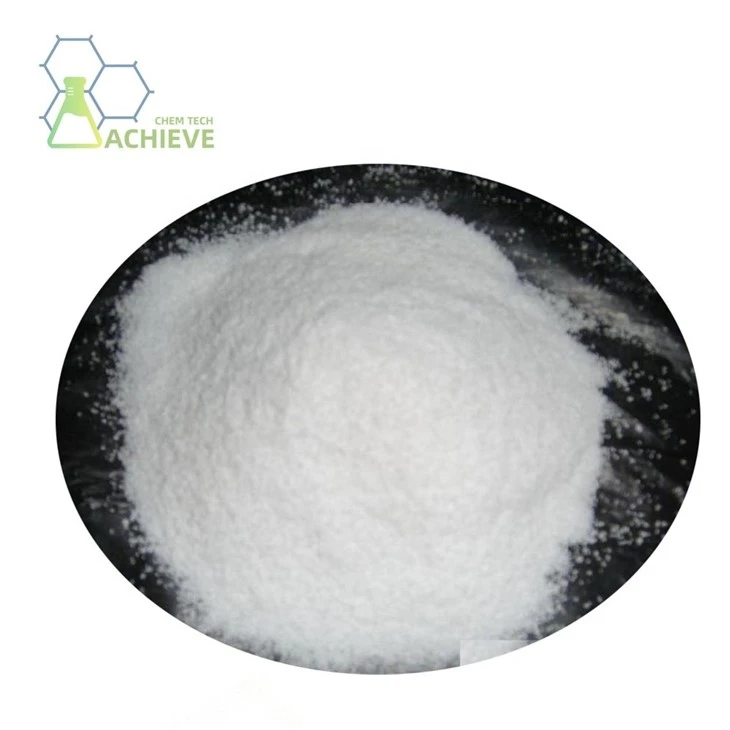
DHM powder, molecular formula C15H12O8, CAS 27200-12-0. It appears as a white or almost white powder, easily soluble in hot water, hot ethanol and acetone, soluble in ethanol and methanol, very slightly soluble in ethyl acetate, insoluble in chloroform and petroleum ether. It is mostly extracted from a woody vine plant of the grape family, the snake grape genus, and can also be extracted from jujube. The main active ingredients are flavonoids, which have various unique effects such as clearing free radicals, antioxidation, anti thrombosis, anti-tumor, and anti-inflammatory; Dihydromyricetin is a special kind of flavonoids. In addition to the general characteristics of flavonoids, it can also relieve alcoholism, prevent alcoholic liver, fatty liver, inhibit the deterioration of liver cells, and reduce the incidence rate of liver cancer. It is a good product for protecting the liver, relieving drunkenness and sobering up.

|
|
|


|
Chemical Formula |
C15H12O8 |
|
Exact Mass |
320 |
|
Molecular Weight |
320 |
|
m/z |
320 (100.0%), 321 (16.2%), 322 (1.6%), 322 (1.2%) |
|
Elemental Analysis |
C, 56.26; H, 3.78; O, 39.97 |

MicroHerb's research shows that DHM powder has good thermal stability, but irreversible oxidation reactions occur when the temperature exceeds 100 ℃. Dihydromyricetin is stable under neutral and slightly acidic conditions. There has also been repeated research on his synthesis method, and the following list of methods is for reference only.
(1) Synthesis of sodium pentachlorophenol
Step 1: Preparation of sodium hydroxide solution
Add solid sodium hydroxide to the stirring tank and gradually add water while stirring until a sodium hydroxide solution of approximately 160g/L is prepared.
Step 2: Addition and mixing of hexachlorobenzene
Under stirring, gradually add hexachlorobenzene to the sodium hydroxide solution in a molar ratio of 1: (2.5-2.6).
After stirring evenly, use a pump to send the mixed liquid into the high-pressure hydrolysis kettle.
Step 3: Hydrolysis reaction
In a high-pressure hydrolysis reactor, the pressure inside the reactor is reached to 2.0 MPa through stirring and heating.
Due to the exothermic reaction, the temperature inside the reactor will automatically rise to 230 ℃, and the pressure inside the reactor will reach 2.55MPa.
Maintain the temperature inside the reactor at 230 ℃ for 20 minutes to complete the hydrolysis process.
Step 4: Post processing
After hydrolysis is completed, the pressure is released and the reaction solution is cooled and crystallized.
Collect flake like solid sodium pentachlorophenol through filtration operation.
(2) The synthesis of dihydromyricetin
Step 1: Acidification reaction
Add sodium pentachlorophenol to the reactor and gradually add 31% hydrochloric acid for acidification while stirring.
Maintain the acidification temperature at 80-90 ℃.
Step 2: Post processing
After the acidification reaction is completed, the product is washed with water to remove excess hydrochloric acid and other impurities.
Collect the acidified product through filtration operation.
Dry the product to obtain the final product dihydromyricetin.
Please note that the above description is an overview of the chemical synthesis method based on the provided experimental steps. The specific experimental operation details and conditions may need to be adjusted and optimized according to the actual situation. In addition, safety operating procedures should be strictly followed during the experimental process to ensure the safety and smooth progress of the experiment.

DHM powder is an extract of grape vine tea, which is the main active ingredient in vine tea, a flavonoid compound. This type of substance has various unique effects such as clearing free radicals, antioxidant, anti thrombotic, anti-tumor, anti-inflammatory, etc; Dihydromyricetin is a special flavonoid compound, which has special effects in relieving alcoholism, preventing alcoholic liver, fatty liver, inhibiting hepatocyte deterioration, reducing the incidence rate of liver cancer, anti hypertension, inhibiting platelet aggregation in vitro and the formation of thrombus in vivo, reducing blood lipid and glucose levels, improving SOD activity, protecting liver and protecting liver, etc.

1. Antibacterial effects:
Pharmacological experiments have shown that dihydromyricetin has antibacterial effects on Bacillus subtilis, Staphylococcus aureus, Salmonella, Escherichia coli, Pseudomonas aeruginosa, beer yeast, red yeast, Penicillium, Aspergillus niger, Aspergillus flavus, Mucor, and Rhizopus, especially on Gram positive, Gram negative cocci, or bacteria.
2. The regulatory effect on blood glucose and blood lipids:
Pharmacological experiments in mice by gavage showed that dihydromyricetin can significantly inhibit the increase in blood glucose induced by alloxan, adrenaline, streptozotocin, etc., while increasing serum insulin levels. Lymphocyte infiltration in pancreatic tissue is significantly reduced, inflammation is significantly reduced, and the number of pancreatic islets is significantly increased. Dihydromyricetin has a reducing effect on serum triglyceride (TG) levels in streptozotocin-induced hyperglycemic rats, but has no significant effect on serum total cholesterol (TC) and high-density lipoprotein cholesterol (HDL2C) levels.


3. Liver protective effect:
Dihydromyricetin has a significant protective effect on carbon tetrachloride induced liver injury in cultured rat liver cells, as well as D2 galactosamine and lipopolysaccharide induced liver injury in mice. Dihydromyricetin can protect the liver, accelerate the rapid decomposition of ethanol metabolite acetaldehyde, turn it into a non-toxic substance, and reduce its damage to liver cells. In addition, dihydromyricetin can improve the increase in serum lactate dehydrogenase activity caused by liver cell damage, inhibit the formation of collagen fibers in hepatic M cells, and thus play a protective role in the liver, significantly reducing the damage of ethanol to the liver, and quickly restoring the normal state of the liver. Microherb experiments have shown that dihydromyricetin can protect the liver, accelerate the rapid decomposition of ethanol metabolite acetaldehyde, and become non-toxic substances, reducing damage to liver cells. Dihydromyricetin has a rapid and long-lasting effect, making it a good product for protecting the liver, relieving alcohol and sobering up.
4. Antioxidant effect:
Dihydromyricetin with a purity of 98% can significantly inhibit the generation of malondialdehyde (MDA) in rat myocardial, liver, and brain tissue homogenates, and its inhibitory effect increases with the increase of Dihydromyricetin concentration. Dihydromyricetin with a content of 99% has a scavenging effect on diphenyltrinitrophenylhydrazine (DPPH) free radicals in the experimental system. Dihydromyricetin can significantly inhibit the generation of MDA in oils and fats, and its antioxidant effect increases with the increase of Dihydromyricetin purity (60% -90%); It has strong antioxidant effects on both animal and vegetable oils.


5. Antitumor effect:
Pharmacological studies on anti-tumor have found that one of its active ingredients, the small molecule compound of ampelopsin, has a relatively strong anti-cancer effect. In vitro and in vivo anti-tumor studies have found that this compound can improve the therapeutic effect of tumors and improve the patient's vital signs by inhibiting tumor vascular growth, regulating and enhancing cellular immune function. It has shown significant anti-tumor effects in tumor model experiments such as leukemia and nasopharyngeal carcinoma.
Ampelopsis grossedentata, also known as rattan tea, is a traditional folk medicine, which was widely used to treat infectious diseases such as skin diseases, furuncles, osteomyelitis, acute lymphadenitis, etc. Dihydromyricetin is widely used in the treatment of respiratory tract infections, alcoholism traditional Chinese patent medicines and simple preparations preparations, such as tablets, capsules, granules. Research on anti-tumor pharmacodynamics has found that one of its active ingredients, the small molecule compound of ampelopsin, has strong anti-cancer effects. The research on DHM powder has obtained invention patent authorization in the field of preparing anti leukemia and nasopharyngeal carcinoma drugs. It has been prepared for clinical trials as a new type of drug. The development of a new traditional Chinese medicine drug, amphotericin injection, is expected to provide a new therapeutic drug for a large number of leukemia and nasopharyngeal carcinoma patients. Microherb has completed the extraction and purification technology of vine tea extract (total flavonoids from Ampelopsis grosvenori) and dihydromyricetin, and has conducted relevant toxicological experiments and efficacy studies. They have also developed health foods such as instant tea, total flavonoids from Ampelopsis grosvenori tablets, and dihydromyricetin sobering and liver protecting capsules with dihydromyricetin as the functional additive.

Dihydromyricetin (DMY or DHM), also known as snake grape extract, white vine extract, etc., is a type of dihydroflavonol flavonoid compound. Its development history can be traced back to the mid-20th century, and its application fields and value have been continuously expanded in subsequent research.
First discovery: In 1940, it was first isolated from the leaves of Ampelopsis meliaefolia (Hand. - Mazz.) W. T. Wang, a plant belonging to the family Vitaceae, and named Ampelopsis meliaefolia. This discovery laid the foundation for subsequent research.
Structural confirmation: With the advancement of chemical analysis techniques, scientists have gradually confirmed the chemical structure of dihydromyricetin, namely (2R, 3R) -3,5,7-trihydroxy-2- (3,4,5-trihydroxyphenyl) benzodihydropyran-4-one, with a molecular formula of C15H12O8 and a relative molecular weight of 320.25.
Main source: Widely found in plants of the snake grape family and snake grape genus, among which the content of Ampelopsis Grossedentata (Hand. Mazz.) W. T. Wang is the most abundant, reaching more than 30% of dry weight. Tengcha is widely distributed in southwestern and southern China, and has a long history of medicinal use among the people.
Other sources: In addition to rattan tea, it is also found in small amounts in plants such as Yangmei, Rhododendron, Fujicaceae, Euphorbiaceae, Olivaceae, Leguminosae, Malvaceae, and Salix, but its content is much lower than that of rattan tea, and it does not have economic value for large-scale extraction.
Hot Tags: dhm powder cas 27200-12-0, suppliers, manufacturers, factory, wholesale, buy, price, bulk, for sale, 4 4 Diaminodiphenylsulfone CAS 80 08 0, benzocaine 200mesh, Chrysophanic Acid CAS 481 74 3, Tetrahydrobiopterin (BH4) Powder, Adrenochrome Powder, 1 Naphthaleneacetic Acid CAS 86 87 3