




Shaanxi BLOOM Tech Co., Ltd. is one of the most experienced manufacturers and suppliers of gabapentin powder in China. Welcome to wholesale bulk high quality gabapentin powder for sale here from our factory. Good service and reasonable price are available.
Gabapentin Powder is a powdered form of gabapentin, with its core component being gabapentin (chemical name: 1- (aminomethyl) cyclohexanecarboxylic acid, molecular formula: C ₉ H ₁₇ NO ₂). It is a white to off white crystalline powder, odorless, slightly bitter in taste, and highly soluble in water. It is a derivative of gamma aminobutyric acid (GABA), but not a GABA receptor agonist, and its mechanism of action is different from existing antiepileptic drugs. It exerts therapeutic effects by affecting neurotransmitter release and neuronal electrical activity. This substance is used for the additional treatment of epilepsy patients with localized seizures that cannot be satisfactorily controlled or tolerated by conventional antiepileptic drugs, as well as epilepsy patients with localized seizures that subsequently become generalized. By regulating neurotransmitter release, the frequency and severity of epileptic seizures can be reduced.
At the same time, our company not only provides pure powders, but also tablets and injections. If needed, please feel free to contact us at any time.
Additional information of chemical compound:

|
|
|


Gabapentin COA
 |
|
|
|
|

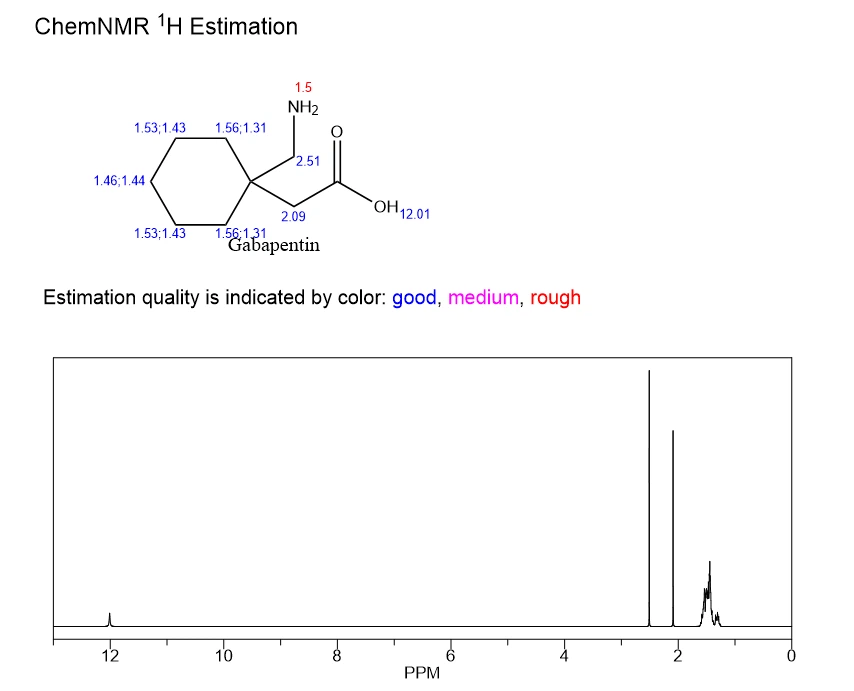

Gabapentin Powder is a gamma aminobutyric acid (GABA) derivative antiepileptic drug with a chemical structure similar to GABA but a unique mechanism of action. As a powder form, gabapentin exerts therapeutic effects by regulating neurotransmitter release and neuronal electrical activity, and its core uses cover two major fields:
Epilepsy treatment
Gabapentin is an artificially synthesized derivative of gamma aminobutyric acid (GABA), with a chemical structure in which GABA molecules are covalently bound to a lipophilic cyclohexylamine ring. As a second-generation antiepileptic drug, the mechanism of action of gabapentin differs fundamentally from traditional antiepileptic drugs such as phenytoin sodium and carbamazepine. Although gabapentin does not directly bind to GABA receptors, it enhances GABAergic inhibition through the following pathways:
Stimulating non vesicle pool GABA release: increasing synaptic gap GABA concentration and prolonging its inhibitory postsynaptic potential (IPSP) duration.
Inhibition of GABA transaminase activity: reduces GABA degradation and increases GABA levels in the brain. Animal experiments have shown that gabapentin can increase the concentration of GABA in cerebrospinal fluid by 30% -50%.
Regulating GABA synthase: Enhancing glutamate decarboxylase (GAD) activity and promoting GABA production.

Calcium channel blockade

Gabapentin binds to the α ₂ δ subunit of voltage dependent calcium channels, inhibiting calcium ion influx and reducing neuronal overexcitation. This mechanism plays a crucial role in controlling epileptic seizures, particularly with significant inhibitory effects on glutamate mediated excitatory synaptic transmission.
Blood-brain barrier penetrability
Gabapentin has high lipid solubility and can quickly pass through the blood-brain barrier. The concentration of cerebrospinal fluid can reach 20% -30% of plasma concentration, ensuring its effective distribution in the central nervous system.
Indications and clinical positioning of gabapentin in the treatment of epilepsy
Core indications
Gabapentin Powder is mainly used for the treatment of the following two types of epilepsy patients:
Partial Seizes: including simple localized seizures (unconscious) and complex localized seizures (with consciousness disorders), as well as secondary generalization of localized seizures.
Refractory epilepsy: As an adjuvant therapy for patients who are ineffective or intolerant to traditional antiepileptic drugs such as carbamazepine and phenytoin sodium.
Clinical positioning
Preferred adjuvant therapy: In patients with refractory epilepsy, gabapentin can reduce seizure frequency by ≥ 50% in 25% -50% of patients, with stable long-term efficacy.
Suitable for children and adolescents: Gabapentin has shown good safety and tolerability in the adjuvant treatment of partial seizures in children over 3 years old, and the dosage needs to be adjusted according to body weight (10-30mg/kg/day).
Clinical positioning
Special group advantages:
Patients with renal insufficiency: The dosage needs to be adjusted according to creatinine clearance rate, but blood drug concentration does not need to be monitored (due to linear pharmacokinetic characteristics).
Elderly patients: Due to a decrease in metabolic rate, it is recommended to start with a low dose (100mg/day) and slowly titrate to an effective dose.
Combination therapy strategy and synergistic mechanism of gabapentin
Combined use with antiviral drugs
Prevention of postherpetic neuralgia (PHN): The combination of gabapentin (1800mg/day) and famciclovir (1000mg/day) can reduce the incidence of PHN by 40%. The mechanism may be related to the neuroprotective effect of gabapentin and the synergistic antiviral effect of famciclovir.
Combined use with opioid drugs
Neuropathic pain treatment: The combination of gabapentin (1800mg/day) and morphine (30mg/day) can reduce the pain score of cancer pain patients by 60%, and the dosage of opioid drugs can be reduced by 30%, with a 25% reduction in the incidence of adverse reactions.
Combined use with antidepressants
Fibromyalgia treatment: The combination of gabapentin (1800mg/day) and duloxetine (60mg/day) can achieve a pain relief rate of 70% in patients with fibromyalgia, significantly higher than the group treated with duloxetine alone (45%).
Neuralgia treatment
Post herpetic neuralgia (PHN)
Clinical status: Gabapentin is an FDA approved first-line treatment for PHN, with significantly better efficacy than traditional analgesics such as amitriptyline and carbamazepine.
Mechanism of action: Inhibit calcium channels in spinal dorsal horn neurons and reduce pain signal transmission. Enhance GABAergic interneuron activity and inhibit pain signal transmission.
Clinical evidence: A randomized controlled trial (RCT) involving 32 patients with PHN showed that after 4 weeks of treatment with gabapentin (300-1200mg/day), pain score (VAS) decreased by more than 50%, sleep quality score (QS) significantly improved, and the incidence of adverse reactions was lower than that of the placebo group. Long term follow-up studies have shown that gabapentin can reduce the recurrence rate of PHN by 40%, especially for the prevention of acute phase neuropathic pain.


Diabetes neuropathy
Indications: Gabapentin is the recommended treatment drug for diabetes peripheral neuropathy (DPN), especially for diabetes patients with epilepsy.
Mechanism of action: Inhibit calcium channels, reduce glutamate release from nerve endings, and alleviate pain hypersensitivity. Enhance GABAergic inhibition and improve nerve conduction velocity.
Clinical evidence: A randomized controlled trial of 49 patients with DPN showed that after 6 weeks of treatment with gabapentin (1800-3600mg/day) combined with mecobalamin, the pain relief rate reached 72.7%, significantly higher than the group treated with mecobalamin alone (33.3%). Neuroelectrophysiological examination showed that gabapentin can improve the motor conduction velocity (MCV) and sensory conduction velocity (SCV) of the common peroneal nerve and sural nerve.
Trigeminal neuralgia
Clinical positioning: Gabapentin can be used as a first-line medication for trigeminal neuralgia alone or in combination with traditional anticonvulsants such as carbamazepine and oxcarbazepine.
Mechanism of action: Inhibit calcium channels in trigeminal spinal tract neurons and reduce abnormal discharges. Block the transmission of pain signals from the trigeminal ganglion to the central nervous system.
Clinical evidence: A study on atypical trigeminal neuralgia showed that after 8 weeks of treatment with gabapentin (1200-2400mg/day) combined with carbamazepine, the pain relief rate reached 85%, and the burning and persistent pain components were significantly reduced. When using gabapentin alone, about 60% of patients can achieve pain control, but higher doses (≥ 2400mg/day) are required.


Cancer related neuropathic pain: Gabapentin can alleviate neuropathic pain in advanced cancer patients, especially for those who are resistant to opioid drugs or have significant side effects.
Spinal cord injury pain: Although not approved by the FDA, multiple studies have shown that gabapentin (1800-3600mg/day) can significantly reduce pain scores (VAS reduction of 40% -50%) in patients with spinal cord injury.
Phantom limb pain: Gabapentin can improve pain perception and sleep quality in patients with phantom limb pain by regulating spinal cord plasticity.
Assistive treatment for mental illness
Generalized Anxiety Disorder (GAD): A double-blind controlled study included 60 patients with GAD. The results showed that after 8 weeks of treatment with gabapentin (600-1800mg/day) combined with selective serotonin reuptake inhibitors (SSRI), the Hamilton Anxiety Scale (HAMA) score was significantly reduced compared to the SSRI group alone (P<0.01), and the effect was faster (significant in the second week).
Social Anxiety Disorder (SAD): An open label study included 25 SAD patients. After 12 weeks of treatment with gabapentin (900-2700mg/day), 72% of patients achieved clinical remission (Liebowitz Social Anxiety Scale score decreased by ≥ 40%) and had good tolerability (only 3 patients discontinued medication due to drowsiness). Gabapentin reduces anxiety related conditioned reflex formation by inhibiting overactivation of the amygdala prefrontal cortex circuit; Meanwhile, its sedative effect can alleviate somatic symptoms such as palpitations and hand tremors in social situations.

Bipolar disorder: adjuvant therapy for manic and depressive phases

Acute manic episode: A review included 40 studies and found that gabapentin (900-3600mg/day) combined with lithium salt or antipsychotic drugs was effective in treating acute mania with an efficacy rate of 50% -80%, especially in patients with comorbid anxiety disorders or substance abuse. Its anti manic effect is superior to carbamazepine (600mg/day), especially in improving psychomotor acceleration.
Bipolar depression: Two open label studies showed that gabapentin (900-1800mg/day) combined with antidepressants improved depressive symptoms in 5 out of 8 patients with bipolar depression; Another study involving 22 patients showed that the combination of gabapentin and lamotrigine can achieve clinical remission (MADRS score reduction ≥ 50%) in 68% of patients. The pathophysiological basis of bipolar disorder involves low GABAergic activity, high glutamatergic activity, and elevated intracellular calcium ion concentration. Gabapentin Powder can correct the above abnormalities by increasing GABAergic conduction, inhibiting glutamate release, and blocking calcium channels, thereby exerting dual effects of anti manic and anti depressive effects.
Hot Tags: gabapentin powder, suppliers, manufacturers, factory, wholesale, buy, price, bulk, for sale, Peptide, 4 4 Diaminodiphenylsulfone CAS 80 08 0, tetramisole hydrochloride powder, pure benzocaine powder, Clascoterone Powder CAS 19608 29 8, tetrahydrobiopterin synthesis