




Shaanxi BLOOM Tech Co., Ltd. is one of the most experienced manufacturers and suppliers of gw-501516 powder in China. Welcome to wholesale bulk high quality gw-501516 powder for sale here from our factory. Good service and reasonable price are available.
GW-501516 powder is a white to off white solid powder, with its core component being a selective peroxisome proliferator activated receptor delta (PPAR delta) agonist. This compound significantly regulates the expression of genes related to lipid metabolism and energy uncoupling in skeletal muscle cells, promotes fatty acid oxidation, and reduces glucose dependence, thereby optimizing energy utilization efficiency. In application scenarios, it is commonly used for metabolomics research, exploration of exercise endurance mechanisms, and construction of inflammatory disease models, providing a key tool for understanding the role of PPAR δ in energy metabolism, muscle function, and inflammation regulation. Its storage conditions are that it is stored in powder form at 2-8 ℃ for 2 years, and after dissolving in solvents, it needs to be packaged and stored at -20 ℃ or -80 ℃ to avoid repeated freeze-thaw cycles leading to failure.
Our Product form



Cardarine COA
 |
||
| Certificate of Analysis | ||
| Compound name | Cardarine/GW501516/Endurobol | |
| Grade | Pharmaceutical grade | |
| CAS No. | 317318-70-0 | |
| Quantity | 50g | |
| Packaging standard | PE bag+Al foil bag | |
| Manufacturer | Shaanxi BLOOM TECH Co., Ltd | |
| Lot No. | 202601090056 | |
| MFG | Jan 9th 2026 | |
| EXP | Jan 8th 2029 | |
| Structure |
|
|
| Item | Enterprise standard | Analysis result |
| Appearance | White or almost white powder | Conformed |
| Water content | ≤5.0% | 0.47% |
| Loss on drying | ≤1.0% | 0.29% |
| Heavy Metals | Pb≤0.5ppm | N.D. |
| As≤0.5ppm | N.D. | |
| Hg≤0.5ppm | N.D. | |
| Cd≤0.5ppm | N.D. | |
| Purity (HPLC) | ≥99.0% | 99.80% |
| Single impurity | <0.8% | 0.55% |
| Total microbial count | ≤750cfu/g | 127 |
| E. Coli | ≤2MPN/g | N.D. |
| Salmonella | N.D. | N.D. |
| Ethanol (by GC) | ≤5000ppm | 400ppm |
| Storage | Store in a sealed, dark, and dry place below -20°C | |
|
|
||
|
|
||


| Chemical Formula | C21H18F3NO3S2 | |
| Exact Mass | 453 | |
| Molecular Weight | 453 | |
| m/z | 453 (100.0%), 454 (22.7%), 455 (9.0%), 455 (2.5%), 456 (2.1%), 454 (1.6%) | |
| Elemental Analysis | C, 55.62; H, 4.00; F, 12.57; N, 3.09; O, 10.58; S, 14.14 | |

The molecular structure of GW-501516 powder contains functional groups such as thiazole ring, phenoxyacetic acid, and trifluoromethylphenyl, which endow it with good lipid solubility and biological activity. Although it was initially developed for the treatment of metabolic diseases (such as obesity, diabetes and hyperlipidemia), its potential in the field of materials science has been gradually explored, especially in biomedical materials, functional polymers and nanotechnology.
Biosensor materials

Metal ion detection
Its fluorescence properties make it an ideal material for biosensors. Fluorescent substances emit longer wavelengths of light after absorbing specific wavelengths of light, and detecting changes in the fluorescence signal can achieve the detection of target substances. Fluorescent probes can be used to detect iron ions (Fe ³ ⁺) or copper ions (Cu ² ⁺) in environmental water samples. Iron and copper ions are essential trace elements for the human body, but their excessive presence in the environment can pose a threat to human health and the ecological environment.
When metal ions bind, their fluorescence emission wavelength or intensity undergoes significant changes, thereby achieving high-sensitivity detection. This is because the interaction between metal ions and them can alter their electronic structure, thereby affecting their fluorescence properties. For example, by modifying it on the surface of silicon spheres and constructing a fluorescent sensor, rapid and sensitive detection of metal ions in water samples can be achieved. Silicon spheres have good chemical stability and a large specific surface area, which can improve loading capacity and detection sensitivity. This type of sensor has the advantages of simple operation, fast detection speed, and high sensitivity, and can be used in fields such as environmental monitoring and water quality analysis.

Glucose monitoring
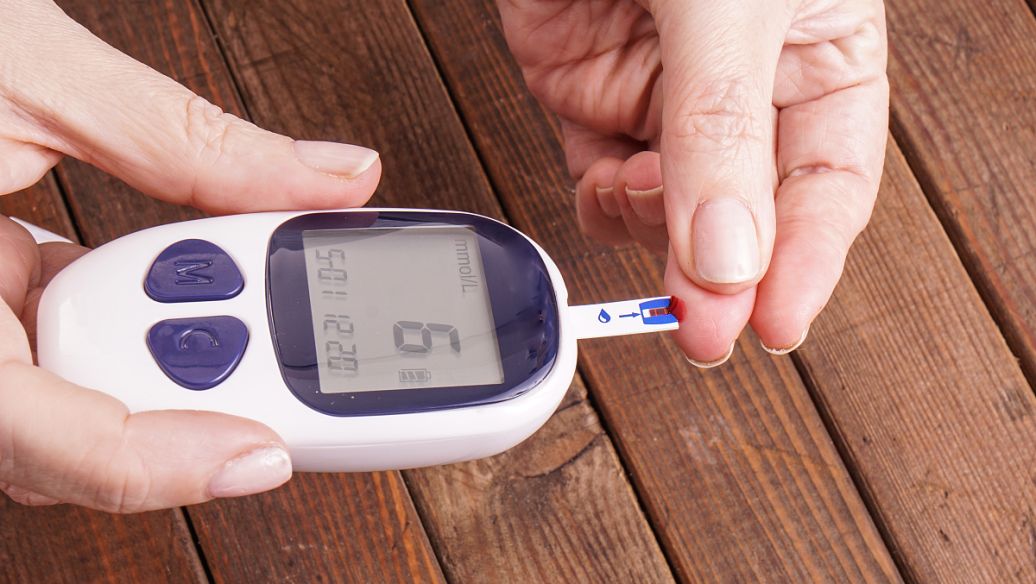
Modify it on the surface of glucose oxidase (GOx) to construct a glucose sensor. Glucose oxidase is an enzyme that catalyzes the oxidation of glucose to produce hydrogen peroxide (H ₂ O ₂) and plays a critical role in glucose detection. GOx catalyzes the oxidation of glucose to generate H ₂ O ₂, which reacts with the substance to cause fluorescence quenching. Real time monitoring of glucose concentration can be achieved by monitoring changes in the fluorescence signal.
Fluorescence quenching refers to the phenomenon where the fluorescence intensity of a fluorescent substance decreases. When H2O2 reacts with GW-501516, it destroys the fluorescence structure and leads to a decrease in fluorescence intensity.
The sensor can be used for blood glucose management of diabetes patients, with high sensitivity and good selectivity. Patients with diabetes need to monitor their blood sugar level regularly to adjust the treatment plan.
Traditional blood glucose testing methods usually require the collection of blood samples, which brings certain pain and inconvenience to patients.


And this substance based glucose sensor can achieve non-invasive or minimally invasive detection, improving the quality of life of patients. For example, injecting nanoparticles loaded with the substance and GOx into subcutaneous tissue can achieve continuous monitoring of blood glucose levels through external fluorescence detection equipment. This continuous monitoring mode can timely reflect the dynamic changes of blood glucose, and provide more accurate information for the treatment of diabetes.
Other potential applications
Although studies have shown that it may lead to impaired bone formation, under specific conditions, it may also have a positive impact on bone tissue engineering. The goal of bone tissue engineering is to construct functional bone structures that can replace damaged bone tissue, which requires promoting the proliferation and differentiation of bone cells while inhibiting the activity of osteoclasts. By adjusting the dosage and usage of this substance, it may promote the proliferation and differentiation of bone cells. For example, low-dose GW-501516 powder may activate the PPAR δ signaling pathway, regulate the expression of bone metabolism related genes, and promote the growth and maturation of bone cells.


Meanwhile, its anti-inflammatory effect also helps to alleviate the inflammatory response after bone injury and promote smooth repair of bone tissue. After bone injury, the inflammatory response releases a large amount of inflammatory factors, which inhibit the activity of bone cells, promote the formation and activation of osteoclasts, and lead to increased bone resorption. By inhibiting the inflammatory response and reducing the release of inflammatory factors, a favorable microenvironment is created for the growth and repair of bone cells. For example, in animal bone defect models, treatment with appropriate doses significantly increases bone formation at the defect site and accelerates bone healing.
2. Neural tissue engineering
The protective effect on nerve cells also provides the possibility for its application in neural tissue engineering. Neural tissue engineering aims to repair damaged neural tissue and restore neural function. After being damaged, nerve cells are prone to apoptosis, leading to the loss of nerve function. Research has shown that activation of PPAR δ can inhibit neuronal apoptosis and promote the growth and extension of nerve axons. The PPAR δ signaling pathway plays an important role in the survival and differentiation of nerve cells, and activation of this pathway can regulate the expression of a series of genes related to nerve cell protection and repair.


Introducing GW-501516 into neural tissue engineering scaffolds may aid in the repair and regeneration of nerve injuries. For example, combining this substance with nerve conduits can promote regeneration and functional recovery after peripheral nerve injury. Neural conduit is a biomaterial that can guide the growth of nerve axons. Loading it into the neural conduit can provide a favorable microenvironment for the growth of nerve cells. Animal experiments have shown that using nerve conduits loaded with this substance to treat peripheral nerve injuries can significantly improve the quality and speed of nerve regeneration, and enhance nerve function.
Technological Challenges and Future Directions
Multi modal functionalization: Combine GW-501516 with photothermal materials, magnetic nanoparticles, etc. to develop a "diagnosis and treatment integration" polymer system. For example, by combining it with photothermal materials, its biological activity can be utilized for disease treatment, and the thermal effect of photothermal materials can be utilized for tumor photothermal therapy, achieving a synergistic therapeutic effect. At the same time, the introduction of magnetic nanoparticles can also achieve magnetic targeted control of materials, improving the accuracy of treatment.


Artificial intelligence assisted design: Using machine learning algorithms to screen and analyze a large amount of chemical structure and biological activity data, predict the compatibility and biological activity of different derivatives with polymer matrices. This can quickly screen out derivatives with excellent performance, optimize their combination with polymer matrix, and improve the development efficiency and quality of functional polymer materials.
Artificial intelligence assisted design: Using machine learning algorithms to screen and analyze a large amount of chemical structure and biological activity data, predict the compatibility and biological activity of different derivatives with polymer matrices.
This can quickly screen out derivatives with excellent performance, optimize their combination with polymer matrix, and improve the development efficiency and quality of functional polymer materials.
3D printing technology integration: By using 3D printing technologies such as photopolymerization or melt deposition molding, functional scaffolds or devices containing GW-501516 powder can be directly printed. 3D printing technology can precisely control the shape and structure of materials according to actual needs, achieving personalized customization. By combining it with 3D printing technology, it is possible to prepare biomedical scaffolds, intelligent sensors, etc. with complex structures and specific functions, opening up new avenues for the application of functional polymer materials.

With its unique molecular properties and biological activity, it is showing broad application prospects in the field of functional polymers. From biomedicine to environmental governance, from energy conversion to intelligent sensing, their innovative applications not only endow traditional polymer materials with new functions, but also provide new ideas and methods for solving major problems such as human health, energy, and the environment.
Hot Tags: gw-501516 powder, suppliers, manufacturers, factory, wholesale, buy, price, bulk, for sale, Chenodeoxycholic Acid CDCA CAS 474 25 9, tofacitinib powder, Methylergonovine Maleate Salt CAS 57432 61 8, 4 BROMO 1 BUTYNE CAS 38771 21 0, Paliperidone powder, D Pantothenic Acid Hemicalcium Salt CAS 137 08 6