




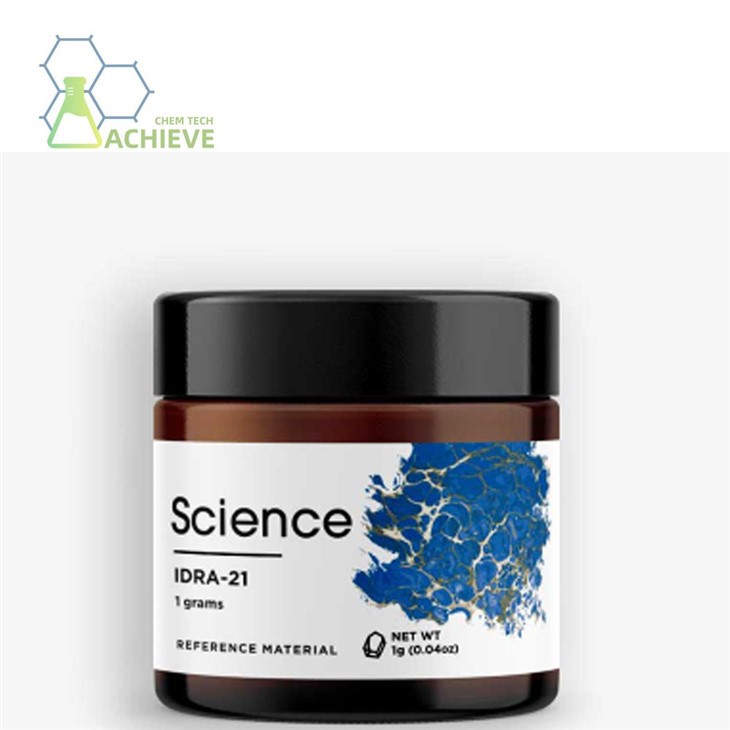


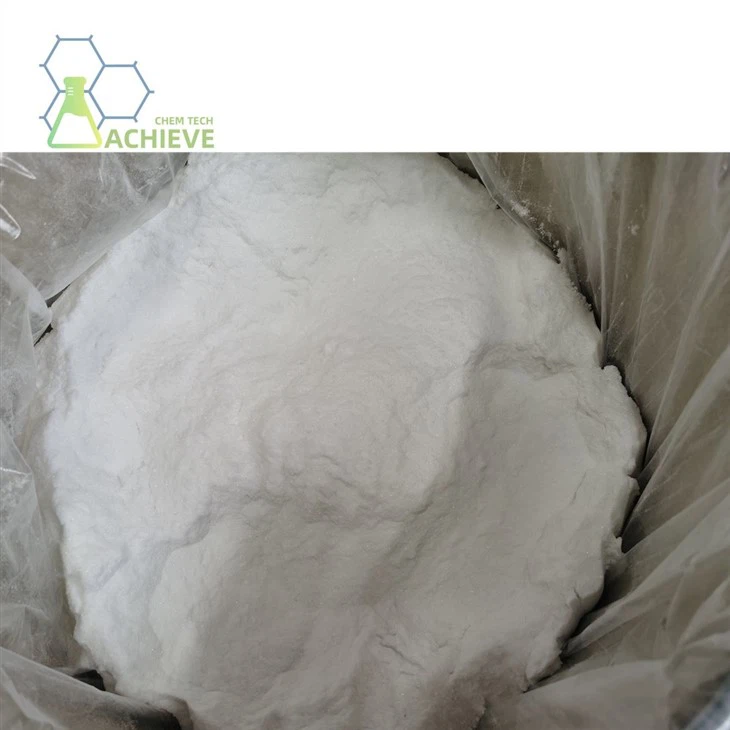
Shaanxi BLOOM Tech Co., Ltd. is one of the most experienced manufacturers and suppliers of idra 21 powder in China. Welcome to wholesale bulk high quality idra 21 powder for sale here from our factory. Good service and reasonable price are available.
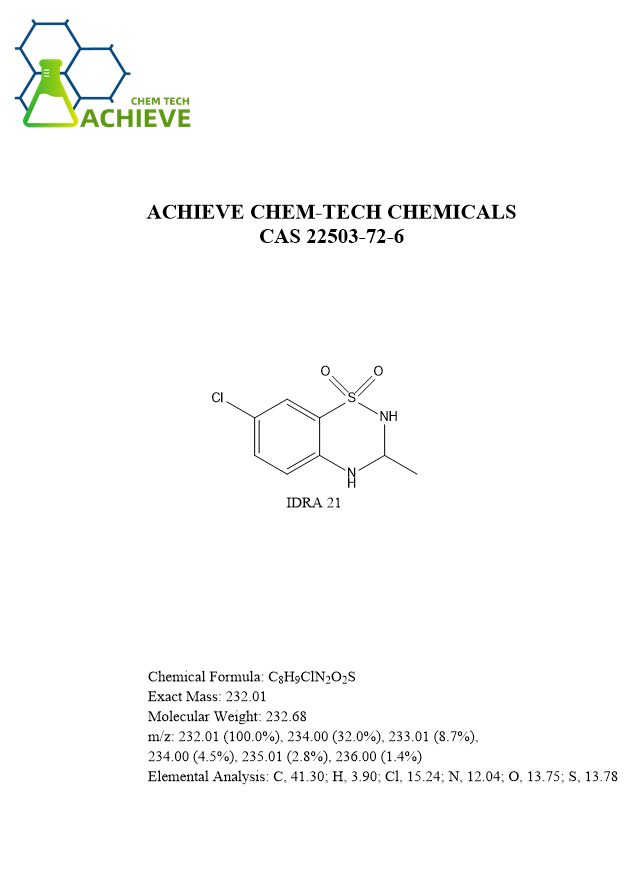
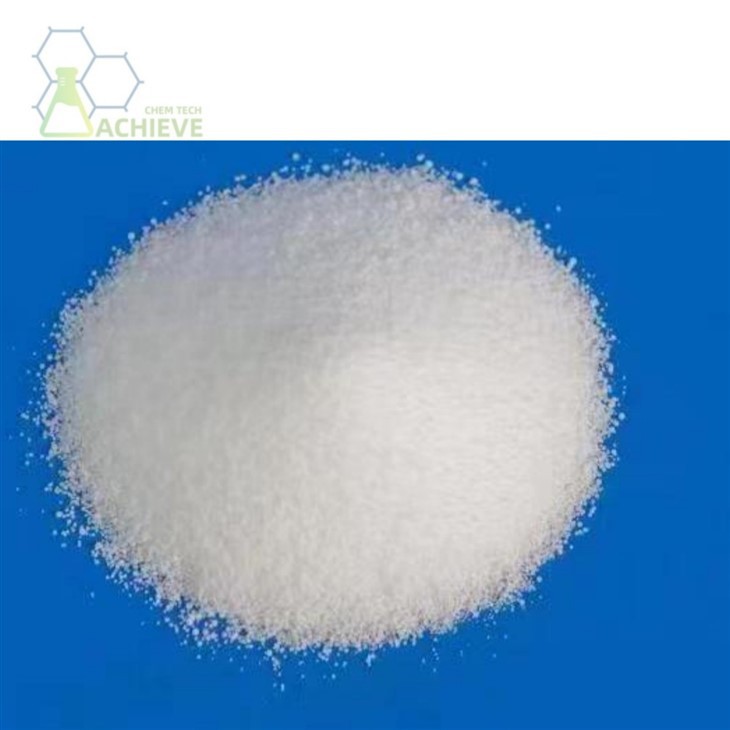
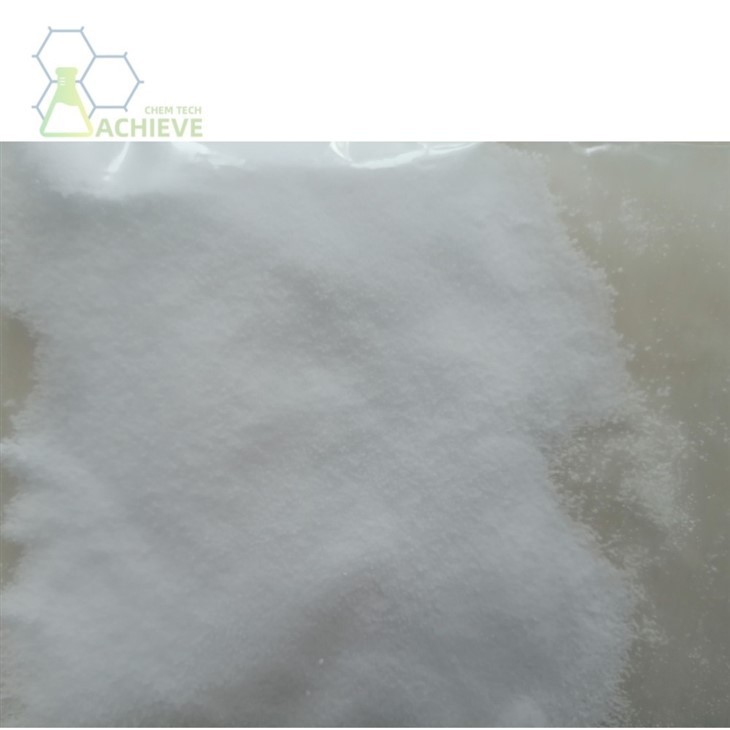
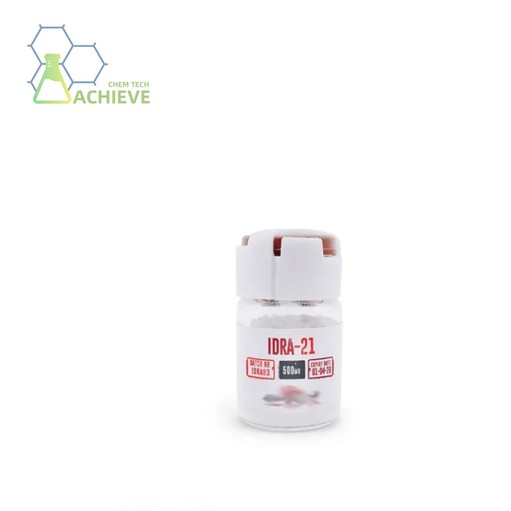
Idra 21 powder (AMPAKINE) is a white crystalline powder with the chemical name 7-chloro-3-methyl-3,4-dihydro-2H-1,2,4-benzothiazine-1,1-dioxide. It appears as a white to off white crystalline powder, with no significant odor. It is soluble in organic solvents such as DMSO and ethanol, with a solubility of 250 mg/mL (1074.39 mM) in DMSO and slightly soluble in water (0.93 g/L, 25 ℃). It can be stored for 3 years in powder state at -20 ℃; Store at 4 ℃ for 2 years;Store in solvent state at -80 ℃ for 6 months; -Store at 20 ℃ for one month.
 |
 |
IDRA-21 is a positive allosteric modulator (PAM) of AMPA receptors, which enhances the binding stability of glutamate (Glu) to AMPA receptors, prolongs receptor activation time, and thus enhances excitatory synaptic transmission. In animal experiments, IDRA-21 significantly improved the accuracy of delayed sample matching task (DMTS) in young and elderly rhesus monkeys. The effect lasted for 48 hours after a single administration, and after three weeks of intermittent administration (3 days/time), the task accuracy increased by 34% compared to the control group. The cognitive improvement effect on elderly monkeys is relatively weak, but individual sensitivity is higher. It may reduce neuronal damage by regulating the glutamatergic system, but the specific mechanism still needs further research.

| Product Name | Idra 21 Powder | Idra 21 Capsules |
| Product Type | Powder | Capsules |
| Product Purity | ≥99% | ≥99% |
| Product Specifications | 100g/1kg/etc. | 5mg/25mg/50mg |
| Product Form | Organic synthesis | Take Orally |
Idra 21 COA
 |
||
| Certificate of Analysis | ||
| Compound name | Idra 21 | |
| Grade | Pharmaceutical grade | |
| CAS No. | 22503-72-6 | |
| Quantity | Customized | |
| Packaging standard | Customized | |
| Manufacturer | Shaanxi BLOOM TECH Co., Ltd | |
| Lot No. | 202601090088 | |
| MFG | Jan 9th 2026 | |
| EXP | Jan 8th 2029 | |
| Structure |
|
|
| Item | Enterprise standard | Analysis result |
| Appearance | White or almost white powder | Conformed |
| Water content | ≤5.0% | 0.84% |
| Loss on drying | ≤1.0% | 0.37% |
| Heavy Metals | Pb≤0.5ppm | N.D. |
| As≤0.5ppm | N.D. | |
| Hg≤0.5ppm | N.D. | |
| Cd≤0.5ppm | N.D. | |
| Purity (HPLC) | ≥99.0% | 99.80% |
| Single impurity | <0.8% | 0.68% |
| Total microbial count | ≤750cfu/g | 89 |
| E. Coli | ≤2MPN/g | N.D. |
| Salmonella | N.D. | N.D. |
| Ethanol (by GC) | ≤5000ppm | 530ppm |
| Storage | Store in a sealed, dark, and dry place below -20°C | |
|
|
||
|
|
||


| Chemical Formula | C8H9ClN2O2S |
| Exact Mass | 232.01 |
| Molecular Weight | 232.68 |
| m/z | 232.01 (100.0%), 234.00 (32.0%), 233.01 (8.7%), 234.00 (4.5%), 235.01 (2.8%), 236.00 (1.4%) |
| Elemental Analysis | C, 41.30; H, 3.90; Cl, 15.24; N, 12.04; O, 13.75; S, 13.78 |
Idra 21 Powder, as a highly selective AMPA receptor conformational modulator, has demonstrated unique value in cognitive function improvement, neuroscience research, and potential disease treatment by inhibiting receptor desensitization and enhancing excitatory synaptic transmission. Its use has extended from laboratory tools to preclinical exploration, but further optimization of dosage regimens, evaluation of long-term safety, and clear indication positioning are needed to promote its translation from scientific research to clinical practice.

As a positive allosteric modulator of AMPA receptors (PAM)
The core use of Idra-21 Powder is as a positive allosteric modulator of AMPA receptors, which enhances glutamate (Glu) - mediated excitatory synaptic transmission by inhibiting the rapid desensitization process of AMPA receptors, prolonging receptor activation time. This mechanism has significant value in neuroscience research, exploration of cognitive impairment treatment, and neuroprotection.
AMPA receptor is a type of ionotropic glutamate receptor (iGluR) that mediates approximately 70% of rapid excitatory synaptic transmission in the brain. Under continuous glutamate stimulation, AMPA receptors are prone to desensitization, leading to channel closure and signal interruption.


Idra-21 inhibits desensitization by binding to the allosteric site of AMPA receptors, allowing the receptors to remain open for longer periods of time in the presence of glutamate, thereby enhancing the decay time of postsynaptic currents. For example, in vitro hippocampal neuron experiments, Idra-21 (1-300 μ M) significantly prolonged the duration of excitatory postsynaptic current (EPSC) and improved neural transmission efficiency.
Compared to early AMPA modulators such as cyclothiazide, Idra-21 has stronger blood-brain barrier penetration ability, higher oral bioavailability, and lower neurotoxicity. Animal experiments have shown that Idra-21 causes almost no neuronal death at effective doses (0.15-10 mg/kg), while high-dose cyclosporine may induce hippocampal neuronal apoptosis.


Cognitive function improvement: from animal experiments to preclinical studies
The research of Idra-21 in the field of cognitive impairment is one of its core applications, especially in models of age-related cognitive decline, drug-induced cognitive impairment, etc. It has shown significant effects. Young rhesus monkeys:
Oral administration of Idra-21 (0.15-10 mg/kg, once every three days, for 3 weeks) can significantly improve the accuracy of DMTS tasks, especially in the long delay (most difficult) experiment, where the task accuracy increased by 34% compared to the control group.


After a single administration, the effect lasted for 48 hours, and after three weeks of intermittent administration, the cognitive improvement effect remained stable. Elderly rhesus monkeys: Although Idra-21 (within the same dosage range) can improve task accuracy, its effect is weaker than that of young individuals, and elderly monkeys are more sensitive to drug dosage, resulting in shorter task latency.
Cognitive function improvement: from animal experiments to preclinical studies
This indicates that Idra-21 has the potential to intervene in age-related cognitive decline, but individualized dose adjustments are needed. In an adult rat model of global cerebral ischemia, Idra-21 (6-24 mg/kg, gavage, single dose) can increase ischemia induced G41 neuron damage, suggesting its potential neuroprotective role in ischemic injury.


However, high doses (300 μ M, 30 minutes) may induce hippocampal neuron death in vitro experiments, and the dosage range needs to be strictly controlled. Compared to classical cognitive enhancers such as amphetamines, Idra-21 has a longer duration of action. The improvement effect of amphetamines in the DMTS task of rhesus monkeys only lasts for 2-4 hours, while the effect of Idra-21 continues for 48 hours after a single dose, reducing the need for frequent administration and improving treatment compliance.
Neuroscience research tools: mechanism exploration and target validation
Idra 21 Powder, as a highly selective AMPA receptor PAM, is widely used in basic neuroscience research to help reveal the mechanism of glutamatergic system in synaptic plasticity, learning and memory. AMPA receptors are key mediators of long-term potentiation (LTP) and long-term inhibition (LTD).


Idra-21 can enhance LTP induction efficiency by prolonging AMPA receptor activation time, providing a tool for studying synaptic plasticity. For example, in hippocampal slice experiments, Idra-21 significantly increased the amplitude of LTP induced by high-frequency stimulation, revealing the core role of AMPA receptor desensitization in synaptic plasticity regulation.
The binding of Idra-21 to AMPA receptors does not directly activate the receptors, but enhances the effect of glutamate through allosteric regulation, avoiding excitotoxicity caused by overactivation. This characteristic makes it an ideal tool for studying the signaling pathways of the glutamatergic system, which can distinguish the physiological differences between direct activation and allosteric regulation.


From rodents (rats, mice) to non-human primates (rhesus monkeys), Idra-21 has shown consistent cognitive improvement effects in various animal models, verifying the conservation of its mechanism of action. This provides cross species evidence support for the translation from basic research to clinical practice.
Exploring potential therapeutic areas: from cognitive impairment to neurodegenerative diseases
Based on its cognitive enhancement and neuroprotective effects, Idra-21 has potential application value in the treatment of the following diseases, but further clinical validation is needed: decreased expression of AMPA receptors in the hippocampus and impaired synaptic plasticity in AD patients.


Idra-21 may improve cognitive symptoms in AD patients by enhancing AMPA receptor function. Animal experiments have shown that Idra-21 can reverse spatial memory deficits in AD model mice, but the distribution of target tissues after penetrating the blood-brain barrier needs to be addressed.
Schizophrenia patients have deficits in working memory and cognitive flexibility, which are associated with insufficient glutamate transmission in the prefrontal cortex. Idra-21 may improve cognitive symptoms by enhancing AMPA receptor function in the prefrontal cortex. Preclinical studies have shown that Idra-21 can enhance working memory performance in schizophrenia model rats, but its interaction with antipsychotic drugs needs to be evaluated.


The neuroprotective effect of Idra-21 in a global cerebral ischemia model suggests its potential use in the treatment of acute stroke. The mechanism may be related to the inhibition of excitotoxicity caused by excessive activation of AMPA receptors, but it is necessary to balance its neuroprotection with potential neurotoxicity risks.
Future prospects: the transformation path from laboratory to clinical practice
The use of Idra 21 Powder has expanded from basic research to potential therapeutic fields, but its clinical translation still needs to overcome the following bottlenecks:
Long term safety assessment
At present, research mainly focuses on short-term (≤ 3 weeks) safety, and long-term toxicity experiments are needed to evaluate their potential effects on the reproductive system, immune system, and organ function.
Pharmacokinetic optimization


Although Idra-21 has high oral bioavailability, its half-life is relatively short (about 4-6 hours), requiring the development of sustained-release formulations or combination therapy strategies to extend the duration of action.
Accurate positioning of clinical indications
Based on its dual effects of cognitive enhancement and neuroprotection, Idra-21 may be more suitable for early-stage AD, vascular cognitive impairment, and other diseases with synaptic dysfunction as the core, rather than late stage neurodegenerative disorders.

IDRA 21 (7-chloro-3-methyl-3,4-dihydro-2H-1,2,4-benzothiadiazine 1,1-dioxide, CAS 22503-72-6) is a benzothiadiazine dioxide derivative supplied as off-white crystalline powder for laboratory research.
Its standard laboratory synthetic route employs 2-amino-5-chlorobenzenesulfonamide as the core starting raw material, with acetaldehyde as the carbonyl cyclization partner, using ethanol as a mild polar reaction medium.
The cyclization step dominates the synthesis workflow. The sulfonamide precursor is suspended in anhydrous ethanol, followed by slow addition of stoichiometric acetaldehyde under gentle heating with stirring.
Weak acidic catalysis facilitates imine intermediate formation between the aromatic amine and acetaldehyde, which then undergoes intramolecular condensation with the sulfonamide nitrogen to construct the six-membered benzothiadiazine heterocycle.
Reaction progress is tracked by thin-layer chromatography to prevent over-condensation byproducts.Once cyclization completes, the mixture is cooled to ambient temperature to trigger crude solid precipitation.
Crude IDRA 21 solids are filtered and repeatedly recrystallized from hot dilute ethanol to eliminate unreacted sulfonamide and oligomeric impurities.
Final crystalline solids are vacuum-dried under low temperature to avoid thermal degradation, yielding free-flowing the powder.Key synthetic challenges involve controlling cyclization pH to suppress side sulfonamide cross-linking and rigorous drying to retain powder stability. Post-purification characterization via HPLC and NMR confirms ≥98% purity research-grade powder.
FAQ
What are the benefits of IDRA 21?
+
-
Enhances long term potentiation and inhibits AMPA receptor desensitization. Increases excitatory synaptic strength. Displays positive effects on cognition in several animal models. Blood brain barrier permeable.
What is the mechanism of action of IDRA 21?
+
-
IDRA 21 is a positive allosteric modulator of glutamate AMPA receptors. It increases excitatory synaptic strength by attenuating rapid desensitization of AMPA receptors and may thus have beneficial therapeutic effects to ameliorate memory deficits in patients with cognitive impairments, including AD.
What is the mechanism of action of Aniracetam?
+
-
Aniracetam has been found to increase the levels of dopamine and serotonin in certain brain regions, which may help alleviate symptoms of anxiety and depression. This modulation of mood-related neurotransmitters adds another layer to the cognitive-enhancing effects of Aniracetam..
Hot Tags: idra 21 powder, suppliers, manufacturers, factory, wholesale, buy, price, bulk, for sale, Phenothiazine Powder, Articaine Hcl powder, 6 methylergoline 8beta carboxylic Acid CAS 5878 43 3, Camptothecin Powder CAS 7689 03 4, Ethacridine Lactate Monohydrate CAS 6402 23 9, tetracaine hcl powder