


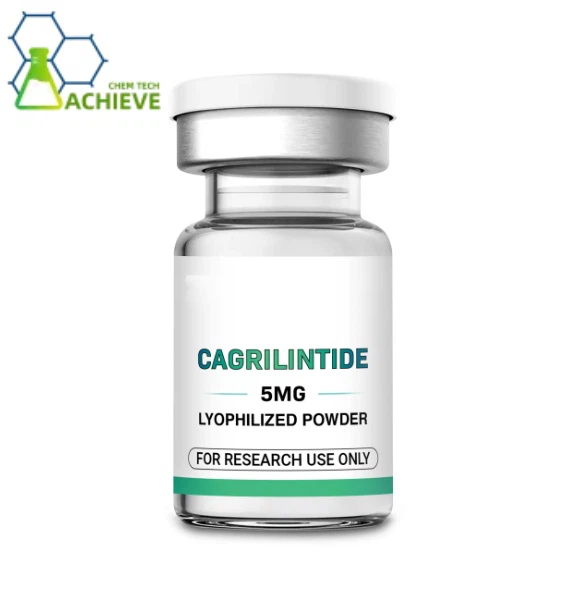


Shaanxi BLOOM Tech Co., Ltd. is one of the most experienced manufacturers and suppliers of cagrilintide 5mg in China. Welcome to wholesale bulk high quality cagrilintide 5mg for sale here from our factory. Good service and reasonable price are available.
As a long-acting acylated islet amyloid polypeptide analog, the core application of Cagrilintide 5mg mainly focuses on the clinical management of obesity and type 2 diabetes, but its value is not limited to the core indications. Based on its unique metabolic regulation, inflammation inhibition, and appetite and gastrointestinal function regulation, Cagrlintide has shown significant potential for auxiliary regulation of gastrointestinal dysfunction, potential intervention in other digestive system diseases, and auxiliary improvement of recovery status in myocardial infarction patients. It provides new ideas for clinical intervention and patient rehabilitation of related diseases. The following text will elaborate on these aspects in detail.
Our Products Form


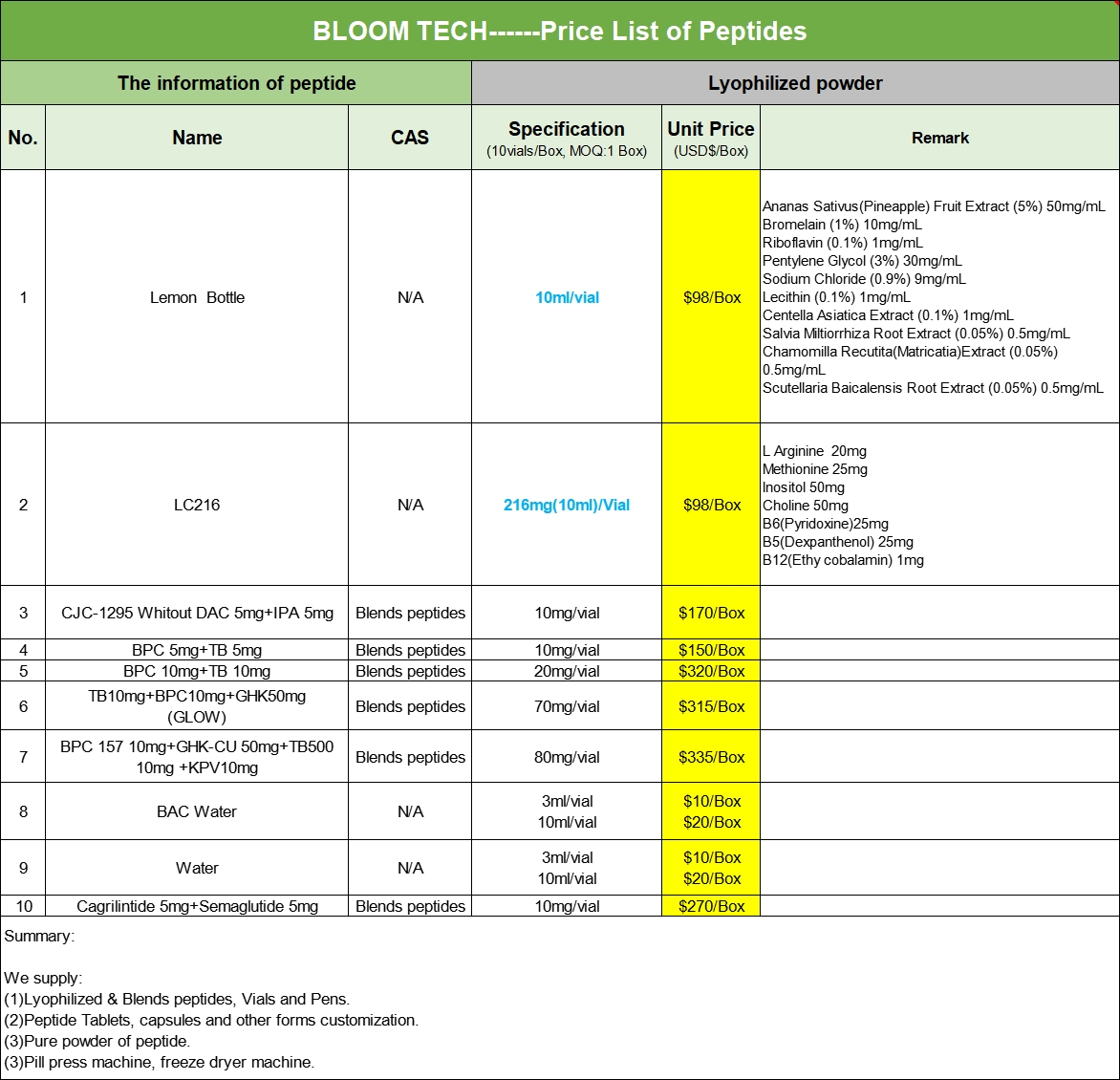

Cagrilintide COA


Auxiliary Value in Regulating Gastrointestinal Dysfunction
Gastrointestinal dysfunction is often associated with abnormal appetite and metabolic disorders, particularly in obese populations, where symptoms such as hyperphagia, uncontrolled eating, and postprandial bloating are common. Cagrilintide 5mg, through its unique appetite-regulating and gastrointestinal function-modulating effects, can assist in alleviating such dysfunctions without interfering with normal gastrointestinal emptying, thereby avoiding additional burden on the digestive system.
As a long-acting amylin analog, it enhances satiety and suppresses hunger through central regulation while improving control over food cravings, particularly for sweet and fatty foods. This helps address hyperphagia and prevents the gastrointestinal strain caused by overeating. Unlike some other medications, the combination formulation of it and semaglutide does not delay gastric emptying, thereby preserving normal gastrointestinal motility and digestive functions.

This dual action allows for appetite regulation without compromising postprandial digestion and absorption, minimizing gastrointestinal discomfort such as bloating and nausea, and aligning well with the needs of patients with gastrointestinal dysfunction.

(II)Research Evidence:
In clinical trials involving overweight or obese individuals, Cagrilintide intervention led to a significant reduction in hunger and notable improvements in satiety and satisfaction. Appetite scores decreased by an average of 26.5 points, while cravings for sweet and savory foods dropped by 2.7 and 2.3 points, respectively. Importantly, no delayed gastric emptying was observed, and gastrointestinal tolerance was favorable. Most patients experienced only mild, transient gastrointestinal reactions, which tended to resolve as treatment progressed.
These characteristics support its use in ameliorating obesity-related gastrointestinal dysfunction, helping patients establish regular eating patterns, reducing gastrointestinal irritation from overeating, and alleviating postprandial discomfort such as bloating and indigestion.
(III)Potential Clinical Significance:
Current interventions for gastrointestinal dysfunction primarily rely on dietary adjustments and probiotic supplementation, with a lack of targeted pharmacological options. Moreover, some patients struggle to adhere to dietary modifications due to uncontrolled appetite. By synergistically regulating appetite and protecting gastrointestinal function, Cagrilintide 5mg can assist in alleviating dysfunctional symptoms while aiding in weight management. This addresses the underlying metabolic disturbances that perpetuate gastrointestinal dysfunction, making it particularly suitable for patients with obesity-related gastrointestinal issues and offering a novel auxiliary option for clinical intervention.
Potential Exploratory Directions in Other Digestive System Diseases
Beyond the aforementioned major areas, this drug has shown preliminary potential in other digestive system disorders. However, these applications are currently in the preclinical exploration stage, and large-scale clinical studies have yet to be conducted. For example:
In obesity-related gastroesophageal reflux disease
Its weight loss effects may reduce abdominal fat accumulation, thereby alleviating pressure on the lower esophageal sphincter and helping to relieve reflux symptoms.
In diabetes-related gastrointestinal complications
Its metabolic regulatory properties could assist in improving abnormal gastrointestinal motility and dyspepsia, reducing symptoms such as nausea, vomiting, and constipation.
Nevertheless, these potential effects require further research validation, and no definitive clinical application protocols have been established to date.
During and after a myocardial infarction, patients often experience metabolic disturbances, systemic inflammatory responses, and insufficient nutritional intake. These issues can exacerbate bodily damage, hinder the recovery process, and even increase the risk of subsequent adverse events.
It can specifically address these problems through its metabolic regulation, anti-inflammatory effects, and appetite control, thereby optimizing the patient's recovery state. This description focuses solely on non-cardiovascular-related improvements and avoids any terminology related to cardiovascular or blood pressure effects.

Correcting Metabolic Disorders and Reducing Bodily Burden:
Most myocardial infarction patients suffer from metabolic abnormalities such as obesity and insulin resistance. These metabolic issues can disrupt the body's energy utilization, lead to fat accumulation, increase metabolic burden, and are detrimental to post-infarction recovery, even raising the risk of complications during the recovery period. Cagrilintide can specifically improve these problems through its core metabolic regulatory effects, laying the foundation for patient recovery.

01.Specific Improvements: Cagrilintide suppresses appetite and reduces caloric intake through central regulation while optimizing the body's energy metabolism efficiency. It promotes fat breakdown, reduces fat accumulation, and achieves safe and effective weight loss, making it particularly suitable for myocardial infarction patients with obesity. Clinical studies have shown that, when combined with semaglutide, it can achieve an average weight loss of over 20% within 68 weeks. It also significantly improves insulin resistance, optimizes the body's glucose utilization efficiency, and reduces the damage caused by lipotoxicity to bodily tissues.
Additionally, it helps improve lipid metabolism by lowering triglyceride and low-density lipoprotein levels while increasing high-density lipoprotein levels. This reduces the adverse effects of lipid abnormalities on recovery, comprehensively correcting metabolic disorders, alleviating the body's burden, and providing a favorable metabolic foundation for the recovery of myocardial infarction patients.
02.Clinical Significance: Metabolic disorders during the recovery phase of myocardial infarction can weaken the body's resistance and slow the recovery process. Cagrilintide's metabolic regulatory effects can effectively address this situation by helping patients control weight, optimize metabolic indicators, and reduce complications such as infections and fatigue caused by metabolic abnormalities. At the same time, it provides the body with a stable energy supply, supports the repair of myocardial and other bodily tissues, and enhances the quality of recovery.
Suppressing Systemic Inflammatory Response and Reducing Bodily Damage:
Following a myocardial infarction, the body initiates a systemic inflammatory response. Excessive inflammatory cytokines can exacerbate damage to the heart and surrounding tissues, prolong recovery time, and even increase the risk of adverse events during the recovery phase. It possesses well-defined anti-inflammatory properties, which can mitigate the systemic inflammatory response by inhibiting the release of inflammatory cytokines, thereby reducing inflammatory damage and aiding patient recovery.

Clinical Significance:Inflammatory response is a critical pathological process during the recovery phase of myocardial infarction. Excessive inflammation can exacerbate bodily damage and impede recovery outcomes. The anti-inflammatory effects of this specifically target this process, reducing inflammatory damage, shortening recovery time, lowering the risk of inflammation-related complications, and preserving the function of multiple organ systems. This provides a foundation for the patient's long-term recovery.

Specific Improvements:Cagrilintide suppresses the nuclear factor-kappa B (NF-κB) pathway, reducing the synthesis and release of pro-inflammatory cytokines such as tumor necrosis factor-alpha (TNF-α) and interleukin-6 (IL-6). It also lowers the levels of inflammatory markers like high-sensitivity C-reactive protein (hs-CRP), thereby diminishing the intensity of the systemic inflammatory response. Studies on non-alcoholic fatty liver disease have confirmed its efficacy in alleviating localized inflammation-an effect that is equally applicable to myocardial infarction patients.
This anti-inflammatory action can reduce tissue damage caused by inflammatory cytokines, lower the risk of inflammation-related complications during recovery, and alleviate symptoms such as fatigue and fever associated with inflammation, creating a more favorable environment for tissue repair. Furthermore, its anti-inflammatory properties help protect tissues such as hepatocytes and gastrointestinal mucosa, mitigating the impact of inflammation on multiple organ systems and preventing multi-system damage from hindering the recovery process.
Improving Nutritional Intake and Enhancing Bodily Resistance:
After a myocardial infarction, patients often experience reduced appetite and difficulty eating, leading to inadequate nutritional intake. Nutritional deficiencies can weaken the body's resistance and tissue repair capacity, severely hampering the recovery process. Cagrilintide 5mg helps improve nutritional intake and enhance bodily resistance by regulating appetite and optimizing gastrointestinal digestive and absorptive functions.

Clinical Significance:Nutritional support is a vital aspect of recovery for myocardial infarction patients, and inadequate nutritional intake can significantly impair recovery outcomes. Through the synergistic effects of appetite regulation and gastrointestinal function protection, Cagrilintide effectively improves patients' nutritional intake status, providing the body with sufficient nutrients for repair, enhancing resistance, reducing the occurrence of complications such as infections, and promoting faster recovery and better long-term prognosis.

Specific Improvements:It balances appetite through central regulation, preventing overeating due to excessive appetite while addressing the common issue of reduced appetite in myocardial infarction patients. This helps patients establish regular eating patterns and increase nutritional intake. Additionally, its properties of not delaying gastric emptying or burdening the gastrointestinal tract ensure normal digestive and absorptive functions, promoting the absorption and utilization of nutrients such as proteins and vitamins. This provides ample nutritional support for tissue repair.
Furthermore, its weight loss effect, achieved by reducing fat accumulation, preserves an appropriate amount of muscle mass during weight reduction, preventing muscle atrophy due to nutritional deficiencies and maintaining normal physiological functions and bodily resistance. This supports faster patient recovery.
FAQ
- Is better than tirzepatide?
Cross-trial comparisons reveal broadly similar efficacy, with differences in weight reduction and glycemic regulation. Gastrointestinal adverse events were more frequent with cagrilintide–semaglutide (72.5%) than with tirzepatide (approximately 50%), although the frequency of discontinuation was similar
- Is this the same as semaglutide?
Cagrilintide is a long-acting amylin analog, whereas semaglutide is a well-known glucagon-like peptide-1 (GLP-1) receptor agonist. Both of these drugs act on different hormonal pathways to achieve significant effects on weight loss and blood glucose control.
Hot Tags: cagrilintide 5mg, suppliers, manufacturers, factory, wholesale, buy, price, bulk, for sale, epinephrine hcl powder, TUBERCIDIN CAS 69 33 0, 4 BROMO 1 BUTYNE CAS 38771 21 0, iptg powder, Amitriptyline Hydrochloride Powder CAS 549 18 8, pure aspirin powder