


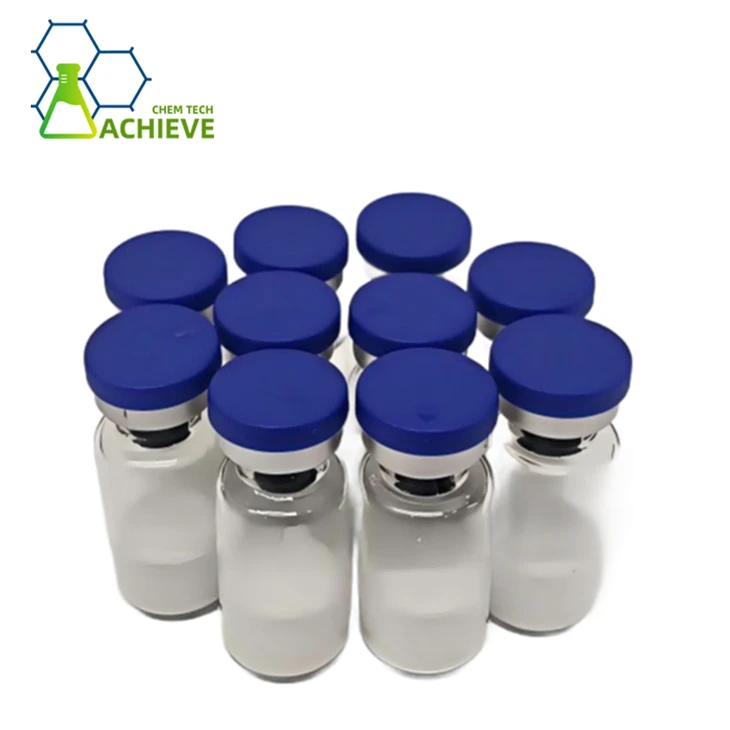


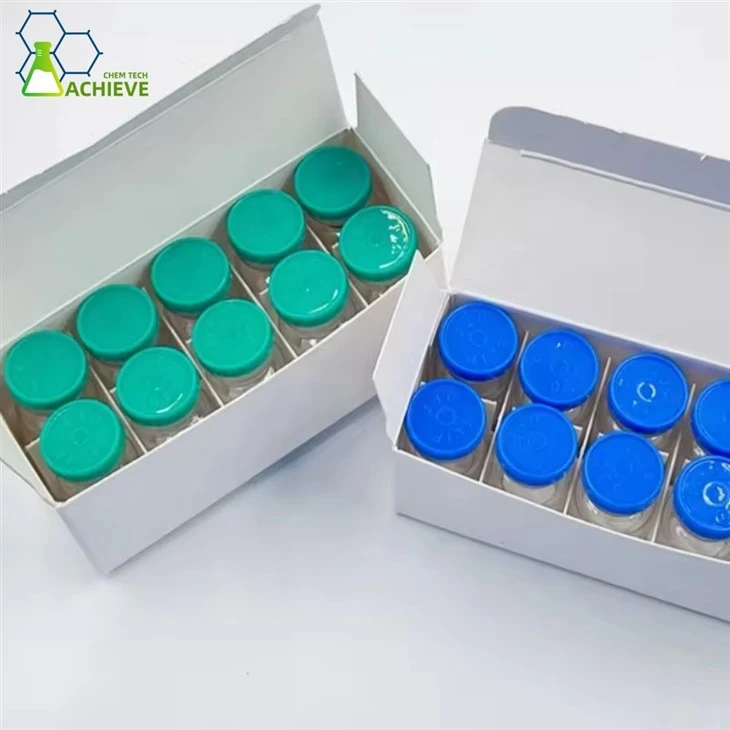

Shaanxi BLOOM Tech Co., Ltd. is one of the most experienced manufacturers and suppliers of hexapeptide-3 in China. Welcome to wholesale bulk high quality hexapeptide-3 for sale here from our factory. Good service and reasonable price are available.
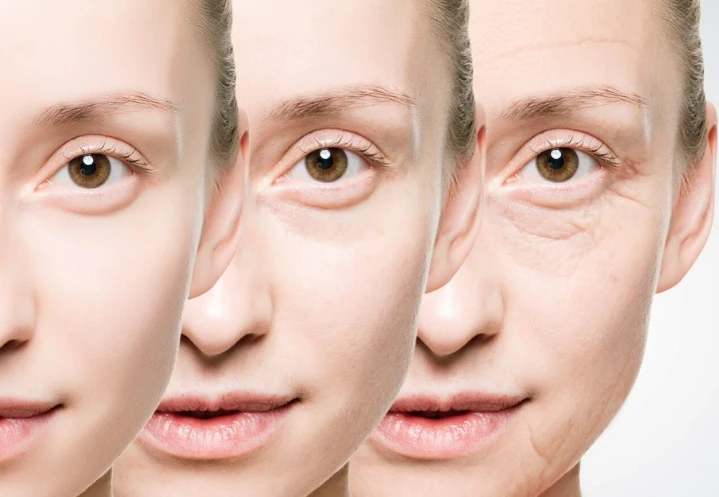
Hexapeptide-3 is a synthetic bioactive hexapeptide with the sequence H-Glu-Glu-Met-Gln-Arg-Arg-NH₂. It mimics the functional domain of fibronectin and acts as a skin-conditioning cosmetic ingredient. It promotes dermal cell adhesion, enhances extracellular matrix assembly, and supports skin repair and firming. It is widely formulated into topical skincare products including serums, emulsions, creams, masks, and lyophilized powders. In basic skin research, it serves as a tool for studying cell–matrix interaction and tissue remodeling; in commercial practice, it is a core anti-aging and repairing active for safe, non-irritating skincare formulations.
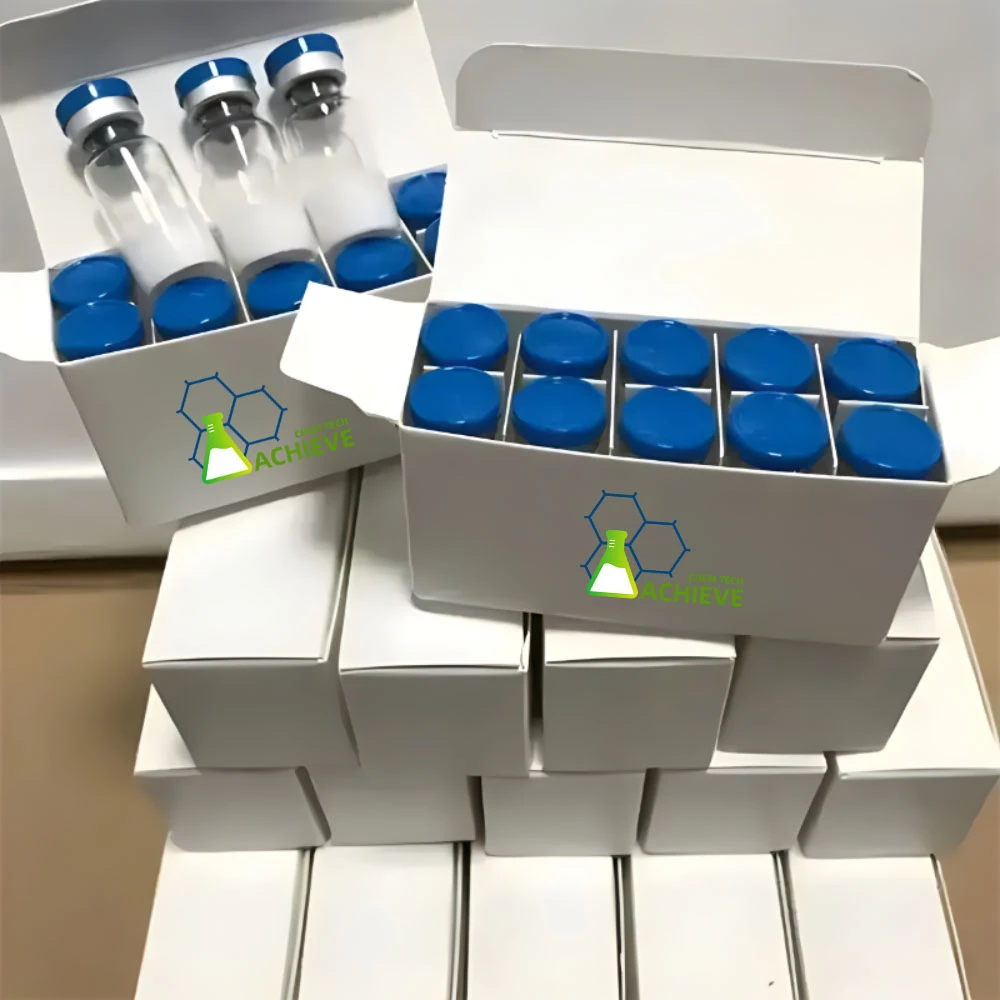
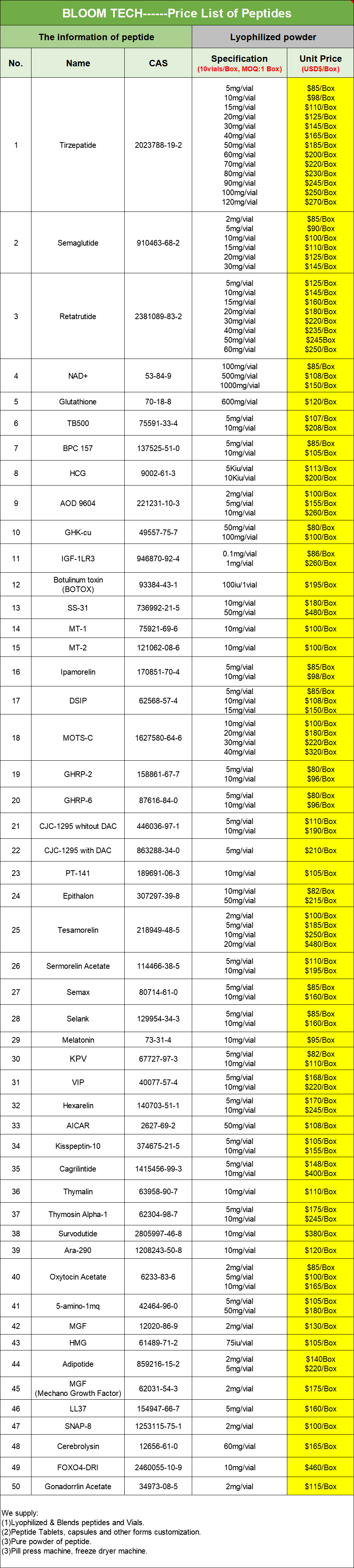
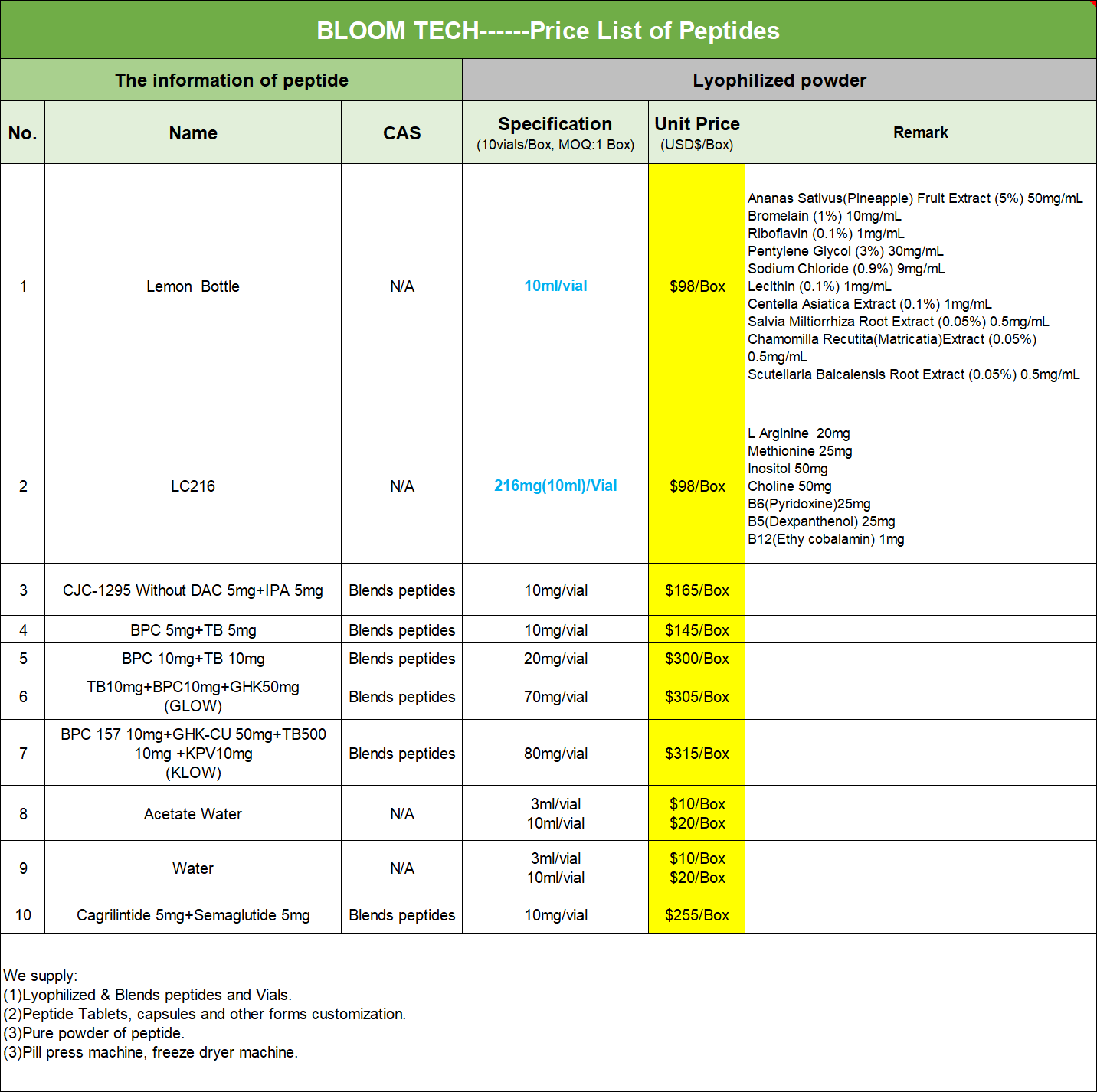
Our Products Form
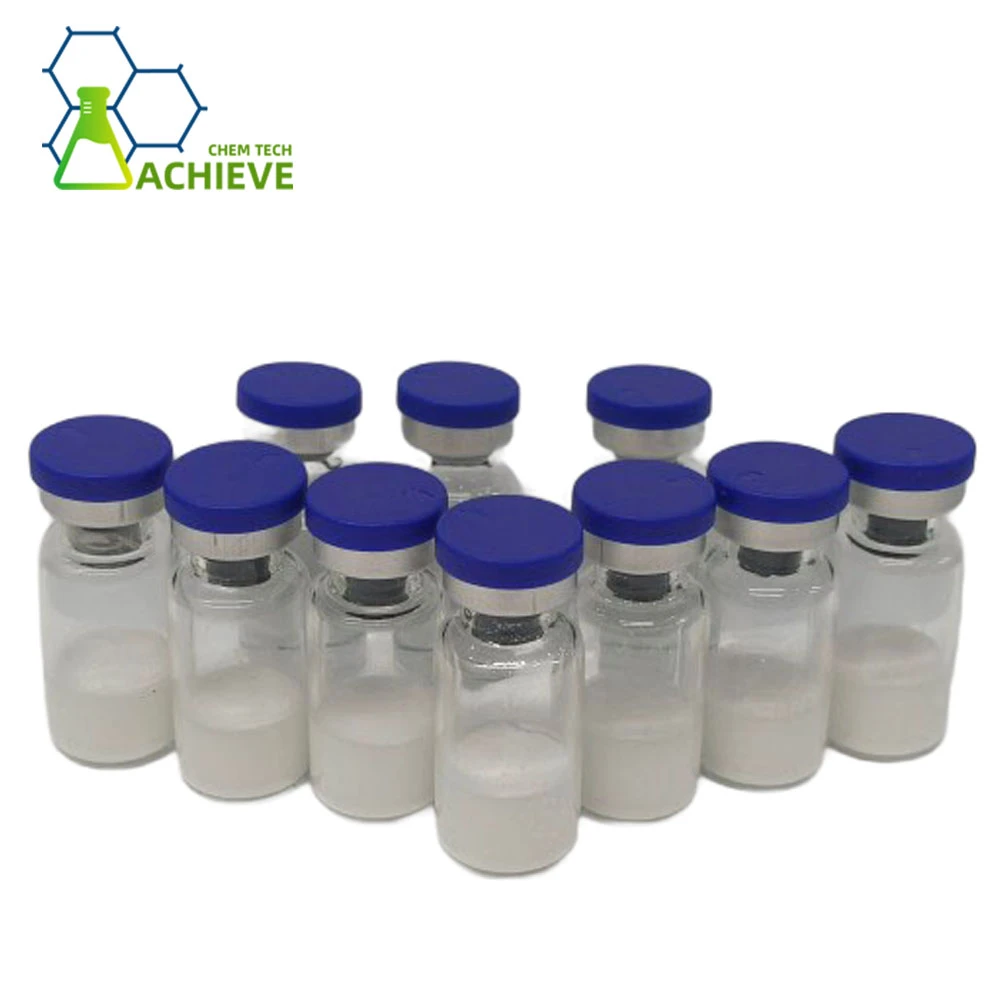
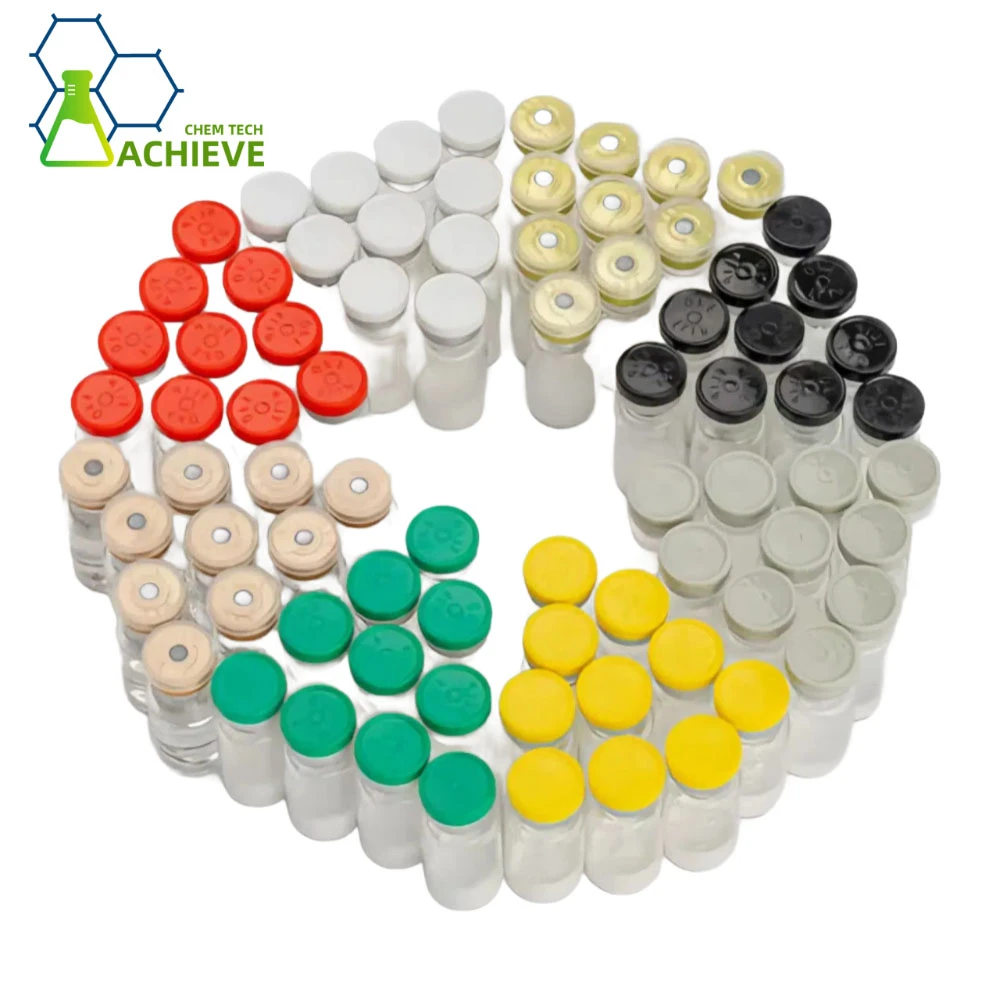

Hexapeptide-3 COA

Mechanism of Action
Fibronectin is a large extracellular-matrix glycoprotein that organizes provisional matrices and provides binding sites for cells, growth factors, and other matrix components. In skin repair, fibronectin supports cell adhesion, spreading, and migration and contributes to the transition from an early provisional matrix to a more mature extracellular matrix. These functions are mediated partly through integrins, especially receptors that connect extracellular ligands to the intracellular cytoskeleton.
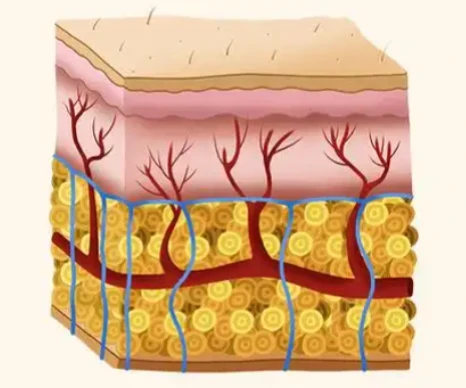
The biological importance of fibronectin does not mean that every short peptide described as fibronectin-mimetic reproduces the full activity of the native protein; rather, it provides a plausible design framework for small peptides intended to influence cell–matrix communication.
Hexapeptide-3 is marketed as a biomimetic peptide inspired by a functional region of fibronectin. Its proposed cosmetic mechanism is not muscle relaxation. Instead, it is described as supporting signals associated with cell adhesion, tissue organization, and extracellular-matrix renewal.
In practical terms, this means the ingredient is intended to improve the visible quality of skin by helping maintain a more coherent microenvironment around epidermal and dermal cells. Because direct, independently published receptor-binding studies for the commercial ingredient are limited, statements such as "activates integrins" should be written cautiously. A more defensible formulation is that hexapeptide-3 is designed to support integrin-related and matrix-related pathways consistent with fibronectin biology.


Cell Adhesion, Matrix Organization, and Repair Signaling
Integrins transmit information in both directions across the cell membrane. Ligand binding can influence cytoskeletal organization, cell shape, migration, survival, and gene expression, while intracellular forces can alter receptor affinity and matrix assembly. In healthy skin, these signaling networks help cells interpret mechanical and biochemical cues. During aging and environmental stress, matrix fragmentation and altered cell–matrix contacts can reduce the efficiency of these signals.
A matrix-mimetic cosmetic peptide is therefore conceptually useful not because it replaces fibronectin, but because it may provide a low-molecular-weight signal that complements normal maintenance processes. Manufacturer technical literature describes hexapeptide-3 as promoting extracellular-matrix protein synthesis and supporting genes associated with integrin expression. These findings provide a mechanistic hypothesis for smoother and better-conditioned skin,
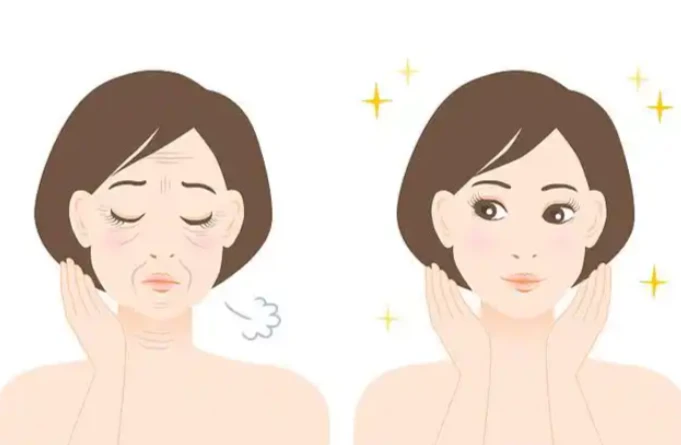
but they should be interpreted as ingredient-specific supplier data unless the underlying methods and full datasets are publicly available. The most appropriate cosmetic claim is consequently supportive rather than therapeutic: the ingredient may help optimize the appearance of skin texture, suppleness, and surface regularity when used in a well-designed formulation. It should not be described as treating wounds, reversing fibrosis, or regenerating damaged tissue in the medical sense.
Hydration, Smoothness, and the Appearance of Volume
The visible benefits associated with hexapeptide-3-hydration, smoothness, and a plumper appearance-are best understood as outcomes of the complete formulation rather than as isolated pharmacological effects. A peptide solution is normally delivered in a humectant-rich vehicle, and the final product may contain glycerin, glycols, hyaluronic acid, emollients, film formers, or occlusive agents.
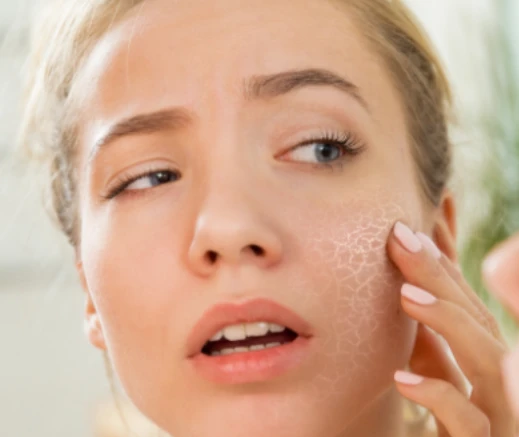
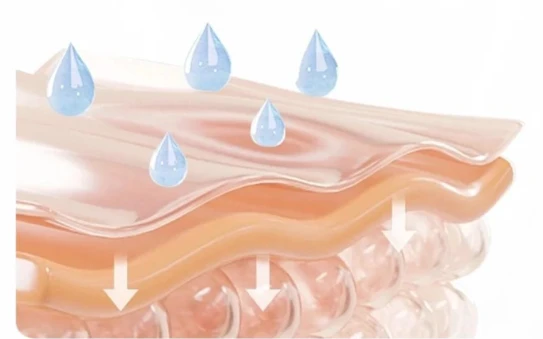
These materials can increase stratum-corneum water content and reduce surface roughness. Hexapeptide-3 is positioned as the biofunctional component that complements those immediate physicochemical effects by supporting longer-term skin-conditioning signals.
Lip products are a particularly relevant application because small changes in hydration,
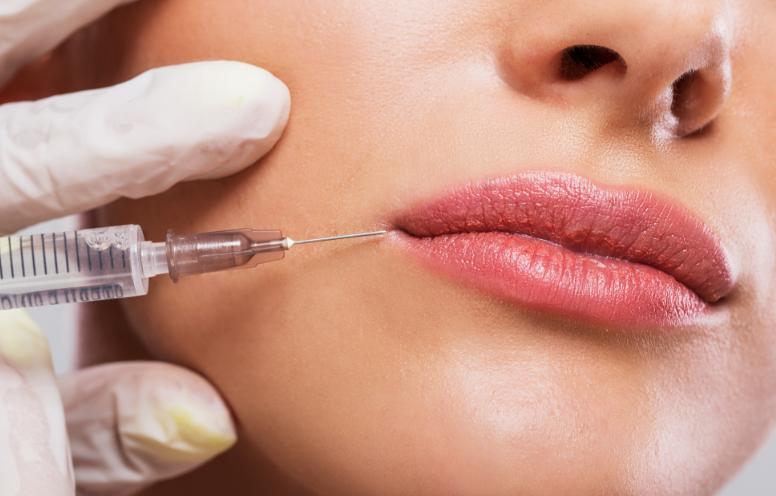
surface reflectance, and contour smoothness can noticeably alter the appearance of lip volume. Supplier literature reports a plumping, hydrating, and smoothing effect in lip-care applications. Such claims should be phrased as "helps improve the appearance of lip fullness" rather than "increases lip tissue" unless a robust, independently reviewed clinical study demonstrates structural enlargement.
applications in Cosmetic Product Development

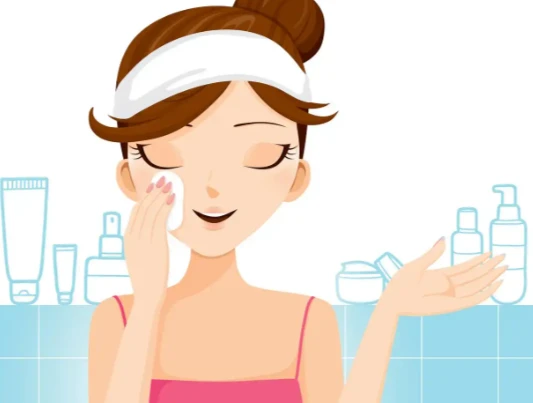
The principal use of hexapeptide-3 is as a skin-conditioning active in anti-aging and texture-refining products. It is suitable for formulations intended to address the visible signs of dryness, loss of smoothness, and reduced suppleness. Unlike exfoliating acids, it is not used to remove corneocytes, and unlike retinoids, it is not primarily positioned as a nuclear-receptor agonist. Its value lies in offering a biomimetic, non-exfoliating narrative that can be combined with moisturizers and barrier-support ingredients. This makes it attractive for daily-use products where tolerability and elegant sensory properties are important.
A second use is lip conditioning. In lip serums, balms, masks, and color cosmetics, it can support claims related to softness, smoothness, comfort, and a visibly fuller contour. Because lips have a thin barrier and are exposed to frequent movement and environmental stress, the formula should also provide effective emolliency and water-loss control. The peptide should be treated as one element of a multi-component system rather than the sole determinant of performance.
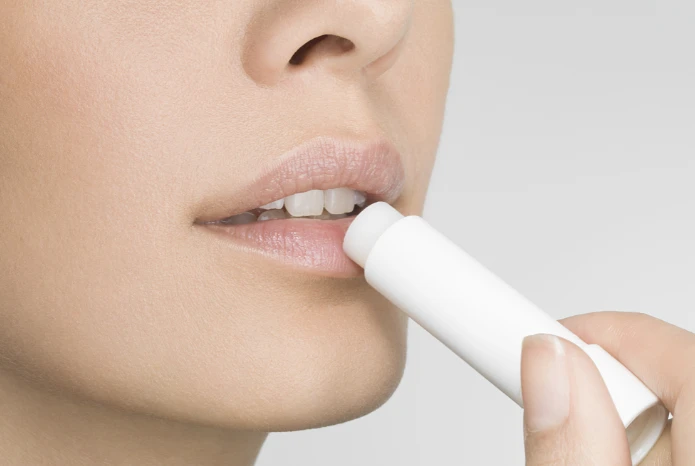
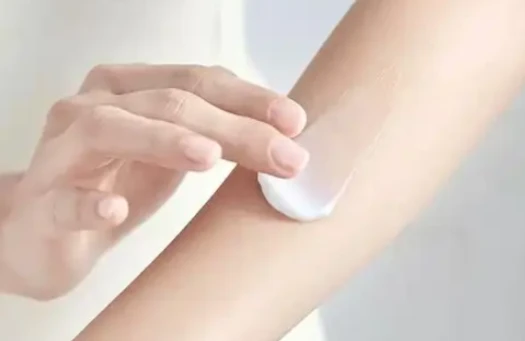
A third use is in premium facial and body care designed around extracellular-matrix or "skin architecture" concepts. Serums, eye-contour products, neck creams, décolleté treatments, hand creams, and targeted body products can employ it where smoothness and skin quality are more relevant than rapid exfoliation. It can also be combined with niacinamide, panthenol, ceramides, ectoin, compatible antioxidants, and other peptides, provided stability and compatibility are demonstrated in the finished formula.
Hexapeptide-3 is generally most practical in water-containing products. It may be incorporated through a pre-dissolved commercial solution, which improves dosing and reduces the risk of incomplete dispersion. As with many peptides, formulators should avoid unnecessary exposure to strong acids, strong alkalis, prolonged high temperature, oxidizing conditions, and proteolytic contamination. The supplier's technical data sheet should determine the recommended addition temperature, pH range, use level, and storage conditions. A common development strategy is to add the peptide during cool-down after the emulsion has fallen below the temperature specified by the supplier.
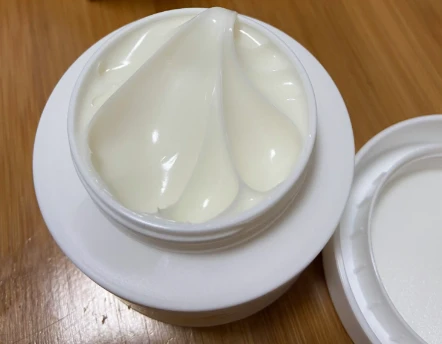
For lip serums and glosses, the peptide phase must be compatible with the continuous phase. In water-in-oil or anhydrous systems, a water-based peptide solution may require encapsulation, a suitable dispersed aqueous phase, or reformulation into an emulsion-compatible format. Claims should be verified by instrumental or clinical methods appropriate to the intended message-for example, corneometry for hydration, image analysis for surface lines, and standardized photography or profilometry for lip contour. Consumer perception studies can complement, but should not replace, objective testing when quantitative claims are made.
Because hexapeptide-3 is not an exfoliant, it may fit products designed for consumers who prefer gentle anti-aging strategies. Nevertheless, "gentle" cannot be assumed solely from peptide identity. The finished product must be assessed for preservation efficacy, irritation potential, sensitization risk, eye-area suitability, and packaging compatibility. Low peptide use levels do not eliminate the need to evaluate the carrier solvents, preservatives, fragrance, botanical extracts, and the complete formulation. Regulatory compliance must be determined market by market, and claims must remain cosmetic rather than medical.


Research and Development Strategy

The development of hexapeptide-3 is based on the principles of biomimetic peptide design and extracellular matrix (ECM) biology. Rather than functioning as a pharmacological active ingredient, it was designed to mimic a biologically relevant peptide sequence associated with fibronectin, an important glycoprotein involved in cell adhesion, migration, and tissue remodeling. By reproducing a short functional domain of naturally occurring proteins, researchers aimed to develop a cosmetic ingredient capable of supporting skin homeostasis while maintaining excellent biocompatibility and formulation compatibility.
The research process generally began with the identification of peptide motifs that participate in cell–matrix interactions. Candidate sequences were then optimized for chemical stability, synthetic feasibility, and cosmetic application through structure–activity relationship (SAR) studies. Solid-phase peptide synthesis (SPPS) was subsequently employed to produce the peptide with high purity and reproducibility. Following synthesis, analytical techniques such as high-performance liquid chromatography (HPLC) and mass spectrometry (MS) were used to confirm peptide purity and molecular identity.

Before commercial application, hexapeptide-3 is typically evaluated through a combination of in vitro assays, including cell viability, fibroblast proliferation, extracellular matrix protein expression, and skin compatibility tests. Additional formulation studies are conducted to assess stability under different pH conditions, temperatures, and cosmetic delivery systems. This biomimetic development strategy enables it to serve as a multifunctional cosmetic ingredient that supports skin conditioning and barrier maintenance while remaining compatible with a wide variety of skincare formulations.
FAQ
1.Is Hexapeptide-3 the same as Acetyl Hexapeptide-8?
+
-
No. They are different cosmetic ingredients with different INCI names and different proposed mechanisms. Hexapeptide-3 is positioned as a fibronectin-inspired, extracellular-matrix-supporting peptide. Acetyl Hexapeptide-8 is a neuromodulating peptide associated with the SNAP-25 pathway. Product specifications and marketing copy should never treat them as interchangeable.
2.Can Hexapeptide-3 be claimed to rebuild skin or heal wounds?
+
-
Not in ordinary cosmetic communication. Fibronectin has established roles in wound healing, but that does not automatically confer medical wound-healing activity on a short cosmetic peptide. Appropriate claims include helping improve skin smoothness, conditioning, hydration, and the appearance of lip fullness, provided they are supported by the finished-product evidence.
3.What determines the recommended use level?
+
-
The supplier's technical data sheet, peptide concentration in the commercial solution, formulation type, claim target, safety assessment, and stability data determine the use level. A percentage quoted for one diluted trade solution cannot be transferred directly to a different powder or solution. The active-peptide content must be calculated, and performance must be confirmed in the actual finished formulation.
References
1. European Commission. CosIng-Cosmetic Ingredients Database. Entry and nomenclature resources for Hexapeptide-3. Accessed 2026.
2. Personal Care Products Council. International Cosmetic Ingredient Dictionary and Handbook. INCI nomenclature reference for Hexapeptide-3.
3. Patten J, Wang K. Fibronectin in development and wound healing. Advanced Drug Delivery Reviews. 2021;170:353–368. doi:10.1016/j.addr.2020.09.005.
4. Lenselink EA. Role of fibronectin in normal wound healing. International Wound Journal. 2015;12(3):313–316. doi:10.1111/iwj.12109.
5. Grinnell F. Fibronectin and wound healing. Journal of Cellular Biochemistry. 1984;26(2):107–116. doi:10.1002/jcb.240260206.
6. Fields K, Falla TJ, Rodan K, Bush L. Bioactive peptides: signaling the future. Journal of Cosmetic Dermatology. 2009;8(1):8–13. doi:10.1111/j.1473-2165.2009.00416.x.
7. Ashland. Peptide Vinci 02™ IS Biofunctional: manufacturer technical literature and product information for Aqua (and) Butylene Glycol (and) Hexapeptide-3.
Hot Tags: hexapeptide-3, suppliers, manufacturers, factory, wholesale, buy, price, bulk, for sale, Adrenochrome Powder, Agomelatine Powder CAS 138112 76 2, Atropine Sulfate Monohydrate CAS 5908 99 6, Chlorpropham CAS 101 21 3, Clascoterone Powder CAS 19608 29 8, tetravisc