


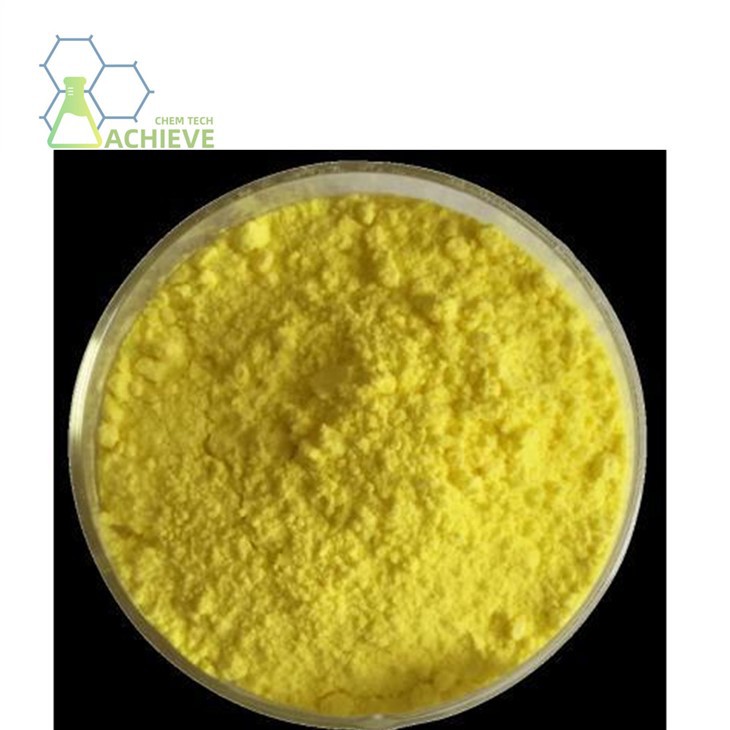

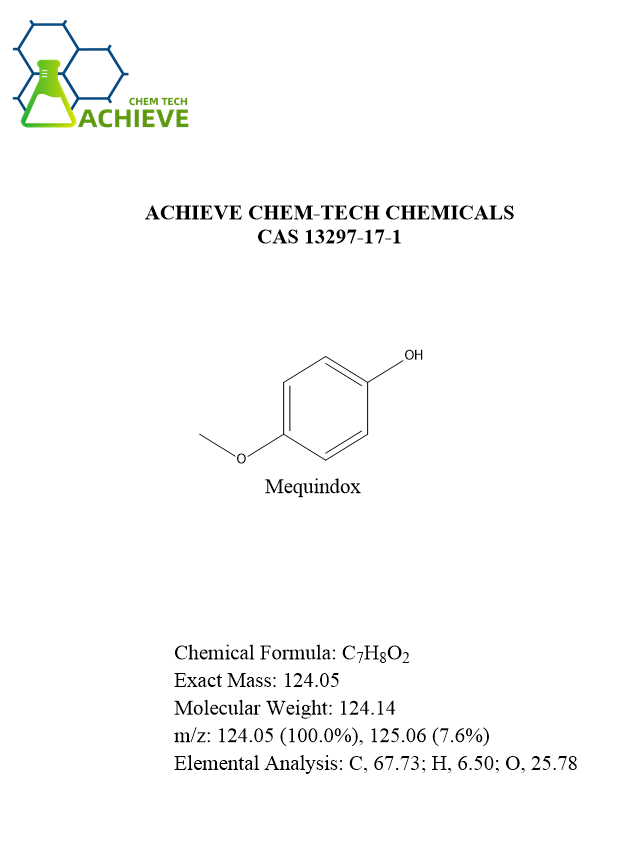
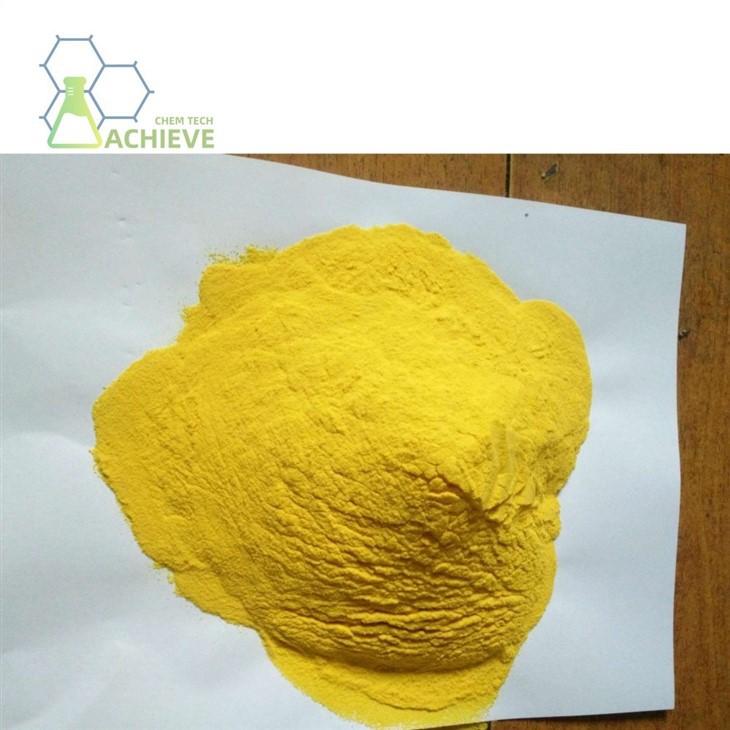
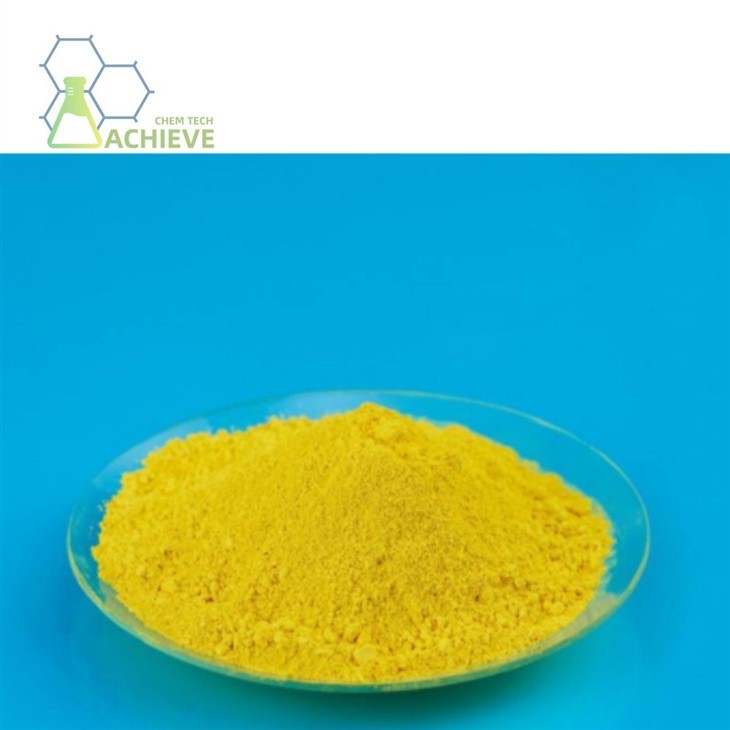
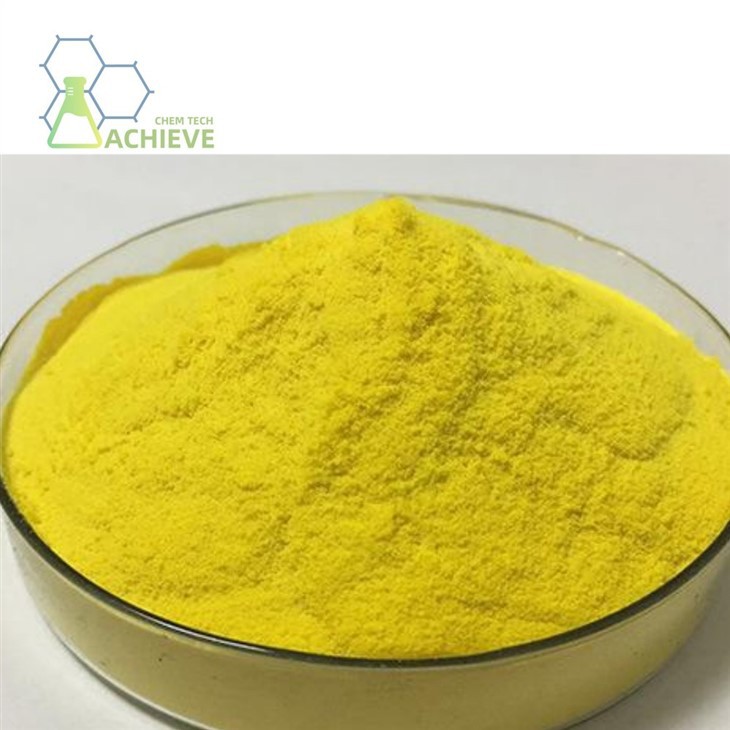
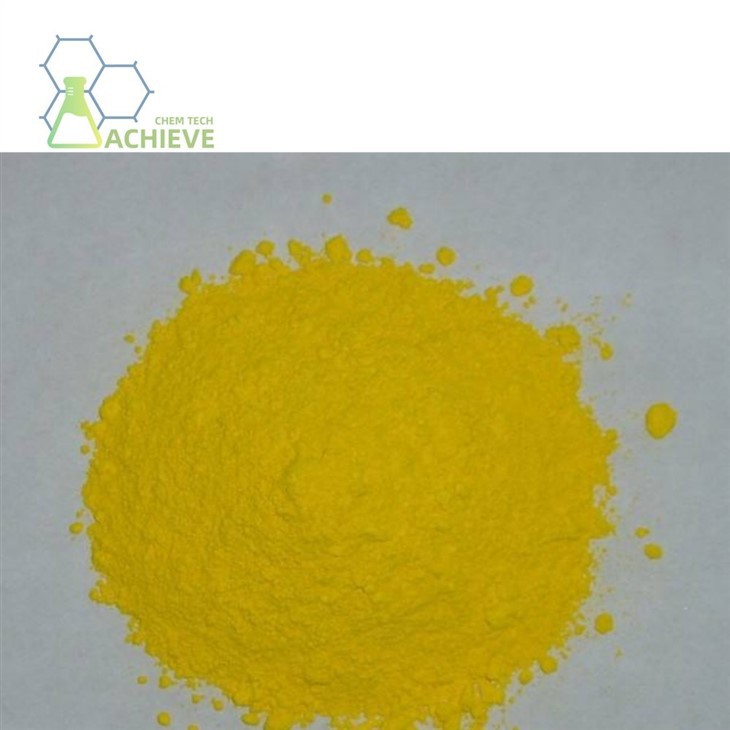

Mequindox Powder, also known as Lijunjing, has two CAS numbers: 13297-17-1 and 16915-79-0, which correspond to its different chemical structures or forms of existence. Developed in China during the 1980s, it was first approved as a national first-class new veterinary drug in 1985 for its broad-spectrum antibacterial activity. Initially designed to combat bacterial enteric diseases in livestock, mequindox has since become a cornerstone in veterinary medicine, particularly in swine and poultry industries. However, its widespread use has raised significant safety concerns, particularly regarding its potential genotoxicity and carcinogenicity.

It is a veterinary drug preparation mainly composed of Mequindox, usually in the form of bright yellow crystals or yellow powder, odorless or slightly bitter in taste, soluble in acetone, chloroform, and benzene, but slightly soluble in water, methanol, ether, and petroleum ether. The color gradually darkens when encountering light. It mainly exerts antibacterial effects by inhibiting the DNA synthesis of bacterial cells, and has a strong inhibitory effect on most bacteria, especially Gram negative bacteria (such as Escherichia coli, Pasteurella, Salmonella cholerae, Salmonella typhimurium, Proteus, etc.). Acetylquinolones can also alter the gut microbiota of animals, improve the utilization of energy substances and proteins, and increase protein synthesis in the body. It is mainly used to prevent and treat bacterial diseases in livestock and poultry, such as pig dysentery, bacterial enteritis, etc. It can be administered orally, absorbed well, and exert antibacterial effects in the body. It is also used to treat bacterial diseases in fish, such as bacterial muscle bleeding, gill cover bleeding, fin bleeding, surface bleeding, and visceral bleeding.
At the same time, our company not only provides pure powders, but also tablets and injections. If needed, please feel free to contact us at any time.
 |
 |

Additional information of chemical compound:
|
Product Name |
DL Mandelic Acid Powder |
|
Product Type |
Powder |
|
Product Purity |
100g/1kg/etc. |
|
Product Form |
Organic synthesis |
|
|
|

Mequindox Powder COA


Mequindox, Acetylmequione is an artificially synthesized quinolone 1,4-dioxide antibacterial drug. Its chemical structure endows it with unique antibacterial activity and pharmacological properties. Mequindox Powder is usually a yellow or light yellow powder, odorless, slightly bitter in taste, slightly soluble in water, and slightly soluble in ethanol. This physical property determines some characteristics of its formulation and use, such as the need to pay attention to solvent selection and dissolution methods when preparing drug solutions. The following are its main uses:
Application in the prevention and control of livestock and poultry diseases
Porcine Treponema dysentery is a serious intestinal infectious disease caused by Porcine Treponema dysentery, mainly affecting 2-3 month old fattening pigs. The main symptoms of this disease are varying degrees of diarrhea in pigs, with mucus and blood often present in the feces, presenting as mucous or mucous hemorrhagic diarrhea. When the condition is severe, pigs will quickly lose weight, dehydrate, and even die. Mequindox has a strong inhibitory effect on porcine dysentery spirochetes, effectively killing pathogenic bacteria, reducing intestinal inflammation, and promoting intestinal mucosal repair. In clinical treatment, medication is usually administered orally or intramuscularly. When taken orally, the dosage is 5-10mg per 1kg body weight for pigs, twice a day for 3 consecutive days; When injected intramuscularly, the dosage is 2.5-5mg per 1kg body weight for pigs, twice a day for three consecutive days. The use of Mequindox at a reasonable dosage and course of treatment for porcine Treponema dysentery can achieve a high cure rate and effectively reduce the recurrence rate.

Application in the prevention and control of pig diseases

Yellow diarrhea and white diarrhea in piglets are acute and fatal infectious diseases caused by pathogenic Escherichia coli in newborn piglets and 10-30 day old piglets, respectively. Piglet yellow diarrhea often occurs within a few hours to three days after birth, manifested as sudden diarrhea, the discharge of yellow or yellow white watery feces, rapid dehydration, weight loss, and ultimately death due to exhaustion. Piglet white diarrhea usually occurs between 10-30 days of age, and the feces are white, gray white, or light yellow white, pasty, and have a fishy odor. Mequindox can alleviate diarrhea symptoms in piglets and improve their survival rate by inhibiting the growth of Escherichia coli, regulating the balance of gut microbiota in piglets, reducing toxin production. In practical applications, Mequindox is usually mixed with feed or water for piglets to freely feed or drink. For example, adding an appropriate amount of Mequindox to the feed and administering it at a dose of 5-10mg per kilogram of body weight for 3-5 consecutive days can effectively prevent and treat piglet dysentery and dysentery.
Chicken dysentery is a common infectious disease caused by Salmonella enterica, which mainly harms chicks and can also infect adult chickens. After infection, chicks show signs of mental lethargy, loose feathers, chills, and accumulation. They excrete white paste like thin feces, which are contaminated around the anus. After drying up, the anus is blocked, affecting defecation and leading to the death of chicks. Adult chickens often exhibit chronic or latent processes after infection, manifested as a decrease in egg production rate and hatching rate. Mequindox has a certain inhibitory effect on Salmonella enterica, but using Mequindox alone cannot effectively control Salmonella enterica infection. Research has found that combining Mequindox with TMP (trimethoprim) can reduce the dosage of Mequindox, expand its safe dosage range, and achieve satisfactory clinical results. This is because TMP can inhibit bacterial dihydrofolate reductase, produce synergistic antibacterial effects with Mequindox, and enhance the killing effect on pathogenic bacteria. In practical applications, the normal dosage for chickens is 60-120 milligrams per kilogram of feed or 30-60 milligrams per liter of water, used continuously for 3 days. However, it should be noted that chicks within 2 weeks should avoid using Mequindox as they are more sensitive to Mequindox and can easily cause toxic reactions.

Avian Colibacillosis
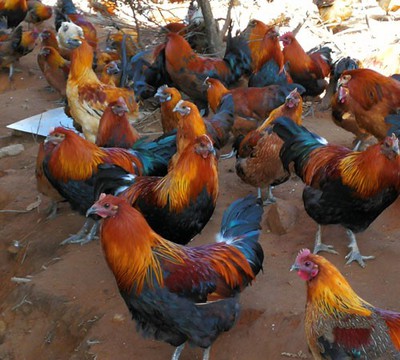
Avian colibacillosis is a multiple disease caused by pathogenic Escherichia coli, which can cause various diseases in poultry such as pericarditis, liver periarthritis, cystitis, peritonitis, omphalitis, synovitis, Escherichia coli granulomas, panoculitis, salpingitis, enteritis, etc. Poultry of different ages can be infected, but the disease is more severe in chicks and young chickens. Infected poultry may experience symptoms such as mental depression, decreased appetite, loose feathers, diarrhea, and in severe cases, death. Mequindox Powder has certain antibacterial activity against avian Escherichia coli and can control the development of the disease to a certain extent. When using Mequindox to treat avian colibacillosis, it is necessary to adjust the drug dosage and treatment course reasonably according to factors such as the type of poultry, age, weight, and severity of the disease. Generally, medication can be administered through mixed drinking or mixed feeding. When mixed drinking, add 100 milligrams of Mequindox per liter of water, allowing birds to drink freely; When mixed feeding, add 60-120 milligrams of Mequindox per kilogram of feed and use continuously for 3-5 days.
Diarrhea and paratyphoid fever are common diseases in calves, which have a significant impact on their growth, development, and survival rate. Diarrhea in calves can be caused by various pathogenic bacteria, such as Escherichia coli, Salmonella, etc. It is manifested as calves excreting loose stools, yellow, green or gray white feces with a foul odor, mental fatigue, and decreased appetite. Calf paratyphoid is an infectious disease caused by Salmonella cholerae and Salmonella typhimurium. Calves infected with it may experience symptoms such as fever, diarrhea, and difficulty breathing. Mequindox has a certain inhibitory effect on pathogenic bacteria that cause diarrhea and paratyphoid fever in calves, and can be used to treat these diseases. When treating calf diarrhea and paratyphoid fever, the dosage and course of treatment can be adjusted reasonably according to the weight and severity of the calf's condition. Generally, oral administration is used, with a dosage of 5-10mg per 1kg body weight for calves, twice a day for 3-5 consecutive days.

Bacterial intestinal diseases in sheep

Bacterial intestinal diseases in sheep are also a common problem in the breeding process, which can cause symptoms such as diarrhea, weight loss, and slow growth, affecting the production performance of sheep. Mequindox has a certain antibacterial effect on some pathogens that cause bacterial intestinal diseases in sheep, such as Escherichia coli. When using Mequindox to treat bacterial intestinal diseases in sheep, it is necessary to accurately calculate the medication dosage based on factors such as the sheep's weight, age, and condition, and pay attention to the feeding method of the medication to ensure that it can be evenly consumed by the sheep. Generally, oral administration can be used, with a dosage of 5-10mg per 1kg body weight for sheep, twice a day for 3-5 consecutive days.
Application in aquaculture
In carp farming, studies have shown that Mequindox has certain application effects. Under the condition of water temperature (15 ± 1) ℃, after a single oral infusion of Mequindox (10mg/kg) to carp, the drug concentration in the muscle was measured by timed sampling. The results showed that Mequindox was well absorbed, metabolized quickly, and had little residue in the carp's body. This indicates that Mequindox can be used as a therapeutic drug in carp farming, and the residual problem of the drug in the fish body is relatively small, which is conducive to ensuring the quality and safety of aquatic products. In the actual breeding process, when carp show symptoms of bacterial diseases such as enteritis, bleeding, etc., Mequindox can be mixed into the feed at a certain dose and fed, or treated with a medicinal bath. By using Mequindox reasonably, it is possible to effectively control bacterial diseases in carp, reduce carp mortality, and improve aquaculture efficiency.

Application in shrimp farming

Vibrio disease is one of the common diseases in the cultivation of South American white shrimp, which seriously affects the growth and survival of shrimp. Although there is relatively little research on the large-scale application of Mequindox in the cultivation of South American white shrimp, from its antibacterial mechanism and pharmacological characteristics, Mequindox Powder may be used to prevent and treat Vibrio disease in South American white shrimp. In practical operation, small-scale experiments can be conducted first to determine the safe and effective doses of Mequindox for South American white shrimp. Add an appropriate amount of Mequindox to the aquaculture water, or make Mequindox into bait and feed it to shrimp, and observe its effectiveness in preventing and treating vibriosis. If the experimental results indicate that Mequindox can effectively control the occurrence and spread of vibriosis, and has no significant adverse effects on the growth and health of shrimp, then it can be considered for promotion and application in large-scale aquaculture.
Frequently Asked Questions
What is the structure of mequindox?
+
-
Mequindox (2-methyl-3-acetylquinoxaline-1,4-dioxide; C11H10N2O3; MEQ) is a novel synthetic QdNO derivative used as an antibacterial by the Lanzhou Institute of Animal Husbandry and Veterinary Drugs, Chinese Academy of Agriculture Sciences to treat pig treponeme dysentery.
What is quinoxaline used for?
+
-
Derivatives from this series have found application in the clinic as antibacterial drugs and are used in agriculture. Quinoxaline 1,4-dioxides present a promising class for the development of new drugs targeting bacterial infections, oncological diseases, malaria, trypanosomiasis, leishmaniasis, and amoebiasis.
What is the solubility of pyridoxal?
+
-
Pyridoxal (hydrochloride) is soluble in organic solvents such as DMSO and dimethyl formamide. The solubility of pyridoxal (hydrochloride) in these solvents is approximately 1 mg/ml. Pyridoxal (hydrochloride) is also slouble in water.
What are five uses of alkaloids?
+
-
Alkaloids have diverse physiological effects: antibacterial, antimitotic, anti-inflammatory, analgesic, local anesthetic, hypnotic, psychotropic, and antitumor activity and many others.
Which cancers are 100% curable?
+
-
The most recent reports show the five-year survival rate for 11 of those types of cancer ranges between 100% for prostate cancer to 90.9% for colon cancer. Here's information on survival rates for other localized cancers: Thyroid cancer, 99.9%. Melanoma of skin, 99.6%.
Hot Tags: mequindox powder, suppliers, manufacturers, factory, wholesale, buy, price, bulk, for sale, TUBERCIDIN CAS 69 33 0, Best Phenibut powder, Baclofen Powder CAS 1134 47 0, sapropterin dihydrochloride powder, Articaine Hcl powder, BH4 Synthesis