


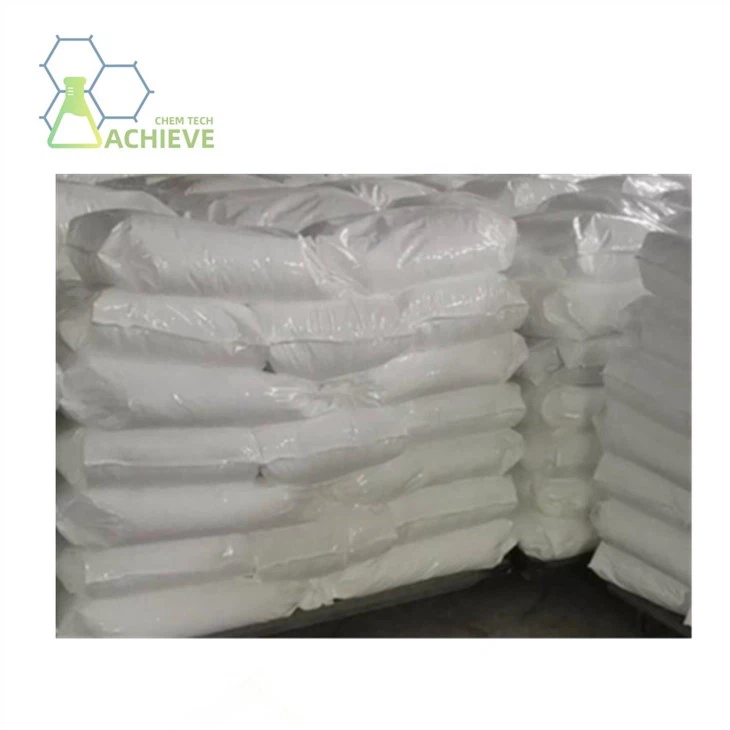


Methylisothiazolinone products, the core component methylisothiazolinone (MIT), is an organic compound with the chemical formula c4h5nos. It is a white to yellow powder with a certain odor. It is a highly effective bactericide. It has a good effect on inhibiting the growth of microorganisms and can inhibit the growth of bacteria, fungi, molds and molds. It is generally used as preservative in bath liquid, shampoo and washing liquid. In industry, it can be used in cooling water, circulating water, papermaking, paint and coating. It is also a highly effective anti microbial drug with broad-spectrum antibacterial ability. It is used for sterilization and anti-corrosion of paper coating, oilfield water injection, daily chemical industry, etc. It has a wide range of applications in the fields of daily chemicals, personal care products, industry, home furnishings, healthcare, and pharmaceuticals. It is mainly used as a preservative and fungicide to maintain the safety and stability of the product, and to prevent the growth and pollution of microorganisms. However, when using methyl isothiazolinone, it is necessary to pay attention to its appropriate concentration and usage restrictions to ensure safe use and compliance with relevant regulations and standards.

|
Chemical Formula |
C4H5NOS |
|
Exact Mass |
115 |
|
Molecular Weight |
115 |
|
m/z |
115 (100.0%), 117 (4.5%), 116 (4.3%) |
|
Elemental Analysis |
C, 41.72; H, 4.38; N, 12.16; O, 13.89; S, 27.84 |
|
|
|

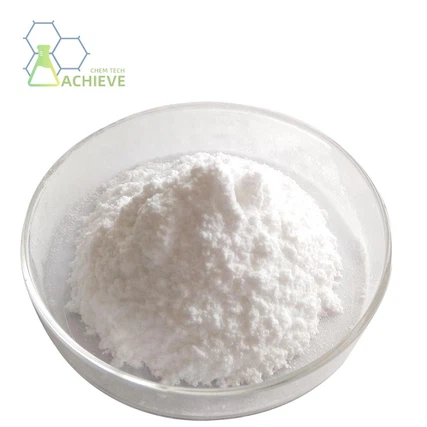
Melting point 254-256 ° C (lit.), Boiling point bp0.03 93 °, Density 1.25 (14% aq.), Vapor pressure <0.1 mm Hg (25 ° C), Storage condition 2-8 ° C, Acidity coefficient (PKA) -2.03 ± 0.20 (predicted), Morphological neat, BRN 606203, InChIKeyBEGLCMHJXHIJLR-UHFFFAOYSA-N, Hazard symbol (GHS), GHS05,GHS06,GHS09, Warning word danger, Hazard description h302-h314-h317-h331-h335-h400, Precautions p261-p273-p280-p305+p351+p338-p310, Dangerous goods signs n, C, t, Hazard category code 50/53-50-43-34-20/21/22-37-23-22, Safety instructions 60-61-36/37/39-26-24-45, Dangerous goods transport No. UN 3077 9/pg 3, WGK Germany 2, RTECS No. fe1250000, HazardClass 8, PackingGroup III
Methylisothiazolinone products (MIT) is a widely used bactericidal preservative, which can effectively kill algae, bacteria and fungi. The effective dosage is small, non-toxic and pollution-free. It is widely used. It is very easy to mix in various formulas. The pH is widely used. After diluting the concentration, it is easy to be biodegradable into non-toxic and pollution-free substances. Low toxicity, no residue, good compatibility with various emulsifiers, surfactants and protein components. MIT can effectively kill many kinds of bacteria at low concentration, especially suitable for the preservation of cosmetics and personal care products. Applicable pH range ph2.0-12.0, miscible with water, can be added in any process, easy to operate.
Methylisothiazolinone (MIT) is a commonly used preservative and fungicide with wide applications.

1. Daily chemical and personal care products:
-Skincare and cosmetics: Methylisothiazolinone is commonly used as a preservative in skincare and cosmetics to prevent microbial contamination and bacterial growth. It is widely used in face cream, facial cleanser, shampoo, bath gel, cosmetics, nail polish and other products.
-Maternal and infant products: Methylisothiazolidone is added to products such as baby wipes, baby shampoo, and baby shower gel to prevent bacterial growth and infection.
-Oral hygiene products: methyl isothiazolinone is often used as a preservative and bactericide in toothpaste, mouthwash, oral spray and other oral hygiene products to help keep the mouth clean and prevent bacteria from breeding.
-Perfume and essence: methyl isothiazolinone can be used in perfume, perfume liquid and essence products to inhibit the growth of microorganisms and improve the shelf life of products.


2. Industrial and Home Products:
-Coatings and coatings: Methylisothiazolinone is widely used as a fungicide in water-based coatings and coatings, effectively inhibiting microbial contamination and spoilage after canning.
-Wood preservatives: Due to their excellent bactericidal properties, methyl isothiazolinone is used as a wood preservative to protect wood from fungi, molds, and spoilage.
-Textiles: Methylisothiazolinone can be used as a fungicide and preservative in textile processing to maintain the hygiene of textiles and prevent microbial growth.
-Cleaners and detergents: Methylisothiazolinone can be added to cleaning products and detergents to provide anti-corrosion and bactericidal effects, maintaining product stability and hygiene performance.


3. Industrial fluids:
-Cooling liquid: The use of methyl isothiazolinone in the cooling system can effectively inhibit the growth of bacteria, algae, and fungi, prevent coolant contamination, and reduce system efficiency.
-Lubricant: Methylisothiazolinone can be added to industrial lubricants to prevent microbial growth and degradation, thereby extending the service life and effectiveness of lubricants.
-Metal working fluid: During the metal working process, methyl isothiazolinone can be added as a bactericide and preservative to the metal working fluid to prevent microbial contamination and metal corrosion.
-Paints and inks: Methylisothiazolinone products can be used as a preservative in paints and inks, enhancing product durability and preventing microbial growth.


4. Medical and pharmaceutical fields:
-Medical device disinfection: Methylisothiazolinone can be used as a disinfectant for medical devices, helping to kill pathogens and bacteria, ensuring the hygiene and safety of medical devices.
-Medical formula: Due to its antibacterial properties, methylisothiazolinone can be applied to certain pharmaceutical formulations to extend the shelf life of products and prevent microbial contamination.
Product application: the active single agent can be widely used in industries such as industrial cooling water, circulating water, oilfield tank return water, paper industry, pipeline, coating, paint, rubber, cosmetics, photographic film and washing products, especially for the preservation of cosmetics and personal care products. It is also commonly used as a preservative in bath liquid, shampoo and washing liquid.


Methylisothiazolinone (MIT) can be obtained through a series of laboratory synthesis methods.
1. Isothiocyanate method:
-Reaction steps:
1.1. Take Isopropanol as the solvent and heat it to reflux state.
1.2. Gradually add Methyl isothiocyanate to isopropanol and adjust the pH value by adding dilute hydrochloric acid (HCl) dropwise.
1.3. After 12 to 24 hours of reaction, cool the reaction mixture and the precipitated product is methylisothiazolinone (MIT).
-Reaction equation:
C3H8O+C2H3NS → C4H5NOS
2. Pyrrolidone method:
-Reaction steps:
2.1. Take cyclohexanone as the solvent and heat it to reflux state.
2.2. Slowly add methyl isothiocyanate to cyclohexanone and add sodium hydroxide (NaOH) solution to neutralize the generated hydrochloric acid.
2.3. After 12 to 24 hours of reaction, cool the reaction mixture and the product can be obtained by crystallization.
-Reaction equation:
C6H10O+C2H3NS → C4H5NOS
3. Direct reaction method of isothiocyanate with ketones:
-Reaction steps:
3.1. Add methyl isothiocyanate and ketone compounds to the primer coating.
3.2. React under appropriate conditions, such as high temperature and pressure, illumination, or addition of catalysts.
3.3. After the reaction, Methylisothiazolinone products is obtained through appropriate extraction and purification steps.
-Reaction equation:
Ketone compounds+C2H3NS → C4H5NOS
It should be noted that the applicability and specific steps of laboratory synthesis methods may vary depending on the research objectives, substrates, and reaction conditions. Therefore, when conducting laboratory synthesis, it is necessary to carefully select suitable synthesis routes, and optimize and validate reaction conditions and purification processes to ensure that products with high yield and purity are obtained. In addition, for safety reasons, all experiments must be conducted in accordance with relevant safety regulations and laboratory operating guidelines.
What are the side effects of this compound?
Skin allergy reaction
This compound may cause skin allergic reactions, which is one of its most common side effects. The specific symptoms include itching, redness, tingling, and flaking of the skin. For people with sensitive skin, this allergic reaction may be more severe and may even lead to skin inflammation or eczema.
Respiratory irritation
This compound has a certain degree of volatility and may have a stimulating effect on the respiratory tract. Long term exposure or extensive use of products containing methyl isothiazolinone may cause respiratory discomfort, such as coughing, sputum production, and shortness of breath. In severe cases, breathing difficulties may even occur, requiring immediate medical attention.
Contact dermatitis
This compound may also cause contact dermatitis, which is an inflammatory response caused by skin contact with a certain substance. The symptoms of contact dermatitis include erythema, papules, blisters, etc. In severe cases, skin ulcers or necrosis may occur.
Pigmentation
Long term use of products containing this compound may lead to skin pigmentation, resulting in darkening of skin color or the appearance of pigmentation spots. This may be due to the stimulating effect of methyl isothiazolinone on skin cells.
Liver function injury
Although relatively rare, this compound may cause damage to liver function in certain situations. This usually occurs in cases of excessive intake or long-term exposure to methyl isothiazolinone. The symptoms of liver dysfunction may include jaundice, fatigue, loss of appetite, etc.
Other potential risks
In addition to the clear side effects mentioned above, this compound may also pose other potential health risks. For example, it may interfere with the human endocrine system and affect reproductive health; It may also have adverse effects on the nervous system, leading to symptoms such as headaches and dizziness.
Response measures
To reduce the side effects of this compound, the following measures can be taken:
Choose products without this compound:
When purchasing personal care products such as cosmetics and skincare, pay attention to checking the product ingredient list and choose products that do not contain this substance.
Perform skin testing:
Before using products containing this compound, a skin test can be performed on sensitive areas such as the inner side of the arm to observe for any allergic reactions.
Avoid long-term use:
Try to minimize the use of products containing this compound and avoid long-term use.
Seek medical attention promptly:
If allergic reactions or other discomfort symptoms occur, stop using the relevant products immediately and seek medical treatment promptly.
FAQ
Is methylisothiazolinone harmful?
Neurodegenerative disorders in humans may be triggered or exacerbated by exposure to occupational or environmental agents. Here, we show that a brief exposure to methylisothiazolinone, a widely used industrial and household biocide, is highly toxic to cultured neurons but not to glia.
Is methylisothiazolinone banned?
The maximum allowed concentration of titanium dioxide (which isn't in the nano form) as a UV-filter is also 25%. Methylisothiazolinone officially banned: as it has been already announced in the past, but now it became formal, the use of MI in leave-on cosmetic products will become prohibited.
What products is methylisothiazolinone in?
Where is Methylisothiazolinone found? This substance is a preservative used in personal hygiene products (such as shampoos, lotions, emulsions, and sun screens), and in industrial cooling oils, cutting oils, and paper finishes. It is also commonly added to household cleaners as a substitute for formaldehyde.
What does methylchloroisothiazolinone do to your skin?
Methylchloroisothiazolinone can cause skin problems when it's used in large amounts in different products. This is called sensitization. It engages your immune system and irritates your skin. Once this happens you may become permanently allergic to methylchloroisothiazolinone the next time you are exposed to it.
Hot Tags: methylisothiazolinone products cas 2682-20-4, suppliers, manufacturers, factory, wholesale, buy, price, bulk, for sale, Norepinephrine Powder CAS 51 41 2, Ethacridine Lactate Monohydrate CAS 6402 23 9, Baclofen Powder CAS 1134 47 0, tetracaine hcl, Uracil Powder CAS 66 22 8, articaine hydrochloride powder