




Shaanxi BLOOM Tech Co., Ltd. is one of the most experienced manufacturers and suppliers of norepinephrine tartrate cas 3414-63-9 in China. Welcome to wholesale bulk high quality norepinephrine tartrate cas 3414-63-9 for sale here from our factory. Good service and reasonable price are available.
Norepinephrine tartrate is a crucial vasoactive drug. Its core component, norepinephrine, is a naturally produced catecholamine in the human body and is a potent agonist of both α and β1 adrenergic receptors. In clinical emergencies, it is mainly used to rapidly increase the blood pressure of patients with severe hypotension by strongly contracting peripheral blood vessels (with a potent α effect). Especially in life-threatening conditions such as septic shock and cardiogenic shock, it is the "pressure-raising cornerstone" for maintaining the perfusion pressure of critical organs. Its tartrate form ensures the stability and solubility of the drug.
The drug takes effect very quickly, but has a short half-life and requires continuous intravenous infusion to maintain an accurate blood drug concentration. The treatment window is narrow, and it needs to be closely monitored for blood pressure, heart rate, and peripheral circulation in an intensive care environment to avoid excessive vasoconstriction that leads to tissue ischemia or arrhythmias. It represents a powerful intervention method for restoring the blood flow dynamics as the life-saving line at the moment of circulatory failure.

|
|
|


|
Chemical Formula |
C12H17NO9 |
|
Exact Mass |
319 |
|
Molecular Weight |
319 |
|
m/z |
319 (100.0%), 320 (13.0%), 321 (1.8%) |
|
Elemental Analysis |
C, 45.14; H, 5.37; N, 4.39; O, 45.10 |
|
Boiling point |
360 ° C |
|
Density |
3.38 g / ml at 25 ° C (lit.) |
|
Storage conditions |
insert atmosphere |
|
solubility alcohol |
solublesoluble 40 parts of solvent |
|
Flash point |
221.5° C |

Norepinephrine tartrate is an important bioactive molecule with a wide range of applications.

Cardiovascular system
It is often used as a cardiotonic to treat severe hypotension and shock states. It increases blood pressure by contracting blood vessels, increasing cardiac contractility and output; It can also promote the recovery of conduction function in the heart. In emergency medicine, It is widely used for cardiac and circulatory support in emergency situations.
Organ protection
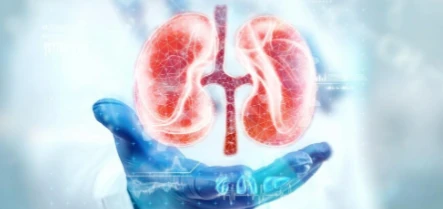
It can be used for renal function protection, especially during surgery or in intensive care settings. It can reduce the risk of kidney damage by increasing glomerular perfusion and improving renal microcirculation.

Neurological disorders
It as a precursor molecule of neurotransmitters, can be used for the research and treatment of neurological diseases. It can be used to treat diseases such as attention deficit hyperactivity disorder (ADHD) and depression. In addition, Norepinephrine target has also been applied to in vitro culture and research of neurons.
Neuroconductive mediators
It can serve as a neurotransmitter and play an important role in neuroscience research. It can be used for studying the mechanism of neurotransmitter release and its impact on neuronal and synaptic function. These studies are of great significance for understanding the normal function and disease mechanisms of the nervous system.


Respiratory system applications
It is also applied in the treatment of respiratory diseases. For example, it can be used to support the treatment of acute respiratory distress caused by diseases such as asthma and chronic obstructive pulmonary disease (COPD). It contracts airway smooth muscle, reduces mucus secretion, and improves lung ventilation capacity.
Experimental research tools
It is a commonly used reagent in laboratory research. It can be used for in vitro and in vivo experiments, such as cell culture, animal models, etc. Researchers can use the Norepinephrine target to simulate and study a series of physiological and pathological processes related to cardiovascular, nervous system, and metabolism.
Mechanism of Specific Binding to Adrenergic Receptors

Adrenergic receptors belong to the superfamily of G protein-coupled receptors and constitute the molecular basis underlying the pharmacological actions of norepinephrine tartrate. Differences in tissue distribution and downstream signalling pathways across receptor subtypes determine the targeted therapeutic effects of the drug. Following intravenous entry into the circulation, the drug rapidly diffuses to target tissues including systemic blood vessels, the heart and nerve terminals, where it binds specifically to cognate receptors and initiates downstream signal transduction.
α₁ receptors are abundantly expressed on the cell membranes of vascular smooth muscle in systemic arterioles and venules, with the highest density in cutaneous and mucosal vessels, renal vessels, mesenteric vessels, cerebral vessels and skeletal muscle vasculature.
Binding of it to α₁ receptors activates receptor-coupled Gq proteins and triggers downstream signalling cascades; this represents the core mechanism mediating vasoconstriction and increased peripheral vascular resistance. α₂ receptors are predominantly located on the presynaptic membrane of sympathetic nerve terminals, with minor expression in the central nervous system and vascular smooth muscle.


Upon binding to presynaptic α₂ receptors, the drug activates inhibitory Gi proteins to exert negative feedback regulation, suppressing further release of endogenous norepinephrine from sympathetic nerve terminals, preventing excessive sympathetic activation and enabling self-regulation of pharmacological effects.
β₁ receptors are concentrated mainly on cardiomyocyte membranes, the sinoatrial node and the atrioventricular node.
Drug binding to β₁ receptors activates Gs proteins to mediate downstream signalling and gently modulate myocardial contractility and heart rate. Because the drug exhibits substantially lower affinity for β₁ receptors than for α receptors, its cardiac stimulant effect is weaker than its vasoconstrictive effect, and significant tachycardia does not occur. This constitutes a key reason for its superior haemodynamic stability relative to other catecholamines in clinical practice.

Pharmacological Mechanisms in Core Target Organs

(I) Mechanism of Peripheral Vasoconstriction and Peripheral Resistance Regulation
The vascular system is the principal target of it. The drug elicits potent, broad-spectrum vasoconstriction by fully activating α₁ receptors on vascular smooth muscle. At the microcirculatory level, constriction of arterioles, the resistance vessels, markedly elevates total peripheral resistance; constriction of venules, the capacitance vessels, reduces peripheral blood pooling and increases venous return. Together these two effects regulate circulating blood volume and arterial pressure.
Vascular responsiveness varies in a graded fashion across tissues.
Cutaneous and mucosal vasoconstriction is most pronounced, effectively improving peripheral perfusion and reversing the cool, clammy skin seen in shock.
Renal and mesenteric vasoconstriction is intermediate, redirecting blood away from less vital visceral beds to prioritise perfusion of the heart and brain. Constrictive effects on cerebral and coronary vessels are weak; compensatory blood pressure elevation instead improves perfusion in these territories. This pattern of targeted vasoconstriction precisely reverses shock-related vasodilation and reduced peripheral resistance, rapidly raises mean arterial pressure and re-establishes a stable systemic pressure gradient.


(II) Mechanism of Bidirectional Cardiac Regulation
Norepinephrine tartrate exerts bidirectional cardiac effects comprising direct pharmacological action and indirect reflex modulation. Directly, the drug activates myocardial β₁ receptors, stimulating intracellular adenylyl cyclase, raising cyclic adenosine monophosphate (cAMP) concentrations, enhancing transmembrane calcium influx and thereby increasing myocardial contractility, accelerating conduction and moderately raising stroke volume.
The indirect reflex pathway dominates cardiac regulation. Potent peripheral vasoconstriction induced by the drug rapidly elevates arterial pressure, stimulating baroreceptors in the carotid sinus and aortic arch, activating the vagal reflex and suppressing sympathetic outflow.
The net result is bradycardia and reduced myocardial oxygen demand. This combined "positive inotropy plus heart-rate slowing" profile allows blood pressure augmentation without substantially increasing cardiac load, effectively reducing adverse events such as tachyarrhythmias and myocardial ischaemia. It is therefore suitable for patients with shock or hypotension complicated by cardiac dysfunction.


Overall, the drug exerts a modest effect on cardiac output, supporting circulatory stabilisation while preserving steady cardiac performance.
(III) Mechanism of Neuroendocrine Negative Feedback
Beyond peripheral circulatory effects, the drug initiates neuroendocrine negative feedback by activating presynaptic α₂ receptors on sympathetic nerve terminals. α₂ receptor activation acts via Gi proteins to inhibit adenylyl cyclase, lower intraterminal cAMP concentrations, reduce calcium influx and suppress vesicular release of neurotransmitters.
This blocks excessive secretion of endogenous norepinephrine and epinephrine.The mechanism balances the pressor effect of exogenous drug to prevent excessive hypertension, while restraining sustained sympathetic overactivation and limiting catecholamine-mediated vasospasm and myocardial injury, thereby maintaining neuroendocrine homeostasis.
Cellular Signalling Pathway Mechanisms

The macroscopic pharmacological effects of it arise fundamentally from activation of specific intracellular signalling cascades in target cells. Distinct G protein coupling across receptor subtypes produces divergent cellular responses, forming the complete molecular mechanism of action.
α₁ receptor-mediated vasoconstrictive pathway: drug binding to α₁ receptors activates Gq proteins, promoting hydrolysis of phosphatidylinositol bisphosphate into inositol trisphosphate (IP₃) and diacylglycerol (DAG). IP₃ triggers calcium release from intracellular stores and raises cytosolic free calcium concentrations;DAG activates protein kinase C and synergistically amplifies calcium-dependent contractile responses.
Calcium binds to troponin, driving myofilament sliding in vascular smooth muscle and ultimately causing vasoconstriction and increased peripheral resistance.
α₂ receptor-mediated inhibitory pathway: activated α₂ receptors couple to Gi proteins, inhibiting adenylyl cyclase, lowering intracellular cAMP, reducing protein kinase A activity, diminishing calcium influx at nerve terminals and suppressing neurotransmitter release to complete negative feedback. This pathway also mildly limits excessive vascular smooth muscle contraction, balancing the powerful constrictive signal from α₁ receptors and avoiding microcirculatory occlusion.


β₁ receptor-mediated myocardial regulatory pathway: activated β₁ receptors couple to Gs proteins, stimulating adenylyl cyclase, raising myocardial cAMP levels and activating protein kinase A. This opens L-type calcium channels on cardiomyocyte membranes, increases calcium influx and enhances contractility; it also accelerates sinoatrial automaticity and atrioventricular conduction to produce mild positive inotropy. The pathway's direct effect is modest and partially counteracted by the vagal baroreflex triggered by blood pressure elevation, so excessive cardiac stimulation does not occur.

The synthesis route of norepinephrine tartrate mainly includes the following steps: preparation of starting materials, synthesis of key intermediates, synthesis of norepinephrine, and preparation of tartrate. Each step involves specific chemical reactions and condition controls to ensure the purity and efficacy of the final product.
1. Preparation of Starting Materials
The starting materials mainly include chloroacetyl catechol, ethanol, ammonia ethanol solution, ammonia water, sodium bisulfite, etc. The purity and quality of these raw materials have a significant impact on the subsequent synthesis steps and the quality of the final product.
The preparation of chloroacetyl catechol (not a direct step in this synthesis route, but a key raw material): This step is usually obtained through the esterification reaction of catechol with chloroacetyl chloride.
The chemical equation is: C6H6(OH)2+ClCH2COCl → C6H6(OH)CH2COCl+HCl.
2. Synthesis of Key Intermediates
Ammonification reaction
Mix chloroacetyl catechol, ethanol, and ammonia ethanol solution to undergo amination reaction under appropriate temperature and stirring conditions. Ammoniation reaction is one of the key steps in the synthesis of norepinephrine, which can convert chloroacetyl catechol into corresponding amine compounds.
C6H6(OH)CH2COCl+NH3 → C6H6(OH)CH2CONH2+HCl.
Catalytic hydrogenation reaction
Add amine intermediates to a mixed solution containing hydrochloric acid and ethanol for catalytic hydrogenation reaction. By adding catalysts (such as palladium carbon) and hydrogen gas, the carbonyl groups in amine intermediates can be reduced to hydroxyl groups, resulting in the key intermediate of norepinephrine.
C6H6(OH)CH2CONH2+H2 → C8H11NO3+H2O.
The synthesis of norepinephrine
After obtaining the key intermediate, it needs to be further converted to synthesize norepinephrine. This step usually involves some complex chemical reactions and separation and purification operations. The specific synthesis methods may vary depending on the experimental conditions and raw materials. But overall, the goal of this step is to convert key intermediates into biologically active norepinephrine molecules.
The synthesis of norepinephrine
After obtaining the key intermediate, it needs to be further converted to synthesize norepinephrine. This step usually involves some complex chemical reactions and separation and purification operations. The specific synthesis methods may vary depending on the experimental conditions and raw materials. But overall, the goal of this step is to convert key intermediates into biologically active norepinephrine molecules.
Preparation of tartrate
The final step is to undergo a salt reaction between norepinephrine and tartaric acid to obtain the product. The reaction conditions in this step are usually mild and can be achieved through simple mixing and stirring.
C8H11NO3+C4H6O6 → C8H11NO3 · C4H6O6
3. Synthesizing Norepinephrine Target
Preparation of epinephrine: Firstly, Epinephrine needs to be prepared. The specific synthesis steps involve several chemical reactions, including the carbonyl reduction reaction of phenylacetaldehyde, acyl chloride, condensation reaction, etc. The final product obtained is Epinephrine.
C8H8O+H2 → C9H13NO3
Esterification of tartrate: Esterification reaction between tartaric acid and Epinephrine to produce tartrate ester. This step usually involves controlling multiple conditions such as environmental temperature and reaction time.
C4H6O6+C9H13NO3 → C12H17NO9-ester
Lon exchange reaction: The generated tartrate ester is subjected to ion exchange reaction with the corresponding alkali metal salt to obtain product.
C12H17NO9-ester+alkali metal salt → C12H17NO9


The development prospects of this compound are mainly influenced by multiple factors such as its application in the medical field, market demand, technological progress, and industry competition.
Widely used in the medical field
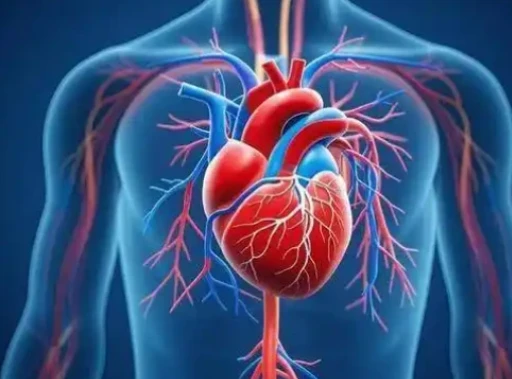
This compound, as an important stress hormone and neurotransmitter, has a wide range of applications in the medical field. It is mainly used to treat emergency situations such as hypotension and shock, by increasing vascular resistance and raising blood pressure to maintain stable vital signs. In addition, with the deepening of research, its therapeutic effects in neurometabolic disorders, cardiovascular diseases, and other areas have gradually received attention.

Market demand continues to grow
With the intensification of global population aging and the continuous increase of chronic diseases, the demand for such emergency drugs is also continuing to grow. Especially in the field of emergency medicine, with the continuous advancement of emergency technology and the constant updating of emergency equipment, its market demand will further expand.
Technological progress drives development
Formulation innovation: Through the development of nanotechnology and sustained-release systems, the aim is to extend the duration of drug action, reduce the frequency of administration, and improve patient comfort and compliance.
Precision medicine: With the advancement of genomics and personalized medicine, exploring dose customization based on patient genetic characteristics to optimize treatment efficacy and reduce adverse reactions.

FAQ
1. What is noradrenaline tartrate used for?
+
-
Norepinephrine is a sympathomimetic used in the control of blood pressure during various hypotensive states and as an adjunct treatment during cardiac arrest.
2. What is the difference between noradrenaline and norepinephrine?
+
-
First identified in the 1940s by Swedish physiologist Ulf von Euler, norepinephrine, also known as noradrenaline, is a neurotransmitter of the brain that plays an essential role in the regulation of arousal, attention, cognitive function, and stress reactions.
3. What happens when you lack norepinephrine?
+
-
Bursts of norepinephrine can lead to euphoria (very happy) feelings but are also linked to panic attacks, elevated blood pressure, and hyperactivity. Low levels can cause lethargy (lack of energy), lack of concentration, attention deficit hyperactivity disorder (ADHD), and possibly depression.
Hot Tags: norepinephrine tartrate cas 3414-63-9, suppliers, manufacturers, factory, wholesale, buy, price, bulk, for sale, Methylprednisolone Hemisuccinate CAS 2921 57 5, pure procaine powder, Primidone powder, Baclofen Powder CAS 1134 47 0, Octreotide Acetate Powder, 1,3-Dimethylpentylamine