




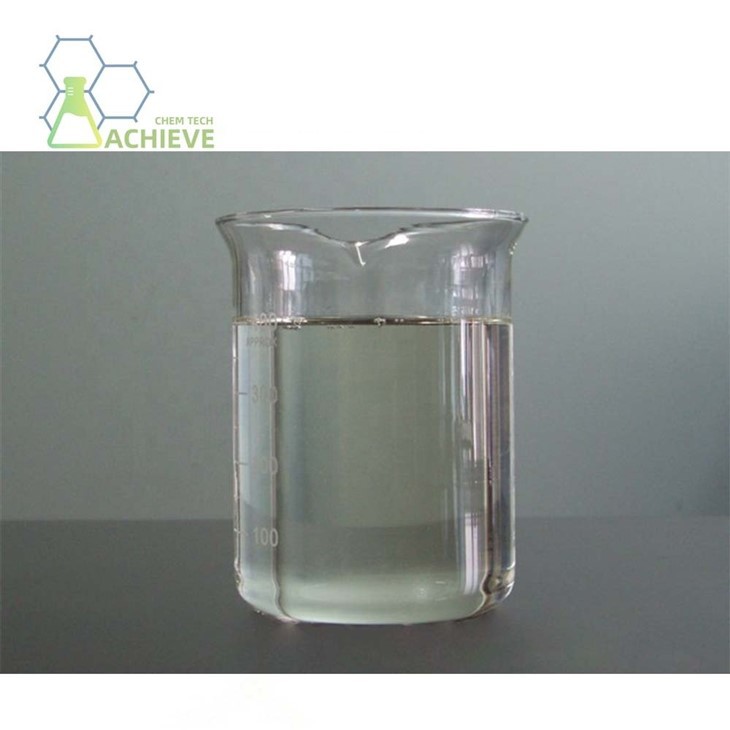


Shaanxi BLOOM Tech Co., Ltd. is one of the most experienced manufacturers and suppliers of thimerosal solution cas 54-64-8 in China. Welcome to wholesale bulk high quality thimerosal solution cas 54-64-8 for sale here from our factory. Good service and reasonable price are available.
Thimerosal solution,Sulfur mercury solution is a disinfectant raw material. Thimerosa, also known as thiomersal, is a chemical substance commonly used as a disinfectant ingredient. It is a light colored crystalline powder with antibacterial and antifungal effects. Its efficacy is stronger than that of red mercury, but weaker than that of mercuric chloride. Meanwhile, its toxicity and irritability are relatively low. This substance is widely used as a disinfectant for skin and mucous membranes, and can be used for disinfecting skin wounds, treating eye and nose mucositis, urethral irrigation, and treating skin fungal infections. In the vaccine manufacturing process, thiomersal is often used as a fungicide and preservative. Adding thiomersal during the initial stage of vaccine production can kill bacteria, while adding it before the vaccine leaves the factory can prevent bacterial contamination during transportation and administration.

Additional information of chemical compound:
|
Chemical Formula |
C9H9HgNaO2S |
|
Exact Mass |
404.81 |
|
Molecular Weight |
404.81 |
|
m/z |
31.01(100.0%),229.01(77.4%),228.01(56.5%),230.01(44.1%),227.01(33.4%),233.01(23.0%),232.01(2.2%),230.01(1.7%),229.0 (1.2%) |
|
Elemental Analysis |
C, 55.25; H, 2.65; O, 21.03; S, 21.07 |
|
Melting point |
234-237℃(dec.)(lit.) |
|
|
|


Thimerosal,The Chinese name is Thimerosal, which is an organic compound containing mercury. Its solution (Thimerosal solution) has a wide range of uses, especially in the fields of medical and biological products. The following is a detailed explanation of its purpose:
Skin and mucous membrane disinfectant: Thimerosal is widely used as a skin and mucous membrane disinfectant. It can be used for disinfection of skin wounds, effectively killing bacteria and preventing infections. Thimerosal also has certain anti-inflammatory and bactericidal effects on eye and nose mucosal inflammation, which helps alleviate inflammation symptoms. In addition, it can also be used for urethral irrigation to disinfect the urethra and prevent urinary tract infections.
Pre - and post-operative disinfection: Before surgery, doctors can use disinfectants containing Thimerosal to disinfect the skin to reduce the risk of surgical site infection. After surgery, Thimerosal can also be used for wound disinfection to promote wound healing.
Treatment of fungal skin infections: Thimerosal's 0.1% cream formulation can be used to treat fungal skin infections such as tinea pedis, tinea pedis, etc. It kills mold and relieves symptoms such as skin itching and redness.

Application in biological products and pharmaceutical preparations

Vaccine preservative: Thimerosal has a long history of being used as a preservative in the vaccine manufacturing process. Since the 1930s, it has been widely added to vaccines to prevent contamination by bacteria or microorganisms during production and transportation. Especially in multi person vaccines, as the same dose bottle needs to be administered to multiple people, it is prone to infection due to repeated aspiration. Therefore, the addition of Thimerosal is crucial for ensuring the safety and efficacy of vaccines. It is worth noting that although Thimerosal contains mercury, its content in vaccines is very low (about 0.003% to 0.01%). At such low concentrations, mercury can effectively inhibit the growth of bacteria or mold without causing harm to the human body.
Preservatives for other pharmaceutical preparations: In addition to vaccines, Thimerosal is also used as a preservative for other pharmaceutical preparations. For example, the addition of Thimerosal in eye drops, ear drops, immunoglobulins, and other medications can extend their shelf life and prevent contamination during storage and use.
Cosmetic preservatives: Due to its excellent preservative properties, Thimerosal may be used as a preservative for cosmetics. However, it should be noted that preservatives in cosmetics need to comply with relevant regulations and standards, so strict evaluation and testing are required when using Thimerosal as a cosmetic preservative.
Preservatives for other biological products: In addition to vaccines, Thimerosal may also be used as a preservative for other biological products. These biological products may include blood products, cell cultures, etc. However, the specific usage needs to be determined based on the nature and purpose of the biological product.
In scientific research, Thimerosal may be used as an experimental reagent or tool drug. For example, when studying the etiology of diseases such as neurodevelopmental disorders, scientists may use Thimerosal to simulate or induce the occurrence and development of diseases. However, these studies need to be conducted under strict experimental conditions and ensure the accuracy and reliability of the experimental results.

What are the safety and controversies of this compound?
Security research
Prior to the launch of Thimerosal, extensive research had been conducted to evaluate its safety. These studies include animal experiments and human experiments, and the results show that low-dose Thimerosal does not cause significant harm to animals and humans. The ingredients in the vaccine are only added after they have been tested and confirmed to be harmless to the human body. Thimerosal solution is no exception, and its safety has been widely recognized over the years of use.
Controversy and Concerns
Although the use of Thimerosal in vaccines has been widely recognized, some parents and consumers still express concerns about its safety. They are concerned that the mercury element in Thimerosal may pose a threat to the human body, especially in terms of adverse effects on the development of the nervous system in fetuses and children. However, multiple studies have shown that the Thimerosal content in vaccines is very low and not sufficient to cause harm to the human body. Meanwhile, institutions such as the World Health Organization (WHO) and the Centers for Disease Control and Prevention (CDC) in the United States also believe that the use of Thimerosal in vaccines is safe.
The development of mercury free vaccines
In response to public concerns about the safety of Thimerosal, many vaccine manufacturers have started producing mercury free vaccines in recent years. These vaccines do not contain Thimerosal or other mercury containing components, further reducing the potential risk of vaccines to the human body. Meanwhile, with the continuous improvement of vaccine production processes and the development of new preservatives, there may be more safe and effective vaccines available in the future to meet the public's demand for health.
What are the side effects of this compound?
Thimerosal, as an organic compound containing mercury, has long been widely used as a preservative in biological and pharmaceutical products, including many vaccines. However, its potential side effects have always been a focus of public and scientific attention. The following is a detailed explanation of the possible side effects of Thimerosal solution:
Potential side effects
Allergic reactions
Some components in Thimerosal solution may cause allergic reactions. These allergic reactions may manifest as skin symptoms such as itching, redness, and rash. In severe cases, allergic reactions can lead to life-threatening conditions such as difficulty breathing and shock. People who are known to be allergic to Thimerosal or other mercury containing compounds should avoid using products containing Thimerosal. Before using vaccines or other medications containing Thimerosal, a skin test or consultation with a doctor should be conducted to determine if they are suitable for use.
Neurotoxicity
The mercury element in Thimerosal is the main concern for causing neurological toxicity. Although the Thimerosal content in vaccines is very low, long-term or repeated exposure may accumulate to a level sufficient to have adverse effects on the nervous system. Some studies suggest that Thimerosal may be associated with neurological disorders such as autism and attention deficit hyperactivity disorder (ADHD). However, the results of these studies are inconsistent and controversial. At present, there is no conclusive evidence to suggest that Thimerosal causes these neurological disorders. In order to reduce potential risks, many vaccine manufacturers have started producing mercury free vaccines. These vaccines do not contain Thimerosal or other mercury containing components, further reducing the potential risk of vaccines to the human body.
Immune system impact
Thimerosal may have some impact on the immune system. Some studies suggest that Thimerosal may interfere with the normal function of the immune system, leading to weakened or abnormal immune responses.
However, the results of these studies are inconsistent and controversial. At present, there is no conclusive evidence to suggest that Thimerosal will have long-term or severe negative effects on the immune system.
Other potential side effects
In addition to the aforementioned side effects, Thimerosal may also cause other potential adverse reactions. These reactions may include headaches, nausea, vomiting, fever, etc. These reactions are usually mild and will resolve on their own in a short period of time. When using vaccines or other medications containing Thimerosal, patients' reactions should be closely monitored. If serious or persistent adverse reactions occur, seek medical treatment immediately.

Thimerosal solution (sodium thiomalate solution) is an organic compound solution containing mercury. It is mainly composed of ethyl mercury thiosalicylate. It exerts antibacterial and antifungal effects by releasing ethyl mercury ions. Below, starting from the laboratory, industrial, and veterinary fields, and combining with its chemical properties and operational norms, the detailed usage for non-human purposes is explained:
Laboratory Applications
Microbial Culture Medium Preservation
Thimerosal solution can extend the shelf life of liquid or agar culture media. Add it at a concentration of 0.001% - 0.01% (add 1 - 10 milligrams of thimerosal per liter of culture medium) and mix well, then undergo high-pressure sterilization. The mercury ions can penetrate the microbial cell membrane, disrupt the protein structure, and inhibit the growth of bacteria (such as Escherichia coli, Staphylococcus aureus) and fungi (such as yeast, Aspergillus). This method is suitable for culture media that need to be stored for a long time, but be aware that high concentrations may affect the recovery rate of certain sensitive microorganisms.
Biological Sample Preservation
In the preservation of animal tissue sections, cell suspensions, or body fluid samples, thimerosal solution can prevent spoilage. For example, mix animal blood or tissue homogenate with an equal volume of 0.1% thimerosal solution, which can inhibit endogenous enzyme activity and microbial reproduction, and extend the preservation time of the sample at 4°C for several weeks. However, avoid using it for samples that need to undergo mercury content testing later to prevent interference with the results.
Experimental Equipment Disinfection
After cleaning glassware (such as petri dishes, pipettes), soak it in 0.01% thimerosal solution for 30 minutes to kill residual microorganisms. The mercury ions are effective against both Gram-positive and Gram-negative bacteria, especially suitable for precision instruments that need to avoid high-temperature and high-pressure conditions. After disinfection, rinse three times with sterile water to remove residual mercury compounds.
Industrial Applications
In non-human cosmetic raw materials (such as animal shampoo, hair conditioner), thimerosal solution can be used as a broad-spectrum preservative. Add it at a concentration of 0.002% - 0.005%, which can inhibit the growth of common contaminants such as Pseudomonas and Aspergillus. Its advantage is high stability, effective in the pH range of 3 - 9, and strong compatibility with surfactants. However, be aware that some countries have restricted the use of mercury compounds in cosmetics, so confirm regulatory requirements in advance.
In animal leather processing, thimerosal solution can be used for anti-mildew treatment in tanning solutions. Soak the leather in a tanning solution containing 0.05% thimerosal to prevent the growth of Penicillium, Mucor, etc. on the leather surface, avoiding the formation of mold spots. The mercury ions combine with the proteins in the leather to form a stable structure, extending the service life of the leather. After treatment, thoroughly wash to reduce mercury residue.
In cooling towers, circulating water systems, etc. in industrial water scenarios, thimerosal solution can be used as a biological inhibitor. Add it at a concentration of 0.1 - 0.5 ppm regularly to control the growth of sulfate-reducing bacteria, iron bacteria, etc., prevent the formation of biofilm, and improve system operation efficiency. However, monitor the mercury ion concentration to avoid environmental pollution.
Veterinary Field Applications

Animal Vaccine Preservation
In multi-dose animal vaccines (such as canine distemper vaccine, avian influenza vaccine), thimerosal solution is a commonly used preservative. Add it at a concentration of 0.005% - 0.01%, which can prevent bacterial contamination after the vaccine bottle is opened, ensuring safety for multiple uses. The mercury ions work by damaging the microbial cell membrane and enzyme system, having no direct killing effect on viruses, but can inhibit the reproduction of bacteria associated with the virus.
Animal Wound Disinfection
In veterinary clinical practice, 0.01% thimerosal solution can be used for rinsing and disinfecting animal skin wounds. Its antibacterial spectrum covers aerobic and anaerobic bacteria, especially suitable for deep wounds with high infection risk. However, avoid using it for open fractures or large-area burns to prevent mercury absorption and poisoning. Rinse with normal saline after disinfection to reduce irritation.


Animal Eye and Ear Care
In pet eye and ear care solutions, thimerosal solution can be used as a preservative to prevent contamination after the product is opened. When added at a concentration of 0.002%, it can inhibit the growth of common pathogenic bacteria such as Staphylococcus aureus and Pseudomonas aeruginosa, and extend the product's shelf life to 6-12 months. However, it should be noted that some animals may be allergic to mercury compounds, and a small-scale skin test should be conducted before use.
Hot Tags: thimerosal solution cas 54-64-8, suppliers, manufacturers, factory, wholesale, buy, price, bulk, for sale, 2 chloro 3 6 diphenyl 5 pyridin 3 yl pyrazin, Benz g indolo 2 3 b carbazole 7 9 dihydro 7 phenyl, CAS 1353573 89 3, Diisopropylammonium, 2 chlorospiro benzo b fluorene 11 9 fluorene , 2 12 12 dimethyl 12 H spiro cyclohexane 1 6 indeno 1 2 b fluorene 3 yl 4 4 5 5 tetramethyl 1 3 2 dioxaborolane