




Shaanxi BLOOM Tech Co., Ltd. is one of the most experienced manufacturers and suppliers of vancomycin hydrochloride cas 1404-93-9 in China. Welcome to wholesale bulk high quality vancomycin hydrochloride cas 1404-93-9 for sale here from our factory. Good service and reasonable price are available.
Vancomycin hydrochloride is an organic compound with the chemical formula C66H76Cl3N9O24, CAS 1404-93-9, It is a narrow spectrum antibiotic. It is a white or almost white powder, easily hygroscopic, soluble in water, extremely soluble in methanol, and almost insoluble in ethanol or acetone. It is only effective against Gram positive bacteria, such as Streptococcus pyogenes, Streptococcus pneumoniae, and Enterococcus, all of which are sensitive.
It is particularly sensitive to drug-resistant Staphylococcus aureus, and its mechanism of action is to inhibit the synthesis of bacterial cell walls, mainly binding to bacterial cell walls, and preventing certain amino acids from entering the glycopeptides in the cell walls.

|
C.F |
C66H75Cl2N9O24 |
|
E.M |
1447 |
|
M.W |
1449 |
|
m/z |
1447 (100.0%), 1448 (71.4%), 1449 (63.9%), 1450 (45.6%), 1449 (25.1%), 1451 (16.0%), 1451 (10.2%), 1452 (7.3%), 1450 (5.8%), 1449 (4.9%), 1450 (3.5%), 1452 (3.2%), 1451 (3.2%), 1448 (3.0%), 1453 (2.6%), 1449 (2.4%), 1452 (2.3%), 1450 (2.1%), 1451 (1.3%), 1451 (1.2%) |
|
E.A |
C, 54.70; H, 5.22; Cl, 4.89; N, 8.70; O, 26.49 |
|
|
|


Vancomycin hydrochloride is a broad-spectrum antibiotic with strong antibacterial activity against various Gram positive bacteria. It can be used to treat various infectious diseases caused by these bacteria, such as respiratory infections, skin and soft tissue infections, endocarditis, etc. Meanwhile, it can also be used to prevent bacterial infections during certain surgeries or medical procedures.
In some cases, it can also be used for the prevention of tuberculosis. Especially in the TB positive population, the use of product can reduce the risk of tuberculosis. However, it should be noted that tuberculosis can not be treated directly. It is mainly used to prevent the infection of tuberculosis bacilli.


Treating intestinal infections:
It can also be used to treat intestinal infections caused by Gram positive bacteria. These infections may cause symptoms such as diarrhea, abdominal pain, and in severe cases, even life-threatening. By using it, these bacteria can be killed, thereby alleviating the symptoms of patients.
Treating urinary tract infections:
It can also be used to treat urinary tract infections caused by Gram positive bacteria. These infections may cause symptoms such as frequent urination, urgency, and pain during urination, causing great inconvenience to patients. By using it, these bacteria can be killed, thereby improving the patient's urination condition.

Clinical application examples of product

Treatment of Clostridium difficile associated diarrhea (CDI)
In a treatment case for Clostridium difficile associated diarrhea (CDI), the patient received oral treatment with the clinical drug. The specific treatment plan is to administer 125mg of product once every 6 hours, in combination with the use of Bifidobacterium lactis triple active bacterial tablets for adjuvant therapy. After 14 days of treatment, the patient's diarrhea symptoms improved significantly and they eventually recovered and were discharged from the hospital. This case demonstrates significant efficacy in treating CDI.
Treatment of Staphylococcus aureus infection
Staphylococcus aureus is a common Gram positive bacterium that often causes skin and soft tissue infections, respiratory tract infections, etc. In a treatment case for Staphylococcus aureus infection, the patient received intravenous injection of the clinical drug. After a period of treatment, the patient's infection symptoms were effectively controlled and eventually recovered. This case demonstrates significant efficacy in treating Staphylococcus aureus infections.

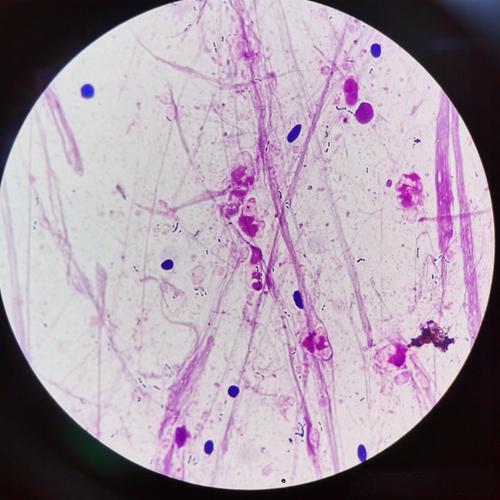
Treatment of Streptococcus pneumoniae pneumonia
Streptococcus pneumoniae pneumonia is a common respiratory infection characterized by symptoms such as fever, cough, and difficulty breathing. In a treatment case for pneumococcal pneumonia, the patient received intravenous injection of the clinical drug. After treatment, the patient's symptoms significantly improved and they eventually recovered and were discharged from the hospital. This case demonstrates significant efficacy in treating Streptococcus pneumoniae pneumonia.
Treatment of endocarditis
Endocarditis is a serious heart infection disease, usually caused by Gram positive bacteria such as Staphylococcus aureus. In a treatment case for endocarditis, the patient received intravenous injection of the clinical drug. After treatment, the patient's infection symptoms were effectively controlled and their heart function gradually recovered. This case demonstrates significant efficacy in treating endocarditis.


Treatment of sepsis
Sepsis is a serious systemic infectious disease, usually caused by multiple bacteria. In a case of sepsis treatment, the patient received intravenous injection of the clinical drug. After treatment, the patient's infection symptoms were effectively controlled and their vital signs gradually stabilized. This case demonstrates significant efficacy in treating sepsis.
Prevention of tuberculosis
In some cases, it can be used for the prevention of tuberculosis. For example, in the high-risk population with positive TB bacilli, the risk of tuberculosis can be reduced by using vancomycin hydrochloride. This use is mainly based on its antibacterial effect against Mycobacterium tuberculosis. However, it should be noted that tuberculosis can not be treated directly. It is mainly used to prevent the infection of tuberculosis bacilli.


Surgical prevention of infection
In some surgeries, doctors may administer medication to patients to prevent possible bacterial infections. For example, in high-risk surgeries such as cardiac surgery and orthopedic surgery, the use of this clinical drug can reduce the risk of postoperative infection. This use is mainly based on the broad-spectrum antibacterial effect of product and its sensitivity to various bacteria.

Pharmacology
The mechanism of action of vancomycin is a glycopeptide antibiotic, with vancomycin hydrochloride as its hydrochloride salt. Its mechanism of action is to bind with high affinity to the terminal peptide of the precursor peptide of sensitive bacterial cell walls, blocking the synthesis of high molecular weight peptidoglycans that make up the bacterial cell wall, resulting in cell wall defects and killing bacteria. In addition, it may also alter bacterial cell membrane permeability and selectively inhibit RNA synthesis. The characteristic of this medicine is its strong bactericidal effect on Gram positive bacteria; Oral administration has a good therapeutic effect on the treatment of difficult to distinguish Clostridium pseudomembranous colitis.
The antibacterial spectrum has strong antibacterial activity against Staphylococcus aureus, Staphylococcus epidermidis, Streptococcus pyogenes, Streptococcus pneumoniae, etc; It also has certain antibacterial effects on anaerobic streptococcus, difficult to distinguish Clostridium difficile, anthrax bacillus, actinomycetes, diphtheria bacillus, Neisseria gonorrhoeae, grass green streptococcus, bovine streptococcus, fecal streptococcus, etc. It is ineffective against most gram-negative bacteria, mycobacteria, rickettsia, chlamydia, or fungi.
Pharmacokinetics
Gastrointestinal malabsorption, intravenous administration can be widely distributed in most tissues and body fluids throughout the body. Intravenous infusion of 0.5g and 1.0g resulted in peak blood drug concentrations of 10-30mg/L and 25-50mg/L, respectively. The distribution volume of this drug is 0.43-1.25L/kg. Effective antibacterial concentrations can be achieved in serum, pleura, pericardium, peritoneum, ascites, and synovial fluid, with higher concentrations in urine but not in bile. Medications can pass through the placenta or enter breast milk, but cannot quickly penetrate the normal blood cerebrospinal fluid barrier and enter the cerebrospinal fluid. When the meninges are inflamed, they can infiltrate the cerebrospinal fluid and reach an effective antibacterial concentration. The protein binding rate of this drug is about 55%. The average elimination half-life for adults is 6 hours (4-11 hours), and for severe renal insufficiency, the half-life can be extended to 7.5 days; The half-life of elimination in children is about 2-3 hours. Drugs can be metabolized by the liver.
Source:
This product is (S α) - (3S, 6R, 7R, 22R, 23S, 26S, 36R, 38 α R) -44- [[2-O - (3-amino-2,3,6-trideoxy-3-methyl - α - L-laisu hexpyranosyl) - β - D-glucopyranosyl] oxy] -3- (aminoformylmethyl) -10,19-dichloro-2,3,4,5,6,23,24,25,26,36,37,38,38 α - tetradecahydro-7,22,28,30,32-pentahydroxy-6- [(2R) -4-methyl-2- (methylamino) pentanylamino] -2,5,24,38,39-pentaoxo-22H-8,11:18,21-diethylene-23,36- (iminomethene) -13,16:31,35-dimethylene-1H, 16H - [1,6,9] oxadiazocyclohexadecano [4,5-m] [10,2,16] benzodiazocyclotetradecane-26-carboxylic acid hydrochloride, calculated as anhydrous, has a potency of not less than 1050 vancomycin units per 1 mg.
adverse reaction
Vancomycin Hydrochloride is a glycopeptide antibiotic that has become the last line of defense for treating Gram positive bacterial infections since its first isolation from Streptomyces in 1956. Its unique chemical structure (formed by 7 peptide units through hydrogen bonding and hydrophobic interactions to form a rigid bowl like structure) enables it to effectively inhibit bacterial cell wall synthesis. However, with the widespread clinical application, its adverse reactions have gradually become a focus of attention.
Ototoxic reactions
Clinical manifestations and pathogenesis
The ototoxicity of it mainly manifests as auditory nerve damage, including tinnitus, ear fullness, hearing loss or even absence. When used at high doses (blood drug concentration exceeding 60-100mg/L) or for a long time, elderly people or those with renal dysfunction are more likely to experience it. The mechanism may be related to the accumulation of drugs in cochlear lymphatic fluid, which interferes with the metabolism of inner ear hair cells.


Animal experiments have shown that irreversible damage occurs to the outer hair cells of the cochlea in rats after continuous administration for 7 days.
Clinical Cases and Risk Factors
A retrospective study of 120 patients showed that among patients treated with it for ≥ 14 days, 12% experienced tinnitus and 5% experienced hearing loss. Risk factors include:
Dosage and treatment duration: Those with a daily dose greater than 4g or a treatment duration greater than 28 days have a threefold increased risk.
Renal insufficiency: Patients with creatinine clearance rate<30mL/min have a 5-fold increased risk.
Combination therapy: When used in combination with aminoglycoside antibiotics, the incidence of ototoxicity increases from 8% to 22%.


Monitoring and Management
It is recommended that long-term medication users undergo regular hearing tests, especially high-frequency hearing (4000-8000Hz) monitoring. The peak blood drug concentration should be controlled at 25-40mg/L, and the trough value should be less than 10mg/L. For patients with renal insufficiency, the dosage should be adjusted according to creatinine clearance rate.

High Performance Liquid Chromatography (HPLC)
HPLC is the gold standard for the quality control of the product and therapeutic drug monitoring. A commonly used C18 reversed-phase column is adopted, with triethylamine buffer–acetonitrile–tetrahydrofuran as the mobile phase under gradient elution, and the detection wavelength is set at 280 nm. Samples are prepared by protein precipitation (methanol/acetonitrile), with an injection volume of 20 μL and a flow rate of 1.0 mL/min. This method exhibits strong specificity and high precision, enabling the separation of vancomycin B from related impurities. System suitability requirements include a resolution of the main peak > 5.0 and a signal-to-noise ratio > 5.0. It features a wide linear range (25–175 μg/mL) and a recovery rate of 97%–101%, meeting the requirements of pharmacopoeias and clinical monitoring.
Ultraviolet-Visible Spectrophotometry (UV-Vis)
This method is suitable for rapid routine analysis. After protein precipitation, the absorbance of samples is measured at the characteristic wavelength range of 238–282 nm, and quantification is performed by the external standard method. It is simple, low-cost, with excellent linearity (R² > 0.999) and accuracy > 99%. However, it has weak anti-interference capacity and is susceptible to matrix and impurity interferences. Therefore, it is mostly used for preliminary content determination of bulk drugs and preparations, and is not suitable for accurate analysis of complex biological samples.
Immunoassay (IA)
It is a commonly used technique for clinical therapeutic drug monitoring. Based on the specific antigen-antibody binding, enzyme-linked immunosorbent assay and chemiluminescent immunoassay are frequently applied. It features simple operation, rapid detection and low sample consumption, making it suitable for batch clinical samples. Nevertheless, it is prone to cross-reactivity interference and its specificity is inferior to HPLC. It is mainly used for rapid screening, and abnormal results require re-verification by HPLC.
FAQ
What is vancomycin hydrochloride used for?
+
-
Vancomycin hydrochloride is an antibacterial prescription medicine approved by the U.S. Food and Drug Administration (FDA) for the treatment of certain bacterial infections, such as infections caused by Clostridium difficile and Staphylococcus aureus.
Is vancomycin considered a strong antibiotic?
+
-
Vancomycin can be considered one of the strongest because it acts on highly resistant bacteria such as MRSA. Other antibiotics such as telavancin, linezolid, and chloramphenicol can be used to treat infections when vancomycin fails.
Hot Tags: vancomycin hydrochloride cas 1404-93-9, suppliers, manufacturers, factory, wholesale, buy, price, bulk, for sale, tetravisc, Isoflurane Solution, Octreotide Acetate Powder, Adrenochrome Powder, BH4 Synthesis, D Pantothenic Acid Hemicalcium Salt CAS 137 08 6