


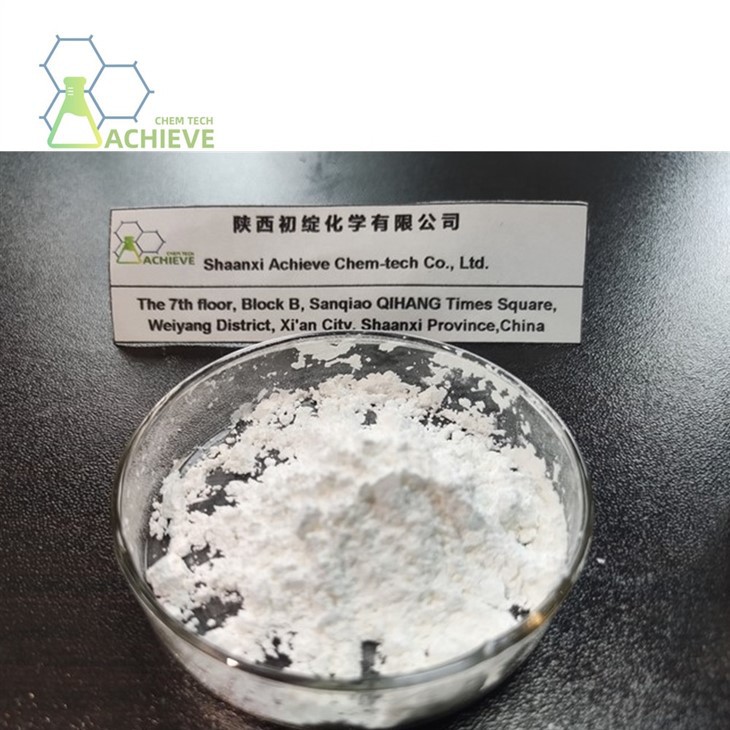


Shaanxi BLOOM Tech Co., Ltd. is one of the most experienced manufacturers and suppliers of vinpocetine cas 42971-09-5 in China. Welcome to wholesale bulk high quality vinpocetine cas 42971-09-5 for sale here from our factory. Good service and reasonable price are available.
Vinpocetine, chemical formula C22H26N2O2, CAS 42971-09-5, It is a white crystalline powder, odorless and tasteless. Soluble in chloroform or 96% ethanol, almost insoluble in water. Clinically used to improve various symptoms induced by sequelae of cerebral infarction, cerebral hemorrhage, cerebral arteriosclerosis, etc. A alkaloid extracted from plants in the Apocynaceae family, which is a derivative of Vincamine. Selective inhibition of calcium dependent phosphodiesterase in cerebral vascular smooth muscle increases cGMP and cAMP levels in the brain, leading to cerebral vasodilation and subsequently increasing cerebral blood flow, improving cerebral circulation, but has little effect on cardiovascular and blood pressure. Quick onset, good tolerance, and minimal adverse reactions. Used for dizziness, headache, memory impairment, mobility disorders, aphasia, hypertensive encephalopathy, etc., as well as for psychiatric or neurological symptoms caused by cerebral blood circulation disorders.

|
Chemical Formula |
C22H26N2O2 |
|
Exact Mass |
350 |
|
Molecular Weight |
350 |
|
m/z |
350 (100.0%), 351 (23.8%), 352 (2.7%) |
|
Elemental Analysis |
C, 75.40; H, 7.48; N, 7.99; O, 9.13 |
|
|
|


Changchun Xiting is a semi synthetic derivative of Changchun amine. Similar in function to vincamine, it has a high selective vasodilation effect on cerebral blood vessels. The pharmacological effects are as follows:
① Inhibiting calcium dependent phosphodiesterase activity increases the cAMP content in relaxed vascular smooth muscle, thereby relaxing vascular smooth muscle and increasing cerebral blood flow.
② Enhance the deformability of red blood cells, reduce blood viscosity, inhibit platelet aggregation, thereby improving blood flow and microcirculation.
③ Promote the uptake of glucose by brain tissue and facilitate the metabolic conversion of monoamine in the brain.
④ During cerebral ischemia, it can inhibit the increase of lactate in the brain, increase ATP content, suppress the production of peroxidized lipids in the brain, and delay the occurrence of cerebral ischemic spasms, thus improving brain metabolism and protecting brain function.

Vinpocetine is a natural medicine extracted from Changchun flowers, belonging to indole alkaloids. It has a wide range of applications in medicine, especially showing significant effects in the treatment of cerebrovascular diseases.
Basic information of Changchun Xiting
The chemical formula of Changchun Xiting is C22H26N2O2, with a molecular weight of 350.454. It appears as a white crystalline powder and is odorless and tasteless. It is soluble in chloroform or 96% ethanol, but almost insoluble in water. Changchun Xiting can be extracted from the small Changchun flower of the Apocynaceae family, or prepared by chemical synthesis methods. Its pharmacological effect is mainly achieved by inhibiting the activity of phosphodiesterase and increasing the action of cyclic phosphoguanosine, a messenger for vascular smooth muscle relaxation, thereby selectively increasing blood flow to the brain.
The main uses of Changchun Xiting
1. Treatment of ischemic cerebrovascular disease
Changchun Xiting is one of the important drugs for treating ischemic cerebrovascular diseases. Ischemic cerebrovascular disease is the necrosis or softening of brain tissue caused by insufficient blood supply to the brain, including cerebral infarction, cerebral thrombosis, etc. Changchun Xiting can dilate cerebral blood vessels, increase blood flow, thereby improving blood circulation in the brain and reducing damage to brain cells caused by ischemia and hypoxia. In addition, it can protect brain cells, reduce hypoxia damage to brain cells, and promote brain cell repair and regeneration.
2. Improve cerebral arteriosclerosis
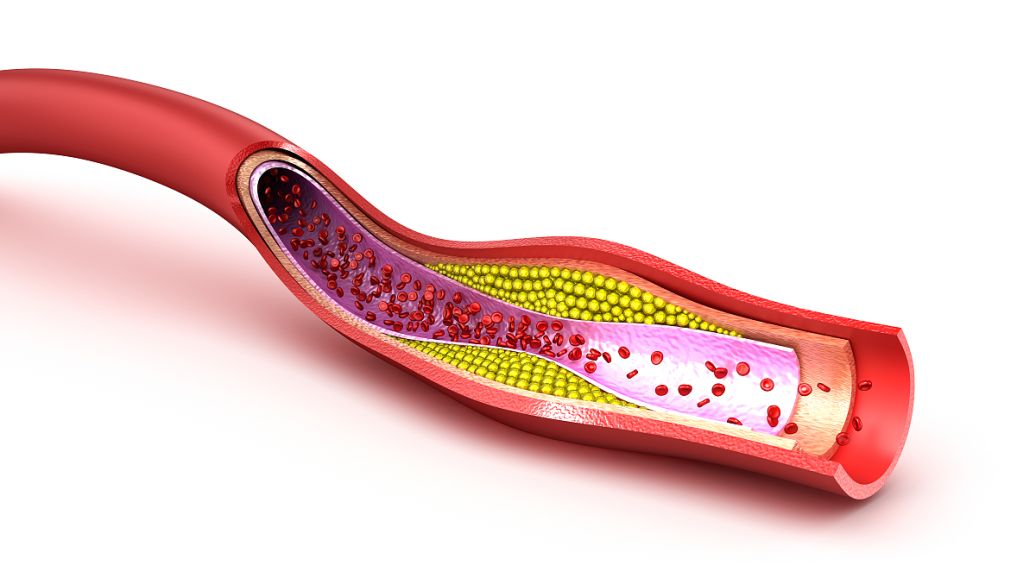
Cerebral arteriosclerosis is a blood circulation disorder in the brain caused by thickening, hardening, and narrowing of the cerebral artery walls. Changchun Xiting can reduce blood viscosity, inhibit platelet aggregation, improve microcirculation, and alleviate symptoms such as dizziness, vertigo, and headache caused by cerebral arteriosclerosis. At the same time, it can promote the uptake and utilization of glucose and oxygen by brain cells, increase ATP synthesis, reduce lactate production during ischemia and hypoxia, and further improve energy metabolism in the brain.

3. Relieve cerebral vasospasm
Cerebral vasospasm is caused by various factors leading to cerebral vasoconstriction, resulting in impaired blood circulation in the brain. Changchun Xiting can alleviate cerebral vasospasm, increase blood flow to the brain, and thus improve blood circulation in the brain. This has a significant effect on relieving symptoms such as headache and dizziness caused by cerebral vasospasm.
4. Improve brain memory function
Changchun Xiting can improve the memory function of the brain and alleviate age-related brain dysfunction. It enhances the memory ability of the brain by promoting the metabolism of brain cells, increasing their utilization of glucose and oxygen, and increasing their activity. This is of great significance for the prevention and treatment of symptoms such as dementia and memory loss in the elderly.


5. Antiplatelet aggregation and prevention and treatment of thrombosis
Changchun Xiting has an antiplatelet aggregation effect, which can inhibit platelet adhesion and aggregation, and prevent the formation of blood clots. This has a significant effect on preventing and treating thrombosis in cerebrovascular diseases. At the same time, it can also reduce the resistance of cerebral blood vessels, enhance blood circulation in the brain, and further improve blood supply to the brain.
6. Protect nerve cells
Changchun Xiting has antioxidant and neuroprotective effects, which can reduce nerve cell damage, promote nerve cell repair and regeneration. This is of great significance for treating neurodegenerative diseases and protecting the health of the nervous system.

Clinical application of Changchun Xiting

1. Treatment of sequelae of cerebral infarction
Cerebral infarction sequelae are various symptoms caused by cerebral blood circulation disorders resulting from cerebral infarction, including hemiplegia, aphasia, memory loss, etc. Changchun Xiting can improve blood circulation in the brain, promote the repair and regeneration of brain cells, and alleviate the symptoms of post-stroke sequelae. In clinical practice, it is commonly used to treat sequelae of cerebral infarction and has achieved significant results.
2. Treatment of sequelae of cerebral hemorrhage
The sequelae of cerebral hemorrhage are various symptoms caused by brain damage resulting from cerebral hemorrhage. Changchun Xiting can protect brain cells, reduce hypoxia damage to brain cells, and promote brain cell repair and regeneration. At the same time, it can also improve blood circulation in the brain, increase blood flow to the brain, and alleviate symptoms of cerebral hemorrhage sequelae. In clinical practice, vinpocetine is also commonly used to treat sequelae of cerebral hemorrhage.


3. Adjuvant treatment for cerebral arteriosclerosis
Cerebral arteriosclerosis is one of the important causes of cerebral blood circulation disorders. Changchun Xiting can reduce blood viscosity, inhibit platelet aggregation, improve microcirculation, and thus assist in the treatment of cerebral arteriosclerosis. It can improve the energy metabolism of brain cells, enhance their utilization of glucose and oxygen, and further improve blood circulation and energy supply to the brain.
4. Improve cognitive function
Changchun Xiting can improve the memory and cognitive functions of the brain, and has significant effects on preventing and treating symptoms such as dementia and memory loss in the elderly. It enhances the cognitive ability of the brain by promoting the metabolism and energy metabolism of brain cells, increasing their activity.


5. Other applications
In addition to the main applications mentioned above, it can also be used to treat diseases such as hypertensive encephalopathy, cerebral vasospasm, migraine, etc. It can dilate cerebral blood vessels, increase blood flow, improve blood circulation and energy metabolism in the brain, thereby alleviating these symptoms.

Changchun Xiting can be extracted from Vinca minor, a plant in the Apocynaceae family, using (+) - vincamine as raw material. It is dehydrated to Apovincamine and then hydrolyzed to obtain its acid Apovincaminic acid. Dissolve 1.0g of the acid (0.003mol) and 0.17g of potassium hydroxide in 80mL of dry ethanol, add 0.4g of bromoethane (0.0036mol), and reflux for 3 hours. After the reaction is complete, cool and evaporate to dryness. Dissolve the residue in 500mL of 2% sulfuric acid and adjust the pH to 8. Extract with dichloromethane, dry with potassium carbonate, evaporate most of the dichloromethane, and then add ethanol. Leave overnight at 0 ℃, filter and collect the precipitated crystals, wash with cold ethanol, dry, and obtain 0.66g of vinpocetine.

It can also be synthesized through multiple steps using (-) - glycyrrhizine extracted from the leaves of the Oleander family plant Licorice or from the seeds of Changchun flower. The total synthesis method uses serotonin as the raw material and obtains it through the following reaction.


Repeated administration
Rats were orally administered with product at doses of 5, 25, 125, and 625 mg/kg for 5 consecutive weeks. The high-dose groups showed inhibition of body weight gain, increased water intake, increased liver and kidney weight, and increased small lipid droplets in the adrenal cortex cystic zone; In the 625mg/kg group, there was a possible blackening of urine and feces color, an increase in thyroid and adrenal gland weight, and thyroid follicular epithelial hypertrophy due to metabolites of product. The above changes will be restored after discontinuation of medication. The non-toxic dose of this experiment was 25mg/kg. Rats were orally administered with this product at doses of 5, 20, and 80mg/kg daily for 26 consecutive weeks. The dose group animals showed transient inhibition of weight gain and an increase in liver weight. Mild swelling and degeneration of renal tubular epithelium were also observed in male rats, but no abnormal changes were observed in blood biochemical indicators. Dogs were orally administered with this product at doses of 5 and 25mg/kg daily for 6 consecutive months, and no animal deaths were observed. Blood biochemistry and histological examinations showed no abnormal changes.
Reproductive toxicity
Oral administration of 25-125mg/kg/day of product to rats before and after pregnancy did not show any abnormalities in female fertility or fetal development. However, animals in the high-dose group showed inhibition of weight gain and an increase in liver, kidney, and adrenal gland weight. During the teratogenic sensitive period in rats, oral administration of vinpocetine at doses of 5, 25, and 125 mg/kg/day resulted in increased fetal death and developmental inhibition in the high-dose group; During the sensitive period of rabbit teratogenicity, animals in the group treated with oral administration of product at doses of 1, 5, 25, and 125 mg/kg/day experienced miscarriage. The live offspring of both animals showed no abnormalities. No teratogenic effects were observed. The results of rat experiments suggest that it can be secreted through breast milk.
adverse reaction
Vinpocetine is an alkaloid derivative extracted or artificially synthesized from Changchun flowers. Since its launch in the 1970s, it has been widely used in the treatment of ischemic cerebrovascular disease. It has become a commonly used neuroprotective agent in clinical practice by increasing cerebral blood flow, improving brain metabolism, anti-inflammatory, antioxidant and other multi-target effects. However, with the popularization of clinical applications, its adverse reactions have gradually received attention.
Common adverse reactions
Cardiovascular system response
Vinpocetine can dilate cerebral blood vessels and may also cause peripheral blood vessel dilation, leading to a mild decrease in blood pressure. A clinical study involving 500 patients showed an average decrease of 5-10mmHg in systolic blood pressure and 3-5mmHg in diastolic blood pressure after medication, with an incidence rate of approximately 12%. Lower blood pressure is more common in the early stages of medication and usually does not require special treatment. However, severe hypotension (systolic blood pressure<90mmHg) may induce dizziness and fainting, and dosage adjustment or discontinuation of medication is necessary.
Some patients experience an increase in heart rate (>100 beats per minute) after medication, with an incidence rate of approximately 8%. The mechanism may be related to drug stimulation of the sympathetic nervous system or direct action on myocardial cells. Tachycardia is often transient, but patients with concomitant coronary heart disease may develop angina and require close monitoring.
Digestive system response
Nausea, vomiting, and decreased appetite are the most common digestive system adverse reactions of Vinpocetine, with an incidence rate of approximately 15% -20%. The mechanism may be related to drug stimulation of the gastric mucosa or abnormal regulation of the central nervous system. Symptoms often appear within 30 minutes after medication, and taking medication after meals can reduce the incidence rate.
A small number of patients may experience mild elevation of transaminases (ALT, AST) after medication, with an incidence rate of about 3% -5%. A long-term follow-up study showed that among those who took medication continuously for 6 months, 1.2% had ALT levels greater than 3 times the upper limit of normal, which could be restored after discontinuation of medication. Abnormal liver function may be related to the accumulation of drug metabolites or immune-mediated liver injury.
Neurological response
Headache is the most common neurological adverse reaction of Vinpocetine, with an incidence rate of about 10% -15%, mostly mild to moderate, presenting as pulsatile or tight feeling. The incidence of dizziness is about 8%, which may be related to changes in cerebral hemodynamics or stimulation of the vestibular system. Symptoms usually subside within one week after medication, and in severe cases, medication should be discontinued.
Some patients experience drowsiness and fatigue after medication, with an incidence rate of about 5% -8%. The mechanism may be related to the inhibitory effect of drugs on the central nervous system. Fatigue is mostly transient and does not affect daily activities, but drivers or operators of machinery should be cautious.
Allergic reactions
Rash and itching are the most common allergic reactions of Vinpocetine, with an incidence rate of about 2% -3%. The rash is mostly papules, distributed on the trunk or limbs, and can disappear on its own after stopping the medication. Severe cases may present with urticaria and angioedema, requiring immediate discontinuation of medication and treatment with antihistamines.
A rare but severe allergic reaction is anaphylactic shock, with an incidence rate of less than 0.1%. The mechanism is IgE mediated type I hypersensitivity reaction, manifested as sudden drop in blood pressure, difficulty breathing, and loss of consciousness. Once it occurs, the medication should be stopped immediately and emergency measures such as adrenaline and glucocorticoids should be given.
Hot Tags: vinpocetine cas 42971-09-5, suppliers, manufacturers, factory, wholesale, buy, price, bulk, for sale, epinephrine hcl powder, CAS 1332939 27 1, 1 3 5 dimethylphenyl 6 1 methylethyl isoquinoline, 3 Nitrobenzaldehyde 99 , 9 9 Spirobi 9H fluorene 2 7 diamine, 3 6 4 4 5 5 tetramethyl 1 3 2 dioxaborolan 2 yl dibenzo b d furan 4 yl pyridine