




3-Iodoanisole is a highly valuable aromatic iodonated compound and phenolic compound in organic synthesis. Its molecular structure is composed of a benzene ring, an iodine atom located in the meta position, and a hydroxyl group. This combination endows it with unique dual reactivity: the iodine atom acts as an excellent leaving group and electrophilic site, enabling it to efficiently participate in palladium-catalyzed cross-coupling reactions (such as Suzuki, Heck, and Ullmann reactions), thereby constructing complex biaryl or functionalized molecular frameworks; meanwhile, the phenolic hydroxyl group not only has acidic properties that can form salts to improve solubility, but also can participate in molecular self-assembly or act as derivatization sites (such as forming ether or ester compounds) through hydrogen bonding. Due to the interposition of the iodine atom and the hydroxyl group, the electronic effects of the two are minimally influenced by each other, maintaining the independence of their respective reactions. This special spatial and electronic structure makes it an ideal building block for the synthesis of natural products, pharmaceutical intermediates (such as thyroid hormone analogues), liquid crystal materials, and as precursors for X-ray contrast agents or PET imaging probes. Moreover, its large atomic radius and heavy atom effect also make it show potential application value in materials science and photophysics research.
Additional information of chemical compound:
|
Chemical Formula |
C6H5IO |
|
Exact Mass |
219.94 |
|
Molecular Weight |
220.01 |
|
m/z |
219.94 (100.0%), 220.94 (6.5%) |
|
Elemental Analysis |
C, 32.76; H, 2.29; I, 57.68; O, 7.27 |
|
Melting point |
42-44℃ (lit.) |
|
Boiling point |
190℃ / 100mmHg |
|
Density |
1.8665 (estimate) |
|
Storage conditions |
2-8℃ |
|
|
|

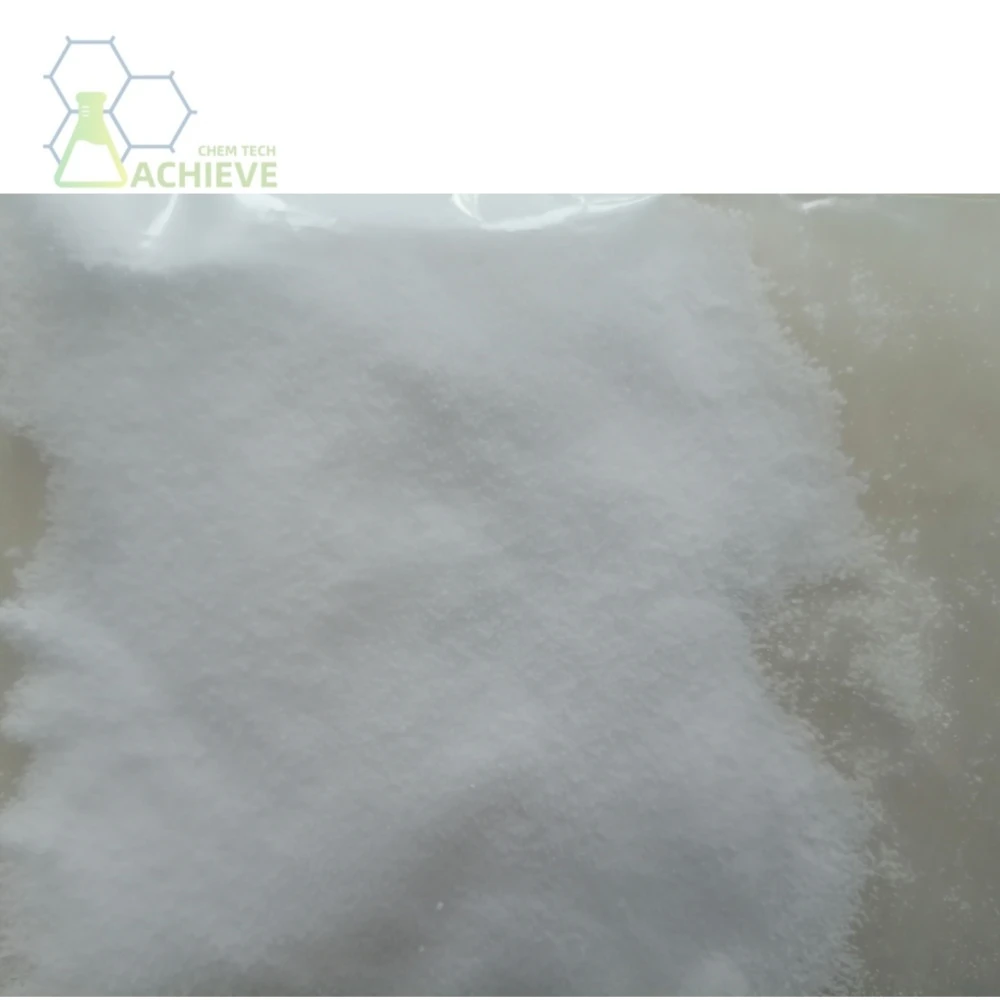

3-iodophenol, also known as meta iodophenol, is an important organic compound with a wide range of applications in various fields. The following is a detailed explanation of its purpose:
It also has a wide range of applications in the field of medicinal chemistry. The special properties of iodine atoms and phenolic hydroxyl groups in its structure enable the compound to interact with specific molecules in the body, thereby exerting pharmacological effects.
Preparation of biological hormones: As one of the key raw materials, this substance plays an important role in the preparation of biological hormones. By coupling the iodine units in its structure, different functional groups can be connected to synthesize compounds with specific biological activities. These compounds have potential applications in regulating hormone balance and promoting growth and development in organisms.
Synthesis of drug molecules: It can also be used as a raw material for synthesizing other drug molecules. For example, by modifying and altering its structure, drug molecules with anti-tumor, anti-inflammatory, antibacterial and other activities can be synthesized. These drug molecules have broad application prospects in the field of clinical medicine and can be used to treat various diseases.

Other applications

In addition to being used as an intermediate in organic synthesis and pharmaceutical chemistry, it can also be applied in other fields.
Synthesis of pesticides: It can be used as one of the raw materials for synthesizing pesticides. By modifying and modifying its structure, pesticide molecules with insecticidal, bactericidal, and herbicidal activities can be synthesized. These pesticide molecules have a wide range of application value in agricultural production, which can improve crop yield and quality.
Synthesis of dyes: It can also be used for synthesizing dyes. By modifying and altering its structure, dye molecules with different colors and properties can be synthesized. These dye molecules have broad application prospects in the fields of textiles, printing and dyeing, and can be used in dyeing and printing processes.
The synthesis of spices: It can also be used as one of the raw materials for synthesizing spices. By modifying and altering its structure, spice molecules with different fragrances and properties can be synthesized. These spice molecules have wide application value in fields such as food and cosmetics, and can be used to enhance the aroma and taste of products.

3-iodophenol, also known as meta iodophenol, is an important organic compound with broad application potential in multiple fields. With the continuous advancement of science and technology and the deepening of people's understanding of the properties of organic compounds, its development prospects are becoming increasingly broad. The following is a detailed analysis of its development prospects:

Optimization of synthesis methods:At present, the synthesis methods of 3-iodophenol mainly include diazotization reaction and iodination reaction of 3-aminophenol, and debenzylation reaction of 1-benzyloxy-3-iodobenzene. However, these methods have problems such as harsh reaction conditions, low yields, and environmental pollution. Therefore, it is necessary to continuously optimize and improve the synthesis method of 3-iodophenol, increase yield and purity, reduce production costs and environmental pollution. In the future, more efficient and environmentally friendly synthesis routes can be explored, such as using catalysts, microwave radiation, ultrasound and other technological means to improve reaction rates and yields. Meanwhile, new synthesis methods such as biotransformation and electrochemical synthesis can also be studied to provide more options for the synthesis of 3-iodophenol.
Development of new application areas: With the continuous advancement of science and technology and the deepening of people's understanding of the properties of 3-iodophenol, its application fields will become more extensive. In the future, further exploration can be conducted on the application of 3-iodophenol in the development of new drugs, preparation of high-performance materials, and environmental protection fields. In the development of new drugs, the structural characteristics and biological activity of 3-iodophenol can be utilized to design and synthesize drug molecules with specific pharmacological effects. In the preparation of high-performance materials, the chemical reactivity of 3-iodophenol can be utilized to synthesize new materials with excellent properties. In the field of environmental protection, the degradation performance of 3-iodophenol can be utilized to develop environmentally friendly catalysts and degradation agents for treating pollutants such as industrial wastewater and exhaust gas.


The promotion of interdisciplinary research: The development of 3-iodophenol cannot be separated from the promotion of interdisciplinary research. In the future, cross disciplinary research in fields such as chemistry, biology, materials science, and environmental science can be strengthened to jointly promote the development of 3-iodophenol. Through interdisciplinary research, we can gain a deeper understanding of the properties and potential applications of 3-iodophenol, providing more innovative ideas and technical support for its future development.
Development trend
In the future, the development trend of 3-iodophenol will present the following characteristics: firstly, its application fields will be more extensive, especially in the research and development of new drugs, preparation of high-performance materials, and environmental protection fields, where there will be more innovative applications; Secondly, the synthesis method will be more efficient and environmentally friendly, reducing production costs and environmental pollution; Thirdly, interdisciplinary research will be more in-depth, promoting the innovative development of 3-iodophenol; Fourthly, market competition will become more intense, and enterprises need to continuously improve product quality and service levels to cope with market challenges.


Challenges Faced
In the development process of 3-iodophenol, it also faces some challenges. For example, how to further improve the yield and purity of 3-iodophenol, reduce production costs and environmental pollution; How to develop more efficient and environmentally friendly synthesis methods; How to strengthen interdisciplinary research and technological innovation to promote the innovative development of 3-iodophenol, etc. These challenges require joint efforts from governments, businesses, and research institutions to address and solve.
3-iodophenol, as an important organic compound, has a wide range of applications in various fields such as chemical industry, pharmaceutical industry, and materials science. However, its production and use may have a certain impact on the environment. The following is a detailed explanation of its environmental impact:
1.The impact of 3-iodophenol on the environment
Water pollution
Although the solubility of m-iodophenol in water is not high, it may pose a threat to aquatic ecosystems once it enters the water. It may cause acute or chronic toxicity to aquatic organisms, affecting their growth, reproduction, and survival. In addition, meta iodophenol may undergo bioaccumulation in water bodies, gradually amplifying in the food chain and ultimately posing a threat to human health.
Soil pollution
The migration and transformation of m-iodophenol in soil are influenced by various factors, including soil properties, climatic conditions, and microbial activity. In soil, meta iodophenol may be degraded by microorganisms, but the degradation rate and degree depend on the type and conditions of the soil. If the degradation is not complete, m-iodophenol may remain in the soil for a long time, which can have a negative impact on the soil ecosystem and plant growth.
Air pollution
Iodine phenol may evaporate into the air during production and use, causing air pollution. Its volatility depends on factors such as temperature, humidity, and air flow. In the air, meta iodophenol may interact with other pollutants through photochemical reactions, forming more complex pollutants that pose greater harm to human health and the environment.
2. Environmental management and control measures for 3-iodophenol
In order to reduce the harm of m-iodophenol to the environment, a series of environmental management and control measures need to be taken. These measures include:
source control:Advanced production processes and equipment should be used in the production of iodophenol to reduce the generation of wastewater, waste gas, and solid waste. At the same time, quality control of raw materials and products should be strengthened to ensure safety and environmental protection during the production process.
waste water treatment: For wastewater containing meta iodophenol, appropriate wastewater treatment techniques should be used for purification. This includes physical, chemical, and biological methods, among others. By selecting appropriate wastewater treatment processes and equipment, 3-iodophenol and other pollutants in wastewater can be effectively removed, reducing their pollution to water bodies.
waste gas treatment: For waste gas containing meta iodophenol, appropriate waste gas treatment techniques should be used for purification. This includes absorption method, adsorption method, catalytic oxidation method, etc. By selecting appropriate exhaust gas treatment processes and equipment, 3-iodophenol and other harmful gases in exhaust gas can be effectively removed, reducing their pollution to the air.
solid waste treatment: For solid waste containing 3-iodophenol, appropriate solid waste treatment methods should be used for disposal. This includes incineration, landfilling, and resource utilization. During the processing, relevant environmental regulations and standards should be strictly followed to ensure the safety and harmlessness of solid waste.
Environmental monitoring and supervision: In order to timely detect and solve the pollution problem of iodine phenol on the environment, environmental monitoring and supervision should be strengthened. This includes regular monitoring and inspection of enterprises producing and using 3-iodophenol to ensure that their wastewater, exhaust gas, and solid waste treatment comply with relevant environmental regulations and standards. At the same time, monitoring of water quality, air quality, and soil quality in environmentally sensitive areas should be strengthened to promptly identify and address potential environmental pollution issues.
Emergency response and contingency plan: In order to cope with potential environmental pollution accidents caused by meta iodophenol, a comprehensive emergency response plan should be developed. This includes clarifying the organizational structure, division of responsibilities, and emergency response procedures for emergency response. At the same time, regular emergency drills and training activities should be organized to improve emergency response capabilities and levels.
Frequently Asked Questions
What is the density of 3 Iodoanisole?
+
-
1.965 g/mL at 25 °C (lit.)
What is the CAS number of 1 iodo 3 Methoxybenzene?
+
-
1-IODO-3-METHOXYBENZENE | CAS 766-85-8.
What is the density of 3 Iodoaniline?
+
-
1.821 g/mL.
How to remove aniline from water?
+
-
Conventional techniques such as, adsorption, extraction, the chemical oxidation, the catalyzed process the electrochemical, the enzymatic process and the irradiation reported for anilines separation and determination in water samples.
Does anisole dissolve in water?
+
-
Insoluble in water and the same density as water. Vapors heavier than air. Moderately toxic by ingestion.
Hot Tags: 3-iodophenol cas 626-02-8, suppliers, manufacturers, factory, wholesale, buy, price, bulk, for sale, 4 Iodopyrazole CAS 3469 69 0, N Ethoxycarbonyl 2 ethoxy 1 2 dihydroquinoline, 4 METHYL 2 METHYLSULFANYL PYRIMIDINE CAS 14001 63 9, Phenylglyoxylic Acid, Bromocyclohexane CAS 108 85 0, 5 Chloro 2 Nitrotoluene CAS 5367 28 2