




Shaanxi BLOOM Tech Co., Ltd. is one of the most experienced manufacturers and suppliers of 4-aminopyridine powder cas 504-24-5 in China. Welcome to wholesale bulk high quality 4-aminopyridine powder cas 504-24-5 for sale here from our factory. Good service and reasonable price are available.
4-aminopyridine Powder is an organic compound with the chemical formula C5H6N2, CAS 504-24-5, Colorless needle shaped crystals, also described as white to pale yellow crystals in some sources. Soluble in water, ether, benzene, easily soluble in ethanol, commonly used as an intermediate in pesticides, pharmaceuticals, and dyes. As an intermediate for pesticides, pharmaceuticals, and dyes, it has wide applications in organic synthesis and pharmaceutical industry. It is an important raw material for the preparation of cardiac stimulants, sterilizers, antiarrhythmic drugs, anti ulcer drugs, antispasmodic drugs such as Miriviline, and new antihypertensive drugs such as pinacidil. It has wide application value and development prospects in the dye industry. As a dye intermediate, it provides key raw materials for textile dyeing and printing, promoting the development and innovation of the dye industry. With the development of the textile industry and the increasing demand for textile quality from consumers, the requirements for dye performance are also becoming higher and higher.
|
|
|


|
C.F |
C5H6N2 |
|
E.M |
94 |
|
M.W |
94 |
|
m/z |
94 (100.0%), 95 (5.4%) |
|
E.A |
C, 63.81; H, 6.43; N, 29.77 |

4-aminopyridine powder, as an important organic compound with the chemical formula C5H6N2, not only has wide applications in the fields of medicine and pesticides, but also plays an indispensable role in the dye industry. As a dye intermediate, it provides key raw materials for dye synthesis in industries such as textiles, promoting the development and innovation of the dye industry.
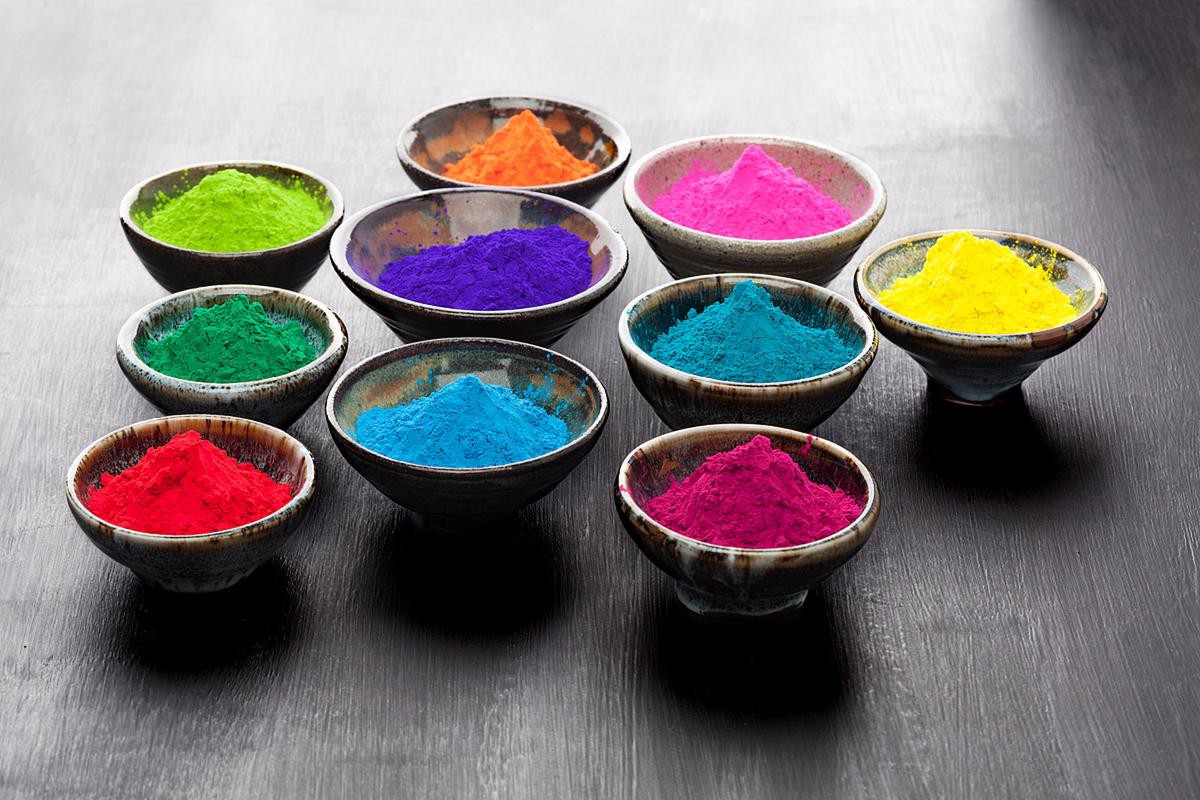
In the process of dye synthesis, it often serves as an important reaction intermediate, participating in various chemical reactions to generate dyes with specific colors and properties. Its unique chemical structure, especially the presence of amino and pyridine rings, makes 4-aminopyridine highly reactive and selective in dye synthesis. By reacting with other chemical raw materials, 4-aminopyridine can be converted into various dye molecules with excellent dyeing properties.
Specific applications in the dye industry
(1) Synthetic azo dyes
Azo dyes are an important class of synthetic dyes widely used in textile dyeing and printing. Can serve as a key intermediate in the synthesis of azo dyes. By reacting with diazonium salts, it can be converted into precursors of azo dyes, which can then undergo further chemical reactions to produce azo dyes with bright colors and good dyeing properties. This type of dye not only has rich colors, but also has good washing and sun resistance properties, and is widely used for dyeing various fibers such as cotton, linen, silk, and wool.


(2) Synthesis of anthraquinone dyes
Anthraquinone dyes are another important type of synthetic dye, with advantages such as bright color and good light resistance. In the synthesis process of anthraquinone dyes, they can be used as starting materials or reaction intermediates to participate in the synthesis or modification of anthraquinone rings. Through a series of complex chemical reactions, it can be converted into dye molecules with anthraquinone structure, which can then be used for textile dyeing.
(3) Synthetic heterocyclic dyes
Heterocyclic dyes are a class of dyes with complex structures and unique properties, possessing excellent dyeing performance and characteristics such as light resistance and washing resistance. The pyridine ring of this substance, as a heterocyclic structure, provides an important raw material for the synthesis of heterocyclic dyes. By reacting with other chemical raw materials, it can be converted into dye molecules with heterocyclic structures, which have unique application value in textile dyeing.

Examples in the dye industry
Here are some specific application examples in the dye industry:

(1) Synthesis of Blue Azo Dyes
Starting from 4-aminopyridine, a bright blue azo dye can be synthesized through diazotization and coupling reactions. This dye not only has a full color, but also has good washing and sun resistance, making it particularly suitable for dyeing cotton fabrics. In practical applications, this dye can be blended with other dyes to achieve richer color effects.
(2) Synthesis of Red Anthraquinone Dyes
Using it as a starting material, a series of complex chemical reactions can be carried out to synthesize an anthraquinone dye with a bright red color. This dye has excellent light and wash resistance, and is particularly suitable for dyeing high-end textiles such as silk and wool. In practical applications, this dye can be color matched with other dyes to meet the needs of different customers.


(3) Synthesis of functional heterocyclic dyes
The pyridine ring structure makes it a starting material for synthesizing functional heterocyclic dyes. By reacting with other chemical raw materials, heterocyclic dyes with specific functions can be synthesized, such as dyes with antibacterial and UV resistant properties. This type of dye has broad application prospects in textile dyeing and functional finishing.

4-aminopyridine powder, as an important organic compound, has a unique chemical structure and properties that make it widely applicable in the pesticide industry.
Specific applications in the pesticide industry

Can serve as an important intermediate for synthesizing insecticides. By reacting with other chemical raw materials, various compounds with high insecticidal activity can be synthesized. For example, it can react with certain aldehyde compounds to generate aldehyde oxime compounds with insecticidal activity. These compounds have strong contact killing and gastric toxicity effects on pests, effectively controlling their reproduction and harm.
Specific examples include: certain countries have approved insecticides using this substance as an intermediate for agricultural production. These insecticides have shown good insecticidal effects and low toxicity in field trials, with minimal harm to crops and the environment.
(2) Synthetic fungicide
It can also serve as an important intermediate for synthesizing fungicides. By reacting with other chemical raw materials, various compounds with high bactericidal activity can be synthesized. These compounds have strong inhibitory effects on plant pathogens and can effectively control the occurrence and spread of diseases.
For example, it can react with certain acyl chloride compounds to generate pyridine amide compounds with bactericidal activity. These compounds have good control effects on various plant pathogens, such as rice blast disease and wheat Fusarium head blight. They can protect crops from diseases by inhibiting the growth and reproduction of pathogens.
In addition, it can also react with some sulfur-containing compounds to generate thiopyridine compounds with bactericidal activity. These compounds have strong penetration and bactericidal activity against plant pathogens, and can effectively control the occurrence and spread of diseases.

Specific examples include: certain pesticide companies have successfully developed fungicide products using this substance as an intermediate, which have been widely used in agricultural production. These fungicides have shown good control effects and low toxicity in field trials, with minimal harm to crops and the environment.

In addition to insecticides and fungicides, it can also serve as an important intermediate in the synthesis of herbicides. By reacting with other chemical raw materials, various compounds with high weed killing activity can be synthesized. These compounds have strong growth inhibitory effects on weeds and can effectively control their growth and harm.
For example, 4-aminopyridine can react with certain carboxylic acid compounds to produce pyridine carboxylic acid ester compounds with herbicidal activity. These compounds have good control effects on various weeds, such as grasses and broadleaf weeds. They can increase crop yield and quality by inhibiting the growth and development of weeds.
In addition, it can also react with some nitrogen-containing compounds to generate pyridine nitrogen heterocyclic compounds with herbicidal activity. These compounds have strong internal absorption and transmission effects on weeds, which can quickly enter their bodies and disrupt their physiological functions, thus achieving the goal of weed control.
Specific examples include: certain pesticide companies have successfully developed herbicide products using this substance as an intermediate, which have been widely used in agricultural production. These herbicides have shown good weed control effects and low toxicity in field trials, with minimal harm to crops and the environment.
Case analysis in the pesticide industry
Here are some specific application examples in the pesticide industry:
(1) Application examples of insecticides
A pesticide company has developed an insecticide product using this substance as an intermediate. This product has significant control effects on pests such as aphids and whiteflies. In field trials, the insecticidal effect of the product reached over 90% and had no adverse effects on crop growth. In addition, the product has low toxicity and minimal harm to the environment and human health, which meets the development requirements of modern pesticides.


(2) Application examples of fungicides
Another pesticide company has successfully developed a highly effective fungicide product using it as an intermediate. This product has good control effects on plant pathogens such as rice blast disease and wheat Fusarium head blight. In field trials, the sterilization effect of this product reached over 85%, and it has a promoting effect on crop growth. In addition, the product has low toxicity and minimal harm to the environment and human health, making it suitable for green agricultural production.
(3) Application examples of herbicides
A certain pesticide company also used 4-aminopyridine powder as an intermediate to develop a herbicide product with high weed control activity. This product has significant control effects on grass weeds, broad-leaved weeds, etc. In field trials, the weed control effect of this product reached over 95% and had no adverse effects on crop growth. In addition, the product has low toxicity and minimal harm to the environment and human health, meeting the safety requirements of modern pesticides.

adverse reaction
4-Aminopyridine (4-AP) is a compound with a specific chemical structure and pharmacological activity. It has certain applications in the medical field, especially in the treatment of certain neurological diseases, demonstrating unique roles. However, like other drugs, 4-aminopyridine powder may also cause a series of adverse reactions during use.
Adverse reactions to the nervous system
Dizziness and vertigo
This is one of the more common adverse reactions. The excitatory effect of 4-aminopyridine on the nervous system may interfere with the normal balance regulation mechanism of the brain, leading to dizziness and vertigo in patients. This feeling may be more pronounced in the early stages of medication, and as the body adapts to the medication, some patients' symptoms may be alleviated. However, for some sensitive patients, dizziness and vertigo may persist, affecting their daily life and activity ability, such as unstable walking and easy falls.
Tremor
Medications may affect the motor regulation pathways of the nervous system, causing involuntary tremors in the limbs. This tremor can be subtle or more pronounced, affecting the patient's fine motor skills such as writing and holding chopsticks. The occurrence of tremors may be related to the effects of drugs on motor regulatory centers such as the basal ganglia, which interfere with normal nerve signal transmission and muscle contraction coordination.
Seizures
Although relatively rare, 4-aminopyridine has a risk of inducing epileptic seizures. Due to its ability to enhance neurotransmitter release and excite neurons, it may lead to an excessive increase in excitability of brain neurons, exceeding the threshold for epileptic seizures, thereby triggering epileptic seizures. There are various forms of epileptic seizures, including generalized tonic clonic seizures, partial seizures, etc., which pose a serious threat to the health of patients and require timely treatment.
Anxiety and Insomnia
The stimulating effect of drugs on the nervous system may affect the emotional and sleep centers of patients. Patients may experience anxiety, manifested as excessive worry, nervousness, etc. Meanwhile, sleep disorders are also quite common, manifested as difficulty falling asleep, shallow sleep, and easy awakening. Long term insomnia and anxiety can further affect the physical and mental health and quality of life of patients.
Adverse cardiovascular reactions
Palpitations
4-aminopyridine may affect the electrophysiological activity of the heart, leading to palpitations such as increased heart rate and palpitations. This is due to the influence of drugs on the sympathetic nervous system or their direct effect on the ion channels of the heart, which increases the autonomy of the heart and changes the heartbeat rhythm. Palpitations may cause discomfort and fear in patients, especially when the symptoms worsen during activity or emotional excitement.
Arrhythmia
A more serious cardiovascular adverse reaction is arrhythmia. Medications may interfere with the normal electrical conduction system of the heart, leading to various types of arrhythmias such as supraventricular tachycardia and premature ventricular contractions. The occurrence of arrhythmia may affect the pumping function of the heart, leading to circulatory disorders, and in severe cases, even endangering life. For patients with underlying heart disease, the risk of developing arrhythmia may be higher.
Elevated blood pressure
Some patients may experience elevated blood pressure after using 4-aminopyridine. This may be related to factors such as sympathetic nervous system excitation and vascular constriction induced by drugs. Elevated blood pressure can increase the burden on the heart, and long-term hypertension may also cause damage to important organs such as the heart, brain, and kidneys. Therefore, close monitoring of blood pressure changes is necessary.
4-Aminopyridine powder exemplifies the convergence of chemistry, medicine, and agriculture. From revitalizing motor function in MS patients to safeguarding crops from avian pests, its applications are as diverse as they are impactful. However, its toxicological profile demands rigorous safety measures. As research unveils new therapeutic targets and sustainable synthesis methods, 4-AP is poised to remain a cornerstone of scientific and industrial progress well into the future.
Hot Tags: 4-aminopyridine powder cas 504-24-5, suppliers, manufacturers, factory, wholesale, buy, price, bulk, for sale, Indicator Reagent, tetravisc, CAS 2408302 78 1, DIMETHYLPHOSPHINE OXIDE, diphenylcarbazide reagent, 4 4 4 4 6 diphenyl 1 3 5 triazin 2 yl phenyl naphthalen 1 yl biphenyl 4 carbonitrile