




Maleimide, has the molecular formula C4H3NO2 and CAS 541-59-3. It appears as colorless needle shaped crystals or thin flakes with a light brown luster. It has a sweet taste and is a white or grayish white powder- Freeze, dry, and avoid light below 20 ℃. Long term storage under inert gas (argon or nitrogen) protection, soluble in dichloromethane, polar organic solvents (DMF, DMSO), alcohols, and low water. The Michael addition reaction in which it participates is a commonly used method for synthesizing succinimide compounds. In recent years, due to the development of chiral synthesis technology, asymmetric Michael addition reactions have become one of the research hotspots for many scientists. The Michael addition reaction of maleimid can be divided into Michael addition reaction of maleimid with carbon atom and Michael addition reaction of maleimi with heteroatoms according to the different addition atoms. Customization is possible, and the customization time period can be communicated with us.

|
|
|


|
Chemical Formula |
C4H3NO2 |
|
Exact Mass |
97 |
|
Molecular Weight |
97 |
|
m/z |
97 (100.0%), 98 (4.3%) |
|
Elemental Analysis |
C, 49.49; H, 3.12; N, 14.43; O, 32.96 |

Maleimide, as an important organic compound, has demonstrated extensive application value in various fields such as chemistry, biomedicine, and materials science. The following is a detailed description of its purpose:
Chemical synthesis field
Maleimide is often used as a key intermediate in organic synthesis, participating in the construction of various complex organic molecules. Its unique chemical structure enables it to undergo specific chemical reactions with other compounds, thereby synthesizing organic molecules with specific functions. For example, in rhodium catalyzed arylation reactions, Maleimide can bind with arylboronic acid to generate maleimide derivatives with specific substituents, which have important application value in drug synthesis, material preparation, and other fields.
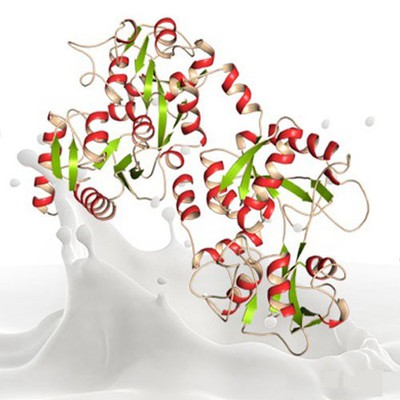

Maleimide can also be used for the synthesis of polymers. By copolymerizing Maleimide monomer with other monomers, polymer materials with specific properties can be prepared. For example, by copolymerizing Maleimide with monomers such as styrene, polymers with good thermal stability and mechanical properties can be prepared, which have a wide range of applications in coatings, adhesives, plastics, and other fields.
Biomedical field
Maleimide plays an important role in the preparation of antibody drug conjugates (ADCs). ADC is a novel anti-tumor drug that connects antibodies and drugs through linkers. It combines the targeting of antibodies with the cytotoxicity of drugs, enabling more precise killing of tumor cells. Maleimide, as a commonly used linker, can react specifically with the thiol group (- SH) of cysteine residues on antibodies to form stable thioether bonds, thereby linking drugs to antibodies. This connection method has the advantages of mild reaction conditions, high selectivity, and high connection efficiency, and is therefore widely used in the preparation of ADCs.


Maleimide can also be used to prepare fluorescent probes, mainly for the specific detection of thiol analytes. Thiols are a class of organic compounds containing thiol groups (- SH), which have important physiological functions in living organisms. By combining Maleimide with fluorescent dyes, Maleimide derivatives with fluorescent labeling function can be prepared, which can undergo specific reactions with thiols to achieve detection of thiols. For example, the iFluor series fluorescent dyes, when combined with Maleimide, can be used in fields such as immunofluorescence, molecular probe research, flow cytometry, etc., with advantages such as high brightness, strong chemical reactivity, and high photostability.
Maleimide also has important applications in the field of biological imaging. For example, ICG Maleimide (indocyanine green maleimide) is a fluorescent label with strong near-infrared fluorescence, which can achieve fluorescence labeling by covalent coupling reaction with biomolecules containing thiol groups, such as thiol modified proteins or antibodies. This labeling method is commonly used in biological research fields such as cell tracing, protein localization, and molecular interaction studies.

ICG Maleimide has a strong near-infrared fluorescence signal, high molar absorptivity and quantum yield in the near-infrared spectral range, making it an ideal fluorescent probe for near-infrared imaging and tracking. It can be used for tumor imaging, achieving high contrast imaging of tumors by targeting specific markers on the surface of tumor tissue or tumor cells, which is helpful for early detection, localization, and evaluation of treatment efficacy. In addition, it can also be used for vascular imaging and neuroimaging, achieving imaging and functional evaluation of these tissues and structures by targeting blood vessels or neurons.
Maleimide also plays an important role in drug modification and delivery. For example, alkyne PEG-MAL is an important biochemical reagent widely used in fields such as drug modification, protein and peptide modification. It consists of three parts: alkyne, polyethylene glycol (PEG), and maleimide. Maleimide can react with thiol (SH) groups and form stable thioether bonds at pH 6.5-7.5. By utilizing this property, PEG chains can be introduced into drug molecules to increase their water solubility and biocompatibility, reduce their immunogenicity, and enhance their stability and activity in vivo. Meanwhile, the introduction of PEG chains can also prolong the circulation time of drugs in the body and improve their efficacy.

Materials Science Field

Preparation of functional materials
Maleimide can be combined with other compounds to prepare materials with specific functions. For example, Dextran Maleimide is a functional material that combines maleimide groups with pectin, exhibiting excellent physicochemical properties and broad application prospects. It has high reactivity and stability, and can maintain stable structure and function over a wide temperature and pH range. In the biomedical field, Dextran Maleimide can serve as a drug carrier to deliver drugs to specific sites, improve the therapeutic effect of drugs, and reduce side effects. In addition, it can also be used for research in fields such as biological analysis, biological imaging, and sensing.
Preparation of nanomaterials
Maleimide also has applications in the preparation of nanomaterials. For example, alkynyl polyethylene glycol maleimide can be used for surface modification of nanomaterials, endowing them with good biocompatibility and stability. This helps to improve the application effectiveness of nanomaterials in living organisms, such as cell imaging. By modifying Maleimide on the surface of nanomaterials, it can undergo specific reactions with biomolecules containing thiol groups, thereby achieving targeted modification and functionalization of nanomaterials.


Surface modification
Maleimide can also be used for surface modification of materials. For example, Mal PEG Do (maleimide polyethylene glycol dopamine) is a compound that combines three components: maleimide (Mal), polyethylene glycol (PEG), and dopamine (Do). It can be used as a surface modifier to endow materials with good biocompatibility and stability. Dopamine has self aggregation properties and can form a polydopamine coating on the surface of materials, while maleimide can further react with molecules containing thiol groups to achieve functional modification of the material surface. This surface modification method has important application value in fields such as biomedical and tissue engineering.
Other fields
In protein engineering, Maleimide can be used for protein modification and labeling. By reacting Maleimide with thiol groups on proteins, specific functional groups or markers can be introduced into protein molecules, thereby altering the properties and functions of the protein. For example, using Maleimide modified fluorescent dyes, proteins can be fluorescently labeled for protein localization and tracking studies. In addition, Maleimide can also be used for protein cross-linking and immobilization, improving protein stability and activity.


Maleimide also has applications in the preparation of biosensors. Biosensors are devices that can convert biological signals into measurable electrical or optical signals, and have important application value in fields such as biological detection and environmental monitoring. By combining Maleimide with biometric elements such as antibodies, enzymes, etc., biosensors with high selectivity and sensitivity can be prepared. Maleimide reacts with thiol groups on the biometric element to form stable covalent bonds, thereby immobilizing the biometric element on the sensor surface. When the target analyte is combined with the biometric element, it will cause changes in the sensor signal, thereby achieving detection of the target analyte.
Adverse reactions
Maleimide has certain chemical toxicity, and direct contact with the skin or eyes may cause irritation and damage. When Maleimide comes into contact with the skin, it may cause symptoms such as redness, swelling, itching, and pain. This is because Maleimide can react with biomolecules such as proteins in the skin, disrupting the normal structure and function of the skin. If exposed for a long time or repeatedly, it may also cause more serious skin problems such as skin inflammation and allergic reactions.
When Maleimide enters the eyes, it can cause more severe irritation and damage to the eyes. It may cause symptoms such as eye pain, tearing, photophobia, blurred vision, and in severe cases, irreversible consequences such as corneal damage and blindness. Therefore, strict protective measures must be taken when using Maleimide, such as wearing protective gloves, goggles, etc., to avoid direct contact between skin and eyes and Maleimide.
If Maleimide's dust or vapor is inhaled into the human body, it may cause damage to the respiratory tract and lungs. Inhaling Maleimide dust or vapor may cause symptoms such as coughing, wheezing, and difficulty breathing. In severe cases, it may also lead to respiratory diseases such as lung inflammation and pulmonary edema. This is because Maleimide can stimulate the respiratory mucosa, causing mucosal inflammation and edema, affecting the normal ventilation function of the respiratory tract.
For workers who are exposed to Maleimide dust or vapor for a long time, it may also increase the risk of occupational respiratory diseases. Therefore, in places where Maleimide is used, good ventilation conditions must be maintained to reduce the concentration of Maleimide in the air. At the same time, staff should wear protective equipment such as dust masks to reduce the risk of inhaling Maleimide.
Although Maleimide is unlikely to be ingested under normal use, it may cause serious toxic reactions to the human body if ingested by mistake or accidental ingestion. After entering the human body, Maleimide reacts with biomolecules in the gastrointestinal tract, causing damage to the gastrointestinal mucosa and leading to symptoms such as nausea, vomiting, abdominal pain, and diarrhea.
In addition, Maleimide may also be absorbed into the bloodstream, causing damage to important organs such as the liver and kidneys. It may cause serious consequences such as liver dysfunction, renal failure, and even endanger life. Therefore, in the event of Maleimide ingestion, emergency measures such as vomiting and gastric lavage should be taken immediately, and the patient should be promptly taken to the hospital for further treatment.
Frequently Asked Questions
What methods of payments are supported?
+
-
Natural maleimides
One natural maleimide is the cytotoxic showdomycin from Streptomyces showdoensis, and pencolide from Pe. multicolor – have been reported. Farinomalein was first isolated in 2009 from the entomopathogenic fungus Isaria farinosa (Paecilomyces farinosus) – source H599 (Japan).
Does maleimide react with water?
+
-
Maleimides react with thiols through a Michael addition, forming a stable thiosuccinimide bond. The reactivity is driven by the ring strain and cis-conformation of carbonyl groups, making the reaction efficient without a catalyst, especially in polar solvents like water or DMSO.
Is maleimide reversible?
+
-
Maleimides readily react with thiols in a Michael type addition to form succinimidyl thioethers. This reaction may be carried out in buffered aqueous solutions at pH 6.8 (useful range: 6.5-7.0) and usually completes within a few minutes. However, this reaction and linkage is reversible.
Hot Tags: maleimide cas 541-59-3, suppliers, manufacturers, factory, wholesale, buy, price, bulk, for sale, 2 Chloro 4 pyridinecarboxylic acid, 2 4 Quinolinediol, 2 Bromopyridine 4 carboxylic acid, 4 Amino 2 chloropyridine CAS 14432 12 3, 2 Bromo 9 9 spirobifluorene, myrcene powder