




Shaanxi BLOOM Tech Co., Ltd. is one of the most experienced manufacturers and suppliers of 4-bromo-3-fluorobenzotrifluoride cas 40161-54-4 in China. Welcome to wholesale bulk high quality 4-bromo-3-fluorobenzotrifluoride cas 40161-54-4 for sale here from our factory. Good service and reasonable price are available.
4-Bromo-3-fluorobenzotrifluoride, molecular formula C7H3BrF4, CAS 40161-54-4, containing bromine atoms, fluorine atoms, and trifluoromethyl groups. Usually white to light yellow crystals or solids. When heated or in contact with open flames, combustion may occur and toxic gases may be released. Soluble in some organic solvents, such as methanol, ethanol, and dichloromethane. It has a low solubility in water. As an important organic compound, it has extensive applications in fields such as medicine, pesticides, materials, electronics, and the environment. With the continuous development of technology, its use will also continue to expand and extend.

|
|
|


|
C.F |
C7H3BrF4 |
|
E.M |
242 |
|
M.W |
243 |
|
m/z |
242 (100.0%), 244 (97.3%), 243 (7.6%), 245 (7.4%) |
|
E.A |
C, 34.60; H, 1.24; Br, 32.88; F, 31.27 |

Pharmaceutical field
4-Bromo-3-fluorobenzotrifluoride indeed stands out as a pivotal intermediate in numerous drug synthesis processes, particularly shining in the production of antibiotics and antimalarial medications. Its versatility and reactivity make it an invaluable component in synthesizing a wide array of pharmaceuticals.
In the realm of antibiotics, it plays a crucial role in the synthesis of macrolide antibiotics, notably tylomycin and erythromycin. These macrolides exhibit robust antibacterial properties, making them essential in treating a multitude of bacterial infections. Their broad-spectrum activity covers a range of pathogens, from gram-positive to some gram-negative bacteria, thus providing effective therapeutic options for various infectious conditions.
Moreover, this versatile intermediate is not limited to macrolide synthesis alone. It also finds application in the creation of other antibiotic classes, such as quinolones and aminoglycosides. Quinolone antibiotics, known for their broad-spectrum antibacterial activity and efficacy against both gram-positive and gram-negative bacteria, often benefit from the incorporation during their synthesis. Similarly, aminoglycoside antibiotics, which are primarily used against gram-negative bacteria, can also be synthesized with the aid of this intermediate, enhancing their potency and specificity.
Beyond antibiotics, its significance extends into the realm of antimalarial drugs. Its unique chemical properties facilitate the synthesis of compounds that effectively combat malaria, a disease that continues to pose a significant health threat globally.
|
|
|


Pesticide field
4-Bromo-3 fluorobenzotrifluoride can be used to synthesize various pesticides, including insecticides, herbicides, and fungicides. For example, it can be used as a building block to synthesize fungicides such as carbendazim and triadimefon, which can be used to control various plant diseases. In addition, it can also be used to synthesize other types of pesticides, such as the insecticide malathion and the herbicide glyphosate.
Carbendazim: It can serve as a building block in the synthesis of carbendazim, a broad-spectrum fungicide used to control a wide range of plant diseases caused by fungi. Carbendazim is effective against diseases such as rice blast, wheat blast, and other foliar and soil-borne fungal diseases.
Triadimefon: Another fungicide that can be synthesized using it is triadimefon. It is primarily used on cereals to control powdery mildew and other fungal diseases.
Malathion: While malathion's synthesis may not directly involve it as a starting material, the intermediate compounds derived from similar halogenated aromatic compounds could be utilized in its synthesis pathway. Malathion is a widely used organophosphorus insecticide effective against a variety of insects, including mosquitoes, flies, and other pests.
Glyphosate: It's worth noting that while glyphosate (more commonly known as glyphosate salts, such as glyphosate-isopropylammonium) is a widely used herbicide, its direct synthesis from it is not typically reported. However, the chemistry of halogenated aromatic compounds, including those similar to it, plays a crucial role in the development of various herbicides. Glyphosate works by inhibiting the enzyme 5-enolpyruvylshikimate-3-phosphate synthase (EPSPS) in plants, leading to the death of the plant.
 |
 |
Electronic field
4-Bromo-3 fluorobenzotrifluoride can be used to synthesize various electronic materials, such as conductors, semiconductors, and dielectric materials. For example, it can be used to synthesize high-performance insulation materials such as polyimide, which have excellent thermal stability, chemical stability, and mechanical properties, and can be used to manufacture various electronic components and integrated circuits. In addition, it can also be used to synthesize other types of electronic materials, such as conductive materials and luminescent materials.
Insulation Materials
Polyimide: While polyimide itself is not typically synthesized directly from it, the halogenated aromatic backbone present in this compound could be a starting point or an intermediate in the synthesis of related polymers with similar properties. Polyimide is renowned for its exceptional thermal stability, chemical resistance, and mechanical strength, making it ideal for high-performance insulation in electronic components and integrated circuits.
Conductive Materials
The bromine and fluorine substituents in it could potentially be manipulated through chemical reactions to incorporate functional groups that enhance conductivity. However, the direct synthesis of conductive polymers from this compound would likely require a series of well-designed synthetic steps.
Luminescent Materials
Luminescent materials often require specific electronic structures and energy levels to emit light efficiently. While itself may not directly exhibit luminescent properties, its derivatives could be explored for their potential in luminescent materials through chemical modifications.
Environmental field
4-Bromo-3 fluorobenzotrifluoride can be used to address environmental pollution issues. For example, it can be used to remove harmful substances from the environment, such as heavy metal ions and organic pollutants. By reacting with these harmful substances, it can convert them into more stable compounds, thereby reducing pollution and harm to the environment. In addition, it can also be used to prepare other types of environmentally friendly products, such as air fresheners and sewage treatment agents.
Heavy Metal Ion Removal
The halogenated aromatic structure could be modified to incorporate functional groups that bind to heavy metal ions, facilitating their removal from contaminated environments. However, more specific and tailored compounds are typically used for this purpose, such as chelating agents or adsorbents.
Organic Pollutant Degradation
Similarly, while the compound itself may not directly degrade organic pollutants, its derivatives or modified forms could potentially be used in catalytic or photocatalytic processes to degrade harmful organic compounds into less toxic or more biodegradable forms.
Preparation of Environmentally Friendly Products
The synthesis of air fresheners and sewage treatment agents from it would involve complex and specific chemical reactions to convert the compound into useful intermediates or final products with the desired environmental properties. These applications would require extensive research and development to ensure the effectiveness and safety of the resulting products.
adverse reaction
4-Bromo-3-fluorobenzotrifluoride is an organic compound with a specific chemical structure, which has certain applications in organic synthesis, pesticides, pharmaceutical intermediates, and other fields. However, like many chemicals, it may have adverse effects on human health and the environment during production, use, and processing.
Acute toxicity related adverse reactions
Oral intake
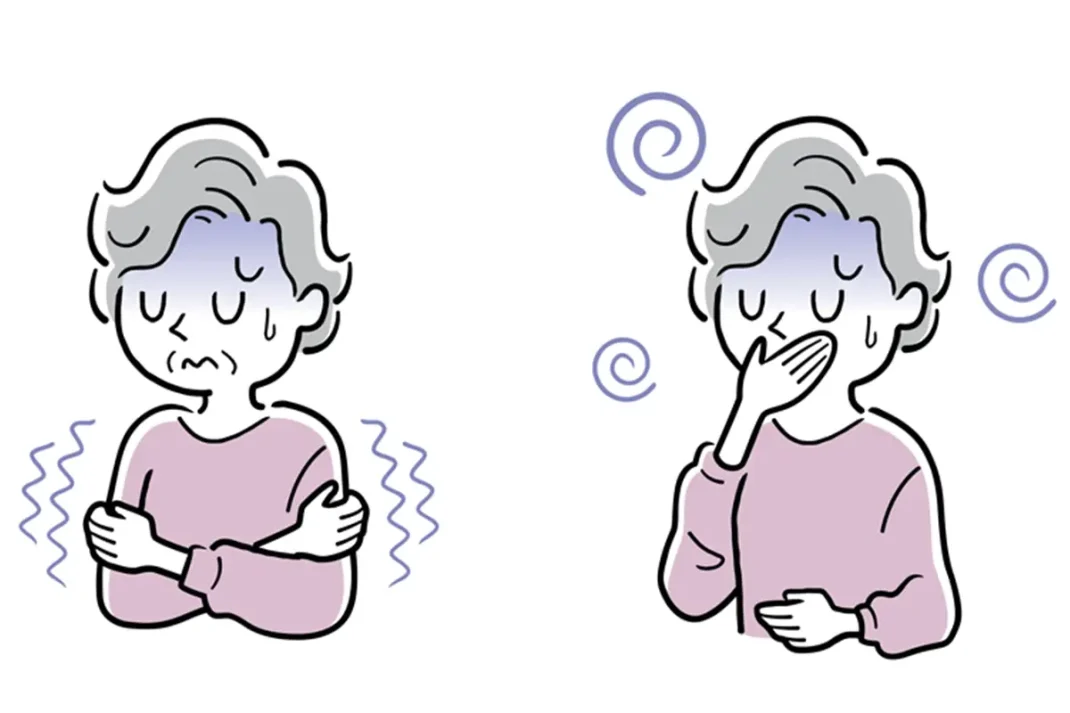
When the human body accidentally ingests 4-Bromo-3-fluorobenzotrifluoride orally, it may cause a series of acute poisoning symptoms. Due to its chemical activity and toxicity, it may cause irritation and corrosion to the digestive tract mucosa. Patients may experience symptoms such as burning, pain, nausea, and vomiting in the mouth, throat, esophagus, and stomach. Vomit may contain blood, indicating that the gastrointestinal mucosa may have been damaged. In addition, digestive system symptoms such as abdominal pain and diarrhea may also occur, which can lead to complications such as gastrointestinal bleeding and perforation in severe cases, endangering life. Meanwhile, the compound may affect the central nervous system after entering the body, causing symptoms such as headache, dizziness, fatigue, blurred consciousness, convulsions, and even coma.
Inhalation exposure
During production, use, or storage, if 4-Bromo-3-fluorobenzotrifluoride is inhaled into the human body in the form of vapor or aerosol, it can cause direct damage to the respiratory system. In the early stages of inhalation, patients may feel dryness and irritation in the nasal cavity and throat, and may experience symptoms such as coughing and sneezing. As exposure increases, it may cause airway spasms, leading to symptoms such as difficulty breathing, wheezing, and chest tightness. In severe cases, it may cause chemical pneumonia or pulmonary edema, which may be characterized by shortness of breath, cyanosis, and coughing pink foam sputum. This is a very dangerous situation. If not treated in time, it may lead to respiratory failure and death. In addition, inhaled compounds may also affect other organ systems through blood circulation, resulting in systemic toxicity symptoms such as headache, fatigue, nausea, vomiting, etc.


Skin Contact
When the skin comes into direct contact with 4-Bromo-3-fluorobenzotrifluoride liquid, it can cause irritation and corrosive effects on the skin. Symptoms such as redness, swelling, and pain may appear at the contact area, and over time, more severe injuries such as blisters and ulcers may occur. If the contact time is long or the concentration is high, it may cause skin tissue necrosis. Moreover, the compound may also be absorbed into the body through the skin, causing systemic toxic symptoms such as headache, dizziness, fatigue, nausea, etc.
Eye Contact
The eyes are very sensitive organs, and once they come into contact with 4-Bromo-3-fluorobenzotrifluoride, they immediately cause strong irritation symptoms. Patients may experience eye pain, tearing, photophobia, eyelid spasms, and other symptoms. Within a short period of time after contact, the eyes may exhibit symptoms such as conjunctival congestion, edema, and corneal epithelial damage. If not treated correctly in a timely manner, it may lead to serious consequences such as corneal ulcers, perforation, and even affect vision, resulting in permanent blindness.

Chronic toxicity related adverse reactions
Effects on the liver: Long term exposure to low-dose 4-Bromo-3-fluorobenzotrifluoride may cause chronic damage to the liver. The liver is an important metabolic and detoxifying organ in the human body, and this compound undergoes metabolic transformation in the liver after entering the body. During this process, it may produce some toxic metabolites that can cause damage to liver cells. Long term exposure may lead to degeneration and necrosis of liver cells, destruction of liver lobular structure, and abnormal liver function. Patients may experience symptoms such as fatigue, loss of appetite, nausea, vomiting, jaundice, etc. Laboratory tests may reveal elevated levels of serum transaminase, bilirubin, and other indicators. As the condition progresses, it may gradually develop into serious diseases such as cirrhosis and liver cancer.
Effects on the kidneys: The kidney is also one of the target organs for chronic toxicity of this compound. After long-term exposure, it may accumulate in the kidneys and cause damage to renal tubules and glomerular cells. Affects the normal filtration and reabsorption function of the kidneys, leading to a decline in kidney function. Patients may experience symptoms such as polyuria, oliguria, hematuria, proteinuria, etc. In severe cases, it may develop into kidney failure and require dialysis or kidney transplantation treatment.
Effects on the nervous system: Long term exposure to low-dose 4-Bromo-3-fluorobenzotrifluoride may cause chronic damage to the liver. The liver is an important metabolic and detoxifying organ in the human body, and this compound undergoes metabolic transformation in the liver after entering the body. During this process, it may produce some toxic metabolites that can cause damage to liver cells. Long term exposure may lead to degeneration and necrosis of liver cells, destruction of liver lobular structure, and abnormal liver function. Patients may experience symptoms such as fatigue, loss of appetite, nausea, vomiting, jaundice, etc. Laboratory tests may reveal elevated levels of serum transaminase, bilirubin, and other indicators. As the condition progresses, it may gradually develop into serious diseases such as cirrhosis and liver cancer.
Effects on the immune system: This compound may interfere with the normal function of the immune system, inhibit the activity and quantity of immune cells, and reduce the body's immunity. Long term contacts may be more susceptible to bacterial, viral and other pathogens, and the frequency of infectious diseases increases. Moreover, immune system disorders may also trigger autoimmune diseases such as rheumatoid arthritis and systemic lupus erythematosus.
4-Bromo-3-fluorobenzotrifluoride is a versatile compound with broad applications in pharmaceuticals, agrochemicals, and materials science. Its unique combination of bromine, fluorine, and trifluoromethyl substituents makes it a valuable intermediate in organic synthesis. While its handling requires strict safety protocols, ongoing research into green chemistry and sustainable manufacturing promises to enhance its environmental profile.
As demand for fluorinated and halogenated compounds grows, 4-bromo-3-fluorobenzotrifluoride will remain at the forefront of chemical innovation, driving advancements in drug development, advanced materials, and sustainable industrial processes.
Hot Tags: 4-bromo-3-fluorobenzotrifluoride cas 40161-54-4, suppliers, manufacturers, factory, wholesale, buy, price, bulk, for sale, Uridine Powder, 7 Nitroindole CAS 6960 42 5, Tetrabutylammonium Bromide Powder CAS 1643 19 2, 5 Methyl 2 pyrazinecarboxylic Acid CAS 5521 55 1, Dodecylamine, 3 1 Naphthoyl indole CAS 109555 87 5