




Shaanxi BLOOM Tech Co., Ltd. is one of the most experienced manufacturers and suppliers of boc-aib-oh cas 30992-29-1 in China. Welcome to wholesale bulk high quality boc-aib-oh cas 30992-29-1 for sale here from our factory. Good service and reasonable price are available.
Boc-Aib-OH, also known as N-Boc-2-Methylalanine, is an amino acid derivative that finds significant applications in biochemistry and organic synthesis. Its name derives from the N-tert-butyloxycarbonyl (Boc) protective group, which is commonly used to protect amino groups during chemical reactions. Structurally, N-Boc-2-Methylalanine consists of a 2-methylalanine amino acid core with an N-terminal Boc protective group.

|
Chemical Formula |
C9H17NO4 |
|
Exact Mass |
203.12 |
|
Molecular Weight |
203.24 |
|
m/z |
203.12 (100.0%), 204.12 (9.7%) |
|
Elemental Analysis |
C, 53.19; H, 8.43; N, 6.89; O, 31.49 |
| Melting point | 118-122 °C |
|
Boiling point |
341.54°C (rough estimate) |
|
Density |
1.1886 (rough estimate) |
 |
 |

Preparation Methods
The preparation of Boc-Aib-OH typically involves the protection of the amino group of 2-methylalanine with a tert-butoxycarbonyl (Boc) group. This reaction is commonly achieved through the use of Boc anhydride (di-tert-butyl dicarbonate, (Boc)2O) as the Boc source.
A suitable solvent, such as anhydrous dichloromethane or tetrahydrofuran, is chosen. The 2-methylalanine and Boc anhydride are dissolved in the solvent in a molar ratio typically ranging from 1:1 to 1:2. An acid catalyst, such as 4-dimethylaminopyridine (DMAP), may be added to enhance the reaction rate.
The reaction mixture is stirred at a controlled temperature, typically between 0°C and room temperature, for a period ranging from several hours to overnight. The Boc group reacts with the amino group of 2-methylalanine, forming the desired Boc-protected amino acid
After the reaction is complete, the solvent is removed by evaporation under reduced pressure. The crude product is then purified, typically by recrystallization from a suitable solvent or by column chromatography. The purity of the isolated product can be verified by analytical techniques such as NMR and HPLC.

Biochemistry and Peptide Synthesis
Boc-Aib-OH acts as a protected amino acid that can be effectively utilized in the synthesis of peptides and proteins. The Boc (tert-butyloxycarbonyl) group specifically protects the amino functionality of the molecule, thereby allowing chemists to selectively manipulate other functional groups during the peptide synthesis process without unwanted side reactions.


Once the desired peptide sequence is fully constructed, the Boc protecting group can be easily removed using mild acidic conditions (such as trifluoroacetic acid), which releases the free amino acid. This free amino group then enables further modifications or direct use in various biological applications.
Drug Discovery and Pharmaceutical Chemistry
Derivatives of Boc-Aib-OH have gained significant traction in drug discovery and pharmaceutical chemistry, largely due to their unique chemical structure and versatile biological properties. Aib itself is a non-natural amino acid characterized by two methyl groups attached to the α-carbon, which confers increased conformational rigidity to peptide chains when incorporated-this rigidity can enhance the peptide's resistance to enzymatic degradation (e.g., by proteases) and improve its binding affinity to target biomolecules, such as receptors or enzymes.
As a versatile building block, Boc-Aib-OH and its derivatives are widely used in the synthesis of complex organic molecules with potential therapeutic effects.


For instance, they are frequently employed in the development of peptide-based drugs, including antimicrobial peptides, hormone analogs, and anti-cancer peptides, where the Aib residue's non-natural side chain can impart novel biological activities that natural amino acids cannot achieve. The Boc protecting group is particularly valuable in this context, as it allows for the controlled incorporation of Aib into the peptide drug or drug candidate during synthesis,
ensuring the correct sequence and structure are maintained. Additionally, the ability to easily remove the Boc group post-synthesis enables further optimization of the drug molecule, such as the introduction of pharmacophores or modifications to improve solubility and pharmacokinetic properties.

Material Science and Polymer Chemistry
Beyond its applications in biochemistry and drug development, Boc-Aib-OH also serves as a functional monomer in the synthesis of polymers and copolymers, contributing to the development of advanced materials with tailored properties. Its unique chemical structure-combining the protected amino group and the rigid Aib backbone-makes it an ideal candidate for incorporating into polymer chains, as it can modulate the physical, chemical, and mechanical properties of the resulting materials.
These modified polymers find diverse applications across various fields: in biomaterials, for example, they are used in the development of biocompatible scaffolds for tissue engineering, drug delivery systems, or medical devices, where their non-toxic nature and structural stability are critical. In addition, they are employed in the production of specialized coatings and adhesives, where their unique surface properties (e.g., hydrophobicity, adhesion strength) make them suitable for industrial or consumer applications, such as corrosion-resistant coatings or high-performance adhesives for advanced materials.

Research Tool

Furthermore, its Boc-protected amino group provides a reliable model for studying protecting group chemistry, including the development of new deprotection methods or the optimization of existing ones. In mechanistic studies, Boc-Aib-OH is often used to elucidate the pathways of peptide bond formation, deprotection reactions, and other key processes in organic and peptide chemistry. It also serves as a standard reagent in reaction optimization, where its well-characterized reactivity allows chemists to test and refine reaction conditions (e.g., temperature, solvent, catalyst) for more efficient synthesis of peptides, polymers, or other organic compounds. Overall, its versatility and predictability make it an indispensable tool for advancing research in multiple scientific disciplines.

The Boc group serves as a protecting group for the amino functionality of 2-methylalanine. This protecting group is stable under a wide range of conditions but can be selectively removed under acidic conditions, typically using trifluoroacetic acid (TFA) or hydrochloric acid (HCl) in organic solvents. The removal of the Boc group reveals the free amino group, allowing for further chemical reactions or modifications.
Boc-Aib-OH is generally soluble in organic solvents such as methanol, ethanol, and dimethylformamide (DMF). Its solubility in water is limited due to its hydrophobic nature, but it can be solubilized in aqueous solutions using appropriate buffers or cosolvents.
It is stable under ambient conditions and can be stored for extended periods without significant degradation. However, it should be kept away from strong acids or bases, as these conditions can lead to decomposition or removal of the Boc protecting group.
The amino group is reactive and can participate in a variety of chemical reactions. For example, it can be coupled with carboxylic acids or activated esters using condensation reactions such as amide bond formation. Additionally, the Boc group can be selectively removed under acidic conditions, allowing for further modifications or reactions with the free amino group.
In summary, N-tert-butoxycarbonyl-2-methylalanine (Boc-Aib-OH) possesses unique chemical properties that are essential for its functionality and applications. Its protecting group properties, solubility, stability, and reactivity make it a valuable building block in organic synthesis and material science.
adverse reaction
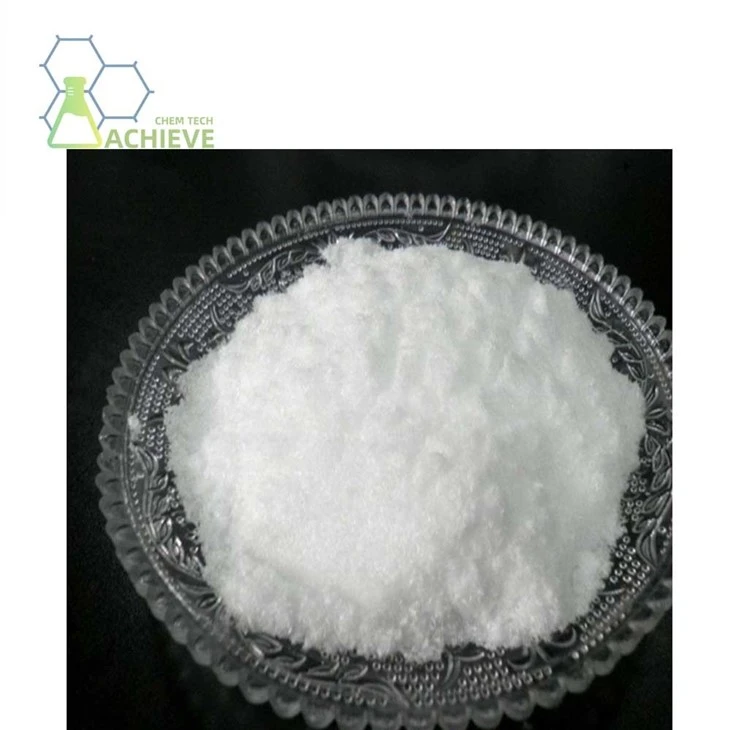
Boc Ab OH (N-tert-butoxycarbonyl-2-methylanine) is a white crystalline powder with the molecular formula C ₉ H ₁ NO ₄, molecular weight 203.24, and CAS number 30992-29-1. Its core structure includes an amino group protected by tert butoxycarbonyl (Boc) and a 2-methylanine backbone, which gives it a unique advantage in chemical synthesis: the Boc group can be selectively removed under acidic conditions (such as trifluoroacetic acid), while the steric hindrance of 2-methylanine enhances the stability of the target molecule.
Toxicity performance in animal experiments
Acute toxicity
The oral administration of LD ₅₀ to rats is not clear, but at a dose of 500 mg/kg, reduced activity, rapid breathing, tremors, and some animals died. Dissection revealed vacuolization of liver cells and edema of renal tubular epithelial cells.
Dogs are more sensitive to Boc Ab OH, with vomiting and diarrhea occurring after continuous administration of 100 mg/kg/d for 7 days, which may be related to differences in metabolic enzymes between species.


Subchronic toxicity
Administration of 100 mg/kg/d to rats for 13 weeks resulted in a decrease in testicular weight and sperm count in males, while no abnormalities were observed in the female ovaries. However, the incidence of estrous cycle disorders increased by 20%.
Neurobehavioral tests showed that the animals in the treatment group had a 30% reduction in activity distance during the open field experiment, indicating anxiety like behavior.
Adverse reactions at the cellular level
Hepatotoxicity
After exposure to 50 μ M Boc Ab OH for 24 hours, HepG2 cells showed a 50% decrease in cell viability, accompanied by a 2.5-fold increase in ROS generation and 60% depletion of GSH.
Co culture experiments have shown that pro-inflammatory cytokines (such as IL-6 and TNF - α) released by damaged liver cells can induce apoptosis of adjacent normal cells, forming "paracrine toxicity".


Neurotoxicity
At a concentration of 10 μ M, the growth of neural dendrites in primary rat hippocampal neurons was inhibited by 40%, and the expression of synaptophysin was reduced by 35%, which may be achieved by interfering with microtubule polymerization.
In zebrafish embryo models, 0.1 μ M exposure leads to abnormal development of motor neurons, a 50% decrease in tail fin swing frequency, and is associated with dysfunction of the serotonergic system.
Factors influencing adverse reactions
Dose and exposure time
Acute vs chronic exposure: Acute high doses (>200 mg/kg) are more likely to cause acute liver failure and respiratory depression, while chronic low doses (10 mg/kg/d x 6 months) may lead to cumulative liver and kidney damage or neurodegeneration.
Dose response relationship: The hepatotoxicity IC ₅₀ is about 50 μ M, and the neurotoxicity is significant at 10 μ M, indicating that the nervous system may be more sensitive.
Species and individual differences
Species sensitivity: Dogs metabolize Boc Ab OH at a slower rate, leading to the accumulation of toxic substances, manifested as earlier vomiting and diarrhea. Primate data is lacking, but based on the metabolic characteristics of indole compounds in humans (such as CYP3A4 dominance), caution should be exercised in extrapolating animal experimental results.
Genetic polymorphism: GST (glutathione S-transferase) gene polymorphism may affect an individual's detoxification ability. Individuals with GSTT1 deficiency are more susceptible to oxidative damage after exposure to Boc Ab OH due to decreased GSH binding ability.
Drug interactions
Metabolic enzyme induction/inhibition: Boc Ab OH may inhibit CYP3A4 activity, leading to increased blood drug concentrations in co administered drugs such as statins and anticoagulants, and increasing the risk of myopathy or bleeding. On the contrary, CYP3A4 inducers (such as rifampicin) may accelerate Boc Ab OH metabolism, reducing its efficacy or toxicity.
Competitive binding of targets: If shared with serotonin reuptake inhibitors (SSRIs), competitive binding of SERT may lead to 5-HT syndrome (such as high fever, tremors, and confusion).
FAQ
What is Boc used for?
+
-
The protection of amines with tert-butyloxycarbonyl (Boc) group is a widely used reaction in organic synthesis because of its inertness toward catalytic hydrogenolysis and resistance toward hydrolysis under most basic conditions and nucleophilic reagents.
What is AIb in medicine?
+
-
2-Aminoisobutyric acid (Aib) is the non-proteinogenic amino acid with the structural formula H2N-C(CH3)2-COOH. The Aib residue is a component of tirzepatide, a commonly prescribed antidiabetic medication for treatment of type 2 diabetes. Although uncommon, it is also found in some natural products.
Hot Tags: boc-aib-oh cas 30992-29-1, suppliers, manufacturers, factory, wholesale, buy, price, bulk, for sale, 2 Bromopyridine 4 carboxylic acid, 3 Nitrobenzaldehyde 99 , 5 Bromoisatoic Anhydride CAS 4692 98 2, 6 Nitro 1 diazo 2 naphthol 4 sulfonic Acid, quinone dioxime, 2 2 Bis hydroxymethyl butyric Acid CAS 10097 02 6