




Shaanxi BLOOM Tech Co., Ltd. is one of the most experienced manufacturers and suppliers of ethyl (3s)-piperidine-3-carboxylate cas 37675-18-6 in China. Welcome to wholesale bulk high quality ethyl (3s)-piperidine-3-carboxylate cas 37675-18-6 for sale here from our factory. Good service and reasonable price are available.
Announcement
We don't supply all kinds of chemicals of piperidine series, even which is able to get piperidine or piperidone chemcials!
No matter it is banned or not! We Don't supply!
If it is in our webiste, it is only for check the information of chemical compound.
Mar. 25th 2025
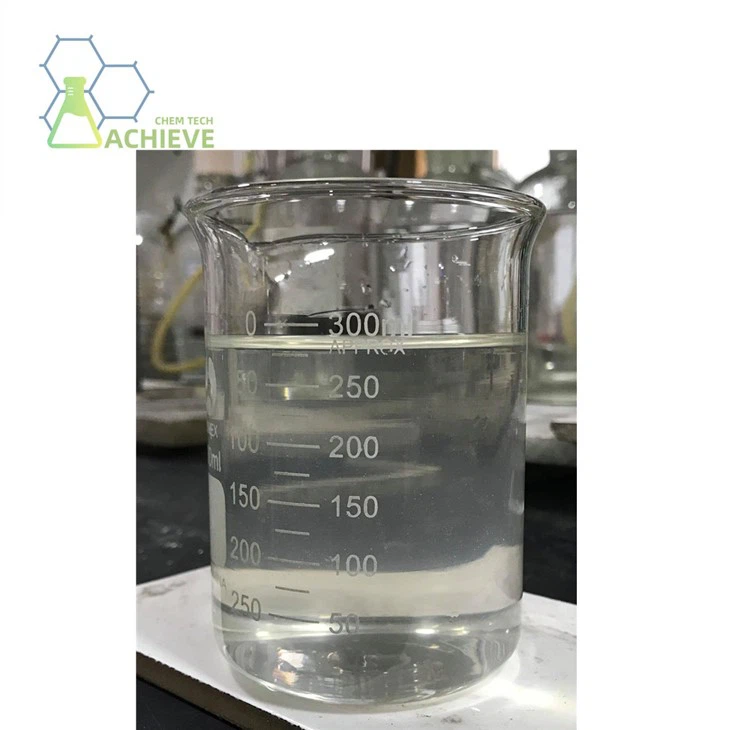
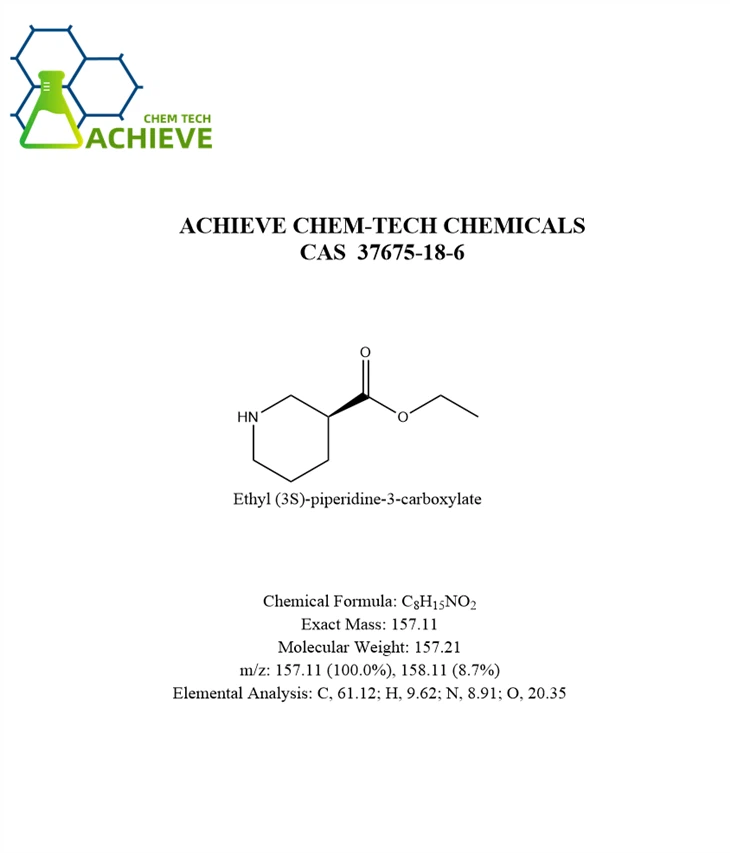
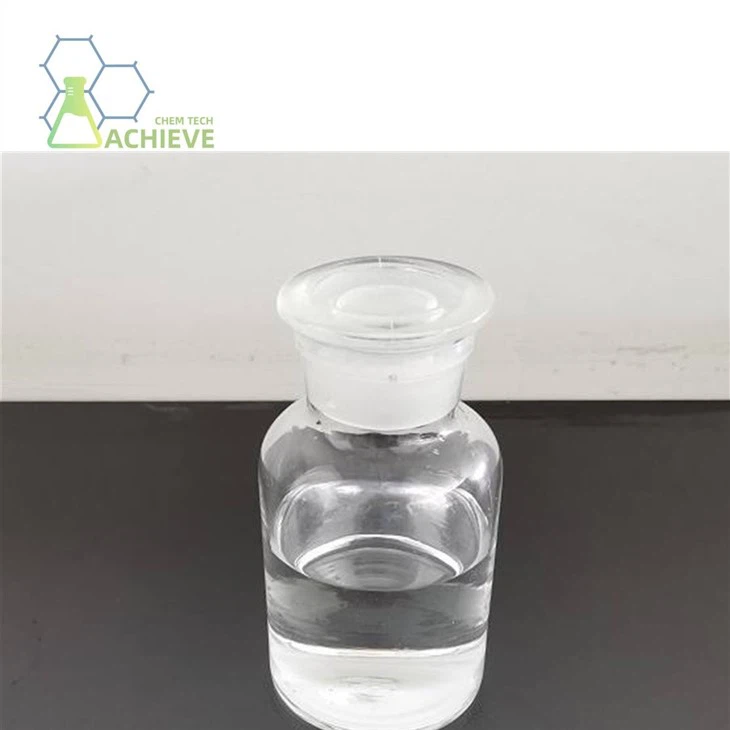
Ethyl (3S) - piperidine-3-carboxate is an organic compound that has a pyridine ring (a six membered heterocyclic compound containing one nitrogen atom), and the third carbon atom on the pyridine ring is replaced by a carboxylic acid group (- COOH), which is then esterified by an ethyl group (- CH2CH3). (3S) "indicates that the compound has an S configuration at the substituent at position 3, which means that when viewed from the carbon atom at position 3, the arrangement of substituents follows a clockwise direction and conforms to the R/S naming convention for S configuration. The appearance is a colorless to light yellow liquid, which is flammable. Therefore, relevant safety regulations must be followed when using it, and it should be sealed, stored in a cool and dry place. Its main use is as an intermediate in organic synthesis or in the preparation of other drugs and chemicals for scientific research.

Additional information of chemical compound:
|
Chemical Formula |
C8H15NO2 |
|
Exact Mass |
157.11 |
|
Molecular Weight |
157.21 |
|
m/z |
157.11 (100.0%), 158.11 (8.7%) |
|
Elemental Analysis |
C, 61.12; H, 9.62; N, 8.91; O, 20.35 |
|
Boiling point |
102-104℃/7 mmHg(lit.) |
|
Density |
1.043 g/mL at 25℃ |
|
|
|


Ethyl (3S) - piperidine-3-carboxate has a wide range of applications in the fields of chemistry and pharmaceuticals, mainly including the following aspects:

Drug synthesis intermediates
As a key raw material for synthesizing certain drugs, especially in medicinal chemistry, it may be used to prepare compounds with specific pharmacological activities.
Through chemical modification and transformation, the compound can be transformed into drug molecules with therapeutic value.
Chemical research
In organic chemistry research, it may serve as a model compound or standard for studying the mechanisms, selectivity, and stereochemical properties of chemical reactions.
By studying their reactivity and stability, scientists can gain a deeper understanding of the chemical properties of piperidine compounds.


Chiral Synthesis
Due to its chiral (S) configuration, this compound may have special value in asymmetric synthesis. Asymmetric synthesis is a technique for preparing compounds with specific stereostructures, which is crucial for the production of fine chemicals such as drugs and pesticides.
Other applications
In certain specific fields, such as the pesticide, fragrance, or dye industries, this compound may be used as a raw material or additive. It may also be used to prepare other chemical reagents or catalysts to support a wider range of chemical reactions and applications. Hyaluronic acid, as a targeted carrier for anti-tumor drugs, can increase the absorption and retention time of anti-tumor drugs in tumors and lymph nodes, and improve the efficacy of drugs. This compound, as an intermediate, may play a role in the synthesis of such targeted drugs.

What is the difference between chiral compounds and chiral catalysts?
Due to the fact that Ethyl (3S) - piperidine-3-carboxate is also used in chiral catalysts, chiral separation, and other fields. Therefore, the following are the differences between chiral compounds and chiral catalysts:
Function and purpose
Chiral compound
Function: Chiral compounds are of great significance in the fields of biology and medicine, as many biomolecules (such as proteins, nucleic acids, etc.) are chiral and have high selectivity in recognizing chiral compounds.
Usage: Chiral compounds have a wide range of applications in drug development, pesticide chemistry, fine chemical production, and other fields. By controlling the synthesis of chiral compounds, compounds with specific biological activities can be obtained, thereby developing safe and effective drugs or pesticides.
Chiral catalyst
Function: Chiral catalysts have potential application value in asymmetric synthesis. Asymmetric synthesis refers to the use of specific catalysts or reaction conditions to give reactants a specific chiral form when producing products.
Usage: Chiral catalysts have important applications in fields such as pharmaceutical chemistry, pesticide chemistry, and fine chemical production. By using chiral catalysts, the chirality of the product can be precisely controlled, resulting in compounds with specific biological activities. In addition, chiral catalysts can also be used in fields such as chiral separation and chiral recognition.
Are there any other antiviral drugs that use a chemical structure similar to this compound?
- Remdesivir: remdesivir is a C-nucleoside analog that interferes with normal physiological processes such as virus replication by transforming it into active triphosphate. Remdesivir is active against a variety of RNA viruses, including Ebola virus (EBOV), yellow fever virus (YFV), influenza virus, dengue-2 virus (DENV-2) and acute respiratory neutralization syndrome coronavirus (SARS CoV).
- Molnupiravir: Molnupiravir is a novel thymidine analogue with anti-HIV-1 activity and exhibits more persistent anti HIV activity than zidovudine and stavudine in cell experiments.
- Ribavirin: Ribavirin is an inhibitor of xanthine nucleoside dehydrogenase (IMPDH), which has antiviral effects by reducing guanylate levels and is effective against various RNA and DNA viruses.
- Pyrazomycin: Pyrazomycin is a C-nucleoside analogue that inhibits cell proliferation and intracellular DNA synthesis by suppressing uridine 5 '- phosphate synthase. It has both antiviral and anti-tumor activities.
- Formycin A: Formycin A is a purine nucleoside antibiotic that is an effective inhibitor of HIV-1 and has anti-tumor and antiviral activities.
- Furodixin: Furodixin is not only a C-nucleoside analogue, but also an imine sugar, which increases its interaction with enzyme binding sites compared to furanose. It is an efficient purine nucleoside phosphorylase inhibitor and has clinical efficacy against T-cell acute lymphoblastic leukemia and cutaneous T-cell lymphoma.
What is the specific mechanism of action of this compound in anticancer drugs?
- Mitochondrial dysfunction and energy expenditure: In a study, a newly designed mitochondrial targeted iridium (III) complex (OncoIr3) demonstrated effective anti-cancer activity. This compound works through mechanisms unrelated to cell apoptosis, involving energy expenditure, mitochondrial dysfunction, and cell swelling. This suggests that Ethyl (3S) - piperidine-3-carboxate or its derivatives may participate in the action of anticancer drugs through a similar mechanism, that is, by affecting mitochondrial function and energy metabolism to inhibit the growth of cancer cells.
- Tumor function: Tumors are a non apoptotic cell death process related to energy consumption. Compared with apoptosis, there is relatively less research on tumor cells, but they have the potential to overcome drug resistance.OncoIr3 exhibits effective anticancer activity against cancer cells in vitro and low toxicity towards normal dividing cells, which may provide a new perspective for this compound as an intermediate for anticancer drugs, namely exerting anticancer effects by inducing tumor activity.
- Regulation of tumor microenvironment: Terpenems, as a part of anticancer drugs, have been shown to have great potential in cancer treatment. They not only have direct effects on tumor cells, but also have systemic effects on the tumor microenvironment (TME). Although this is not directly related to the compound, it provides an idea that the substance or its derivatives may exert anti-cancer effects by regulating the tumor microenvironment.
How does this type of compound perform in clinical trials?
AKT inhibitors
In clinical trials, AKT inhibitors such as Capivasertib (Truqap) and Fluvastatin combined to treat hormone receptor positive (HR+) and human epidermal growth factor receptor negative (HER2-) advanced breast cancer showed significant improvement in progression free survival (PFS) and overall survival (OS). Especially in the subgroup with abnormal AKT pathway, the median PFS reached 12.8 months, which was significantly higher than the control group's 4.6 months.
Ipatasertib
In LOTUS Phase II clinical trial, Ipatacertib combined with paclitaxel can significantly improve PFS and OS of patients with advanced or metastatic triple negative breast cancer (TNBC). The median PFS of the Ipatasertib group reached 6.2 months, while the control group only had 4.9 months; At the same time, the median OS of the Ipatasertib group was prolonged to 25.8 months, a significant improvement compared to the control group's 16.9 months.
MK-2206
We offer a variety of transmission components, In phase I/II clinical trials targeting recurrent or advanced ovarian cancer, MK-2206 was used in combination with chemotherapy drugs such as paclitaxel and carboplatin. Preliminary results showed that this combination can effectively reduce tumor size, improve patient PFS, and demonstrate good anti-tumor activity in platinum resistant ovarian cancer patients. Meanwhile, the combination scheme has good tolerance and controllable side effects.
Hot Tags: ethyl (3s)-piperidine-3-carboxylate cas 37675-18-6, suppliers, manufacturers, factory, wholesale, buy, price, bulk, for sale, 7 bromodibenzo c h acridine, 2 7 dibromodibenzo b e 1 4 dioxine, naphtho 2 3 b benzofuran 1 ylboronic acid, 5 Pyrimidinecarbonitrile 4 chloro 2 6 diphenyl , CAS 2377545 66 7, 1 3 Dimethylpentylamine