


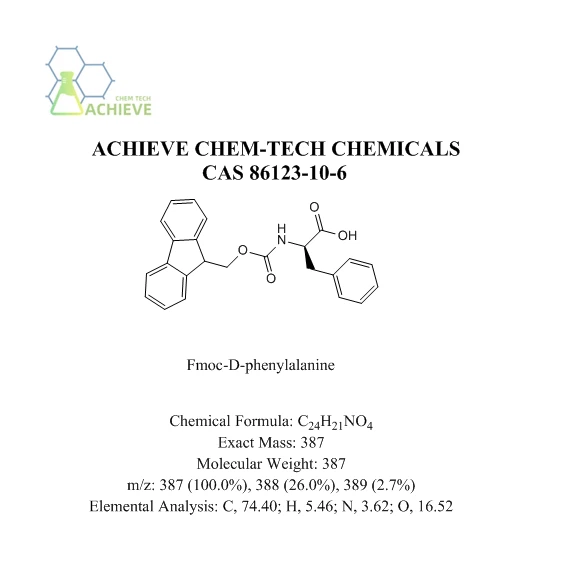

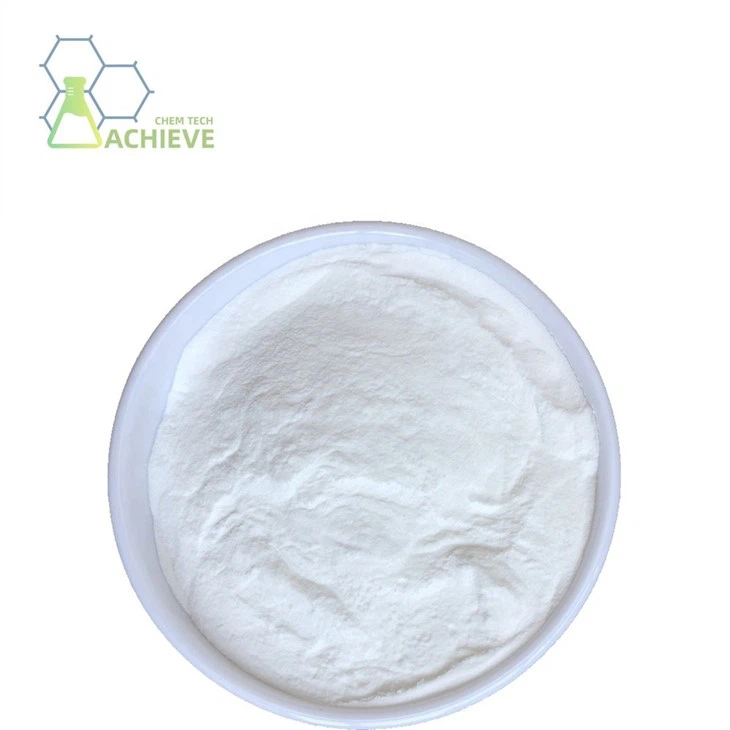
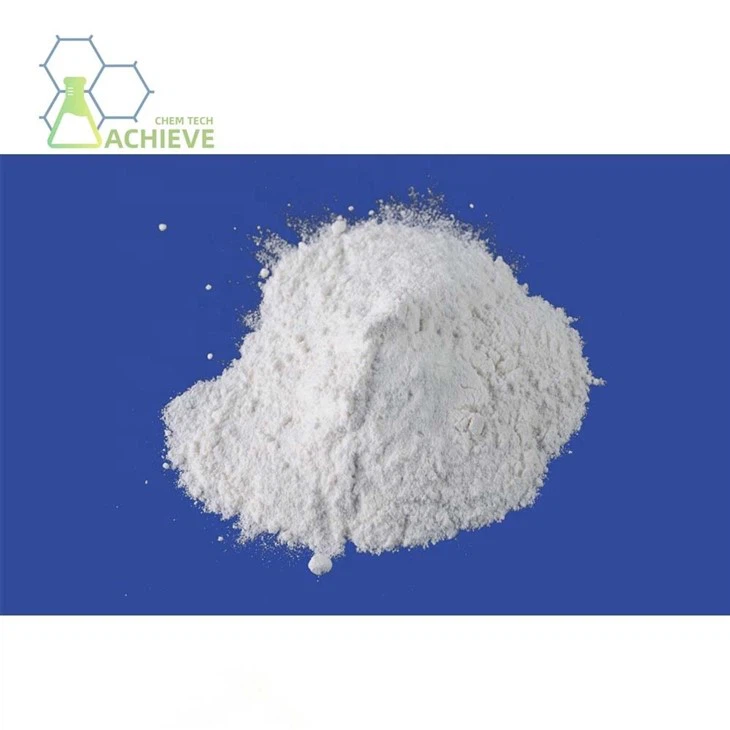
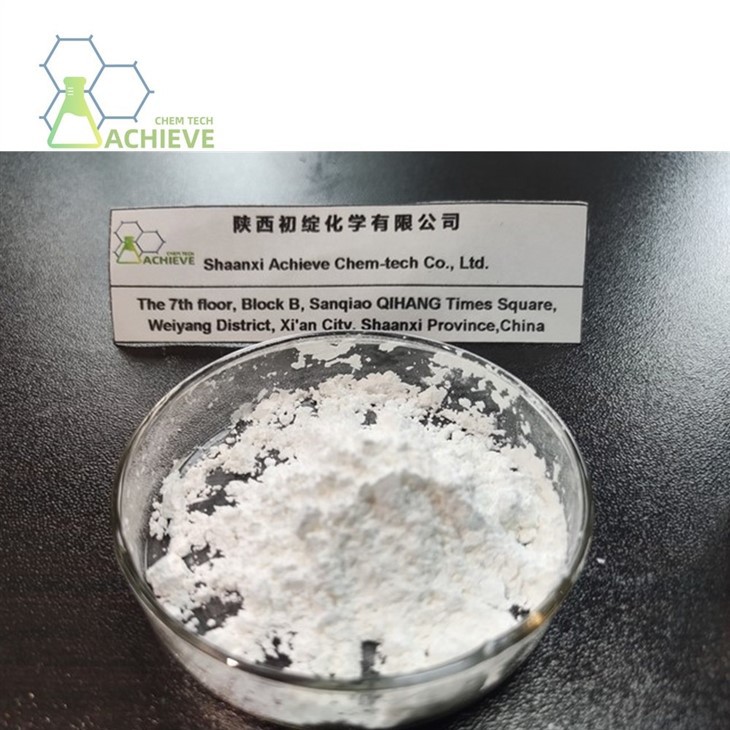

Fmoc-D-phenylalanine powder is a fine, white to off-white crystalline substance that represents a significant amino acid derivative in the realm of peptide synthesis. The abbreviation "Fmoc" denotes 9-fluorenylmethoxycarbonyl, a robust protecting group that shields the amino functionality of D-phenylalanine during the synthesis process. This powder is highly valued for its role in solid-phase peptide synthesis (SPPS), where it serves as a vital intermediate in the assembly of complex peptide chains.
D-Phenylalanine, the dextrorotatory isomer of phenylalanine, introduces chirality-a critical factor influencing biological activity and receptor binding-into peptide sequences. Unlike its naturally occurring L-form, D-phenylalanine and its derivatives like the powder are often employed in research to investigate altered protein functions and explore novel therapeutic potentials.The Fmoc group not only stabilizes the amino group but also aids in purification steps due to its fluorescent properties, enabling easy monitoring of reactions. Furthermore, the powder's high purity and solubility facilitate efficient coupling reactions, contributing to the synthesis of high-quality peptides essential for pharmacological studies and biotechnology applications.
In summary, D-Fmoc-Phenylalanine powder stands as a cornerstone in advanced peptide engineering, enabling researchers to tailor peptide sequences with precise chirality and functional groups, thereby expanding the frontiers of peptide-based drug discovery and biomedical research.

|
|
|


|
Chemical Formula |
C24H21NO4 |
|
Exact Mass |
387 |
|
Molecular Weight |
387 |
|
m/z |
387 (100.0%), 388 (26.0%), 389 (2.7%) |
|
Elemental Analysis |
C, 74.40; H, 5.46; N, 3.62; O, 16.52 |

Fmoc-D-phenylalanine (CAS number: 86123-10-6), as a fluorenylmethoxycarbonyl protected derivative of D-phenylalanine, has demonstrated irreplaceable value in various fields such as scientific research, medicine, food, industry, and agriculture due to its unique chiral structure and reactivity.
It is a key intermediate in chiral organic compound, and the fluorenylmethoxycarbonyl (Fmoc) protecting group in its structure can stabilize the amino group and avoid side reactions. At the same time, the dual reactivity of carboxyl (- COOH) and amino (- NH ₂) groups makes it an ideal module for constructing complex molecules.
1. Peptide and protein synthesis
In solid-phase peptide synthesis (SPPS), the alkaline removal property of Fmoc protecting groups enables efficient and controllable stepwise connection of amino acid residues to form peptide chains with specific sequences. For example, in the compound of anti-tumor drug Bestatin, it serves as a key chiral unit to ensure precise binding of drug molecules to target enzymes, thereby enhancing therapeutic efficacy.


2. Molecular construction of chiral drugs
The non natural chiral structure of D-phenylalanine makes it an important raw material for synthesizing chiral drugs. For example, in the compound of the anti diabetes drug Nateglinide, the chiral center is introduced through selective acylation to optimize the pharmacokinetic characteristics and extend the half-life. In addition, its derivatives can also be used in the compound of AIDS (HIV-1) protease inhibitors, nerve disorder drugs and so on.
3. Biomacromolecule modification
Its carboxyl group can covalently bind with the amino group of biomolecules (such as proteins and nucleic acids) to achieve functional modification. For example, coupling it to the surface of antibody drugs can enhance drug stability or targeting; After binding with fluorescent probes, it can be used for live cell imaging tracking.
1. Treatment of metabolic diseases
D-phenylalanine, as the core raw material of nateglinide, can significantly reduce the postprandial blood glucose level of patients with type 2 diabetes by stimulating pancreatic β cells to secrete insulin. Its non natural configuration avoids competitive inhibition with human metabolic enzymes and reduces side effects.
2. Antitumor and Immune Regulation
Bestatin, which participates in the compound, is a broad-spectrum immune modulator that enhances T cell and NK cell activity by inhibiting aminopeptidase B and leucine aminopeptidase, thereby improving the body's anti-tumor immunity. Clinical studies have shown that its combination with chemotherapy can prolong the survival of patients with non-small cell lung cancer.


3. Intervention for neurological disorders
D-phenylalanine derivatives, such as N-acylamino-alkyl-4-hydroxyphenylpyridine, are used in drug rehabilitation treatment to alleviate addiction symptoms by blocking dopamine receptors. In addition, as a precursor of neurotransmitters, it can improve the emotional state of patients with depression.
4. Cardiovascular protection
In the treatment of hypertension, D-phenylalanine reduces systolic blood pressure by inhibiting angiotensin-converting enzyme (ACE). Its derivative hydroxamic acid (NEP/ACE inhibitor) can simultaneously inhibit neutral endopeptidase (NEP), reduce the degradation of vasoactive peptides, and exert a dual antihypertensive effect.
1. Nutritional supplements and functional foods
D-phenylalanine, as a precursor of Aspartame, participates in the compound of low calorie sweeteners and is widely used in sugar free beverages, chewing gum, and other products. Its metabolite phenylalanine can promote dopamine compound in the brain and assist in relieving fatigue.
2. Flavor improvement and preservation
In baked goods, D-phenylalanine generates aromatic substances such as pyrazine and furan through the amino carbonyl reaction (Maillard reaction), enhancing the aroma level of bread and biscuits.


Meanwhile, its antioxidant properties can extend the shelf life of food, for example, adding 0.02% -0.08% D-phenylalanine to meat products can inhibit fat oxidation and rancidity.
3. Formula food for special medical purposes
For patients with phenylketonuria (PKU), D-phenylalanine is used as a low phenylalanine dietary supplement to accurately control intake and avoid nerve damage caused by high blood phenylalanine concentration.
1. Synthesis of Polymer Materials
The carboxyl and amino groups of Fmoc-D-phenylalanine can participate in polymerization reactions such as polyamide and polyester, introducing chiral centers or functional groups. For example, it can be copolymerized with polyethylene glycol (PEG) to prepare hydrogels with good biocompatibility for drug delivery carriers.
2. Chiral catalysts and asymmetric synthesis
D-phenylalanine derivatives (such as chiral phosphine ligands) can induce product enantioselectivity (ee value>95%) in rhodium catalyzed asymmetric hydrogenation reactions, and are used for the compound of chiral drug intermediates or fragrances.


For example, D-menthol prepared by asymmetric compound has a significantly higher aroma purity than its racemic form.
3. Agricultural sterilization and pest control
Organic tin insecticides synthesized with D-phenylalanine, such as triphenyltin phenylalanine ester, can disrupt the structure of insect cell membranes and efficiently kill pests such as aphids and spider mites. Its derivatives can also be used to prepare antifungal agents and inhibit the growth of crop pathogens.
About Klebsiella Pneumoniae
Klebsiella pneumoniae, also known as Friedländer's bacillus, is a Gram-negative, encapsulated, non-motile rod-shaped bacterium. First identified in 1882 by German scientists Edwin Klebs and Carl Friedländer, it is classified under the bacterial kingdom, specifically within the Proteobacteria phylum, Gammaproteobacteria class, Enterobacterales order, and Enterobacteriaceae family, under the genus Klebsiella. This bacterium is commonly found in the gut flora of humans and animals, but it can also become an opportunistic pathogen, causing infections such as pneumonia, urinary tract infections, and sepsis, especially in individuals with weakened immune systems. Its ability to form biofilms and resist antibiotics further complicates its role as a significant healthcare-associated infection agent.
This bacterium is naturally present in the nasopharynx and gastrointestinal tracts of humans and non-human primates. It is an important member of the Enterobacteriaceae family and is a common opportunistic pathogen in clinical settings. When the body's resistance decreases, K. pneumoniae can cause various infections, including pneumonia, meningitis, sepsis, urinary tract infections, and wound infections.
Infections with Klebsiella pneumoniae can indeed lead to severe and potentially life-threatening symptoms. These symptoms may include high fever, a productive cough with viscous and sometimes bloody sputum, chest pain, and, in severe cases, shock. The infection can spread rapidly if left untreated, potentially affecting multiple organs and leading to complications such as lung abscesses, pleurisy (inflammation of the lining around the lungs), and sepsis (a life-threatening response to infection).


Diagnosis typically involves clinical symptoms, imaging studies like X-rays, and laboratory tests such as sputum cultures. Treatment often includes antibiotics like second- or third-generation cephalosporins, aminoglycosides, and carbapenems. However, due to increasing antibiotic resistance, treatment can be challenging, and combination therapy or newer antibiotics may be required.
Prevention measures include enhancing immunity through exercise and diet, maintaining good oral hygiene, avoiding unnecessary use of broad-spectrum antibiotics, and actively treating underlying conditions that may predispose individuals to K. pneumoniae infections.
In summary, K. pneumoniae is a significant pathogen that warrants attention due to its ability to cause severe infections. Understanding its characteristics, survival environment, symptoms, and preventive measures is crucial for effective prevention and treatment.

Fmoc-D-phenylalanine is a vital amino acid derivative in the field of peptide and protein synthesis, particularly known for its role in solid-phase peptide synthesis (SPPS). The abbreviation "Fmoc" stands for 9-fluorenylmethoxycarbonyl, a protecting group that is widely utilized due to its stability and ease of removal under basic conditions. This protecting group facilitates the sequential addition of amino acids to form peptides, a process that is crucial in the production of therapeutically significant peptides and proteins.
In the context of D-Fmoc-Phenylalanine, the incorporation of the D-isomer into peptide sequences can lead to the creation of novel peptidomimetics with altered biological profiles, making them valuable tools for research into protein function, receptor binding, and enzymatic activity. The Fmoc group not only protects the amino group of D-phenylalanine during synthesis but also enhances solubility and facilitates purification steps via its fluorescent properties, making it easier to monitor reaction progress.
Hot Tags: fmoc-d-phenylalanine cas 86123-10-6, suppliers, manufacturers, factory, wholesale, buy, price, bulk, for sale, 3 5 Dichloropyridine, 1 Hydroxy cyclobutanecarboxylic acid, 2 Chloro 5 Chloromethylpyridine CCMP , 4 Propylphenylboronic Acid CAS 134150 01 9, 2 2 Bis hydroxymethyl butyric Acid CAS 10097 02 6, 4 METHYL 2 METHYLSULFANYL PYRIMIDINE CAS 14001 63 9