




Shaanxi BLOOM Tech Co., Ltd. is one of the most experienced manufacturers and suppliers of 1-dibenzofuranylboronic acid cas 162607-19-4 in China. Welcome to wholesale bulk high quality 1-dibenzofuranylboronic acid cas 162607-19-4 for sale here from our factory. Good service and reasonable price are available.
1-Dibenzofuranylboronic Acid is an organic compound belonging to boronic acid derivatives, with furan and benzene ring structures. This compound has a wide range of applications in organic synthesis, especially in the construction of complex organic molecules and drug molecules. It is specifically composed of a furan ring (an oxygen-containing five membered heterocyclic ring) fused with two benzene rings, with a boronic acid group (- B (OH) 2) attached to the 1st position of the furan ring. The appearance is usually a white or light yellow solid with poor solubility in water, but soluble in organic solvents such as dichloromethane, ether, etc. Boric acid groups have a certain acidity and can react with bases to form corresponding borates. They can participate in various organic reactions, such as Suzuki reaction, Heck reaction, etc., and are used to construct C-C bonds.

|
|
|


|
Chemical Formula |
C12H9BO3 |
|
Exact Mass |
212 |
|
Molecular Weight |
212 |
|
m/z |
212 (100.0%), 211 (24.8%), 213 (9.7%), 213 (3.2%), 212 (3.2%) |
|
Elemental Analysis |
C, 67.98; H, 4.28; B, 5.10; O, 22.64 |

|
|
|
|


Lithium ion batteries
+
-
Lithium ion batteries, as an important energy storage technology, have a wide range of applications in fields such as electric vehicles and mobile devices. It may serve as a novel electrode material or electrolyte additive for the preparation of lithium-ion batteries. By optimizing its molecular structure and electrochemical properties, the energy density, cycling stability, and safety of lithium-ion batteries can be improved, further promoting the development of electric vehicles and renewable energy.
Hydrogen energy
+
-
In the field of hydrogen energy, it may serve as an effective catalyst or electrolyte material for the preparation, storage, and conversion of hydrogen gas. By combining or modifying with other materials, its catalytic activity and stability can be further improved, providing a new material foundation for the application of hydrogen energy.
Preparation of nanomaterials
+
-
As a precursor or template for the preparation of nanomaterials, nanomaterials with specific morphology and properties can be obtained through specific synthesis methods. These nanomaterials have broad application prospects in fields such as catalysis, sensing, and energy storage.
Supramolecular Chemistry and Self Assembly
+
-
In the field of supramolecular chemistry and self-assembly, it may serve as an effective building block or self-assembly unit for preparing supramolecular systems with specific structures and functions. Through the self-assembly process, molecular aggregates with complex structures and functions can be obtained, providing new research directions for fields such as materials science and biomedicine.
Analysis and Testing
+
-
It may also play an important role in analytical chemistry and detection techniques. Due to its unique chemical structure and properties, it may be used as a specific chemical probe or marker for detecting and analyzing target compounds in complex samples. For example, in environmental monitoring, high-sensitivity detection methods can be developed by utilizing its specific reaction with certain pollutants. In the biomedical field, its potential as a biomarker for disease diagnosis and treatment monitoring can also be explored.
In terms of catalyst design and optimization, it may serve as a novel catalyst ligand or structural unit for constructing catalysts with high catalytic performance.
About Hydrogen energy
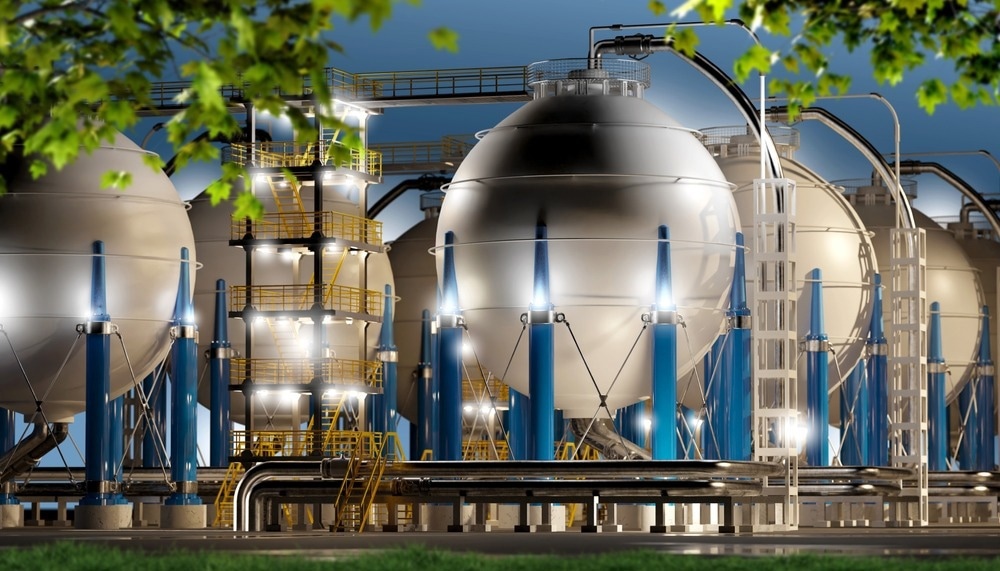
Hydrogen energy, often referred to as hydrogen power, represents a clean and sustainable form of energy with immense potential to revolutionize the global energy landscape. It involves the use of hydrogen as a fuel source, primarily through hydrogen fuel cells which convert hydrogen and oxygen into electricity, producing only water as a byproduct. This process is emission-free, contributing significantly to the reduction of greenhouse gases and air pollution.
The production of hydrogen can be achieved through various methods, including steam reforming of natural gas, electrolysis of water using renewable energy, and advanced processes like thermochemical decomposition. While steam reforming is currently the most common method, it relies on fossil fuels and thus isn't entirely green. Electrolysis powered by renewable sources like wind and solar, however, offers a pathway to producing 'green' hydrogen.
Hydrogen's versatility makes it suitable for a wide range of applications, from transportation, where fuel cell electric vehicles (FCEVs) promise long driving ranges and quick refueling times, to industrial processes and as a storage medium for excess renewable energy. Additionally, hydrogen can serve as a backup power source for critical infrastructure, enhancing energy security.
Despite its advantages, the widespread adoption of hydrogen energy faces challenges such as high production costs, limited infrastructure for hydrogen storage and distribution, and safety concerns associated with its handling. Ongoing research and technological advancements, coupled with supportive policies and investments, are crucial to overcoming these barriers and unlocking hydrogen's full potential as a key enabler of a low-carbon future.

Transportation
Hydrogen energy has found relatively mature applications in the transportation sector, encompassing roads, railways, aviation, and shipping.
1)Road Transportation: Hydrogen fuel cell vehicles are a primary application of hydrogen energy in transportation. They utilize proton exchange membranes and catalysts to facilitate an electrochemical reaction between hydrogen and oxygen, generating electricity and water. This electricity powers electric motors to drive the vehicle forward. Compared to pure electric vehicles and traditional fuel vehicles, hydrogen fuel cell vehicles offer lower greenhouse gas emissions, shorter fueling times, and higher driving ranges, making them more suitable for medium and long-distance or heavy-load transportation.
2)Rail Transportation: Hydrogen energy can be combined with fuel cells to form a power system, replacing traditional diesel engines in trains. Hydrogen-powered trains offer zero emissions, sustainability, and high operational efficiency.
3)Aviation: Hydrogen can reduce the aviation industry's dependence on crude oil and cut greenhouse and harmful gas emissions. Hydrogen fuel cells or hydrogen combustion engines can be used to provide power for aircraft.
4)Shipping: Hydrogen-powered ships utilizing fuel cell technology can meet the demand for green shipping markets in the future, with broad application prospects. Hydrogen fuel cell technology can electrify inland and coastal shipping, while new fuels such as biofuels or zero-carbon hydrogen-synthesized ammonia can achieve decarbonization in ocean shipping.
Industrial Applications
Hydrogen is an important industrial raw material and is widely used in synthetic ammonia, methanol production, petrochemicals, and metallurgy.
Chemical Industry: Hydrogen is a key raw material for synthesizing ammonia and methanol. It is also widely used in the desulfurization of naphtha, crude diesel, fuel oil, and heavy oil, as well as in petroleum refining, catalytic cracking, and hydrogenation refining of unsaturated hydrocarbons to improve oil quality.
** Metallurgical Industry**: Hydrogen can be used as a reducing agent and protective gas in the production and processing of non-ferrous metals such as tungsten, molybdenum, and titanium. It is also used as a protective gas in the production of silicon steel sheets, magnetic materials, and magnetic alloys to improve magnetic properties and stability.
Power Generation
Hydrogen energy can be used for power generation, energy storage, long-distance transmission, and electricity supply. Hydrogen can be converted into electricity through hydrogen-powered power plants, solar panels, or fuel cells. Hydrogen-based power generation can address issues such as peak shaving and valley filling in power grids, stable grid connection of renewable energy, and improve the stability, security, and flexibility of power systems while significantly reducing carbon emissions.
Building Sector
The energy demand in the building sector is mainly for heating (space heating) and hot water supply. Traditional heating relies on the combustion of fossil fuels such as coal and natural gas. Using hydrogen-based energy as the main energy carrier for buildings can effectively promote low-carbon and green development in this sector. Applications of hydrogen-based energy in the building sector include hydrogen blending in natural gas pipelines and combined heat and power systems.
● 1-Dibenzofuranylboronic acid, also known as dibenzofuran-1-ylboronic acid, is an organic compound belonging to the class of arylboronic acids. It features a unique structure where a boronic acid (-B(OH)₂) group is attached to the 1-position of a dibenzofuran scaffold. Dibenzofuran itself is a fused aromatic ring system consisting of two benzene rings connected through a shared furan ring, imparting unique chemical and physical properties to the molecule.
● The introduction of the boronic acid moiety allows for a versatile platform in synthetic chemistry, particularly in Suzuki-Miyaura cross-coupling reactions. These reactions are widely utilized in the synthesis of complex organic molecules, pharmaceuticals, and materials science due to their high efficiency and mild reaction conditions. The presence of the boronic acid group facilitates the formation of carbon-carbon bonds with aryl or alkenyl halides under palladium catalysis, enabling the construction of diverse dibenzofuran derivatives.
● In addition to its synthetic applications, 1-dibenzofuranylboronic acid may also exhibit specific biological activities or serve as a building block for the development of novel bioactive compounds. Its aromatic nature and the incorporation of the boronic acid functionality could potentially lead to interactions with biological macromolecules, making it a subject of interest in medicinal chemistry.
Overall, 1-dibenzofuranylboronic acid stands as a valuable intermediate in organic synthesis, offering a broad range of opportunities for the creation of new molecules with potential applications in pharmaceuticals, materials science, and beyond.

Stability Analysis
Chemical Stability
1-Dibenzofuranylboronic Acid exhibits good chemical stability under normal conditions, but the following key factors should be noted:
Sensitivity to oxidants: The boronic acid group (-B(OH)₂) is prone to react with strong oxidants (such as potassium permanganate, hydrogen peroxide), resulting in structural damage. It is necessary to avoid coexistence with oxidizing substances in the experiment.
Stability to acids and bases: In acidic or alkaline environments, the boronic acid group may undergo hydrolysis or boron removal reactions. For example, in strong acid conditions, boronic acid may convert to borate anhydride (B₂O₃), affecting the purity of the compound.
Temperature influence: Long-term high-temperature storage (>50℃) may lead to partial decomposition, generating by-products such as dibenzofuran or boronic acid derivatives. It is recommended to store at a temperature of 2-8℃ to delay degradation.
Physical Stability
Appearance and form: The compound is usually white to off-white powder, with strong hygroscopicity. Exposure to humid air is prone to agglomeration, and it should be sealed for storage.
Solubility: Easily soluble in polar organic solvents (such as methanol, ethanol, dimethylformamide), slightly soluble in water. After dissolution, it should be used promptly to avoid water decomposition over a long period.
Optimization of storage conditions
Inert gas protection: It is recommended to store in an atmosphere of nitrogen or argon to reduce the risk of oxidation.
Light protection: Exposure to light may trigger photo-sensitive reactions, so use a brown bottle or wrap the container with aluminum foil.
Dilution and sealing: After opening the large package, it should be immediately diluted to avoid repeated sampling, which may lead to moisture absorption or contamination.
Safety Analysis


Health Hazards
Acute Toxicity:
Oral (H302): Animal experiments show that the LD₅₀ for rats is >2000 mg/kg, which is a low-toxicity substance. However, accidental ingestion may still cause gastrointestinal irritation (such as nausea, vomiting).
Skin contact (H315): May cause mild to moderate skin irritation, manifested as redness or itching.
Eye contact (H319): Can cause severe eye irritation, requiring immediate flushing with large amounts of water and seeking medical attention.
Inhalation (H335): Dust inhalation may cause respiratory irritation, manifested as coughing or breathing difficulties.
Chronic toxicity: Currently, there are no data on long-term exposure carcinogenicity, teratogenicity, or reproductive toxicity. However, it is recommended to avoid long-term skin contact or inhalation of dust.
Environmental Hazards
Ecological toxicity: Limited data on the toxicity to aquatic organisms (such as fish, algae). Boronic acid compounds may have potential impacts on aquatic ecosystems. Wastes should be treated as hazardous chemicals to avoid direct discharge.
Biodegradability: Slow degradation in natural environments, which may accumulate through the food chain. Strict control of emissions is required.
Safety Operating Procedures
Personal Protective Equipment (PPE):
During experimental operations, wear gloves resistant to chemical corrosion (such as nitrile rubber gloves), goggles, and a respirator.
Wear laboratory clothing to avoid direct skin contact.
Ventilation requirements: Operate in a fume hood or in a sealed system to prevent dust dispersion.
Emergency handling:
Skin contact: Immediately rinse with large amounts of water for at least 15 minutes. Seek medical attention if necessary.
Eye contact: Open the eyelids and rinse with flowing water for at least 15 minutes, and seek medical help.
Leakage handling: Absorb the leaked material with inert materials (such as sand) to avoid dust generation. Collect and dispose of it as hazardous waste.
Regulations and Labels
GHS Classification:
Signal word: Warning
Hazard statement: H302 (Harmful if swallowed), H315 (Causes skin irritation), H319 (Causes severe eye irritation), H335 (May cause respiratory irritation).
Transport requirements:
United Nations Number: UN3077 (Environmentally hazardous substances, solid, no further elaboration)
Packaging class: III
Marine pollutant: Yes (Y class)

Summary and Recommendations
1-Dibenzofuranylboronic Acid exhibits good chemical stability, but strict control of storage conditions (low temperature, avoiding light, and sealing) is necessary. In terms of safety, its low acute toxicity reduces the risk of short-term exposure, but operational norms still need to be followed to prevent skin, eye, or respiratory irritation. Environmental hazards should be reduced through compliant disposal. It is recommended that users fully read the safety data sheet (SDS) before use and regularly train laboratory personnel to enhance safety awareness.
Frequently Asked Questions
Is it "slightly soluble" or "easily soluble" in water? --PH is the 'transformation switch' behind the scenes
+
-
The solubility difference is 730 times, depending on the acidity or alkalinity of the water.
In pure water (or in an unbuffered system), its solubility is less than 10 mg/L, indicating slight solubility; But in water buffered to pH 7, the solubility soared to 7.3 g/L. Cold mechanism: Sulfonylsulfonamide has weak acidity (pKa=4.0) and dissociates into an ionic state under neutral conditions, resulting in a significant increase in hydrophilicity. Therefore, the "solubility" data must indicate pH in order to be meaningful.
Where did its degradation products go? --The significant difference in lifespan between mother and child generations
+
-
The mother disappears within a few weeks, but a metabolite can survive for 55 days.
Research has found that sulfometuron methyl rapidly hydrolyzes in water to metabolite 1 (half-life of 2 days), which is then converted to metabolite 2 (half-life of 2.5 days). Cold logic: Metabolite 2 is more stubborn in soil, with different initial concentrations, and its half-life can fluctuate between 8.1 days and 55 days. This means that after the disappearance of the mother, a relatively stable 'second-generation' metabolite may still wander in the environment.
Why is corn so resistant to all kinds of toxins? --There is a detoxification switch hidden in genes
+
-
The tolerance to sulfometuron may be related to the function of a single P450 gene.
Research has shown that the tolerance of sweet corn to sulfometuron varies by more than 200 times among different genotypes. Cold mechanism: tolerant varieties can rapidly metabolize herbicides through cytochrome P450 enzymes; If a P450 gene is functionally deficient (homozygous recessive), corn will become "instantly sensitive" - this is a hidden "detoxification gene switch" in the corn body.
Hot Tags: 1-dibenzofuranylboronic acid cas 162607-19-4, suppliers, manufacturers, factory, wholesale, buy, price, bulk, for sale, CAS 1024598 01 3, DERMORPHIN, 3 6 4 4 5 5 tetramethyl 1 3 2 dioxaborolan 2 yl dibenzo b d furan 4 yl pyridine, N 3 bromophenyl N 4 tert butylphenyl biphenyl 2 amine, CAS 162607 19 4, CAS 1198396 29 0