


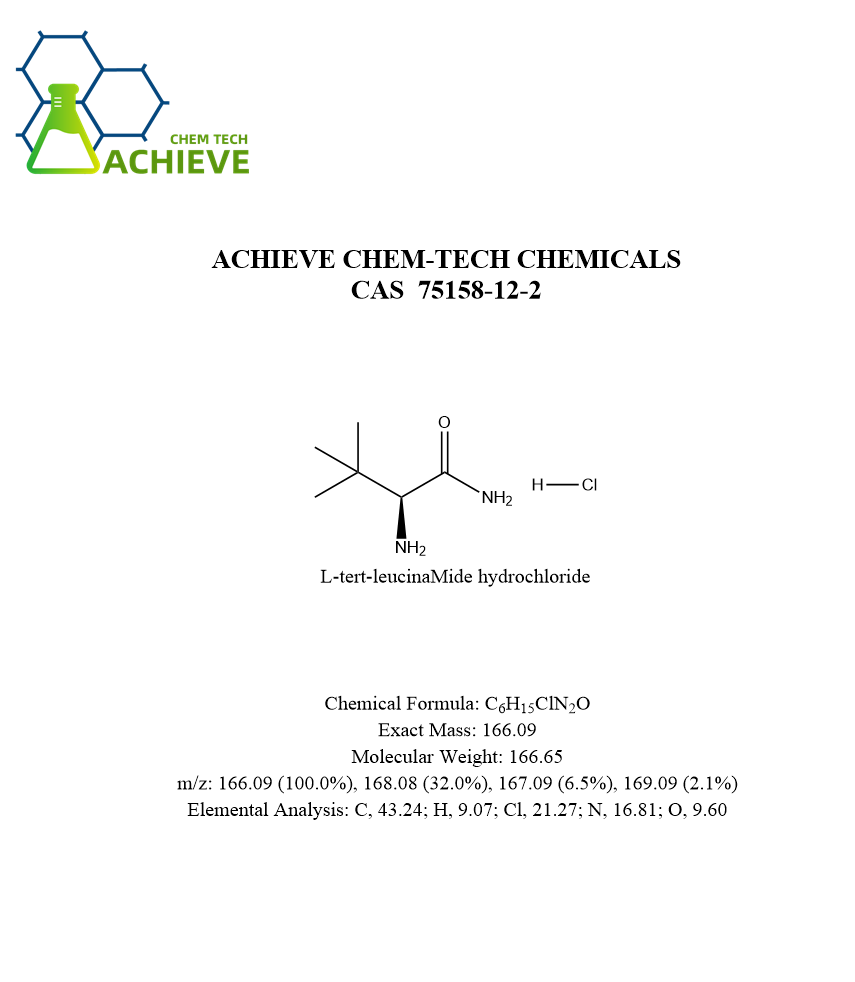

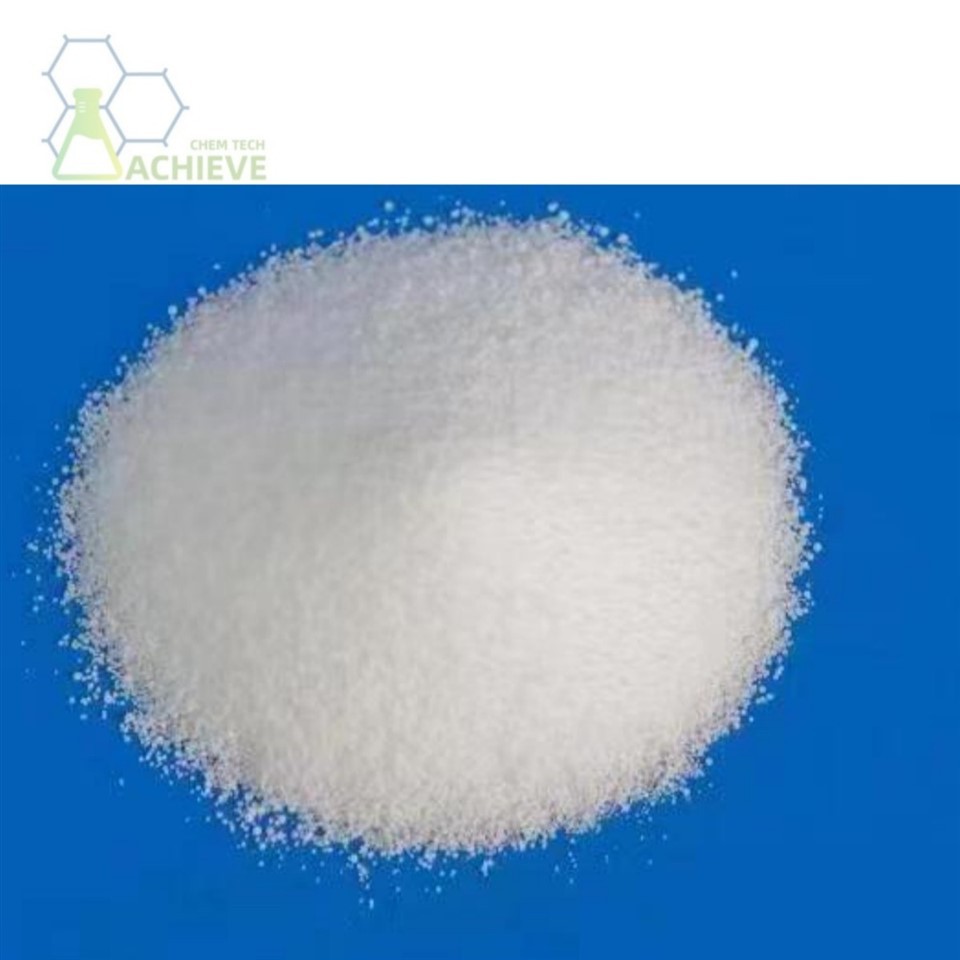
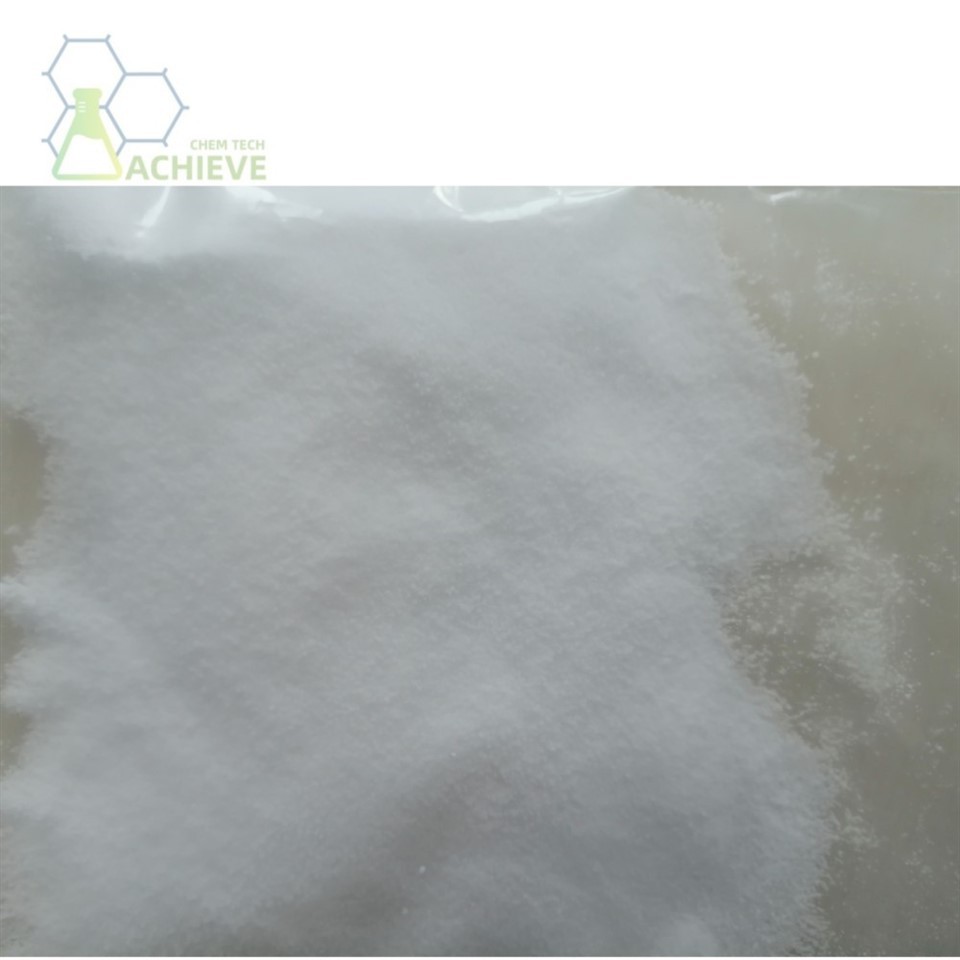
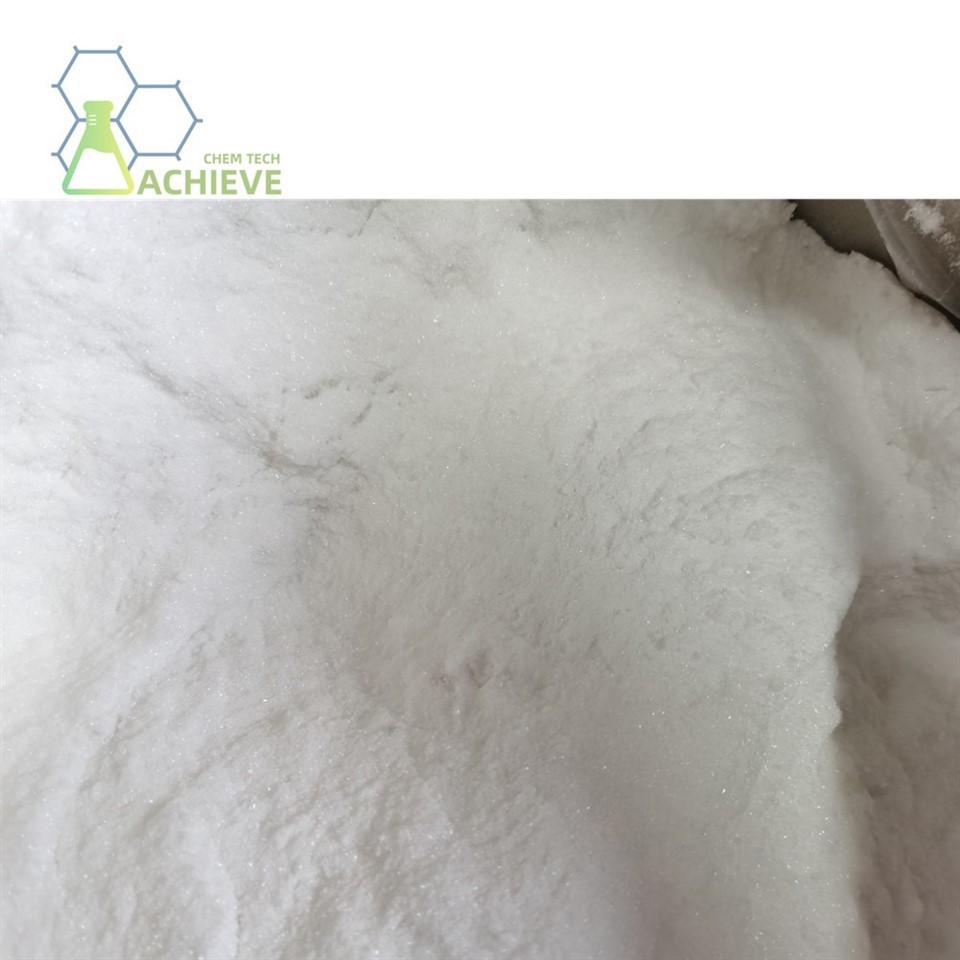
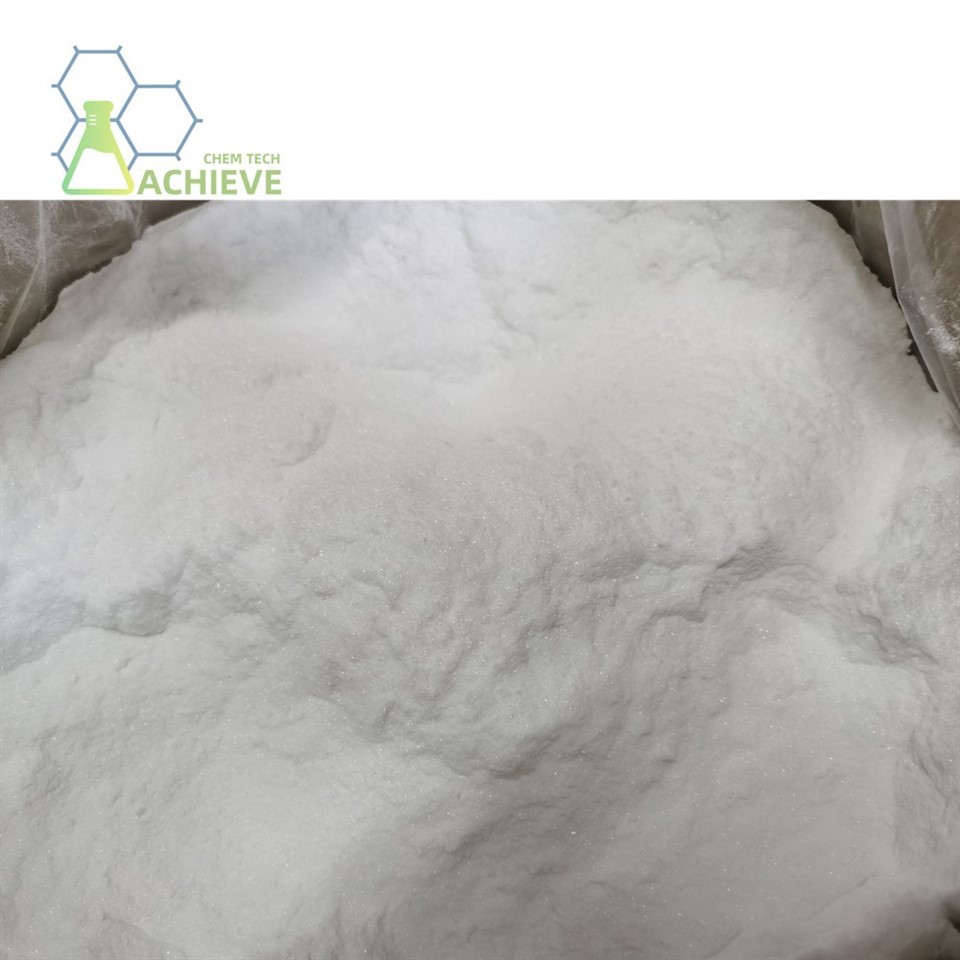

Shaanxi BLOOM Tech Co., Ltd. is one of the most experienced manufacturers and suppliers of l-tert-leucinamide hydrochloride cas 75158-12-2 in China. Welcome to wholesale bulk high quality l-tert-leucinamide hydrochloride cas 75158-12-2 for sale here from our factory. Good service and reasonable price are available.
L-tert-leucinaMide hydrochloride is an important non natural amino acid derivative and chemical intermediate, appearing as a white crystalline powder. The purity of commonly used L-threonine hydrochloride products on the market is mostly above 98%, and some products have a purity as high as 99%. As a chemical intermediate, it has a wide range of applications in the field of organic synthesis, and can be used to synthesize other complex organic compounds, especially in the fields of drug synthesis and materials science. When using, relevant safety operating procedures should be followed to avoid direct contact with skin and eyes. If accidentally touched, rinse immediately with plenty of water and seek medical assistance.
Additional information of chemical compound:
|
Chemical Formula |
C6H15ClN2O |
|
Exact Mass |
166.09 |
|
Molecular Weight |
166.65 |
|
m/z |
166.09(100.0%),168.08(32.0%),167.09(6.5%),169.09(2.1%) |
|
Elemental Analysis |
C, 43.24; H, 9.07; Cl, 21.27; N, 16.81; O, 9.60 |
|
|
|


L-tert-leucinaMide hydrochloride is an important organic compound with the chemical formula C6H15ClN2O and a molecular weight of approximately 166.65. The following is a detailed explanation of its purpose:
This substance has a wide range of applications in the field of chemical synthesis, especially as an important intermediate for synthetic materials. It can participate in various chemical reactions and synthesize new materials with specific properties by introducing specific functional groups or structural units. These new materials have broad application prospects in fields such as electronics, optoelectronics, energy, and biomedicine.


For example, in the synthesis of solar cell materials, it can be used as a key precursor or intermediate to prepare solar cell materials with efficient photoelectric conversion performance through a series of chemical reactions. These materials have significant advantages in improving the energy conversion efficiency and reducing costs of solar cells.
This substance also has important application value in the field of medicine. It can serve as a key intermediate for synthesizing various drugs, by introducing specific pharmacophores or structures, thus preparing drug molecules with specific pharmacological activities. These drugs have potential clinical value in treating various diseases.


For example, in the synthesis of anti-tumor drugs, it can serve as an important precursor or intermediate to prepare drug molecules with high anti-tumor activity through specific chemical reactions. These drugs have significant effects in inhibiting the growth, spread, and metastasis of tumor cells, providing a new option for the treatment of cancer patients.
In the field of anti-tumor drugs, L-tert-leucine amide hydrochloride is the core chiral building block of the new generation of proteasome inhibitor targeted drugs. The molecular structure of Carfilzomib, the world's second largest first-line treatment for primary myeloma, directly introduces the chiral fragment of L-thre-leucine, which is obtained by simple hydrolysis and condensation reaction of L-thre-leucine amide hydrochloride.


Its anti-tumor activity is more than 10 times that of the first generation proteasome inhibitor bortezomib, and the incidence of drug resistance is significantly reduced. The chiral fragment of carfilzomil was synthesized using L-tert-leucine amide hydrochloride, and the chiral purity of the product can be stably controlled at over 99.9%, completely avoiding the clinical toxic side effects that may be caused by trace chiral impurities, greatly improving the therapeutic window of the drug.
At present, the production of generic drugs of Kaffizomib in China has been fully localized, and the raw materials used for L-tert-leucine amide hydrochloride are all independently supplied by domestic enterprises, completely eliminating dependence on imported raw materials from overseas.

Handling methods after skin contact
When the skin comes into contact with L-tert-leucinaMide hydrochloride, the following emergency measures should be taken immediately to reduce damage to the skin:

Quickly wipe away chemical substances:
Gently wipe off L-threonine hydrochloride from the skin with a dry cloth or tissue. Be careful to avoid using damp cloths, as moisture may accelerate the reaction between chemicals and the skin.
Rinse with plenty of water:
Immediately rinse the contact area with plenty of flowing water. When flushing, water should flow through the injured area to dilute and flush away residual chemicals.
The rinsing time should last for at least 15 minutes until no burning or irritating sensation is felt on the skin.


Observe skin condition:
After rinsing the skin, carefully observe the condition of the injured area.
If there is only slight redness or pain, it may be due to some slight irritation to the skin.
If symptoms such as papules, papules, erosions, or ulcers appear, it indicates that the situation is quite serious and immediate medical attention is needed.
Medical consultation:
Regardless of the skin condition, it is recommended to seek medical advice as soon as possible after emergency treatment.
Doctors will develop personalized treatment plans based on factors such as the type of chemical substance, exposure time, and degree of skin damage.


During the handling process, avoid scratching or scratching the injured area with your hands to avoid aggravating skin damage.
Try to avoid exposing the injured area to hot water or other irritating substances to prevent worsening of symptoms.
The structural code of L-tert-leucinaMide Hydrochloride enhancing blood-brain barrier penetration
The blood-brain barrier (BBB), as a natural defense line of the central nervous system (CNS), is composed of brain capillary endothelial cells, basement membrane, astrocyte terminals, and pericytes. Its tightly connected structure can prevent about 98% of small molecule drugs and almost 100% of large molecule drugs from entering the brain parenchyma. Although this protective mechanism is crucial for maintaining the stability of the brain microenvironment, it has become a major obstacle to drug therapy for neurodegenerative diseases such as Alzheimer's disease, Parkinson's disease, brain tumors, and stroke.
Mechanism of blood-brain barrier penetration: from passive diffusion to active transport
The penetration ability of BBB is closely related to the molecular weight, lipid solubility, number of hydrogen bond donors, and polar surface area of the drug. The traditional view is that compounds with a molecular weight<500 Da, a LogP value between 1-3, and<5 hydrogen bond donors are more likely to penetrate the BBB through passive diffusion. However, most neuropeptides are difficult to meet this requirement due to their large molecular weight (usually>1 kDa) and high polarity (containing multiple charged amino acids).

Molecular mechanism of active transport

In recent years, research has found that BBB has multiple active transport systems, including:
Receptor mediated transport (RMT), such as transferrin receptor (TfR), low-density lipoprotein receptor associated protein 1 (LRP1), and insulin receptor, can recognize specific ligands and trigger endocytosis. For example, Angiopep-2 (19 peptide) achieves efficient BBB penetration by binding to LRP1, and its brain uptake is 10 times that of traditional transferrin.
Adsorption mediated transport (AMT): positively charged molecules (such as poly arginine) can adsorb onto the surface of brain capillary endothelial cells through electrostatic interactions, and then enter brain tissue through phagocytosis.Carrier mediated transport (CMT): such as glucose transporter (GLUT1) and L-type amino acid transporter (LAT1), can transport structurally similar substances. For example, L-DOPA (LAT1 substrate) is the only prodrug in Parkinson's disease treatment that can penetrate the BBB.

Evolution of Penetration Enhancement Strategy

To overcome BBB limitations, researchers have developed various strategies:
Chemical modification: Enhancing lipid solubility or metabolic stability through lipidation (such as palmitoylation), fluorination, or introduction of non natural amino acids (such as D-type amino acids).
Nanocarrier: Utilizing liposomes, polymer nanoparticles, or exosomes to encapsulate drugs, and actively transporting them through surface modified targeting ligands (such as Angiopep-2). For example, Angiopep-2 modified liposomes can increase the brain concentration of doxorubicin to six times that of the free drug.
Physical methods include focused ultrasound combined with microbubbles to open the BBB, but there is a risk of irreversible damage.

Experimental verification: Mechanism of L-tert-leucinamide modified neuropeptides penetrating the BBB
The Transwell co culture system (co culture of human microvascular endothelial cells hCMEC/D3 with astrocytes) was used to evaluate the penetration ability of L-tert-leucinamide modified peptides. The results show that:
Enhancement of penetration rate: The L-tert-leucinamide modified Angiopep-2 analogue (TFFYGGSRG (L-tert-leucinamide) RNNFKTEEY) showed a penetration rate of 12.3% within 2 hours, significantly higher than the natural Angiopep-2 (8.1%) (p<0.01).
Transport mechanism: After the addition of LRP1 inhibitor (Receptor Associated Protein, RAP), the penetration rate of the modified peptide decreased to 3.2%, indicating that it mainly penetrates the BBB through the LRP1 mediated RMT pathway.
In a rat model, after intravenous injection of L-tert-leucinamide modified oxytocin analog (L-tert-leucinamide Cys-Tyr-Ile-Gln-Asn-Cys-Pro-Leu-Gly-NH ₂):
Peak brain concentration: The brain concentration of modified peptides reaches its peak at 30 minutes (12.5 ng/g), which is 2.98 times higher than that of natural oxytocin (4.2 ng/g).
Half life extension: The brain half-life of modified peptides is 2.1 hours, significantly longer than that of natural peptides (0.7 hours) (p<0.05).
Simulate the binding mode of L-tert-leucinamide modified peptide with LRP1 using AutoDock Vina software. The results show that:
Key interaction: The tert butyl side chain of the modified peptide forms a strong hydrophobic interaction with the hydrophobic pocket of LRP1 (composed of Leu123, Phe127, and Ile130), with a binding free energy of -8.2 kcal/mol, which is lower than that of natural Angiopep-2 (-6.5 kcal/mol), indicating a more stable binding.
Conformation limitation: Circular modification further limits the conformational flexibility of peptides, making them easier to match with the active site of LRP1.
Frequently Asked Questions
What are the common by-products during synthesis and how can they be avoided?
+
-
The three main by-products are:
D-Tert Liang amide hydrochloride (racemic impurity): Avoid - control the reaction temperature ≤ 80 ℃ and avoid prolonged heating with strong bases;
L-tert-leucine (amide hydrolysis impurity): Avoidance - strict control of water content in the system, shortening the acid-base heating time;
Dipeptide condensation impurities: Avoid - control the molar ratio of the feed, slowly condense at low temperatures, and reduce the probability of excessive reaction of amino groups.
How to choose between free amine and hydrochloride?
+
-
1. Water phase reaction, peptide synthesis, biological experiments: Priority is given to hydrochloride salts, which have good solubility and are not easily oxidized;
2. Low temperature condensation of anhydrous organic phase, requiring direct reaction of free amino groups: can be neutralized and desalinated by adding organic bases;
3. Long term storage prioritizes hydrochloride salts, as free amino groups are prone to moisture absorption, oxidation, and discoloration.
Hot Tags: l-tert-leucinamide hydrochloride cas 75158-12-2, suppliers, manufacturers, factory, wholesale, buy, price, bulk, for sale, 5 Acetyl 2 thiopheneboronic Acid CAS 206551 43 1, 4 Diphenylamino phenylboronic Acid CAS 201802 67 7, 2-Chloro-3-methylpyridine, Uridine Powder, 4-Fluorophenylacetone CAS 459-03-0, Bromopentafluorobenzene CAS 344 04 7