




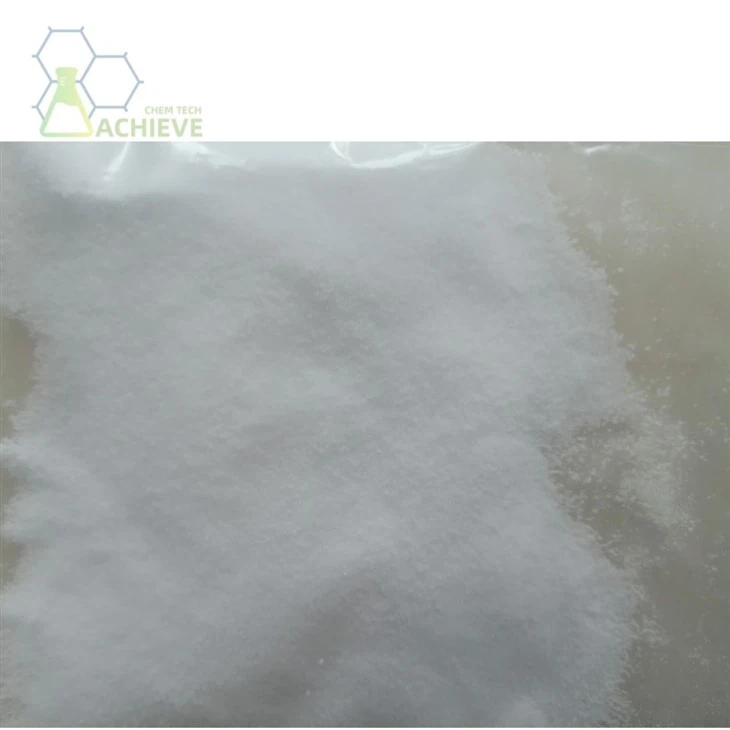
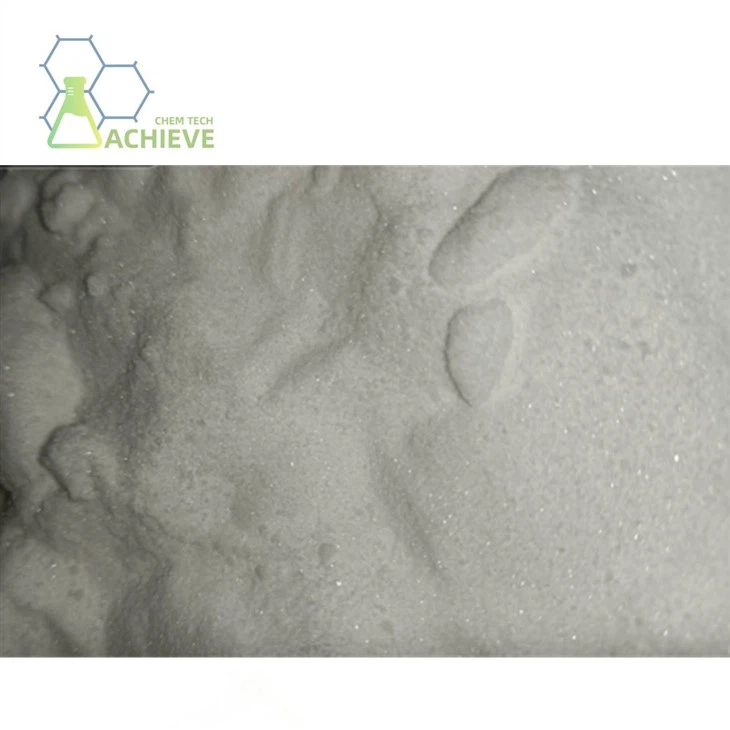
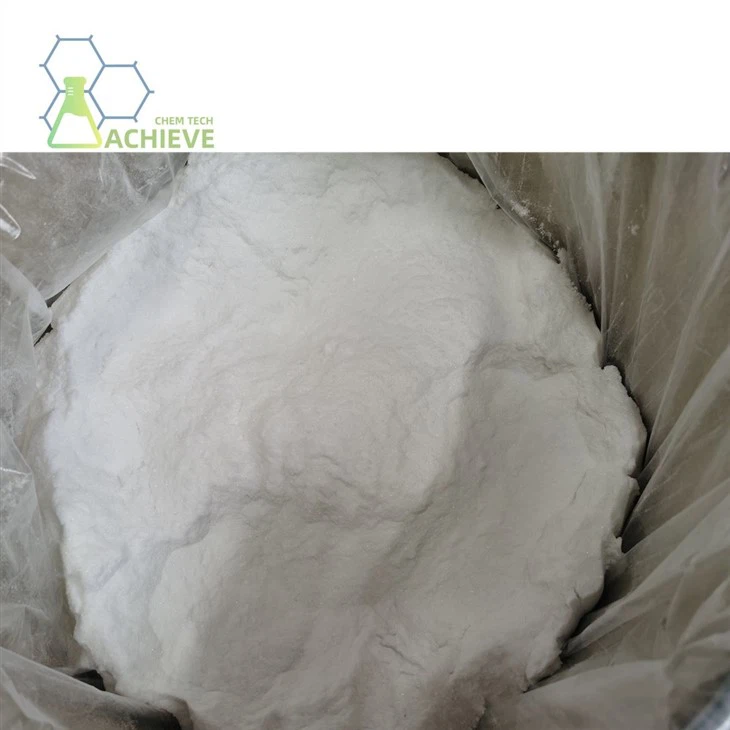
Shaanxi BLOOM Tech Co., Ltd. is one of the most experienced manufacturers and suppliers of shikimic acid powder cas 138-59-0 in China. Welcome to wholesale bulk high quality shikimic acid powder cas 138-59-0 for sale here from our factory. Good service and reasonable price are available.
Shikimic acid powder, also known as 3,4,5-trihydroxy-1-cyclohexene-1-carboxylic acid, is an important chemical material. The appearance is white or almost white powder, with a solubility of 18% in 20 ° C water, slightly soluble in ethanol and ether, and almost insoluble in chloroform and benzene. It is a monomeric compound extracted from the dried and mature fruit of the Magnoliaceae plant star anise. This plant mainly grows in subtropical regions and is the main natural source of shikimic acid.
It should be stored in a dry and sealed manner to avoid moisture and oxidation. It should be transported at room temperature and kept dry and away from light during transportation. It is an important intermediate for the synthesis of antiviral and anticancer drugs, especially playing a key role in the synthesis and treatment of avian influenza drug Tamiflu; It is still a precursor for the synthesis of many alkaloids, aromatic amino acids, indole derivatives, etc., and plays an important role in the biosynthesis process; At the same time, it also has pharmacological effects such as anti-inflammatory and analgesic effects, which may play more roles in future drug development.

Additional information of chemical compound:
|
Chemical Formula |
C7H10O5 |
|
Exact Mass |
174.05 |
|
Molecular Weight |
174.15 |
|
m/z |
174.05 (100.0%), 175.06 (7.6%), 176.06 (1.0%) |
|
Elemental Analysis |
C,48.28; H, 5.79; O, 45.93 |
|
Melting point |
185-187℃(lit.) |
|
Boiling point |
225.11℃(rough estimate) |
|
Density |
1.52 g/cm3 (27.2℃) |
|
Storage conditions |
2-8℃ |
|
|
|
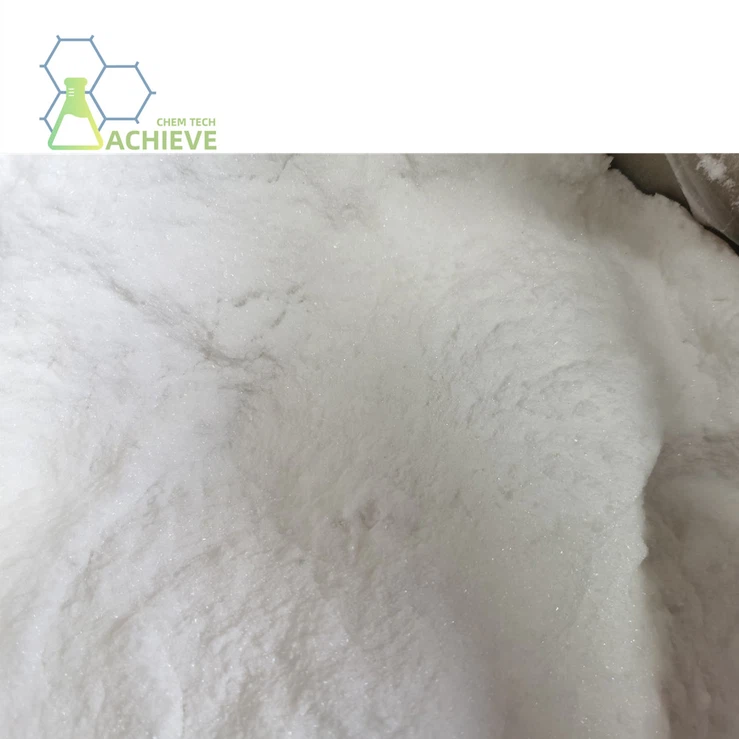


As an organic compound with various biological activities, shikimic acid powder has multiple uses, mainly reflected in the following aspects:
Shikimic acid is a key raw material for synthesizing the antiviral drug Tamiflu (commonly known as oseltamivir). Tamiflu is an efficient and selective inhibitor of influenza virus neuraminidase, which can prevent the virus from replicating in the human body, effectively treating and preventing influenza A and B. It plays an important role during influenza season and influenza outbreaks.


It can be converted into the key intermediate of oseltamivir through a series of chemical reactions, thereby synthesizing this important antiviral drug. During flu season or outbreaks, Tamiflu is highly regarded for its significant therapeutic effects, and as its core ingredient, its supply and quality control are crucial for ensuring drug production. In addition to Tamiflu, shikimic acid may also be used in the synthesis of other antiviral and anticancer drugs. As a precursor for the synthesis of many bioactive substances such as alkaloids, aromatic amino acids, and indole derivatives, it has broad application potential in the field of drug development.
Shikimic acid is a precursor for the synthesis of many alkaloids. Alkaloids are a class of natural compounds with significant biological activity, widely present in plants, and have various pharmacological effects, such as antibacterial, anti-inflammatory, anti-tumor, etc. Shikimic acid can be converted into various alkaloids through a series of enzymatic reactions, providing an important material basis for drug development and discovery.


It is also an important intermediate product in the synthesis of aromatic amino acids such as phenylalanine and tyrosine. These amino acids have various physiological functions in the body, such as participating in protein synthesis and neurotransmitter generation. Shikimic acid is converted into these amino acids through the shikimic acid pathway, providing necessary raw materials for the normal physiological activities of organisms.
In addition to alkaloids and aromatic amino acids, shikimic acid can also serve as a precursor for the synthesis of other bioactive substances, such as indole derivatives and chiral drugs.These substances have wide application value in the fields of medicine, pesticides, spices, etc; This is also an important metabolic pathway in plants, involving multiple enzymatic reactions and the generation of intermediate products. As a key intermediate product in this pathway, shikimic acid is of great significance for maintaining normal plant growth and development.


Meanwhile, the shikimic acid pathway also provides important defense mechanisms for plants to cope with environmental stresses such as diseases and adversity; This compound not only plays an important role in plants, but also has broad application prospects in microorganisms and fungi. By means of genetic engineering and other methods, microorganisms or fungi can be modified to efficiently produce shikimic acid or its derivatives, providing a new pathway for industrial production of these bioactive substances.
shikimic acid powder itself has pharmacological effects such as anti-inflammatory and analgesic effects. Research has shown that shikimic acid can inhibit the release of inflammatory factors and alleviate inflammatory reactions; At the same time, it can also exert analgesic effects by acting on the central nervous system; Has significant antiviral activity, can inhibit the replication and transmission of various viruses, and has inhibitory effects on other viruses (such as coronaviruses), demonstrating a wide spectrum of antiviral activity.


And by affecting arachidonic acid metabolism, inhibiting platelet aggregation and activation of the coagulation system, it exerts an anti thrombotic effect. Research has shown that shikimic acid can inhibit the formation of arterial and venous thrombosis as well as cerebral thrombosis, which is of great significance for the prevention and treatment of thrombotic diseases such as myocardial infarction and cerebral infarction.
It also has immune regulatory effects, which can enhance the body's immunity and promote the production of immune factors. This immunomodulatory effect makes shikimic acid have certain potential applications in the treatment of immune system diseases such as autoimmune diseases, immunodeficiency diseases, etc.


At the same time, it can also inhibit the growth and proliferation of cancer cells, and induce cancer cell apoptosis. In addition, shikimic acid can also serve as an intermediate for anticancer drugs, providing an important material basis for the development of new drugs; In addition, it also has antioxidant and antibacterial activities, which can eliminate free radicals and inhibit bacterial growth and reproduction.
Shikimic acid or its derivatives have herbicidal activity and can inhibit the growth of weeds. In agricultural production, this helps to reduce competition from weeds for crops, improve crop yield and quality; It is also used as a food additive to provide unique taste and flavor to food, and as a nutritional supplement to provide necessary nutrients for the human body. However, it should be noted that the usage and safety of shikimic acid in food need to comply with relevant regulations and standards; In the cosmetics industry, this substance helps to delay skin aging, maintain skin health, and also has a certain moisturizing effect, which can absorb and retain moisture, keeping the skin moist and smooth.


This has positive implications for improving skin dryness, roughness, and other issues; And it can be used as a raw material for synthesizing other fine chemicals, such as spices, dyes, etc. These fine chemicals have a wide range of applications in daily life and industrial production. It is of great significance in scientific research as an important intermediate product in the biosynthetic pathway for studying metabolic processes and regulatory mechanisms in organisms. In addition, shikimic acid may also have other unknown biological activities, which are worth further research and exploration.

Raw Material Source: Synergistic Pathway of Plant Extraction and Biological Fermentation
The core raw material of shikimic acid powder is the dried and mature fruit of the Lauraceae plant Illicium verum, with the content of shikimic acid in its seeds reaching 5%-7%. Approximately 90% of the global shikimic acid is extracted from Illicium verum. The main production areas are concentrated in Guangxi and Yunnan provinces of China. For instance, in 2025, the output of Illicium verum in Guangxi accounted for 70% of the national total, but due to climate fluctuations, a drought in 2022 led to a 20% reduction in production, directly increasing the raw material cost. Besides Illicium verum, North American sassafras fruits and pine needles also contain a small amount of shikimic acid (about 1%-2%), but due to high extraction costs, they are only used for small-scale niche applications.
Biological fermentation technology, as an emerging technology, constructs engineered bacterial strains (such as Escherichia coli and yeast) through gene editing, using glucose as the carbon source to synthesize shikimic acid. For instance, after optimization, the engineered Escherichia coli strain can reach a yield of 45 g/L after 48 hours of cultivation in a 5-liter fermentation tank, which is 10 times higher than that of the wild type. The advantage of this route lies in its seasonality-free nature and the ability to utilize inexpensive raw materials. However, the industrialization cost is still higher than that of plant extraction (about 30% higher). Roche uses fermentation technology to produce one-third of the shikimic acid required for making Tamiflu, in order to mitigate the risk of supply fluctuations of star anise.
Extraction Process: Multi-stage purification from crude to refined

Solvent extraction and preliminary purification
After grinding the star anise seeds, an ethanol-water (volume ratio 7:3) mixed solvent was used for extraction at 70°C for 3 times, each for 2 hours, and the extracted liquid was combined. This process can achieve an extraction rate of 85% for shikimic acid, but the solvent consumption is high (10L of solvent per kilogram of raw material). To reduce costs, some enterprises have introduced ultrasonic-assisted extraction, reducing the time to 1 hour and increasing the extraction rate to 90%. The extracted liquid is then concentrated and adsorbed by Amberlite IRA-900 anion exchange resin, washed with 2 M acetic acid, and the purity of shikimic acid is increased to 80%-85%.
Efficient refining and crystallization optimization
The crude product is dissolved in 95% methanol, and activated carbon (2% of the volume of the solution) is added for decolorization. After filtration, it is concentrated to a viscous state and cooled to 5°C for crystallization. After two recrystallizations, the purity of shikimic acid can reach 99% (HPLC detection), and the crystallization yield is 60%-70%. For example, a certain enterprise in Wuhan uses a mixed solvent of methanol and ethyl acetate for recrystallization, reducing the standard deviation of the melting point from ±2°C to ±0.5°C, significantly improving batch stability.

Quality Control: Full-chain supervision and standard upgrading

Raw material testing and process monitoring
The star anise seeds need to be tested for moisture (≤10%), ash (≤5%), and heavy metal content (Pb ≤ 2 ppm, As ≤ 1 ppm), which comply with the 2025 edition of the Chinese Pharmacopoeia. During the concentration stage of the extraction liquid, the specific gravity (1.25-1.30 g/cm³) and pH value (3.5-4.5) are monitored in real time to avoid excessive concentration that leads to decomposition of shikimic acid. During the purification process, thin-layer chromatography (TLC) is used to track the elution progress to ensure complete removal of impurities.
Product standards and stability studies
The finished product must meet the following indicators: purity ≥ 98% (HPLC), melting point 183-187°C, drying loss ≤ 1.0%, and ignitable residue ≤ 0.1%. For example, the product of a certain enterprise was tested by a third party, and the microbial limit (aerobic bacteria total count ≤ 1000 CFU/g, mold and yeast total count ≤ 100 CFU/g) was much lower than the standards of the European Pharmacopoeia, successfully exporting to the German market. In the stability study, key indicators such as particle size distribution, crystal form, and moisture content need to be included to evaluate the trend of changes during storage.


Industrial Application and Manufacturing Optimization Direction

Antiviral drug raw materials
shikimic acid powder is a key intermediate for the anti-influenza drug oseltamivir (Tamiflu), with an annual global demand of approximately 300 tons. To meet the demand, some enterprises adopt a continuous production mode, integrating the extraction, purification, and drying processes into a closed system, with a single-line production capacity of 5 tons/day, increasing efficiency by 40% compared to intermittent production.
Green manufacturing and synthetic biology breakthroughs
Supercritical CO₂ extraction technology uses CO₂ as the solvent, operating under 35°C and 20 MPa conditions. The extraction rate of shikimic acid reaches 92%, and there is no residual organic solvent. After adopting this technology, a certain enterprise in Yunnan reduced the wastewater discharge by 80% and decreased the carbon emissions per unit product by 35%. In 2025, a team from the Chinese Academy of Sciences used metabolic engineering to transform yeast cells to directly synthesize shikimic acid, achieving a production yield of 62 g/L and a fermentation cycle of 24 hours. If industrialized, it is expected to reduce the cost to below $50/kg, completely changing the industry landscape.


In 1885, the Dutch chemist Johan Fredrik Eykman first isolated the compound from the fruit of Illicium religiosum in Japan and named it shikimic acid after the Japanese name of the plant, "shikimi-no-ki". At that time, it was only identified as a hydroxy-containing organic acid; its structure was not elucidated, nor was its biological significance recognized. It was merely documented as a natural product.
Nearly 50 years after its isolation, its complete structure was finally determined. Between 1930 and 1935, research groups led by Fischer, Freudenberg, Karrer and others established its structure as (3R,4S,5R)-3,4,5-trihydroxycyclohex-1-ene-1-carboxylic acid through chemical degradation, synthetic confirmation and optical rotation analysis. The stereochemistry of the six-membered ring, carbon–carbon double bond, three hydroxyl groups and carboxyl group was clearly defined, laying the foundation for its chemical research.
In the early 1950s, Davis, Sprinson and others confirmed that shikimic acid is an essential intermediate in the biosynthesis of phenylalanine, tyrosine and tryptophan in plants and microorganisms - a pathway now known as the shikimate pathway - revealing its central role in metabolic processes. During the same period, techniques for the isolation of high-purity it gradually matured, providing the material basis for subsequent studies.
The avian influenza outbreak in 2005 triggered a surge in demand for shikimic acid, as its powder became a key starting material for the production of oseltamivir. Traditional extraction from star anise could not meet the supply, leading to the rapid development of microbial fermentation methods (e.g., using recombinant Escherichia coli). This enabled large-scale, low-cost production of it, transforming it from a laboratory reagent into an important pharmaceutical and chemical raw material.
FAQ
What is shikimic acid used for?
+
-
Shikimic acid (3,4,5-trihydroxy-1-cyclohexene-1-carboxylic acid), a natural organic compound, is generally utilized as a starting material for industrial synthesis of the antiviral oseltamivir, a drug against the H1N1 influenza virus.
What is another name for shikimic acid?
+
-
Shikimic acid, more commonly known as its anionic form shikimate, is a cyclohexene, a cyclitol and a cyclohexanecarboxylic acid.
Is shikimic acid safe?
+
-
Shikimic acid (3,4,5-trihydroxy-1-cyclohexene-1-carboxylic acid; SA) occurs naturally in a variety of plant material. It is an intermediate in the formation of several aromatic compounds from carbohydrates. Because of its simple chemical structure, SA has been considered to be a relatively innocuous chemical.
What is shikimic acid?
+
-
Shikimic acid is a natural product of industrial importance utilized as a precursor of the antiviral Tamiflu. It is nowadays produced in multihundred ton amounts from the extraction of star anise (Illicium verum) or by fermentation processes.
Hot Tags: shikimic acid powder cas 138-59-0, suppliers, manufacturers, factory, wholesale, buy, price, bulk, for sale, 3 5 Di tert butylbromobenzene, 4 Amino 2 chloropyridine CAS 14432 12 3, 2 6 Pyridinedicarboxylic acid, 1 3 Dichloro 2 Propanol CAS 96 23 1, Allyl Chloride CAS 107 05 1, N N N Trimethylethylenediamine