


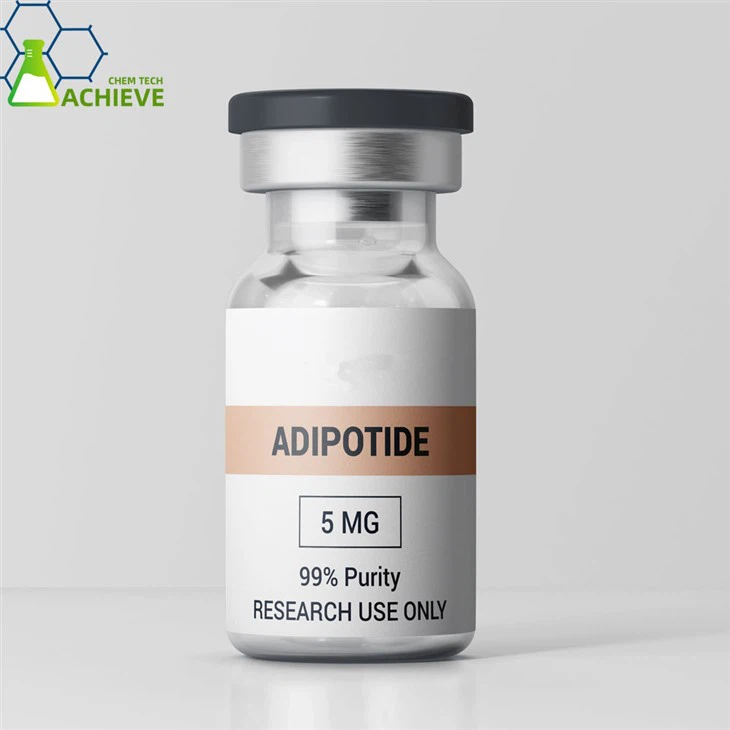

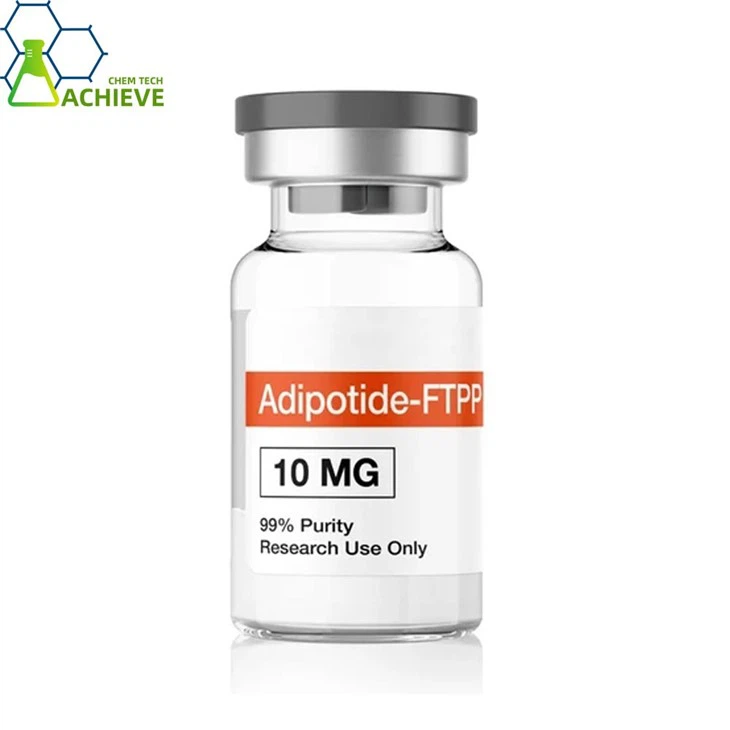
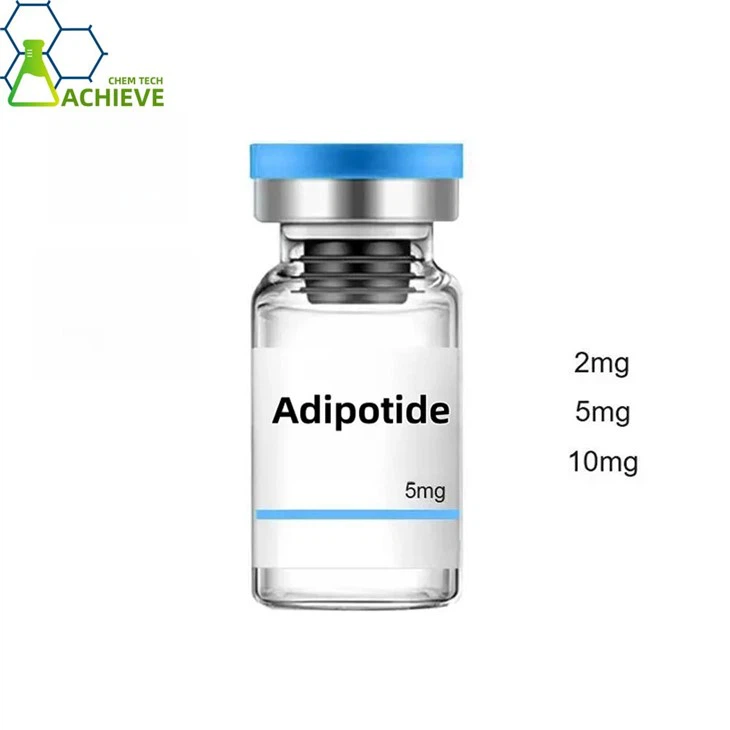
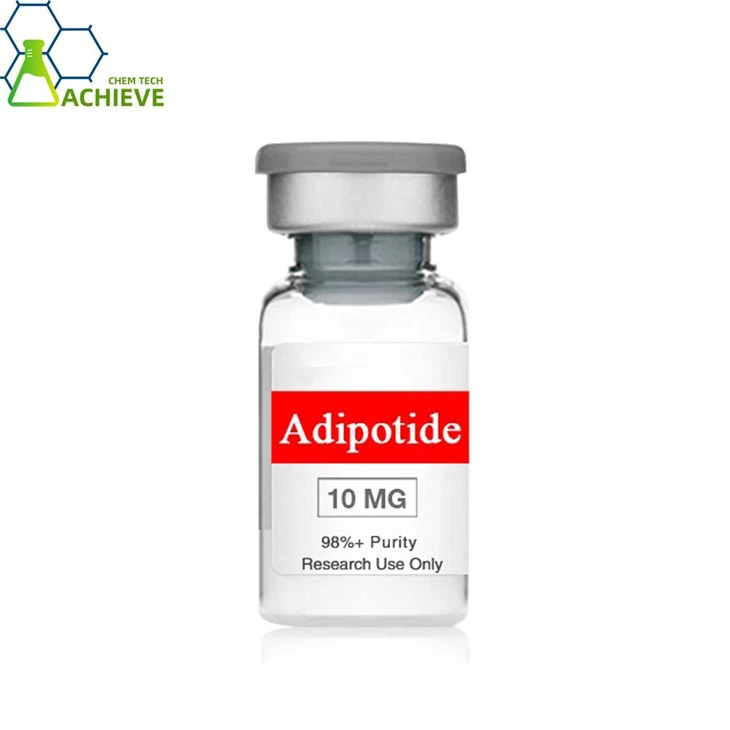

Shaanxi BLOOM Tech Co., Ltd. is one of the most experienced manufacturers and suppliers of adipotide peptide in China. Welcome to wholesale bulk high quality adipotide peptide for sale here from our factory. Good service and reasonable price are available.
Adipotide peptide is a synthetic peptidomimetic compound designed to target and disrupt the blood supply to adipose tissue, thereby promoting fat reduction. This peptide specifically binds to prohibitin, a protein highly expressed on the surface of adipocyte blood vessels, triggering apoptosis in the endothelial cells that sustain these vessels. By selectively impairing vascularization in fat deposits, Adipotide induces hypoxia and nutrient deprivation, leading to the shrinkage of adipose tissue. Studies in animal models have demonstrated its efficacy in reducing body weight and fat mass without systemic toxicity, making it a promising candidate for metabolic research. The peptide's mechanism of action is distinct from traditional approaches, as it focuses on vasculature rather than directly altering adipocyte function or central metabolic pathways. Adipotide's targeted effects highlight its potential utility in veterinary medicine and animal health applications, particularly for managing obesity-related conditions in companion animals or livestock. Further research continues to explore its long-term safety profile and optimal dosing strategies for various species.
|
|
|


Adipotide Powder COA


Mechanism of Action and Core Characteristics
Adipotide Peptide is an experimental peptide drug. Its molecular sequence is CKGGRAKDC-GG-D(KLAKLAK)₂. It induces apoptosis by targeting the vascular endothelial cells of adipose tissue, thereby achieving fat reduction. The action pathway can be divided into two stages:
Vascular targeting stage: The peptide segment (CKGGRAKDC) specifically binds to the prohibitin receptors on the surface of adipose tissue vascular endothelial cells, blocking the angiogenesis signal.
Apoptosis stage: The latter segment (D(KLAKLAK)₂) is a cell-penetrating peptide that carries a hydrophobic amino acid sequence into the cytoplasm, disrupting the mitochondrial membrane potential, activating the caspase pathway, and inducing programmed cell death.
Animal experiments have shown that this mechanism can reduce the blood supply to adipose tissue by 70% - 90%, and adipocytes will initiate the apoptosis program within 48 - 72 hours due to hypoxia and nutrient deprivation.
Non-human Application Scenarios and Dose Regimens
Currently, the research on Adipotide is mainly focused on obese model animals (such as mice and rhesus monkeys) and metabolic disease models (such as pre-diabetic monkeys). It has not yet been approved for use in humans. The following are typical experimental protocols:


Obese mouse model
Dosage: 0.1 - 0.5 mg/kg body weight, subcutaneous injection daily.
Period: Continuous administration for 4 weeks, then drug withdrawal for 4 weeks for observation.
Effect:
Weight decreased by 25% - 30% (continuously reduced after drug withdrawal);
Abdominal fat reduced by 40% - 50%;
Serum triglyceride levels decreased by 35%.
Mechanism verification: Through fluorescently labeled peptides, it was confirmed that they preferentially accumulated in the blood vessels of white adipose tissue rather than muscles or liver.
Rhesus monkey obesity model
Dosage: 0.3 - 0.75 mg/kg body weight, subcutaneous injection 3 times a week.
Period: 9 weeks of administration + 4 weeks of drug withdrawal.
Effect:
Average weight decreased by 11% (continuously reduced after drug withdrawal);
Fat volume decreased by 39%;
Fasting blood glucose decreased by 15% - 20%, insulin sensitivity increased by 40%.
Metabolic improvement: Observation of glucose tolerance improvement 2 - 3 days after administration, earlier than weight change, suggesting that it may directly improve metabolism by regulating hormone secretion in adipose tissue (such as adiponectin increase, leptin decrease).
Pre-diabetic monkey model
Dosage: 0.5 mg/kg body weight, subcutaneous injection daily.
Period: 2 weeks of administration.
Effect:
Insulin sensitivity increased by 50%;
Liver triglyceride content decreased by 30%;
The gene expression profile of adipose tissue showed that inflammatory-related genes (such as TNF-α, IL-6) were downregulated, and lipid metabolism-related genes (such as PPAR-γ, LPL) were upregulated.
Operating Specifications and Precautions

Preparation and Storage
Reconstitution: Prepare with sterile normal saline or PBS, with a concentration of 1-5 mg/mL. Avoid vigorous shaking to prevent peptide degradation.
Storage: Store for short-term (within 1 week) at 4°C; for long-term storage, aliquot and freeze at -20°C or -80°C to avoid repeated freezing and thawing.
Administration Method
Subcutaneous Injection: Preferentially choose the abdomen or the inner side of the hind limb. The injection volume should not exceed 0.2 mL/kg to minimize local irritation.
Intravenous Injection: Only for pharmacokinetic studies. Slowly inject (≥5 minutes) to prevent sudden drop in blood pressure.


Monitoring Indicators
Body Weight and Body Fat: Measure body weight weekly. Use DEXA or MRI to quantify fat mass.
Metabolic Parameters: Regularly test fasting blood glucose, insulin, and lipids (TG, HDL/LDL).
Safety Assessment: Monitor liver and kidney function (ALT, AST, BUN, Cr) and observe injection site redness, changes in appetite, etc. for side effects.
Research Limitations and Risk Warnings
Species Differences
Mice and primates have different sensitivities to Adipotide. Rhesus monkeys require a higher dose to achieve similar fat reduction effects as mice, possibly due to differences in prohibitin receptor expression density.
Unknown Long-Term Effects
The longest observation period for animal experiments is 6 months. No fat tissue regeneration or metabolic compensatory rebound was observed, but long-term safety needs further verification.
Immune Response Risk
Repeated administration may induce antibody production, leading to a decrease in efficacy. Experimental settings should include antibody detection time points (e.g., 4, 8, and 12 weeks after administration).
Ethical Compliance
Non-human experiments must follow the 3R principle (replacement, reduction, and optimization) to ensure animal welfare and avoid unnecessary suffering.
Future Research Directions
Combination Therapy
Explore the use of Adipotide in combination with GLP-1 receptor agonists, SGLT-2 inhibitors, and other metabolic drugs to enhance efficacy or reduce dose-dependent side effects.
Targeted Delivery System
Develop nanoparticle or liposome encapsulation technologies to improve the stability of the peptide and reduce systemic exposure.
Mechanism Deepening
Study the effects of Adipotide on brown adipose tissue, intestinal microbiota, and other metabolic regulatory organs to reveal the complete pathway for improving metabolism.
Conclusion
Adipotide peptide demonstrates significant potential for fat reduction and metabolic improvement in non-human studies. However, its application must strictly follow experimental specifications, optimize dosage based on species characteristics, and continuously monitor safety and long-term effects. In the future, with breakthroughs in delivery technology and mechanism research, this peptide is expected to provide new strategies for the treatment of obesity and metabolic diseases.

Adipotide Peptide (FTPP) is an experimental synthetic peptide with the core sequence CKGGRAKDC-GG-D(KLAKLAK)₂. It induces apoptosis in adipose tissue vascular endothelial cells, thereby achieving fat reduction. The manufacturing process involves key steps such as peptide synthesis, purification, quality control, and stability assurance. The following analysis is conducted from the perspectives of technical principle, process flow, and quality standards.
Technical Principle: Molecular Design Targeting Fat Blood Vessels
The molecular structure of Adipotide consists of two parts, which jointly achieve its apoptotic targeting function:

Targeting Module (CKGGRAKDC)
This sequence achieves targeting by specifically binding to the prohibitin receptors on the surface of adipose tissue vascular endothelial cells. Prohibitin is a highly conserved membrane protein that is highly expressed in adipose and tumor vascular endothelium, but is extremely lowly expressed in other tissues, giving Adipotide high selectivity.
Apoptosis Module (D(KLAKLAK)₂):
This sequence is a cell-penetrating peptide that, after carrying hydrophobic amino acids into the cytoplasm, disrupts the mitochondrial membrane potential, activates the caspase pathway, and induces programmed cell death. This design enables Adipotide to precisely target adipose vessels, then block blood supply through local apoptosis, causing adipocytes to die due to hypoxia and nutrient deprivation.

Process Flow: Precise Control from Synthesis to Finished Product
The production of Adipotide requires strict chemical synthesis and purification standards to ensure its activity and stability:

Solid-phase synthesis (SPPS)
The Fmoc protecting group strategy is adopted to gradually extend the peptide chain on the resin carrier. Key steps include:
Deprotection: Use a piperidine solution to remove the Fmoc group, exposing the amino group;
Coupling: Add activated amino acids (such as the HBTU/DIPEA system) to form peptide bonds;
Cutting: After synthesis is completed, use trifluoroacetic acid (TFA) to cut the polypeptide from the resin and remove the side chain protecting groups simultaneously.
This stage requires strict control of reaction conditions (such as temperature, pH, and reaction time) to avoid racemization or the formation of by-products.
Purification and identification
High-performance liquid chromatography (HPLC): Separate the target peptide from impurities through an reversed-phase chromatography column (such as C18), with a purity typically reaching ≥98%;
Mass spectrometry analysis (MS): Confirm that the molecular weight is consistent with the designed value (the molecular weight of Adipotide is 2611.41 g/mol);
Amino acid sequence analysis: Verify the sequence accuracy through Edman degradation or tandem mass spectrometry.


Freeze-drying process
To enhance stability, the purified polypeptide needs to be dehydrated through freeze-drying (Lyophilization). This process involves:
Pre-freezing: Rapidly cool the solution to below -40℃ to form uniform ice crystals;
Sublimation drying: Heating under low pressure to directly convert ice into gas;
Drying analysis: Further heating to remove residual moisture, resulting in a final product with a moisture content typically less than 2%.
The freeze-dried Adipotide appears as a white, loose solid, which is easy to store and re-dissolve.
Quality Standards: Key Indicators for Ensuring Activity and Safety
The production of Adipotide must meet the following quality requirements:
Purity and impurity control
Peak purity: HPLC detection requires ≥98%, avoiding interference from impurities on activity or triggering immune reactions;
Related substances: The content of missing peptides, oxidized peptides, etc. needs to be controlled (usually <1%);
Residual solvents: The residual of organic solvents such as TFA should comply with ICH guidelines (e.g. <500 ppm).
Stability guarantee
Packaging: Use inert gases (such as nitrogen) for filling to avoid oxidation;
Storage conditions: Short-term (within 1 week) should be stored at 4°C; for long-term storage, the product should be aliquoted and frozen at -20°C or -80°C to avoid repeated freeze-thawing that may lead to degradation;
Reconstitution guidelines: Prepare using sterile physiological saline or PBS, with a concentration of 1-5 mg/mL. Avoid vigorous shaking to prevent peptide breakage.
Activity verification
Verify its biological activity through cell experiments (such as inducing apoptosis of adipose vascular endothelial cells) or animal models (such as weight loss in obese mice and reduction in fat volume) to ensure that each batch of product meets the expected effect.
Application prospects and manufacturing challenges
The manufacturing technology of Adipotide provides a new tool for the treatment of metabolic diseases, but its large-scale application still faces challenges:
Cost optimization: The costs of solid-phase synthesis and purification are relatively high, and more efficient processes need to be developed;
Long-term stability: Further research is needed on the long-term storage conditions of freeze-dried products;
Species specificity: The differences in sensitivity of different animals to Adipotide (such as different doses for mice and rhesus monkeys) need to be specifically adjusted during manufacturing.
In the future, with the advancement of delivery technologies (such as nanoparticle encapsulation) and synthesis processes, the manufacturing efficiency and stability of Adipotide are expected to improve, laying the foundation for its transition from the laboratory to clinical application.
Frequently Asked Questions
What is the best peptide for fat loss?
+
-
The best peptides for weight loss are GLP-1 agonists like Tirzepatide (Zepbound, Mounjaro), Semaglutide (Wegovy, Ozempic), and Liraglutide (Saxenda), which reduce appetite and increase fullness, with Tirzepatide often considered most effective due to its dual-pathway action (GLP-1/GIP). Other effective options include CJC-1295 with Ipamorelin and AOD 9604, which boost growth hormone and fat metabolism. Always consult a doctor before starting peptide therapy, as they can have side effects and aren't suitable for everyone.
What is the other name for Adipotide?
+
-
Adipotide, also known as FTPP (Fat-Targeted Proapoptotic Peptide), is a synthetic peptidomimetic compound designed to induce apoptosis in the vasculature of white adipose tissue selectively.
Is belly fat adipose tissue?
+
-
Visceral fat is the intra-abdominal adipose tissue stored around several organs, including the stomach, the intestines and the liver. An increase in visceral fat of more than 130 cm² defines Visceral Obesity, a major risk factor of several chronic diseases at any weight or BMI level.
What diseases are associated with adipose tissue?
+
-
Excessive accumulation of body fat induces metabolic abnormalities and diseases, including insulin resistance, prediabetes, type 2 diabetes mellitus (T2DM), dyslipidemia (high triglyceride and low high-density lipoprotein cholesterol (HDL-C) circulating concentrations), gout, and metabolic dysfunction-associated fatty.
Can adipose tissue be cancerous?
+
-
Liposarcoma is a rare type of cancer that starts in the fat cells. It most often begins as a growth of cells in the belly or in the arm and leg muscles. But liposarcoma can begin in the fat cells anywhere in the body. Liposarcoma happens most often in older adults, but it can happen at any age.
Hot Tags: adipotide peptide, suppliers, manufacturers, factory, wholesale, buy, price, bulk, for sale, Tesamorelin CAS 218949 48 5, Best Growth Hormone Releasing Peptide CAS 87616 84 0, Melanotan ii powder, LONG R3 IGF I CAS 143045 27 6, DecaPeptide 12 CAS 137665 91 9, Kisspeptin powder