




Arg34-GLP-1(7-37), with the molecular formula C151H228N42O47, has a molecular weight of 3383.73. This molecule is composed of a large number of carbon, hydrogen, nitrogen, and oxygen atoms, forming a complex peptide chain structure. In peptide chains, nitrogen atoms are mainly present in the amino group of amino acids, while oxygen atoms are mainly present in the carboxyl and hydroxyl groups. These atoms are connected together through peptide bonds, forming peptide molecules with specific spatial conformations.
|
Customized Bottle Caps And Corks:
|
|


Arg34-GLP-1(7-37) COA
 |
||
| Certificate of Analysis | ||
| Compound name | Arg34-GLP-1(7-37) | |
| Grade | Pharmaceutical grade | |
| CAS No. | 204521-68-6 | |
| Quantity | 33g | |
| Packaging standard | PE bag+Al foil bag | |
| Manufacturer | Shaanxi BLOOM TECH Co., Ltd | |
| Lot No. | 202601090055 | |
| MFG | Jan 9th 2026 | |
| EXP | Jan 8th 2029 | |
| Structure |
|
|
| Item | Enterprise standard | Analysis result |
| Appearance | White or almost white powder | Conformed |
| Water content | ≤5.0% | 0.37% |
| Loss on drying | ≤1.0% | 0.21% |
| Heavy Metals | Pb≤0.5ppm | N.D. |
| As≤0.5ppm | N.D. | |
| Hg≤0.5ppm | N.D. | |
| Cd≤0.5ppm | N.D. | |
| Purity (HPLC) | ≥99.0% | 99.90% |
| Single impurity | <0.8% | 0.62% |
| Total microbial count | ≤750cfu/g | 311 |
| E. Coli | ≤2MPN/g | N.D. |
| Salmonella | N.D. | N.D. |
| Ethanol (by GC) | ≤5000ppm | 725ppm |
| Storage | Store in a sealed, dark, and dry place below 2-8°C | |
|
|
||


Arg34-GLP-1(7-37) is a specifically modified analogue of glucagon like peptide-1. It plays a variety of functions in vivo, especially in the treatment of diabetes and weight control shows potential application value.It usually appears as a white powder, and its solubility is influenced by factors such as solvent type, pH value, and temperature. Under suitable solvents and conditions, it can exhibit good solubility. Having a certain extinction coefficient is an important parameter of its optical properties. The extinction coefficient is related to factors such as peptide concentration, solvent type, and wavelength. By measuring the extinction coefficient, its concentration in solution can be indirectly calculated, and its biological activity or efficacy can be evaluated. It is a kind of polypeptide molecule with specific biological activity, which has potential application value in the field of medicine, especially in the treatment of diabetes. By binding to the glucagon receptor, relevant signaling pathways can be activated to regulate glucose metabolism and insulin secretion.
1. Promote insulin production and secretion
As a type of intestinal insulin hormone, one of its most significant functions is to promote insulin production and secretion. When blood sugar levels rise, it binds to the glucagon receptor, activating adenylate cyclase and increasing intracellular CAMP concentration, thereby enhancing glucose stimulated insulin secretion.


This insulin promoting effect is glucose dependent, that is, when the extracellular glucose concentration reaches a certain value, it can effectively promote insulin secretion. Therefore, it plays an important role in controlling the blood sugar level, especially suitable for adult type 2 diabetes patients.
2. Inhibition of glucagon synthesis and secretion
In addition to promoting insulin secretion, it can also inhibit the synthesis and secretion of glucagon. Glucagon is a hormone that raises blood sugar, which has the opposite effect as insulin. By inhibiting the secretion of glucagon, it helps to maintain stable blood sugar levels and prevent damage to the body caused by high or low blood sugar levels.


3. Delaying gastric emptying and inhibiting intestinal peristalsis
It also has the function of delaying gastric emptying and inhibiting intestinal peristalsis. By slowing down the emptying rate of the stomach, it can lower the peak of postprandial blood sugar and make blood sugar levels more stable. Meanwhile, inhibiting intestinal peristalsis also helps to control feeding, reduce weight, and has certain therapeutic potential for obese patients.
4. Reduce the risk of cardiovascular disease
Research shows that it can also reduce the risk of cardiovascular adverse events in type 2 diabetes patients with cardiovascular disease. This may be related to various mechanisms such as improving blood sugar control and insulin resistance, as well as lowering blood lipids and blood pressure. By comprehensively improving multiple aspects of the cardiovascular system, new treatment strategies have been provided for patients with cardiovascular diseases.

5. Affects tissue metabolism
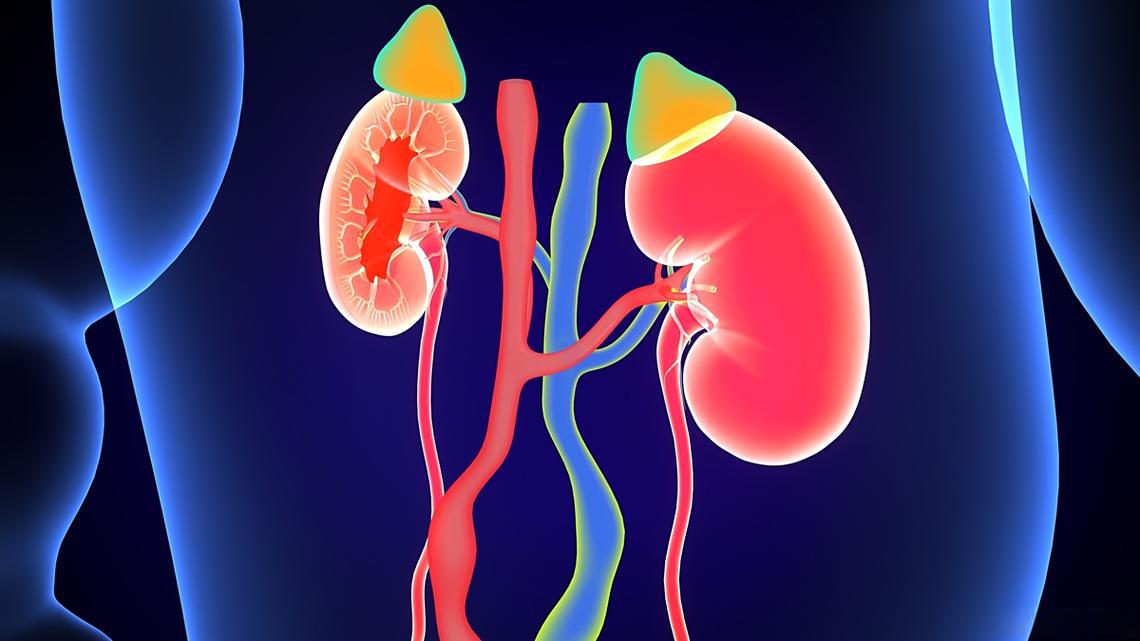
It can bind to related receptors such as kidneys and skin, affecting tissue metabolism. By interacting with these receptors, it can regulate physiological processes such as energy metabolism, water balance, and electrolyte balance, maintaining the stability of the internal environment of the organism.
6. Potential non diabetes treatment
In addition to the treatment of diabetes, it may also play a therapeutic role in other diseases. For example, it may have certain therapeutic effects in obesity and non-alcoholic fatty liver disease, neurological disorders, and certain kidney diseases. However, further research and clinical trials are needed to confirm these potential application values.


Regarding the synthesis of Arg34-GLP-1(7-37), these methods are usually based on principles of biochemistry and molecular biology, and efficient synthesis of target peptides is achieved through different technical means.
1. Gene recombination technology
Gene recombination technology is a method of synthesizing target peptides through genetic manipulation using genetic information from living organisms. In the synthesis of it, gene recombination technology can be achieved through the following steps:
Firstly, isolate genes encoding GLP-1 or its related fragments from suitable organisms or cell lines. Then, these genes are inserted into appropriate expression vectors through gene cloning technology for efficient expression in host cells.
Before gene expression, genes can be modified by techniques such as directed mutagenesis to introduce the required amino acid residues such as Arg34. In this way, when genes are expressed in host cells, they can directly produce GLP-1 fragments with specific modifications.
The expressed protein needs to go through a series of purification steps to remove impurities and improve purity. This usually includes techniques such as cell lysis, centrifugation, and chromatography.
2. Chemical synthesis method
In addition to solid-phase peptide synthesis, there are other chemical synthesis methods available for the synthesis of it. These methods typically involve more complex chemical reactions and steps, but can achieve higher synthesis efficiency and purity.
Fragment condensation method:This method first breaks down GLP-1 or its related fragments into smaller peptide segments, and then synthesizes these peptide segments separately. Finally, these peptide segments are connected through specific chemical reactions to form the complete the product. This method can improve the flexibility and efficiency of synthesis.
Liquid phase synthesis method:Liquid phase synthesis is a method of peptide synthesis in solution. Compared with solid-phase peptide synthesis, liquid-phase synthesis has a higher reaction rate and fewer by-products. However, the purification steps of liquid-phase synthesis are often more complex.
3. Enzymatic synthesis method
Enzymatic synthesis utilizes the catalytic action of enzymes to synthesize peptides. This method has the advantages of mild reaction conditions and fewer by-products. In the synthesis of the product, specific enzymes can be used to catalyze the formation of peptide bonds, thereby achieving efficient synthesis of target peptides.
4. Other biotechnological means
In addition to the above methods, there are also some other biotechnology methods that can be used for the synthesis of Arg34-GLP-1(7-37), such as cell fusion technology, transgenic animal technology, etc. These technologies typically involve more complex biological operations and regulation, but can achieve more efficient synthesis and wider applications.
Comparison of advantages and disadvantages of synthesis methods

Different synthesis methods have their own advantages and disadvantages. Gene recombination technology can achieve large-scale and efficient synthesis, but the operation is complex and requires professional biological laboratory conditions. The chemical synthesis method has high flexibility and purity, but there are many synthesis steps and high costs. The enzymatic synthesis method has mild reaction conditions and fewer by-products, but the source and stability of the enzyme may limit its application. Therefore, when choosing a synthesis method, it is necessary to weigh the actual needs and conditions.
What are the side effects of this compound?
1.Common side effects
Gastrointestinal reactions: nausea, vomiting, diarrhea, indigestion, bloating, constipation .These reactions are usually mild and may gradually alleviate after a period of use.
Decreased appetite:Arg34-GLP-1 (7-37) has the effect of increasing satiety, which may lead to decreased appetite, thereby reducing calorie intake and aiding in weight management. However, for some patients, this may become an undesirable side effect.
2.Rare but serious side effects
Pancreatitis:Although rare, the use of GLP-1 analogs may increase the risk of pancreatitis. The symptoms of pancreatitis include severe abdominal pain, nausea, vomiting, etc.
Hypoglycemia:When the compound is used in combination with other blood glucose lowering drugs such as insulin or sulfonylurea, it may increase the risk of hypoglycemia. The symptoms of hypoglycemia include trembling, sweating, dizziness, weakness, and rapid heartbeat.
Allergic reactions:Some patients may experience allergic reactions to it, including rash, itching, difficulty breathing, etc. If allergic reactions occur, seek medical attention immediately.
Thyroid cancer risk:Studies have shown that GLP-1 analogs may increase the risk of medullary thyroid cancer. Therefore, caution should be exercised when using it for patients with a family history of medullary thyroid cancer or multiple endocrine neoplasia syndrome type 2.
3.Other precautions
Injection site reaction:For the substance in injection form, there may be reactions such as redness, swelling, and pain at the injection site. These reactions usually subside within a few days.
Monitoring and follow-up:During use, regular blood glucose monitoring, weight monitoring, and examinations of related organs such as the pancreas and thyroid should be conducted.
Patient education and communication:Patients should fully understand the side effects and risks associated with the compound and maintain close communication with healthcare providers during use.
Future Directions
Oral Formulations:Current GLP-1R agonists require subcutaneous injection. Oral semaglutide (Rybelsus®) uses sodium N-(8-[2-hydroxybenzoyl]amino)caprylate (SNAC) to enhance absorption. Similar technology could be applied to the product, improving patient adherence.
Dual GLP-1/GIP Agonists:Tirzepatide (Mounjaro®), a dual GLP-1/glucose-dependent insulinotropic polypeptide (GIP) agonist, shows superior HbA1c reduction and weight loss. Combining the product with GIP analogs may enhance efficacy.
Cardiac-Specific Targeting:Developing the product variants with enhanced cardiac tissue penetration could maximize cardioprotective effects while minimizing systemic side effects.
Personalized Medicine:Biomarkers (e.g., GLP-1R polymorphisms, DPP-4 activity) could identify patients most likely to benefit from the product, optimizing therapeutic outcomes.

The product represents a significant advancement in GLP-1R agonist therapy. Its arginine substitution enhances stability, receptor binding, and metabolic-cardiovascular benefits. With proven efficacy in glycemic control, weight loss, and CVD risk reduction, it is a valuable option for T2D and obesity management. Future research should focus on oral formulations, dual-agonist combinations, and personalized dosing strategies to maximize its therapeutic potential.

The discovery of Arg34-GLP-1(7-37) was built on basic research of Glucagon-Like Peptide-1, with its origins tracing back to the 1980s. In 1986, scientists including Joel Habener and Svetlana Mojsov first identified Glucagon-Like Peptide-1 in the intestine. It is an active fragment produced by the cleavage of proglucagon via prohormone convertases, and one of the two major active forms of Glucagon-Like Peptide-1 in the human body. It was initially found to participate in blood glucose regulation and exert glucose-dependent insulinotropic effects. Earlier, Habener's team had predicted the existence of such glucagon-related peptides through studies on fish proglucagon, laying the foundation for the subsequent discovery of the active fragment.
With in-depth investigations into the physiological functions of Glucagon-Like Peptide-1, scientists found that native Glucagon-Like Peptide-1 is readily hydrolyzed and inactivated by dipeptidyl peptidase-4 (DPP-4) in vivo, with an extremely short half-life, making it difficult to directly apply in research and drug development. In subsequent studies, researchers explored optimization strategies through structural modification. Unexpectedly, they found that replacing lysine (Lys) at position 34 of native Glucagon-Like Peptide-1 with arginine (Arg) yielded the product, which not only retained the original biological activity but also exhibited significantly enhanced receptor agonism. Furthermore, it provided a stable scaffold for further structural modification and half-life extension, becoming a crucial cornerstone in the research and development of Glucagon-Like Peptide-1 receptor agonist drugs, and advancing the progress of related hypoglycemic and anti-obesity medications.
FAQ
Is Glucagon-Like Peptide-1 the same as Ozempic?
+
-
Glucagon-Like Peptide-1 is a natural hormone that helps control appetite and boost weight loss, while Ozempic is an effective medication that mimics GLP-1's effects for lasting results. At Cape Fear Physical Medicine and Rehab, Ozempic offers a proven, convenient way to curb hunger and support your weight loss journey.
Which Glucagon-Like Peptide-1 is best for weight loss?
+
-
Clinical trials and recent meta-analyses consistently show tirzepatide delivers the most substantial weight reduction among GLP-1 medications, with average losses of up to 22.5% of body weight, outperforming semaglutide (Wegovy and Ozempic), which averages up to 15–16% weight loss.
Is Glucagon-Like Peptide-1 for weight loss safe?
+
-
They can have risky side effects.
Some of the more common side effects of Glucagon-Like Peptide-1 drugs include nausea, vomiting, and diarrhea, but there also have been reports of issues such as sagging and wrinkling of skin. The FDA continues to investigate more serious side effects, such as suicide ideation.
Hot Tags: arg34-glp-1(7-37) cas 204521-68-6, suppliers, manufacturers, factory, wholesale, buy, price, bulk, for sale, Lpamorelin Powder CAS 170851 70 4, Selank Peptide CAS 129954 34 3, Bremelanotide Powder CAS 189691 06 3, DecaPeptide 12 CAS 137665 91 9, Melanotan 2 Powder, Epitalon Powder CAS 307297 39 8