




Shaanxi BLOOM Tech Co., Ltd. is one of the most experienced manufacturers and suppliers of cibinetide peptide in China. Welcome to wholesale bulk high quality cibinetide peptide for sale here from our factory. Good service and reasonable price are available.
Cibinetide peptide (ARA290) is a short peptide derived from erythropoietin that can exert tissue protective effects through non erythroid pathways. In recent years, it has shown significant protective effects in a variety of disease models, especially in the study of tissue damage and diabetes related neuropathy. In terms of organizational protection, it is used in heart, kidney, liver, and peripheral tissue injury models to evaluate tissue repair, anti apoptotic, and anti-inflammatory effects; In the study of diabetes and neuropathy, this peptide is used to improve peripheral nerve function, promote nerve regeneration and relieve pain symptoms.
Our product form

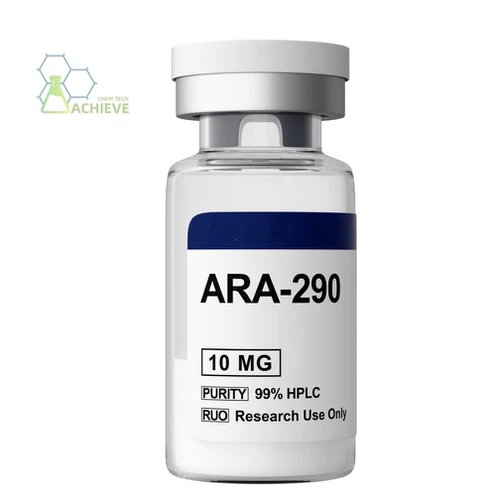
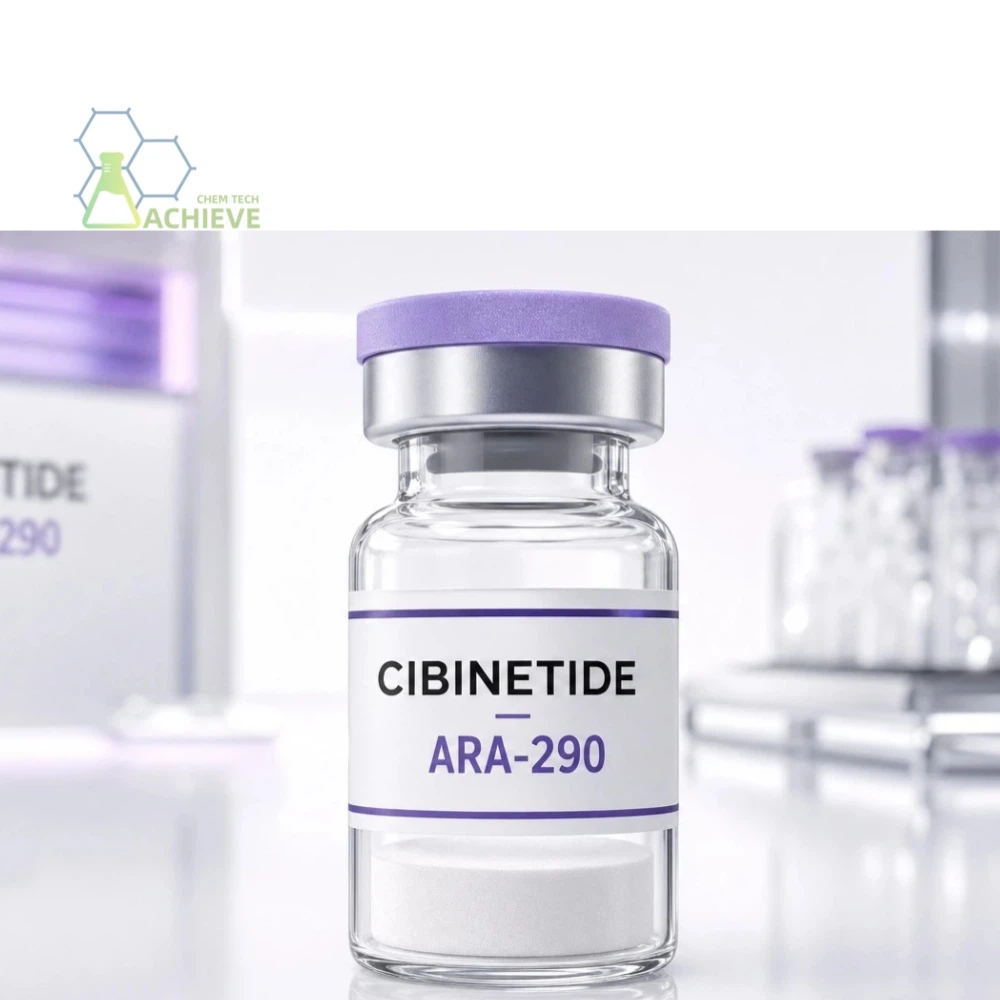
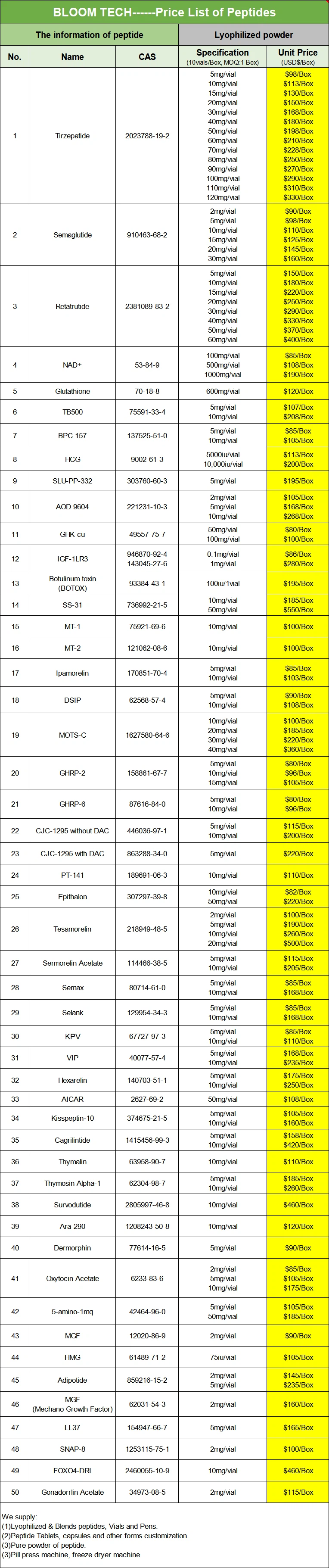
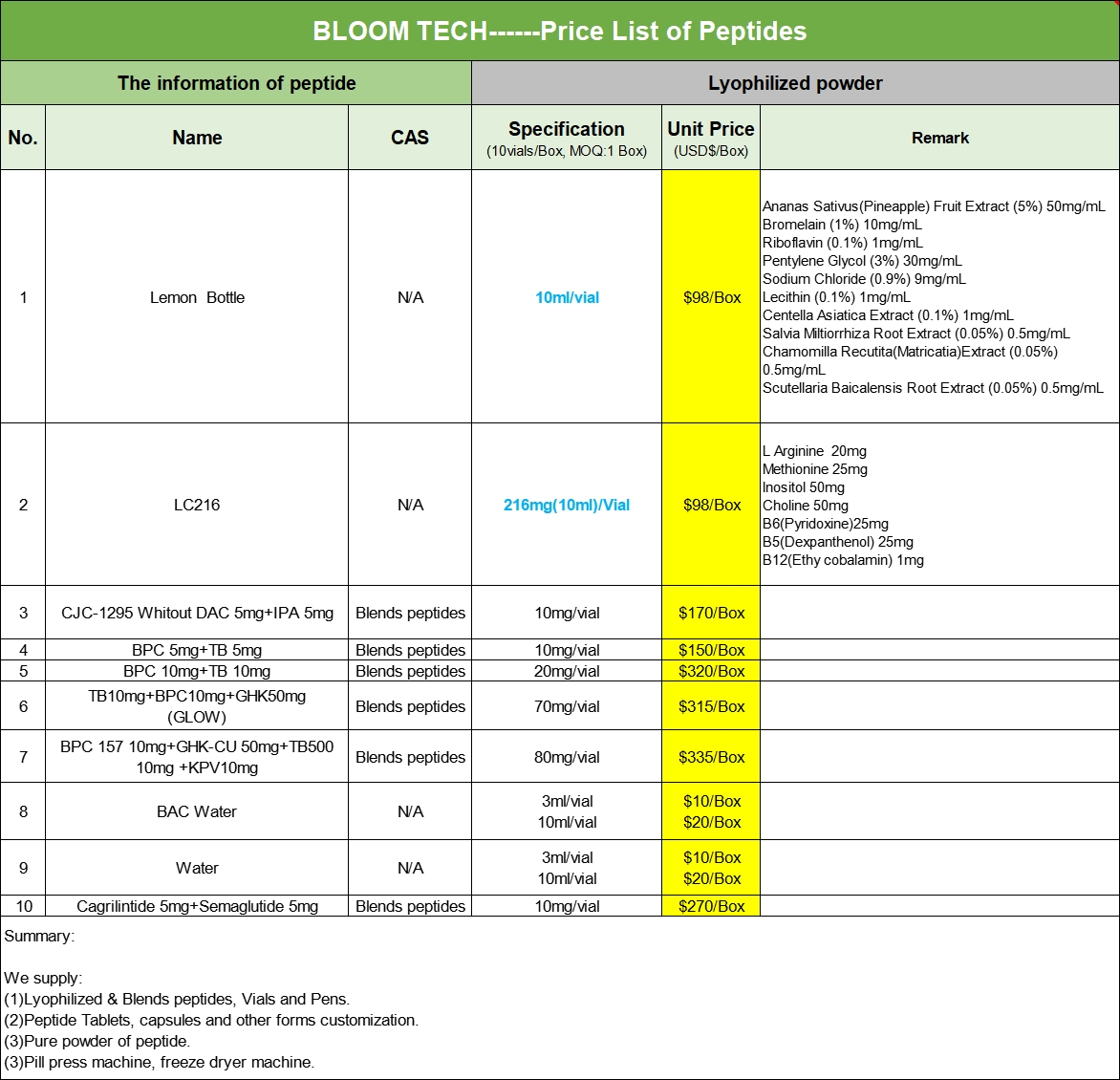

Cibinetide/ARA-290 COA


Cibinetide peptide is a short peptide derived from erythropoietin that can exert tissue protective effects through non erythroid pathways. In recent years, it has shown significant protective effects in a variety of disease models, especially in the study of tissue damage and diabetes related neuropathy. In terms of organizational protection, it is used in heart, kidney, liver, and peripheral tissue injury models to evaluate tissue repair, anti apoptotic, and anti-inflammatory effects; In the study of diabetes and neuropathy, this peptide is used to improve peripheral nerve function, promote nerve regeneration and relieve pain symptoms.

1. Overview
It is a short peptide derived from erythropoietin (EPO), which is unique in its ability to exert tissue protective effects without triggering erythropoiesis, thereby avoiding the risks associated with increased red blood cells. This characteristic makes it an ideal tool molecule for studying various injury and disease models. Since its development, it has been widely used in basic research and preclinical trials, especially in tissue protection, inflammatory regulation and diabetes neuropathy research.
The researchers found that this peptide can play a protective role in many organs such as the heart, kidney, liver and peripheral tissue, and improve the neurological function and pain symptoms in the model of diabetes neuropathy. By integrating existing literature, it can be found that in experimental studies, it is not only used for functional evaluation, but also for pathological mechanism analysis, providing a reliable tool for exploring new intervention strategies (Brines et al., 2008; Erbayraktar et al., 2010).


2. Specific uses in organizational protection
It is widely used in the field of organizational protection, covering acute and chronic injury models of the heart, kidneys, liver, and other peripheral tissues. Its use is not limited to basic physiological research, but also includes the analysis of multi organ injury mechanisms and evaluation of intervention strategies.
2.1 Research on Cardiac Protection
It is widely used in myocardial ischemia and reperfusion injury models to evaluate myocardial protective effects. Research has shown that this peptide can significantly reduce the area of myocardial cell apoptosis.
Decrease the rate of necrosis, and improve myocardial contractile function (Brines et al., 2008). For example, in a rat model of acute myocardial ischemia, exogenous application of it can reduce the area of myocardial injury and maintain cardiac systolic and diastolic function, while reducing the expression of reperfusion related inflammatory factors. The evaluation of cardiac ultrasound and blood biochemical indicators has become a standardized experimental tool in myocardial protection research. In addition, it has been used in a chronic heart failure model to evaluate the improvement of cardiac function and inhibition of ventricular remodeling, providing experimental basis for future cardiovascular disease interventions.


2.2 Research on Renal Protection
In renal protection research, it is mainly used for acute kidney injury and chronic kidney disease models. Research has shown that in models of renal tubular injury and interstitial fibrosis, this peptide can reduce cell apoptosis, inhibit the release of pro-inflammatory cytokines, and improve serum creatinine and urea nitrogen levels (Erbayraktar et al., 2010). In the animal model of diabetes nephropathy, it is used to improve microvascular injury and glomerular structural integrity.
Researchers used it to observe its effects on the regeneration of renal tubular epithelial cells and inhibition of renal interstitial fibrosis, and found that it can improve renal function and slow down disease progression. In addition, in acute toxicity injury models, such as drug-induced kidney injury, it has also been used to evaluate protective effects and provide experimental evidence for potential intervention strategies.


2.3 Liver and peripheral tissue protection research
In the liver injury model, cibinetide peptide is used to evaluate the tissue protective effect after chemical injury and ischemia-reperfusion. Research has shown that this peptide can reduce hepatocyte apoptosis, lower levels of inflammatory factors such as TNF - α and IL-6, and improve liver function indicators such as ALT and AST. It also exhibits protective effects in acute liver injury and chronic liver fibrosis models, providing a reliable tool for evaluating intervention strategies for liver injury.
In addition, in peripheral tissue injury research, models such as skin trauma and muscle injury have been used to promote tissue regeneration, reduce inflammation and apoptosis, and accelerate tissue structure recovery. These experiments provide important references for trauma, surgery, and regenerative medicine research (Leist et al., 2004).


2.4 Research on Radiation and Chemical Damage
It has also shown wide applications in models of radiation injury and chemical tissue damage. Research has shown that this peptide can protect tissues from damage and accelerate the repair process by reducing oxidative stress and inhibiting cell apoptosis. This application provides experimental basis for radiation protection and chemical injury intervention research, and offers new possibilities for exploring acute injury intervention strategies. In addition, its application in multi organ ischemia-reperfusion models has also been used to evaluate its systemic tissue protective potential.
3. Specific use in diabetes and neuropathy research
It has been widely used in the research of diabetes neuropathy, covering peripheral nerve function recovery, pain relief, microvascular improvement and preclinical transformation research.
3.1 Research on peripheral neuropathy
It is used to evaluate the neuroprotective effect in the animal model of diabetes neuropathy. Research has shown that this peptide can improve nerve conduction velocity, alleviate sensory disorders, and promote damaged nerve regeneration (Pieper et al., 2005).


For example, in the diabetes rat model, exogenous application of it significantly increases the diameter of nerve axons, improves the structural integrity of nerve fibers, and enhances nerve signal transmission. This application provides a systematic tool for studying the pathological process and potential intervention strategies of diabetes neuropathy.
3.2 Pain Relief Research
It is widely used in the study of sensory abnormalities and pain caused by diabetes peripheral neuropathy.
The experimental results indicate that the peptide can alleviate thermal and mechanical hyperalgesia, while improving nerve conduction function and sensory recovery (Brines et al., 2008). Researchers use it to analyze the pain mechanism related to diabetes neuropathy. For example, by evaluating the changes of nerve endings sensitivity and inflammatory mediators, they found that it can effectively alleviate chronic neuropathy pain, providing an experimental platform for diabetes pain intervention research.
3.3 Research on Improving Microvascular and Tissue Hypoxia


One of the important pathological mechanisms of neuropathy in diabetes patients is microvascular injury and local tissue hypoxia. It is used to improve tissue perfusion and oxygen supply in the microvascular injury model of diabetes. Research has shown that this peptide can enhance microvascular blood flow, improve blood supply to nerve endings, and alleviate hypoxia induced nerve damage (Erbayraktar et al., 2010). Through microvascular imaging and tissue oxygenation detection, it has become an important tool to explore vascular nerve interaction in the study of diabetes neuropathy.
3.4 Application in preclinical and translational studies
In preclinical research, it is used to explore potential intervention strategies for diabetes neuropathy. Through experiments with different doses and administration methods, researchers systematically evaluated its effects on neurological function, pain relief, and microvascular improvement. Cibinetide peptide is not only used in these studies as intervention tools also provide a data foundation for designing clinical trials. In addition, its use in combination with other intervention methods in animal models provides an experimental platform for evaluating the effectiveness of synergistic therapy.

References
1. Brines ML, et al. Non-erythropoietic EPO derivatives: tissue protection without erythropoiesis. Nat Med. 2008;14(3):275–281.
2. Erbayraktar S, et al. Cibinetide (ARA290) for the treatment of peripheral neuropathy in type 2 diabetes: a randomized controlled trial. Diabetes Care. 2010;33(12):2577–2582.
3. Leist M, et al. Cibinetide reduces ischemia/reperfusion injury in multiple organ models. FASEB J. 2004;18(9):991–993.
4. Pieper M, et al. Cibinetide improves neural function in experimental models of diabetic neuropathy. Diabetes. 2005;54(9):2632–2639.
5. Brines ML, Cerami A. Emerging therapeutic applications of tissue-protective cytokines. Nat Rev Drug Discov. 2008;7(8):645–659.
6. Leist M, Ghezzi P, Grasso G, et al. Derivatives of erythropoietin that are tissue protective but not erythropoietic. Science. 2004;305(5681):239–242.
Hot Tags: cibinetide peptide, suppliers, manufacturers, factory, wholesale, buy, price, bulk, for sale, CJC 1295 Peptide, Bremelanotide Powder CAS 189691 06 3, GLP 1 Peptide CAS 87805 34 3, Tesamorelin CAS 218949 48 5, Selank Peptide CAS 129954 34 3, Melanotan 2 Powder