




Shaanxi BLOOM Tech Co., Ltd. is one of the most experienced manufacturers and suppliers of copper peptide spray in China. Welcome to wholesale bulk high quality copper peptide spray for sale here from our factory. Good service and reasonable price are available.
As the body's largest organ, skin serves not only as a physical barrier but also as a complex ecosystem. Its surface hosts trillions of microorganisms-including bacteria, fungi, and viruses-which interact with skin cells, sebaceous gland secretions, sweat, and other components to form the "skin microbiome." This delicate microbial balance is crucial for maintaining skin health-it defends against pathogenic invasion while regulating immune responses and promoting wound healing. However, modern skincare practices-such as excessive cleansing and frequent antibiotic use-often disrupt this equilibrium, leading to compromised skin barriers, heightened sensitivity, and even chronic inflammation.
In recent years, copper peptide sprays have emerged as a focal point in skincare due to their unique bioactivity. Unlike traditional antimicrobial agents that employ a crude "kill all microbes" approach, copper peptide sprays achieve a dynamic equilibrium of "antimicrobial-repair-symbiosis" by precisely regulating the skin microbiome.
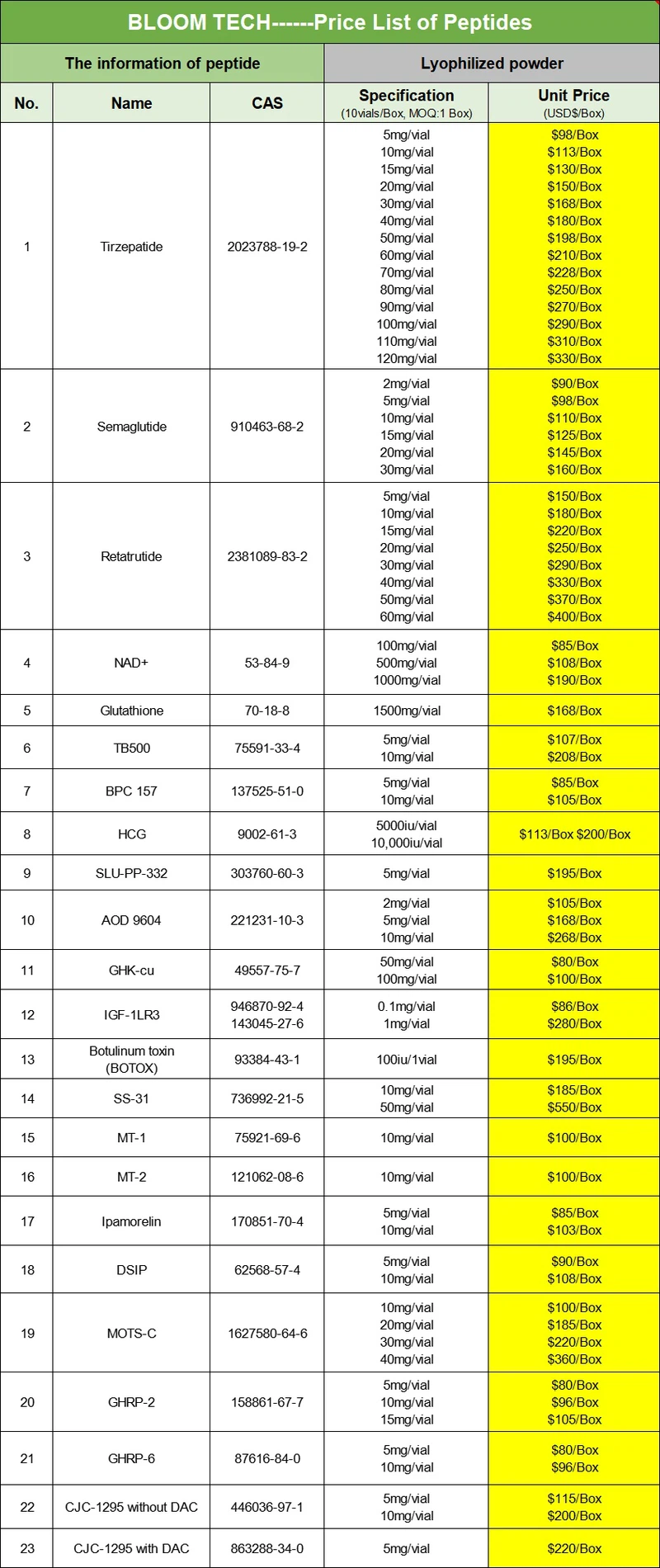


COA

The Molecular Code of Copper Peptides
Copper Peptide (GHK-Cu) is a complex formed by the glycine-histidine-lysine tripeptide binding with copper ions (Cu²⁺). With a molecular weight of only 340 daltons, it easily penetrates the skin's stratum corneum. Copper Peptide's restorative power stems from its dual mechanism of action:

Direct Repair: Activating Cell Signaling Pathways
Copper Peptide modulates growth factor signaling pathways such as TGF-β and VEGF to promote the synthesis of collagen, elastin, and glycosaminoglycans (GAGs). For instance, clinical studies indicate that after 8 weeks of using a spray containing 1% Copper Peptide, skin elasticity increased by 25% and wrinkle depth decreased by 18%.
Its core mechanisms include:
Activating Fibroblasts: Copper peptides upregulate collagen gene expression (COL1A1) in fibroblasts while inhibiting metalloproteinase (MMP) activity, reducing collagen degradation.
Promoting Angiogenesis: Copper peptides induce VEGF secretion, enhancing skin microcirculation to deliver increased nutrients and oxygen for repair.
Copper peptides' antimicrobial properties represent another key characteristic. Copper ions (Cu²⁺) inhibit pathogens through the following mechanisms:
Destruction of Cell Membranes: Positively charged copper ions adsorb to negatively charged bacterial cell membranes, altering membrane permeability and causing cytoplasmic leakage.
Interfering with metabolism: Copper ions penetrate cell membranes, disrupting respiratory chain enzyme activity, inhibiting energy production, and inducing reactive oxygen species (ROS) bursts that trigger bacterial apoptosis.

Inhibiting biofilm formation: Copper ions block bacterial quorum sensing, preventing the formation of drug-resistant biofilms.
Notably, the antimicrobial activity of copper peptides exhibits "selectivity"-it preferentially targets pathogenic bacteria (such as Propionibacterium acnes and Staphylococcus aureus) while minimally affecting commensal bacteria (such as Staphylococcus epidermidis). This "precision targeting" capability offers the potential to maintain the balance of the skin microbiome.
The Skin Microbiome: The Overlooked "Second Skin"
The skin microbiome comprises over 1,000 microbial species, with diversity varying by body region (e.g., face, armpits, feet) and individual differences. These microbes maintain skin health through the following mechanisms:
Competitive exclusion: Physical occupation of ecological niches
Commensal bacteria rapidly proliferate to occupy surface space and secrete antimicrobial peptides (e.g., β-defensins) and short-chain fatty acids (SCFAs) to inhibit pathogen colonization. For instance, Staphylococcus epidermidis secretes "quorum-sensing inhibitors" that block biofilm formation by Staphylococcus aureus.
Immune Modulation: Training the Host Defense System
Skin microbes activate pattern recognition receptors like Toll-like receptors (TLRs), inducing keratinocytes to secrete cytokines (e.g., IL-10, TGF-β) that promote immune tolerance and prevent excessive inflammation. For instance, the metabolite indole-3-carboxaldehyde from Propionibacterium acnes activates the aryl hydrocarbon receptor (AhR), suppressing excessive activation of Langerhans cells.
Metabolic Synergy: Degrading Skin Waste
Commensal bacteria break down triglycerides secreted by sebaceous glands into free fatty acids (FFAs), maintaining the skin's acidic environment (pH 4.5-6.0) and inhibiting pathogenic bacteria growth. For instance, Malassezia species metabolize squalene in sebum to produce hydroxylsqualene with antimicrobial activity.
However, modern lifestyles (e.g., high-sugar diets, antibiotic overuse, excessive cleansing) often disrupt skin microbiome balance, leading to:
Pathogenic overgrowth: e.g., increased Propionibacterium acnes triggering acne;
Reduced symbiotic bacteria: e.g., decreased Staphylococcus epidermidis leading to impaired skin barrier function;
Dysregulated inflammatory responses: e.g., reduced microbial diversity and increased Staphylococcus aureus colonization in atopic dermatitis patients.
Copper Peptide Spray's Synergistic Repair Strategy
Traditional antimicrobial agents (e.g., alcohol, benzalkonium chloride) achieve rapid symptom relief through indiscriminate microbial killing, yet disrupt the skin microbiome's equilibrium, perpetuating a vicious cycle of "treatment-relapse." Copper Peptide Spray achieves a dynamic balance of "antimicrobial-repair-symbiosis" through the following strategies:

Precision Antimicrobial Action
Copper peptide antimicrobial activity exhibits concentration dependency:
Low concentrations (0.1%-0.5%): Selectively inhibit pathogens (e.g., Propionibacterium acnes) while promoting growth of symbionts (e.g., Staphylococcus epidermidis). Mechanism:
Pathogenic bacteria exhibit higher surface negative charge density on their cell membranes, making them more susceptible to copper ion adsorption;
Commensal bacteria possess stronger copper ion efflux pumps (e.g., the CopA system), enabling tolerance to low copper concentrations.
High concentrations (>1%): While capable of eliminating more pathogens, these levels may inhibit commensal growth, necessitating strict concentration control.
Clinical Case: A study on acne patients showed that after 4 weeks of using a 0.5% copper peptide spray, Propionibacterium acnes decreased by 62%, while Staphylococcus epidermidis increased by 34%. Skin barrier function (trans epidermal water loss) improved by 40%.
Copper peptides enhance skin barrier function by creating an optimal environment for symbiotic bacteria through the following mechanisms:
Upregulating tight junction proteins: Copper peptides activate the expression of tight junction proteins like ZO-1 and Claudin-1, reducing skin moisture loss and maintaining epidermal integrity.

Regulating sebum secretion: Copper peptides inhibit 5α-reductase activity, reducing dihydrotestosterone (DHT) production to decrease sebum secretion and prevent Malassezia overgrowth.
Providing nutritional support: Copper peptides stimulate skin cells to secrete GAGs and collagen, creating an "adhesion matrix" that enhances symbiotic bacteria colonization.
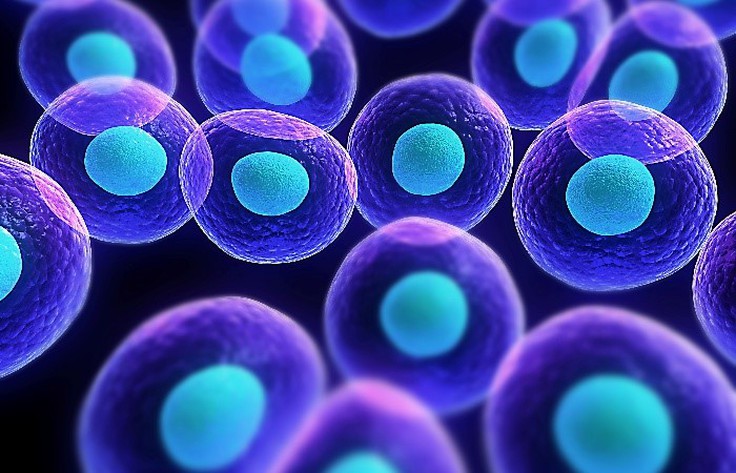
Immunomodulation: Suppressing Inflammation and Promoting Tolerance
Copper peptides regulate immune signaling pathways to reduce excessive inflammatory responses while maintaining immune tolerance:
Inhibiting NF-κB Pathway: Copper peptides downregulate pro-inflammatory factors like IL-6 and TNF-α, alleviating symptoms such as redness, swelling, and itching.
Activate the Nrf2 pathway: Copper peptides increase antioxidant enzymes like SOD and glutathione peroxidase (GPx), reducing ROS accumulation and preventing sustained inflammatory factor release.
Promote Treg cell differentiation: Copper peptides induce skin dendritic cells to secrete IL-10 and TGF-β, promoting regulatory T cell (Treg) differentiation and enhancing immune tolerance.
The synergistic repair effects of copper peptide spray create a positive feedback loop:
Antimicrobial → Reduced Pathogens: Lowers skin inflammation levels and minimizes barrier damage;
Repair → Strengthen barrier: Provide a viable environment for commensal bacteria, promoting their colonization;

Commensal bacteria → Suppress pathogens: Further inhibit pathogen growth through competitive exclusion and metabolic synergy.
This dynamic equilibrium of "antimicrobial-repair-commensal" gradually restores diversity in the skin microbiome, establishing a long-term stable state of health.
Clinical Validation
Post-Aesthetic Procedure Repair: Balancing Infection Prevention and Accelerated Healing:
Aesthetic procedures (e.g., laser treatments, microneedling) stimulate skin regeneration by inducing controlled micro-injuries. However, the compromised post-procedure skin barrier increases infection risk. Traditional repair solutions (e.g., antibiotic ointments) may disrupt the microbiome balance. Copper Peptide Spray achieves safe repair through the following mechanisms:
Rapid Antimicrobial Action: Immediate application post-procedure eliminates 99% of pathogens (e.g., Staphylococcus aureus) within 2 hours, reducing infection risk.
Accelerated Healing: Copper peptides activate VEGF expression, increasing vascular density in wounds and shortening healing time by 40%.
Maintains microbial diversity: At 7 days post-surgery, the copper peptide group showed significantly higher skin microbial diversity (Shannon index) than the antibiotic group, with beneficial bacteria increasing by 25%.
Sensitive Skin Care: Alleviating Inflammation and Rebuilding the Barrier:
The core issues of sensitive skin are microbiome imbalance and compromised barrier function. Copper peptide spray achieves gentle restoration through the following pathways:
Suppresses neurogenic inflammation: Copper peptides downregulate TRPV1 receptor expression, reducing capsaicin-induced pain responses and alleviating burning and stinging sensations in sensitive skin.
Regulates microbial balance: After 4 weeks of continuous use, Malassezia counts decreased by 30% while Lactobacillus increased by 40% in sensitive skin, shifting the microbiome structure toward a healthier state.
Enhancing barrier tolerance: Copper peptides elevate the skin's transepidermal water loss (TEWL) threshold, boosting sensitive skin's tolerance to external irritants (e.g., temperature fluctuations, cosmetics) by 50%.
Chronic Wound Care: Overcoming Biofilm Barriers:
Chronic wounds (e.g., diabetic foot ulcers, venous ulcers) often experience healing stagnation due to biofilm formation. Copper Peptide Spray achieves breakthroughs through the following mechanisms:
Dissolving Biofilms: Copper ions decompose the extracellular polysaccharide matrix of biofilms, exposing pathogens like Pseudomonas aeruginosa to an antimicrobial environment.
Sustained Antimicrobial Action: When copper peptides bind with hydrogel microparticles, they form a sustained-release layer on the wound surface, continuously releasing copper ions for over 72 hours to effectively inhibit biofilm regrowth.
Promoting angiogenesis: Copper peptides activate the HIF-1α signaling pathway, inducing vascular growth around the wound to deliver ample nutrients for healing. Clinical data shows copper peptide spray increases diabetic foot ulcer healing rates by 35% and reduces amputation risk by 20%.
The synergistic repair of copper peptide spray and the skin microbiome represents the inevitable progression of biological research from "macroscopic phenomena" to "microscopic mechanisms." It no longer settles for superficial "symptom relief," but instead achieves fundamental restoration of skin health by regulating cellular signaling pathways, reshaping the microenvironment, and establishing symbiotic relationships. This "cellular-level repair revolution" not only establishes a new paradigm for skincare but also pioneers novel approaches to medical challenges like chronic inflammatory conditions and wound healing. In the future, as our understanding of the skin ecosystem deepens, copper peptide spray may bridge the gap between 'beauty' and "health," redefining humanity's vision of "skin repair."
Frequently Asked Questions
What should you not mix copper peptides with?
+
-
As copper peptides are rather fragile ingredients, it's better to use them separately in your skincare routine, to isolate them. They don't combine well with vitamin C products, exfoliating acids and retinoids.
Do you put copper peptides on wet or dry skin?
+
-
Damp Skin
Copper peptides work best when applied to clean, slightly damp skin and followed by a gentle, hydrating moisturizer. Because they support firmness, smoothness, and hydration, they fit beautifully into a simple, clean AM/PM routine.
Are vitamin C or copper peptides better?
+
-
"The data suggests copper peptides is a safe skin ingredient and it is not known to be an irritant," Dr Mansouri notes. "It may therefore be more suitable for sensitive and reactive skin in comparison to vitamin C, but in my opinion both are solid ingredients in a skincare routine."
Hot Tags: copper peptide spray, suppliers, manufacturers, factory, wholesale, buy, price, bulk, for sale, Lpamorelin Powder CAS 170851 70 4, Melanotan ii powder, Epitalon Powder CAS 307297 39 8, Bremelanotide Powder CAS 189691 06 3, GLP 1 Peptide CAS 87805 34 3, CJC 1295 Peptide