




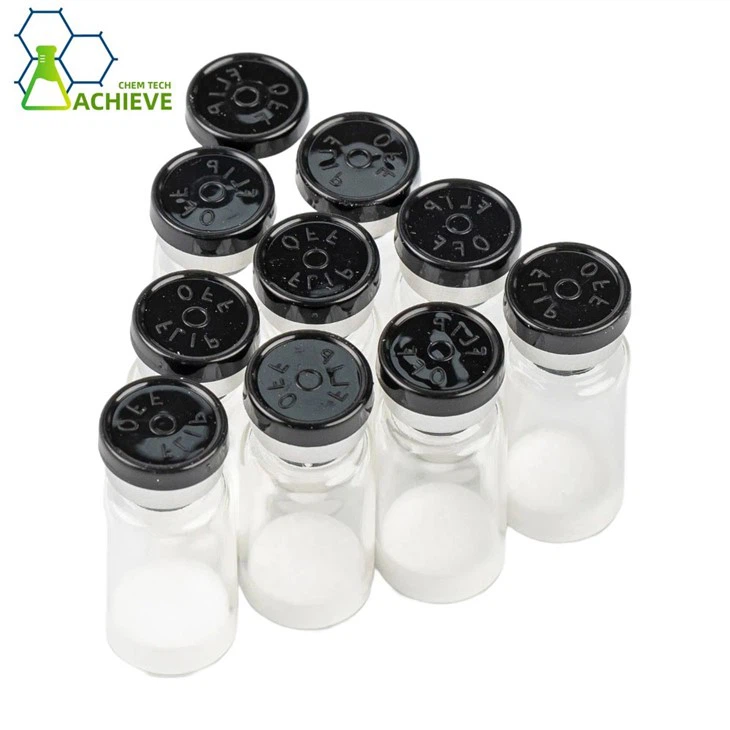
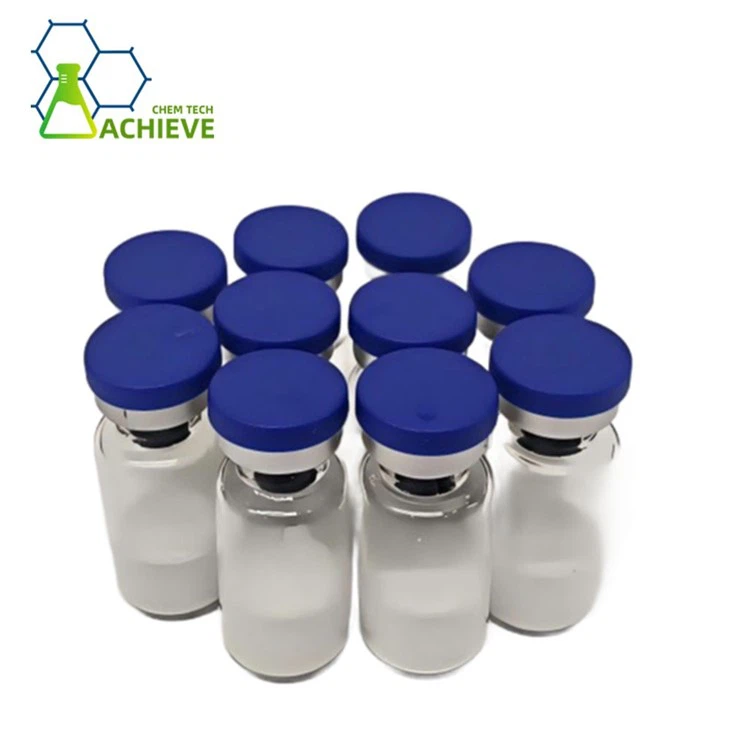


Shaanxi BLOOM Tech Co., Ltd. is one of the most experienced manufacturers and suppliers of amunine in China. Welcome to wholesale bulk high quality amunine for sale here from our factory. Good service and reasonable price are available.
Amunine plays a crucial role in regulating the HPA axis, participating in stress responses, regulating energy metabolism, and reproductive function by activating complex neuroendocrine signaling pathways through binding to specific receptors. The molecular level study of its mechanism of action provides an important structural basis for us to deeply understand the physiological functions of CRF, and also provides new ideas and targets for drug development for related diseases such as stress response, anxiety, depression, and cardiovascular and cerebrovascular diseases.
Our products




Amunine COA
 |
||
| Certificate of Analysis | ||
| Compound name | Amunine | |
| Grade | Pharmaceutical grade | |
| CAS No. | 79804-71-0 | |
| Quantity | 50g | |
| Packaging standard | 10g/Bag | |
| Manufacturer | Shaanxi BLOOM TECH Co., Ltd | |
| Lot No. | 202501090028 | |
| MFG | Jan 9th 2025 | |
| EXP | Jan 8th 2028 | |
| Structure | N/A | |
| Item | Enterprise standard | Analysis result |
| Appearance | White or almost white powder | Conformed |
| Water content | ≤5.0% | 0.34% |
| Loss on drying | ≤1.0% | 0.28% |
| Heavy Metals | Pb≤0.5ppm | N.D. |
| As≤0.5ppm | N.D. | |
| Hg≤0.5ppm | N.D. | |
| Cd≤0.5ppm | N.D. | |
| Purity (HPLC) | ≥99.3% | 99.90% |
| Single impurity | <0.8% | 0.47% |
| Total microbial count | ≤750cfu/g | 97 |
| E. Coli | ≤2MPN/g | N.D. |
| Salmonella | N.D. | N.D. |
| Ethanol (by GC) | ≤5000ppm | 400ppm |
| Storage | Store in a sealed, dark, and dry place below 2-8°C | |
|
|
||

Amunine also known as sheep corticotropin releasing hormone, is a neuropeptide hormone synthesized by the paraventricular nucleus of the hypothalamus in sheep. It plays a key role in various physiological processes such as neuroendocrine regulation, stress response, energy metabolism, and inflammation regulation in the body.
CRF is synthesized and released by neuroendocrine cells in the paraventricular nucleus of the hypothalamus. Its precursor protein undergoes a series of processing modifications, ultimately forming a biologically active peptide of 41 amino acids. The synthesis and secretion of CRF are finely regulated by multiple factors.
In the basal state, the secretion of CRF maintains a certain rhythm to adapt to the normal physiological needs of the body. When the body encounters external stimuli such as trauma, infection, anxiety, fear, etc., these stimulus signals will be transmitted to the hypothalamus through the nervous system. Specifically, external stimuli can activate sensory organs and generate signals that are transmitted to the central nervous system, affecting the activity of CRF secreting cells through reflexive regulation.


For example, in the ram effect, stimuli such as odor, posture, vocalization, and physical contact of opposite sex rams can affect the reproductive function of ewes and promote estrus and ovulation, which involves regulating the secretion of CRF in the hypothalamus.
In addition, neurotransmitters and neuropeptides also play important roles in regulating CRF secretion. There are catecholamine nerve fibers and neurotransmitters around the neural nuclei that secrete CRF in the hypothalamus. Stimulating central noradrenergic or adrenergic nerve fibers, or infusing noradrenergic or adrenergic agonists into the third ventricle, can inhibit CRF secretion.
Endogenous opioid peptides also have similar inhibitory effects, and CRF itself can inhibit its release by enhancing the activity of opioid peptides. The melatonin secreted by the pineal gland serves as a signal transmitted to the body by changes in the external environment, which can stimulate the body to adjust reproductive activity patterns. It exhibits a circadian rhythm in hormone secretion controlled by the hypothalamic pituitary axis. The effect of melatonin on the hypothalamic pituitary ovarian axis is inhibitory. It can prevent premature sexual maturation in childhood and prevent the hypothalamus from responding positively to estrogen in adulthood, thereby inhibiting the release of CRF and affecting ovulation.

Binding of CRF to receptors

Amunine needs to bind to specific receptors in order to exert its physiological effects. CRF receptors belong to class B G protein coupled receptors (GPCRs), mainly including CRF1R and CRF2R subtypes, which are widely expressed in the central and peripheral nervous systems.
The binding of CRF to receptors exhibits high specificity. Research has found that CRF has a significantly higher affinity for CRF1R than CRF2R, while urinary corticosteroid 1 (UCN1) has a high affinity for both CRF1R and CRF2R, while UCN2 and UCN3 exhibit selective agonist properties for CRF2R. From a molecular structure perspective, CRF peptides and CRF2R have more negative charges on their surfaces, while CRF1R has more positive charges on its surface. This explains why CRF has a higher affinity for CRF1R from a structural perspective.
The binding process between CRF and receptors exhibits a two-step activation mechanism. The structural analysis of cryo electron microscopy showed that CRF binds to the extracellular domain of CRF1R receptor through the C-terminus, which is the process of rapid recognition of ligand C-terminus by the receptor extracellular domain. Subsequently, the N-terminal alpha helix of CRF is inserted into the transmembrane region of the receptor, which is a crucial step in determining ligand specificity. This two-step recognition pattern prevents the occurrence of B-class GPCRs incorrectly recognizing ligands, ensuring the accuracy and specificity of signal transduction.

Regulation of the hypothalamic pituitary adrenal axis (HPA axis) by CRF

The HPA axis is an important neuroendocrine axis for the body to respond to stress, and CRF plays a core regulatory role in it.
When the body is subjected to stress stimulation, neurons in the inner small cell area of the paraventricular nucleus of the hypothalamus are activated and secrete CRF. CRF is secreted and enters the bloodstream, transported to the pituitary gland through the pituitary portal system. In the anterior pituitary gland, CRF binds to the specific receptor CRF1R on adrenocorticotropic hormone cells. This binding process activates intracellular signaling pathways, primarily the cAMP PKA signaling pathway. After binding to the receptor, CRF activates adenylate cyclase, causing an increase in intracellular cAMP levels and subsequently activating protein kinase A (PKA).
PKA phosphorylates multiple target proteins, promoting the synthesis and release of adrenocorticotropic hormone (ACTH).
ACTH travels with the blood to the adrenal cortex and acts on the zona fasciculata and zona reticulata of the adrenal cortex, promoting the secretion of glucocorticoids such as cortisol. Corticosteroids play a wide and important role in the body's response to stress. It can improve the body's tolerance to stress, regulate protein, fat, and carbohydrate metabolism, inhibit immune inflammatory reactions, and ensure the normal physiological functions of the body under stress. For example, under acute stress, the secretion of glucocorticoids increases, which can cause an increase in heart rate, blood pressure, muscle tension, metabolic levels, etc., putting the body into a state of readiness to respond to emergency situations.


At the same time, the body has a negative feedback regulation mechanism to maintain the stability of the HPA axis. When the concentration of glucocorticoids in plasma increases to a certain level, glucocorticoids will feedback inhibit the release of hypothalamic CRF, while blocking the pituitary response to CRF, reducing ACTH secretion and subsequently reducing glucocorticoid secretion. When glucocorticoids are consumed and the blood concentration drops to a certain level, this negative feedback effect weakens, CRF release increases, and the concentration of ACTH in the plasma rises again, thereby maintaining the dynamic balance of the HPA axis.
Participate in stress response: In addition to regulating glucocorticoid secretion through the HPA axis to cope with stress, amunine also directly participates in other aspects of stress response. During acute stress, CRF secreted by hypothalamic paraventricular nucleus neurons can stimulate pituitary secretion of ACTH, while arginine vasopressin (AVP) is expressed in hypothalamic paraventricular nucleus CRH neurons and co released with CRH, enhancing the secretion of ACTH and cortisol. Cortisol exerts extensive and complex effects on the metabolic system, cardiovascular system, and immune response by binding to receptors, helping the body respond to emergency situations.


Under long-term stress, the sustained activation of the CRF secretion pathway may lead to a decrease in glucocorticoid receptor function and internal environmental disorders, ultimately inducing physical diseases such as hypertension and coronary heart disease, as well as psychological problems such as depression and anxiety.
Regulating energy metabolism: CRF participates in the regulation of energy metabolism in the body. It can reduce animal feeding behavior by inhibiting the feeding signals of hypothalamic arcuate nucleus neurons. Animal experiments have shown that after injecting CRF into animals, their food intake will significantly decrease. This effect may be related to CRF regulating the energy balance of the body to adapt to energy demands under stress.
Impact on reproductive function: CRF is also expressed in the reproductive system and participates in the regulation of reproductive function. Research has found that CRF and its receptors are also expressed in peripheral tissues such as the placenta and gonads, and play a role in physiological activities such as childbirth initiation. In female animals, CRF may regulate the secretion of reproductive hormones by affecting the interaction between the HPA axis and the hypothalamic pituitary gonadal axis, thereby affecting the reproductive cycle and fertility. For example, in livestock such as sheep, the secretion changes of CRF may be related to the regulation of the breeding season.


Disease related: Abnormal secretion of CRF is closely related to various diseases. In terms of endocrine disorders, CRF stimulation test can be used to identify the etiology of adrenocorticotropic hormone (ACTH) - dependent Cushing's syndrome. The subthalamic sinus sampling technique showed a significant increase in pituitary derived ACTH after CRF stimulation, while ectopic tumor sources showed no such response. In neurodegenerative diseases, abnormal expression of CRF is associated with Alzheimer's disease, and its signaling pathway can enhance neuronal excitability in specific brain regions. In terms of tumor and immune regulation, CRF like substances were found in tumor tissues of small cell lung cancer patients, suggesting their possible involvement in tumor microenvironment regulation. The CRF synthesis ability of peripheral T lymphocytes is associated with inflammatory response.
In recent years, with the development of structural biology techniques, significant progress has been made in the molecular level study of the mechanism of action of CRF. With the cooperation of Xu Huaqiang Research Group of the Chinese Academy of Sciences Shanghai Institute of Materia Medica and Zhang Yan Research Group of the School of Basic Medicine of Zhejiang University, the three-dimensional structure of the complexes of CRF1R and CRF2R subtypes with Gs protein trimer under the activation of the endogenous ligand UCN1 was analyzed by means of freeze electron microscopy. The resolution rates were 3.0 Å and 2.8 Å, respectively.


These research findings reveal the molecular mechanism of CRF receptor specific recognition and binding to UCN1, as well as the structural basis for recruiting downstream effector protein Gs protein to exert physiological functions. By comparing the transmembrane structure of CRF1R with the already analyzed inactive state, it was found that the conformational changes of CRF1R after activation were mainly concentrated in TM5, TM6, and TM7.
Among them, TM6 unwind at a specific position and form a twist, which is stabilized by hydrogen bonds between specific amino acids, providing sufficient space for recruiting Gs proteins. The interaction between the transmembrane helix of the receptor and the α 5 helix of G α s, as well as the interaction between the Helix 8 helix of the receptor and the N-terminus of G β 1, are the main interfaces of interaction between the receptor and Gs protein. This highly conserved "NPGQ" amino acid in B-class GPCRs and its interaction interface with Gs further reveal the universal mechanism of B-class GPCR activation.

In addition, the study also found amunine there are many ordered lipid and cholesterol molecules around the transmembrane region of the UCN1-CRF1R/CRF2R-Gs complex receptor, and lipid modified parts were also found in the G α s and G β - γ subunits. These findings provide detailed structural information for further studying the interactions between membrane proteins and lipids, as well as for rational drug design targeting CRF1R and CRF2R.
Hot Tags: amunine, suppliers, manufacturers, factory, wholesale, buy, price, bulk, for sale, DERMORPHIN, dermorphin in humans, dermorphin peptide, LONG R3 IGF I CAS 143045 27 6, Melanotan ii powder, Tesamorelin CAS 218949 48 5