


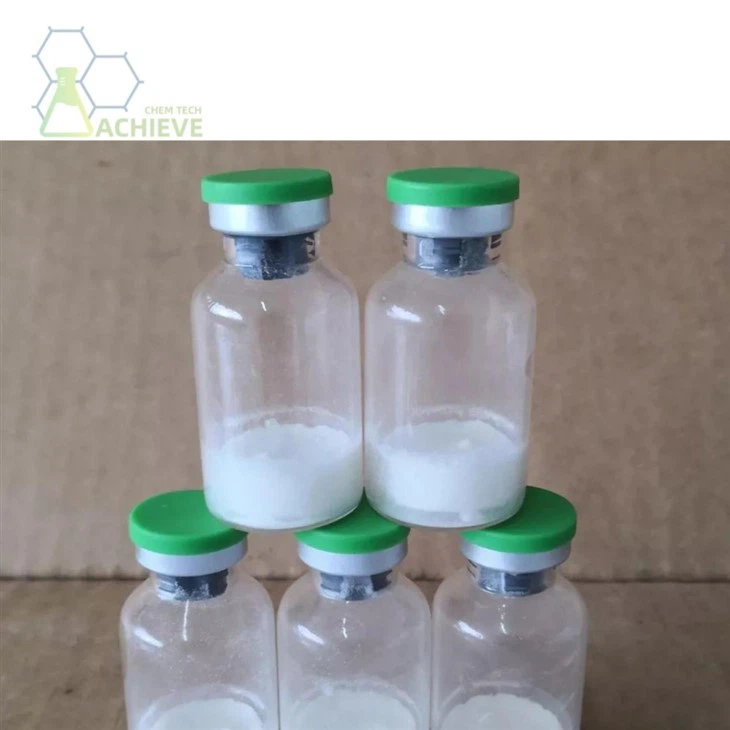

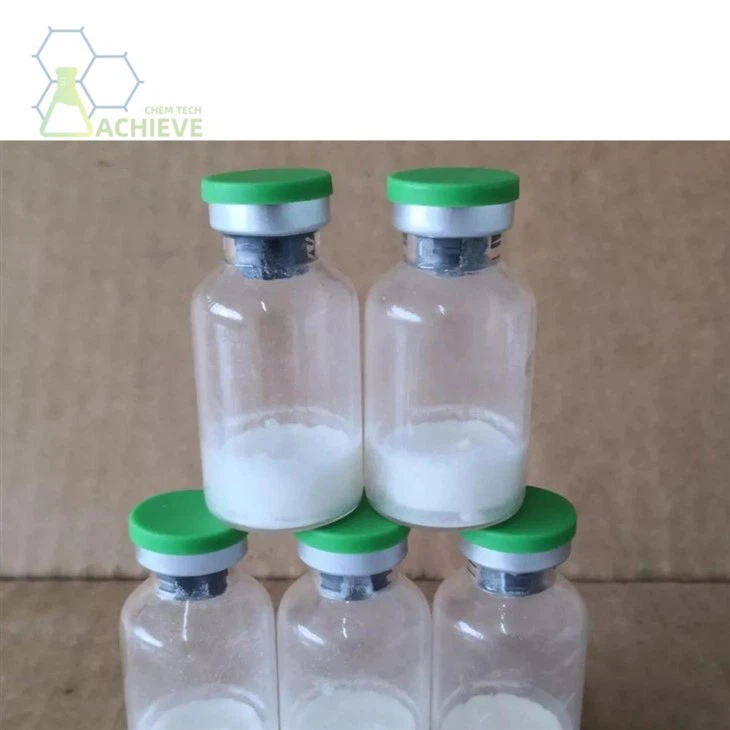
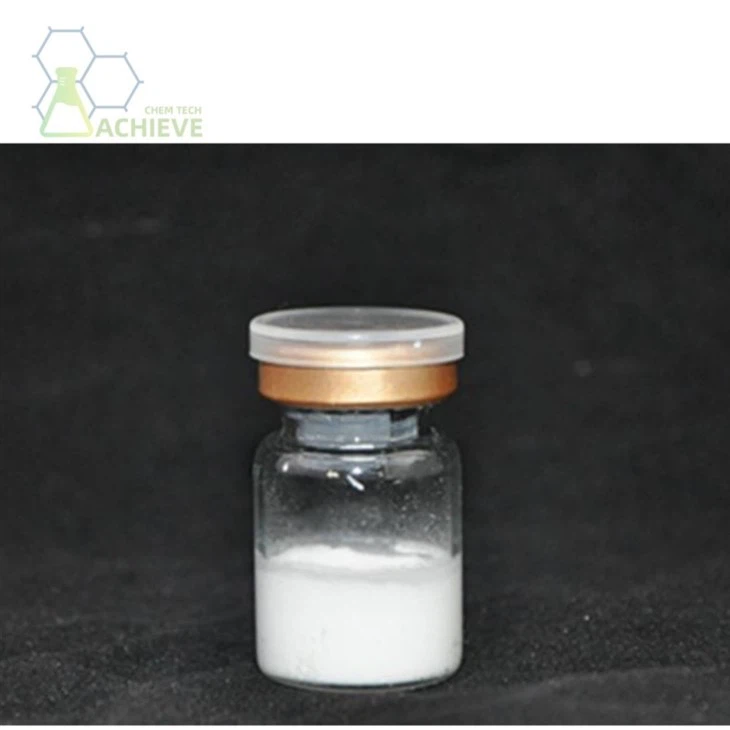
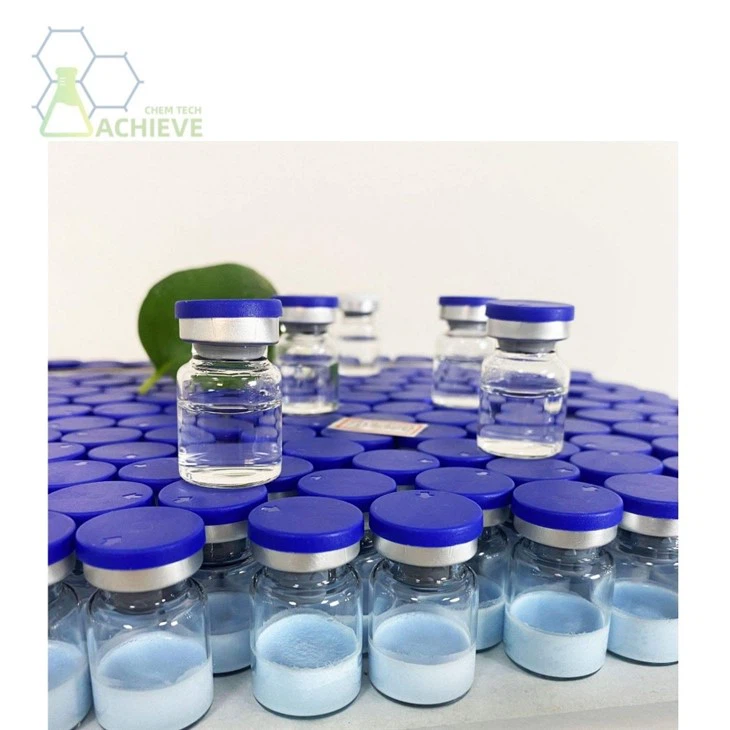
Shaanxi BLOOM Tech Co., Ltd. is one of the most experienced manufacturers and suppliers of elsiglutide cas 914009-84-0 in China. Welcome to wholesale bulk high quality elsiglutide cas 914009-84-0 for sale here from our factory. Good service and reasonable price are available.
ELSIGLUTIDE (also known as ZP1846) is an innovative drug that belongs to the analogues and receptor agonists of glucagon like peptide-2 (GLP-2). CAS 914009-84-0, a peptide composed of 39 amino acids arranged in a specific sequence, endowing it with biological activity. The accuracy of this sequence is crucial for its functionality. Molecular weight is one of the key parameters of its physical properties. The moderate molecular weight of this peptide gives it specific advantages in distribution and metabolism within the organism.
In addition, the isoelectric point of ZP1846 also has a significant impact on its behavior in living organisms, including its interaction and stability with biomolecules. As a peptide drug, the solubility and stability of ZP1846 have a decisive impact on its bioavailability and therapeutic efficacy. This peptide has good solubility and can stably exist in various solvents.
Meanwhile, its structural stability also enables it to maintain its biological activity under different environmental conditions. The function within an organism is closely related to its conformation and conformational transformation. The conformation of a peptide refers to its three-dimensional structure in space, while conformational transformation refers to the changes in this structure under different conditions. The study of these properties is crucial for revealing their biological activity mechanisms.
|
Customized Bottle Caps And Corks:
|
|


Elsiglutide, also known as ZP1846, is an innovative drug that belongs to the analogues and receptor agonists of glucagon like peptide-2 (GLP-2). This type of peptide drug has attracted much attention in the biomedical field due to its unique functions and broad application potential.
1. Increase cell proliferation
ZP1846, as a GLP-2 analogue, can stimulate the proliferation of intestinal cells. This function has important clinical significance for the treatment of certain intestinal diseases, such as short bowel syndrome and inflammatory bowel disease. By increasing cell proliferation, ZP1846 helps to restore the structure and function of intestinal tissue, thereby improving the quality of life of patients.


2. Reduce intestinal cell apoptosis
In addition to increasing cell proliferation, ZP1846 can also reduce apoptosis of intestinal cells. Apoptosis is a programmed cell death process that plays an important role in maintaining tissue homeostasis and preventing disease occurrence. However, in certain disease states, the apoptosis process of intestinal cells may be overactivated, leading to intestinal tissue damage. ZP1846 helps protect intestinal tissue from further damage and promotes intestinal repair and regeneration by inhibiting cell apoptosis.
3. Improving intestinal function
Another important function of Elseglutide is to improve intestinal function. ZP1846 helps to restore the normal structure and function of the intestine by increasing cell proliferation and reducing cell apoptosis. In addition, it can promote the growth and repair of the intestinal mucosa, and improve the intestinal absorption capacity of nutrients. These effects collectively promote the improvement of intestinal function, which is of great significance for the treatment of intestinal related diseases.


4. Preventing diarrhea caused by chemotherapy
In preclinical studies, ZP1846 has been shown to continuously stimulate the growth of the small intestine mucosa, reducing the incidence and severity of chemotherapy-induced diarrhea (CID). This function makes Elseglutide have potential application value in the prevention and treatment of chemotherapy induced diarrhea. By promoting the growth and repair of intestinal mucosa, Elsiglutide helps to alleviate the damage of chemotherapy drugs to the intestine, reduce the incidence of diarrhea, and improve the quality of life of patients.
5. Improving intestinal barrier function
Elseglutide can also improve intestinal barrier function. The intestinal barrier is an important structure that protects the body from external pathogens and harmful substances. However, in certain disease states, the intestinal barrier function may be impaired, leading to pathogens and harmful substances entering the body and causing a series of diseases. ZP1846 promotes the proliferation of intestinal cells and reduces apoptosis, helping to repair and enhance intestinal barrier function, and enhancing the body's resistance.


6. Anti inflammatory effects
ZP1846 also has anti-inflammatory effects. Inflammation is one of the important pathological processes in many diseases, including intestinal diseases, cardiovascular diseases, and autoimmune diseases. ZP1846 reduces tissue damage caused by inflammation by inhibiting the production and release of inflammatory mediators, helping to alleviate disease symptoms and promote tissue repair.
7. Promote angiogenesis
In addition, ZP1846 can also promote angiogenesis. Angiogenesis is one of the key processes in tissue repair and regeneration, which is of great significance for restoring the structure and function of damaged tissues. ZP1846 provides sufficient nutrition and oxygen supply to damaged tissues by promoting angiogenesis, accelerating the process of tissue repair and regeneration.


Elsiglutide is an analogue and receptor agonist of glucagon like peptide-2 (GLP-2), and its unique biological activity makes it have broad application prospects in the treatment of intestinal diseases and other fields.
1. Synthesis of peptide chains
Step 1: Activation of amino acids
Firstly, it is necessary to select appropriate protective groups to protect the required amino acids, in order to prevent unnecessary reactions during peptide chain synthesis. Subsequently, the protected amino acids are reacted with activation reagents (such as N-hydroxysuccinimide ester) to generate corresponding amino acid activation intermediates.
Example of chemical equation:
R-AA-OH+NHS → R-AA-O-NSU
Among them, R represents the side chain of amino acids, AA represents amino acids, and NHS is N-hydroxysuccinimide.

Step 2: Formation of peptide bonds
React the activated amino acid intermediate with the next amino acid (or its activated form) to form a peptide bond. This step is usually carried out in the presence of appropriate solvents and catalysts (such as bases).
Example of chemical equation:
R1- AA1 - O-NSU+R1- AA1- OH → R1 - AA1 - CO-NH-R1- AA1- OH
Among them, R 1 and R1represent the side chains of two adjacent amino acids, while AA 1 and AA1represent two adjacent amino acids.
Step 3: Gradually extend the peptide chain
Repeat step 2 and gradually connect the required amino acids to the peptide chain until a complete linear peptide chain is synthesized. Each step needs to ensure complete reaction and remove unreacted amino acids and by-products.
2. Modification of peptide chains
Step 4: Remove protection from the side chain
After the peptide chain synthesis is completed, the protective groups on the amino acid side chains need to be removed for subsequent modification or connection with other molecules. This step is usually carried out using appropriate chemical reagents or conditions.
Example of chemical equation (taking the removal of tert butoxycarbonyl protective group as an example):
(Boc)2O-R-AA-OH+HCl/MeOH → R-AA-OH+(Boc)2Cl+MeOH
Among them, (Boc)2O represents the tert butoxycarbonyl protective group, and R-AA-OH represents amino acids with protective groups.
Step 5: Cyclization reaction
Due to ZP1846 being a cyclic peptide, it is necessary to form loops at both ends of the peptide chain. This step is usually achieved through intramolecular acylation or other cyclization reactions.
Example of chemical equation (using intramolecular acylation as an example):
R1-AA1-CO-NH-R1- AA2-CO-NH-Ræ-AAæ-CO-NH-R4-AA4-CO-NH-Ræ-AAæ-OH →R-AA
3. Purification and identification
Step 6: Purification
The unreacted raw materials, by-products and other impurities are removed by appropriate purification methods (such as high performance liquid chromatography, gel filtration, etc.) to obtain ZP1846 with high purity.
Step 7: Identification
Use multiple methods (such as mass spectrometry, nuclear magnetic resonance, etc.) to identify the purified product and ensure that its structure and purity meet the requirements.

ZP1846 (also known as GSK716155) is a long-acting glucagon like peptide-1 (GLP-1) receptor agonist, initially developed by Zealand Pharma and later authorized for clinical research by GlaxoSmithKline (GSK). As a GLP-1 analog, ZP1846 is intended to be used to treat type 2 diabetes (T2DM) and potential obesity, but its development process has experienced from early discovery to clinical trials, and finally terminated due to strategic adjustment. Glucagon like peptide-1 (GLP-1) is an insulinotropic hormone secreted by intestinal L cells and was discovered in the 1980s. Its main functions include:
- Promote insulin secretion (glucose dependent, reducing the risk of hypoglycemia)
- Inhibit glucagon release (reduce hepatic glucose output)
- Delaying gastric emptying (increasing satiety and reducing food intake)
- Promote β - cell proliferation (may protect pancreatic islet function)
However, the half-life of natural GLP-1 is extremely short (about 2 minutes), which limits its therapeutic application due to its susceptibility to degradation by dipeptidyl peptidase-4 (DPP-4).
To overcome the limitations of natural GLP-1, pharmaceutical companies have begun developing long-acting GLP-1 analogs, such as:
- Exenatide (launched in 2005, the first GLP-1 receptor agonist)
- Liraglutide (launched in 2010, fatty acid modification prolongs half-life)
- Dulaglutide (launched in 2014, Fc fusion protein technology)
- The development of ZP1846 was carried out in this context.
ZP1846 is modified based on the structure of natural GLP-1 (7-36):
- DPP-4 resistance modification: Replace amino acids that are easily cleaved by DPP-4 (such as Ala8 → Gly8).
- Fatty acid side chain modification: Introducing palmitic acid chains at Lys20 or Lys26 sites enhances albumin binding ability and prolongs half-life to several days.
This design allows for only 1-2 subcutaneous injections per week, improving patient compliance.
Adverse reactions

This is one of the more common adverse reactions of ZP1846. Due to the impact of drugs on the neural regulation and hormone secretion of the gastrointestinal tract, normal digestive function is disrupted, resulting in delayed gastric emptying, prolonged food retention in the stomach, stimulation of gastric mucosal receptors, and nausea. This kind of nausea is usually more obvious in the early stages of medication, and as the medication time prolongs and the body gradually adapts, the symptoms may gradually alleviate.
Vomiting
Some patients may experience nausea accompanied by vomiting symptoms. Severe vomiting not only affects the patient's nutritional intake and quality of life, but may also lead to dehydration and electrolyte imbalances. The mechanism of vomiting is similar to nausea, which is a protective reflex of the gastrointestinal tract after being stimulated by drugs.


Diarrhea
ZP1846 may affect the balance of gut microbiota, increase intestinal secretion, or alter the permeability of intestinal mucosa, leading to diarrhea. The severity of diarrhea varies from person to person. Mild cases may only result in an increase in bowel movements, while severe cases may present with watery stools accompanied by symptoms such as abdominal pain and bloating. Long term diarrhea may also lead to malnutrition and intestinal dysfunction.
Constipation
In contrast to diarrhea, a small number of patients may experience symptoms of constipation. This may be due to the drug inhibiting normal intestinal peristalsis, causing feces to stay in the intestine for too long and resulting in excessive absorption of water. Constipation can lead to difficulty in defecation, dry stools, and discomfort for patients.

Serious adverse reactions

Although ZP1846 has a relatively low risk of hypoglycemia when used alone, the risk of hypoglycemia increases when used in combination with other hypoglycemic drugs such as sulfonylureas, insulin, etc. The symptoms of hypoglycemia include palpitations, hand tremors, sweating, hunger, dizziness, fatigue, etc. In severe cases, consciousness disorders, coma, and even life-threatening situations may occur. Therefore, when using ZP1846 in combination with other hypoglycemic drugs, it is necessary to closely monitor blood sugar and adjust the drug dosage according to the blood sugar situation.
Studies have shown that GLP-1 receptor agonists may increase the risk of developing pancreatitis. The typical symptoms of pancreatitis are severe pain in the upper abdomen, which can radiate to the back, accompanied by symptoms such as nausea, vomiting, and fever. If the patient experiences the above symptoms during the use of ZP1846, the medication should be stopped immediately and medical attention should be sought for relevant examinations to confirm the diagnosis.

Allergic reaction

A very small number of patients may be allergic to Elsiglutide and experience severe allergic reactions, such as anaphylactic shock. Allergic shock is a life-threatening emergency situation characterized by a sharp drop in blood pressure, difficulty breathing, and loss of consciousness. Once allergic shock occurs, immediate rescue should be carried out by administering drugs such as adrenaline and glucocorticoids to maintain stable vital signs of the patient.
Frequently Asked Questions
What is the mechanism of action of Elsiglutide?
+
-
1. Specifically binding to GLP-2 receptors in the small intestine and colon epithelium, promoting intestinal epithelial cell proliferation and inhibiting intestinal epithelial cell apoptosis;
2. Repair the intestinal mucosal barrier damaged by chemotherapy drugs (lapatinib, chemotherapy cytotoxic drugs);
3. Increase the height of intestinal villi and crypt depth, enhance intestinal absorption function, and reduce intestinal permeability;
4. Reduce intestinal inflammation exudation and alleviate drug-induced severe diarrhea and intestinal mucosal inflammation from the root.
How to avoid degradation during cell experiment preparation?
+
-
1. Prepare sterile enzyme free pure water/PBS and perform low-temperature operation throughout the process;
2. Ready to use, single packaging and small volume cryopreservation to avoid repeated freeze-thaw cycles;
3. The pH of the buffer solution should be controlled between 6.0-7.5, as strong acids and bases can accelerate the hydrolysis of peptide bonds;
4. After preparation, filter and sterilize, and do not sterilize under high temperature and pressure.
Hot Tags: elsiglutide cas 914009-84-0, suppliers, manufacturers, factory, wholesale, buy, price, bulk, for sale, CJC 1295 Peptide, Epitalon Powder CAS 307297 39 8, Kisspeptin powder, Best Growth Hormone Releasing Peptide CAS 87616 84 0, sermorelin powder, Lpamorelin Powder CAS 170851 70 4