


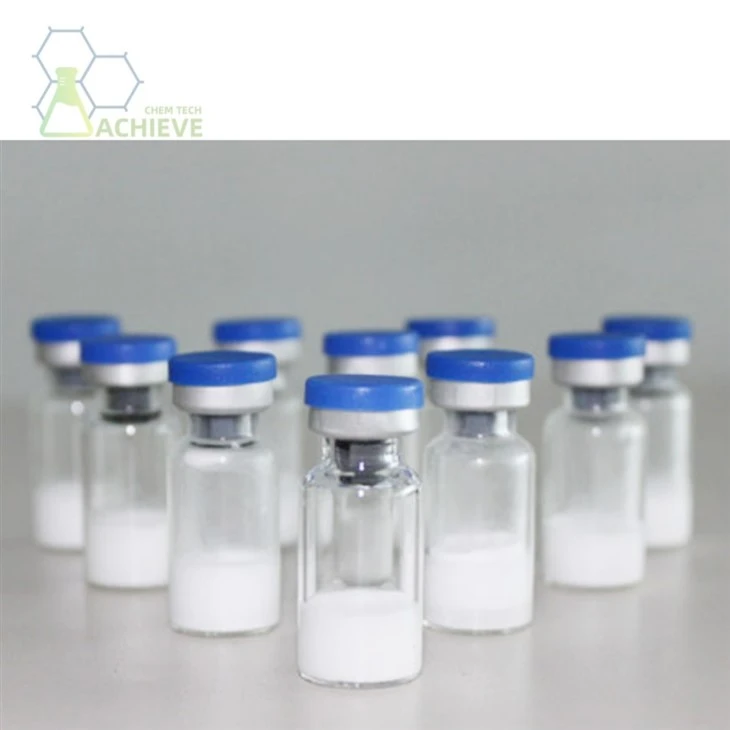


Angiotensin II acetate, also known as angiotensin2 acetate salt, is a synthetic form of the potent vasoconstrictor and hormone naturally produced in the body by the renin-angiotensin system (RAS). This peptide hormone plays a crucial role in regulating blood pressure, fluid and electrolyte balance, and cardiovascular function.
It acts primarily by binding to angiotensin II receptors, particularly the AT1 receptor subtype, located on the surfaces of vascular smooth muscle cells, cardiac myocytes, and several other cell types throughout the body. Upon binding, it triggers a cascade of physiological responses, including vasoconstriction, stimulation of aldosterone release from the adrenal cortex, promotion of sodium and water retention, and increased sympathetic nervous system activity.
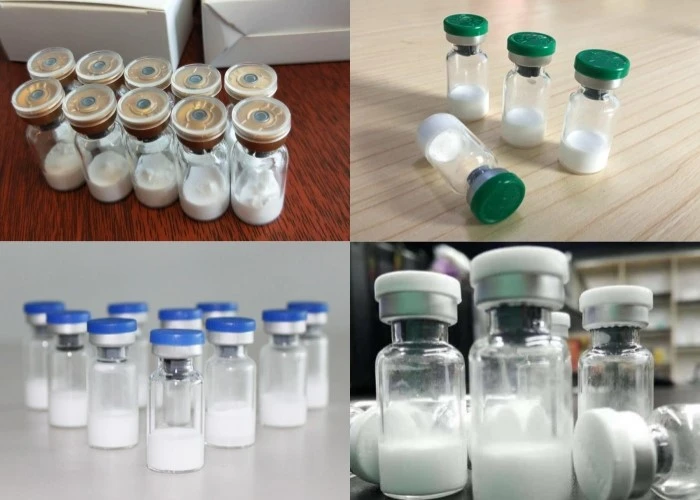
Customized Bottle Caps & Corks
|
|
|

|
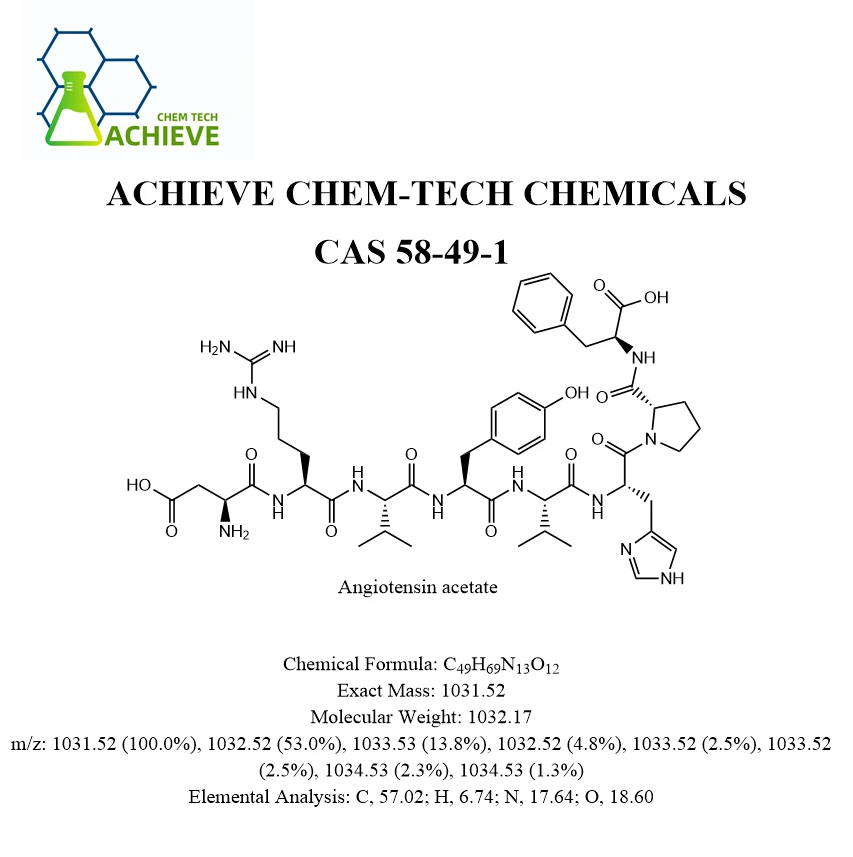
Chemical Formula |
C49H69N13O12 |
|
Exact Mass |
1031.52 |
|
Molecular Weight |
1032.17 |
|
m/z |
1031.52 (100.0%), 1032.52 (53.0%), 1033.53 (13.8%), 1032.52 (4.8%), 1033.52 (2.5%), 1033.52 (2.5%), 1034.53 (2.3%), 1034.53 (1.3%) |
|
Elemental Analysis |
C, 57.02; H, 6.74; N, 17.64; O, 18.60 |
This synthetic acetate salt version of angiotensin II is often used in scientific research to investigate the mechanisms of the RAS and its involvement in various diseases, such as hypertension, heart failure, and renal disease. By administering it in controlled settings, researchers can observe its effects on cardiovascular function, renal perfusion, and electrolyte homeostasis, among others.
Moreover, it serves as an important tool in the development and testing of angiotensin-converting enzyme (ACE) inhibitors and angiotensin receptor blockers (ARBs), two classes of medications widely prescribed for the treatment of hypertension and heart failure. By studying the effects of these drugs on angiotensin II-mediated responses, scientists can better understand their therapeutic mechanisms and potential side effects.
Angiotensin II Acetate is a biologically important compound, which is an acetate form of angiotensin. Angiotensin acetate has multiple functions, which are mainly related to its activity in living organisms.
Cardiovascular system regulation
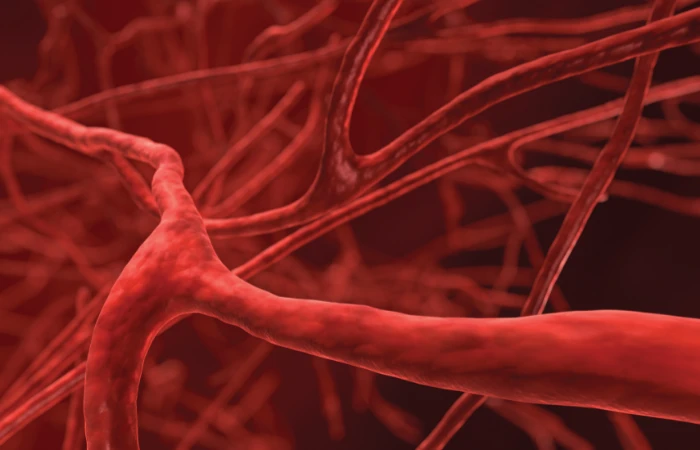
As a part of the renin angiotensin system (RAS), it plays an important role in the regulation of the cardiovascular system. It maintains cardiovascular homeostasis by affecting vascular contraction and relaxation, regulating blood pressure, and affecting cardiac function.
Vascular contraction and relaxation
It can stimulate vasoconstriction, thereby increasing peripheral resistance and raising blood pressure. This effect mainly triggers a series of signal transduction processes by binding to receptors on vascular smooth muscle, ultimately leading to vasoconstriction. Meanwhile, it can also promote vasodilation by releasing vasodilators such as nitric oxide, thereby regulating blood pressure.
Affects cardiac function
Angiotensin acetate also has cardioprotective effects. It can improve myocardial function and enhance cardiac endurance by inhibiting myocardial cell apoptosis, promoting myocardial cell growth and differentiation, and other mechanisms. In addition, it can also protect the heart from damage by inhibiting inflammatory reactions and oxidative stress processes.

Endocrine system regulation
Angiotensin acetate is also involved in the regulation of the endocrine system. It can affect the secretion and release of various hormones, thereby regulating the metabolism and physiological functions of the body.

Affects hormone secretion
Angiotensin acetate can stimulate the secretion of adrenal corticosteroids, such as aldosterone. This effect is mainly achieved by binding to receptors on the adrenal cortex, triggering a series of signal transduction processes, ultimately leading to an increase in hormone secretion. The increase of aldosterone promotes the reabsorption of sodium and water by the kidneys, thereby maintaining fluid balance.
Regulating physiological functions
Angiotensin acetate can also affect the secretion and release of other hormones, such as insulin and glucagon. These hormones play important roles in regulating blood sugar, fat metabolism, and other aspects. Therefore, Angiotensin acetate can indirectly regulate the metabolism and physiological functions of the body by affecting the secretion and release of these hormones.

Cell growth & apoptosis
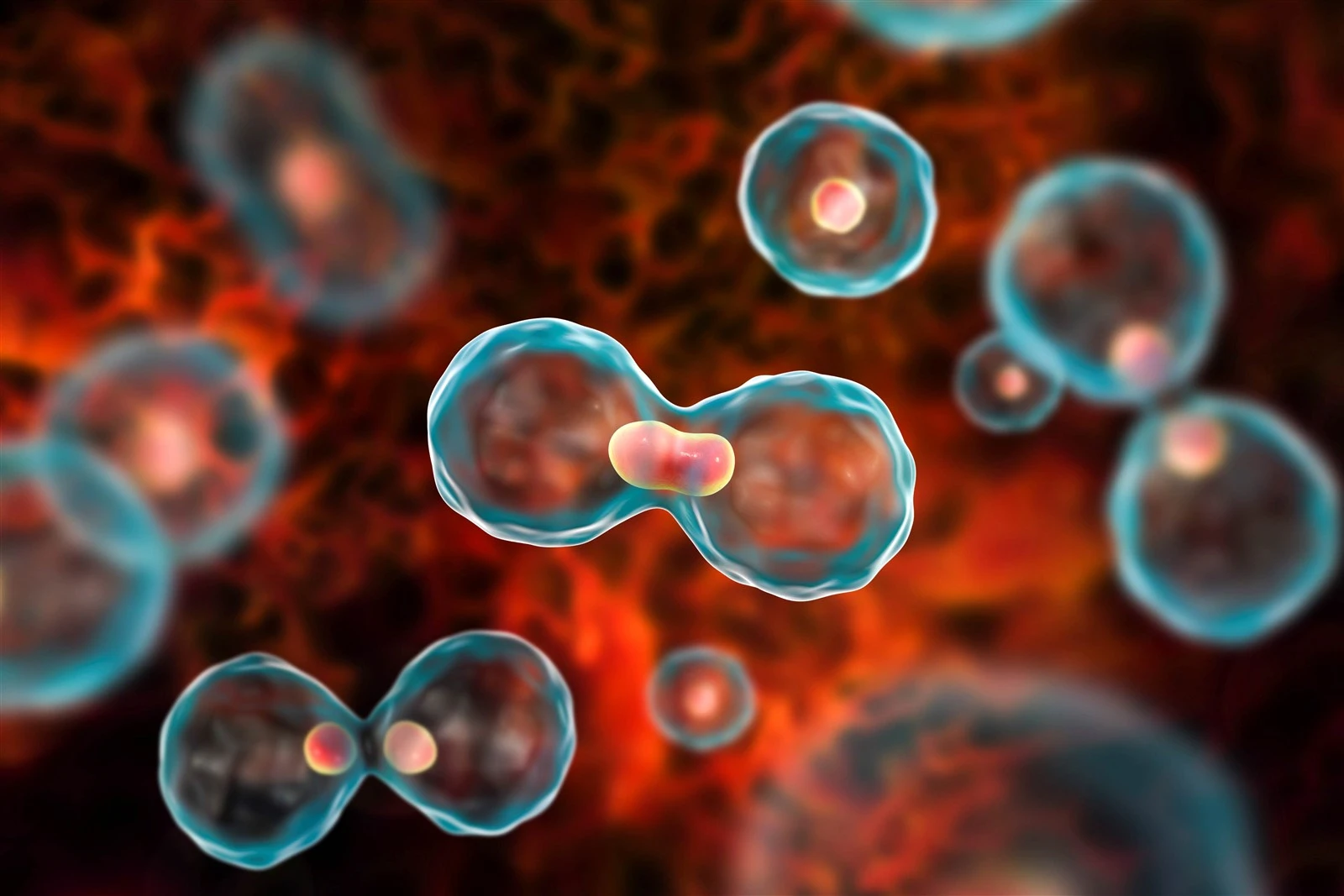
Angiotensin acetate also has certain effects on cell growth and apoptosis. It can promote the growth and differentiation of certain cells, while inhibiting the apoptosis of other cells.
Promoting cell growth and differentiation
Angiotensin acetate can promote the growth and differentiation of certain cells, such as smooth muscle cells and fibroblasts. This effect is mainly achieved by binding to its receptor, activating the corresponding signal transduction pathway, thereby promoting cell proliferation and differentiation.
Inhibiting cell apoptosis
Meanwhile, Angiotensin acetate can also inhibit the apoptosis of certain cells, such as cardiomyocytes and endothelial cells. This effect can protect these cells from damage and death, thereby maintaining normal physiological functions of the body.

Inflammation & Fibrosis
Angiotensin acetate also plays a certain role in the inflammatory response and fibrosis process. It can promote the release of inflammatory factors and the infiltration of inflammatory cells, while also promoting the occurrence and development of fibrosis.

Role in Inflammation
Activation of Inflammatory Pathways:
Angiotensin II stimulates inflammatory pathways by increasing the expression of inflammatory cytokines and chemokines, such as interleukin-6 (IL-6) and monocyte chemoattractant protein-1 (MCP-1), leading to the recruitment and activation of immune cells, particularly neutrophils and macrophages (reference sources indicate that Angiotensin II induces significant neutrophil recruitment in animal models).
Interaction with AT1 Receptors:Most of the inflammatory effects of Angiotensin II are mediated through its interaction with the angiotensin II type 1 receptor (AT1R), which is expressed on various cell types, including vascular smooth muscle cells, endothelial cells, and immune cells.Induction of Oxidative Stress:Angiotensin II also induces oxidative stress, which is a known contributor to inflammation and tissue damage. It promotes the generation of reactive oxygen species (ROS) and modulates the expression of antioxidant enzymes.


Role in Fibrosis
Stimulation of Fibroblasts:
Angiotensin II stimulates fibroblasts, the primary cells involved in fibrosis, to produce excessive amounts of collagen, particularly collagen types I and III.
This leads to the thickening of the extracellular matrix and ultimately fibrosis.
Cell Growth and Proliferation:
By interacting with AT1R, Angiotensin II promotes the growth and proliferation of vascular smooth muscle cells and fibroblasts, contributing to the remodeling of tissue structures.
Promotion of Fibrotic Processes:
Angiotensin II is also implicated in the regulation of several profibrotic molecules, such as transforming growth factor-beta (TGF-β), which plays a central role in fibrosis.

inflammatory pathways of this med
Although direct research specifically on angiotensin II acetate in inflammation and fibrosis may be scarce, the known mechanisms and effects of Angiotensin II suggest that it has the potential to contribute to these processes. The stimulation of inflammatory pathways, the promotion of oxidative stress, and the induction of fibrotic processes are some of the key ways in which Angiotensin II, and consequently it may influence inflammation and fibrosis. However, further research is needed to fully elucidate the specific roles and mechanisms in these complex biological processes.

Angiotensin is a key bioactive peptide substance that has strong vasoconstrictive ability and stimulates the secretion of aldosterone from the adrenal cortex, playing a crucial role in regulating blood pressure and fluid balance. These substances can be subdivided into various types such as angiotensin I to angiotensin VII, but in current scientific research, angiotensin I, angiotensin II, and angiotensin III have received the most extensive attention due to their important physiological and pathological roles.
When there is a decrease in circulating blood volume or renal blood flow in the human body, the periglomerular cells - periglomerular cells - are activated and secrete renin. After renin enters the bloodstream, it reacts with the angiotensinogen produced by the liver and hydrolyzes it into angiotensin I. This is a peptide compound containing 10 amino acid residues. When angiotensin I flows through the lungs with blood circulation, it is further hydrolyzed into angiotensin II containing 8 amino acid residues by the conversion enzymes contained in the lungs.


It is worth noting that although angiotensin I can stimulate the secretion of adrenaline from the adrenal medulla, its direct effect on blood vessels and causing constriction is not significant. In contrast, angiotensin II can cause constriction of small arteries throughout the body, significantly increasing blood pressure. This mechanism of action is crucial for maintaining the stability of human blood pressure.In addition, angiotensin II can also promote the secretion of aldosterone in the adrenal cortex.
Aldosterone is an important hormone that acts on the renal tubules, increasing blood volume in the body by promoting the reabsorption of sodium and water ions, as well as the excretion of potassium ions. This function helps maintain the water salt balance and electrolyte balance of the human body.Although the vasoconstrictive effect of angiotensin III is relatively weak, only about 1/5 of that of angiotensin II.


This further reflects the complexity and diversity of angiotensin like substances in regulating human physiological functions. Aldosterone is an important hormone that acts on the renal tubules, increasing blood volume in the body by promoting the reabsorption of sodium and water ions, as well as the excretion of potassium ions. This function helps maintain the water salt balance and electrolyte balance of the human body.
Although the vasoconstrictive effect of angiotensin III is relatively weak, only about 1/5 of that of angiotensin II, its role in promoting aldosterone secretion is more powerful. This further reflects the complexity and diversity of angiotensin like substances in regulating human physiological functions.
In summary, angiotensin like substances play a crucial role in maintaining stable blood pressure, regulating fluid balance, and promoting hormone secretion in the human body.


Overall, the regulatory network formed by angiotensin-related peptides constitutes an essential part of cardiovascular and endocrine homeostasis. The distinct yet coordinated functions of angiotensin I, II, and III jointly maintain normal blood pressure and body fluid equilibrium. Further exploration of their regulatory pathways will support the development of safer and more targeted drugs for hypertension, heart failure, and electrolyte disorders, offering new strategies for precise clinical intervention and disease management.
Frequently Asked Questions
What is angiotensin II acetate in humans?
+
-
Angiotensin II Acetate is the acetate salt form of therapeutic angiotensin II, a synthetic form of the endogenous angiotensin II, a peptide hormone of the renin-angiotensin-aldosterone system (RAAS) that causes vasoconstriction and an increase in blood pressure, that may be used for the treatment of septic or other.
What does ACE do to angiotensin 2?
+
-
ACE inhibitors prevent an enzyme in the body from making angiotensin 2, which makes blood vessels narrow. The heart has to work harder when blood vessels are narrowed. That can make blood pressure go up. Angiotensin 2 also releases hormones that raise blood pressure.
What is the brand name for angiotensin II?
+
-
The brand name for synthetic angiotensin II used to treat hypotension from shock is Giapreza, while the broader class of drugs called Angiotensin II Receptor Blockers (ARBs) (which block its effects) have names like Cozaar (losartan), Diovan (valsartan), and Atacand (candesartan). So, it depends if you mean the actual hormone replacement (Giapreza) or the blockers (ending in "-sartan").
What is angiotensin II used for?
+
-
Angiotensin II has two main uses: as a naturally occurring hormone that helps regulate blood pressure, and as a synthetic medication (brand name Giapreza) to rapidly increase blood pressure in adults with septic or other distributive shock. Beyond its direct medical use, drugs like Angiotensin II Receptor Blockers (ARBs) are used to manage high blood pressure, heart failure, and kidney disease by blocking the effects of the angiotensin II hormone.
Does angiotensin II affect the heart?
+
-
Angiotensin (Ang) II, through the activation of specific Ang II receptors, regulates cardiac contractility, cell communication, and impulse propagation. In addition, Ang II is involved in cardiac remodeling, growth, and apoptosis.
Hot Tags: angiotensin ii acetate cas 58-49-1, suppliers, manufacturers, factory, wholesale, buy, price, bulk, for sale, Kisspeptin powder, Best Growth Hormone Releasing Peptide CAS 87616 84 0, Melanotan 2 Powder, Melanotan ii powder, Lpamorelin Powder CAS 170851 70 4, CJC 1295 Peptide