




Shaanxi BLOOM Tech Co., Ltd. is one of the most experienced manufacturers and suppliers of hgh fragment 176 191 peptide in China. Welcome to wholesale bulk high quality hgh fragment 176 191 peptide for sale here from our factory. Good service and reasonable price are available.
HGH Fragment 176-191 Peptide is a synthetic peptide fragment derived from the C-terminus of the human growth hormone (HGH) molecule. Composed of 16 amino acids spanning positions 176 to 191, it is characterized by its precise targeting of fat metabolism while eliminating the redundant physiological effects of full-length HGH, making it a lipolytic peptide with high efficiency and low side effects.Its most prominent advantage is its ultra-specific fat-reducing effect, with a lipolytic capacity 12.5 times that of full-length HGH. It reduces body fat through the dual actions of stimulating lipolysis and inhibiting adipogenesis, exerting a remarkable effect especially on stubborn fat areas such as the abdomen and thighs. Meanwhile, it promotes an increase in lean body mass and protein synthesis, preventing muscle loss during fat reduction.
Our products Form



hGH 176-191 COA
 |
||
| Certificate of Analysis | ||
| Compound name | hGH 176-191 | |
| Grade | Pharmaceutical grade | |
| CAS No. | 66004-57-7 | |
| Quantity | 35g | |
| Packaging standard | PE bag+Al foil bag | |
| Manufacturer | Shaanxi BLOOM TECH Co., Ltd | |
| Lot No. | 202512090051 | |
| MFG | Dec 9th 2025 | |
| EXP | Dec 8th 2028 | |
| Structure |
|
|
| Item | Enterprise standard | Analysis result |
| Appearance | White or almost white powder | Conformed |
| Water content | ≤5.0% | 0.77% |
| Loss on drying | ≤1.0% | 0.15% |
| Heavy Metals | Pb≤0.5ppm | N.D. |
| As≤0.5ppm | N.D. | |
| Hg≤0.5ppm | N.D. | |
| Cd≤0.5ppm | N.D. | |
| Purity (HPLC) | ≥99.0% | 99.90% |
| Single impurity | <0.8% | 0.31% |
| Total microbial count | ≤750cfu/g | 80 |
| E. Coli | ≤2MPN/g | N.D. |
| Salmonella | N.D. | N.D. |
| Ethanol (by GC) | ≤5000ppm | 432ppm |
| Storage | Store in a sealed, dark, and dry place below 2-8°C | |
|
|
||


Regulation of Fat Metabolism and Fat Reduction
Mechanism of Action
HGH Fragment 176-191 Peptide exhibits a lipolytic capacity 12.5 times that of full-length human growth hormone (HGH), with its core mechanism centered on promoting lipolysis and inhibiting adipogenesis.

In terms of lipolysis promotion, the peptide binds to growth hormone receptors on the surface of adipocytes. Upon receptor activation, a cascade of signal transduction events is triggered, leading to enhanced activity of key enzymes such as hormone-sensitive lipase (HSL). HSL catalyzes the hydrolysis of triglycerides into fatty acids and glycerol, which are then released into the bloodstream to be oxidized for energy by other bodily tissues, thus accelerating the process of fat mobilization.
Additionally, the peptide elevates intracellular cyclic adenosine monophosphate (cAMP) levels in adipocytes, further amplifying lipolytic signals and sustaining the lipolytic effect.
In terms of adipogenesis inhibition, HGH Fragment 176-191 Peptide exerts its effect through the regulation of relevant gene expression and signaling pathways. It inhibits the activity of peroxisome proliferator-activated receptor γ (PPARγ), a key transcription factor for adipocyte differentiation and adipogenesis. Reduced PPARγ activity diminishes the differentiation of preadipocytes into mature adipocytes and downregulates the expression of lipogenic enzymes in adipocytes (e.g., fatty acid synthase and acetyl-CoA carboxylase), lowering the synthesis rate of fatty acids and triglycerides and curbing fat accumulation at the source.
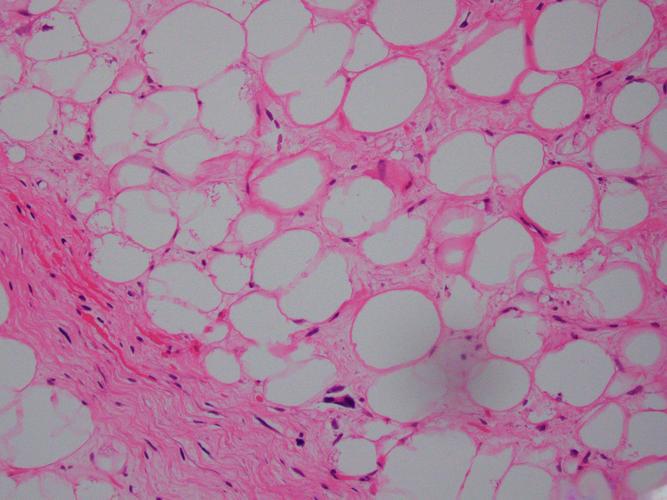
Furthermore, the peptide modulates the energy metabolism of adipocytes by increasing cellular basal metabolic rate and energy expenditure, resulting in a higher rate of fat oxidation than synthesis, thereby achieving fat reduction effects.
Application Scenarios

Obesity Treatment
For patients with simple obesity, especially those with excessive fat accumulation in the abdomen, hips and other regions, HGH Fragment 176-191 Peptide can serve as an adjuvant therapeutic measure. By regulating fat metabolism, it helps reduce body fat content, improve fat distribution, and lower the risk of obesity-related complications such as type 2 diabetes, hypertension and dyslipidemia. In clinical practice, it can be combined with dietary control and exercise to enhance weight loss efficacy. Its high safety profile also makes it suitable for long-term use in weight maintenance.
Athlete Weight Management
In competitive sports, certain events impose stringent requirements on athletes' body weight and body fat percentage. HGH Fragment 176-191 Peptide assists athletes in rapidly reducing body fat percentage, optimizing body composition and enhancing athletic performance without compromising muscle mass. Compared with traditional fat-reducing drugs, it does not affect athletes' neurological status or athletic ability, nor is it prone to drug residue issues, complying with the relevant regulations of sports competitions.


Fat Reduction in Anti-Aging Interventions
With aging, the human body's metabolic rate declines, fat accumulation becomes more prevalent, and growth hormone secretion decreases. HGH Fragment 176-191 Peptide can be used in anti-aging conditioning to help middle-aged and elderly individuals regulate fat metabolism, reduce body fat, and improve postural problems caused by fat accumulation. It also delays metabolism-related aging processes and enhances quality of life.
Adjuvant in Anti-Cancer Research
Enhancing the Cytotoxicity of Chemotherapeutic Drugs on Cancer Cells
HGH Fragment 176-191 Peptide has demonstrated potential in adjuvantly boosting the efficacy of chemotherapy in anti-cancer research, with particularly prominent performance in breast cancer treatment studies. Research has found that the peptide can enhance the cytotoxicity of doxorubicin-loaded chitosan nanoparticles against breast cancer cells. Doxorubicin is a clinically commonly used anti-tumor antibiotic that exerts cytotoxic effects by intercalating into DNA double strands and inhibiting DNA replication and transcription.

However, some cancer cells develop resistance to it, and its significant side effects limit its clinical application. Chitosan nanoparticles, as drug carriers, offer advantages such as good biocompatibility and strong targeting ability, which can improve the delivery efficiency of doxorubicin.

HGH Fragment 176-191 Peptide may enhance the anti-cancer effect of doxorubicin by regulating cellular metabolism or signaling pathways. On the one hand, the peptide can modulate the energy metabolism of breast cancer cells, increasing their sensitivity to doxorubicin. For example, it may reduce the glycolysis level of cancer cells, cut off energy supply, and thus impair the DNA repair capacity of cancer cells-rendering them unable to effectively repair doxorubicin-induced DNA damage, which in turn elevates the apoptotic rate.
On the other hand, it may regulate apoptotic signaling pathways in cancer cells (e.g., activating caspase family proteases) to promote cancer cell apoptosis, which synergizes with the mechanism of action of doxorubicin to enhance cytotoxicity. In addition, HGH Fragment 176-191 Peptide may affect the uptake and release of chitosan nanoparticles in cancer cells, increasing the intracellular concentration of doxorubicin and further boosting chemotherapy efficacy.
Providing Potential Targets for Cancer Research
HGH Fragment 176-191 Peptide can bind to Ki-67, MiB proteins and estrogen receptors (ER), providing new potential targets for cancer research, especially for estrogen-related cancers such as breast cancer. Ki-67 and MiB proteins are cell proliferation-related markers, whose expression levels are closely associated with the proliferative activity of cancer cells. After binding to these proteins, HGH Fragment 176-191 Peptide may interfere with the cell cycle progression of cancer cells and inhibit their proliferation. For instance, it may block cells from transitioning from the G1 phase to the S phase, reduce DNA replication, and impair the division ability of cancer cells-providing a novel target for the development of anti-cancer drugs that target cell proliferation.

In estrogen-related cancers, the abnormal expression and activation of estrogen receptors are important driving factors for the growth and proliferation of cancer cells. HGH Fragment 176-191 Peptide binds to estrogen receptors, which may interfere with the binding of estrogen to its receptors or disrupt receptor-mediated signaling pathways (e.g., the MAPK/ERK and PI3K/Akt pathways), thereby inhibiting the growth and metastasis of cancer cells. This finding provides new insights for the development of estrogen receptor antagonists and related targeted drugs, helping to address the drug resistance of some breast cancer patients to existing endocrine therapy drugs. Furthermore, in-depth research on the binding mechanism of HGH Fragment 176-191 Peptide to these proteins and receptors can facilitate the construction of more accurate cancer diagnosis models, providing new biomarkers for early cancer screening and prognostic evaluation.
Role in the Regulation of the Tumor Microenvironment

The tumor microenvironment plays a crucial role in the growth, metastasis and development of drug resistance in cancer cells. HGH Fragment 176-191 Peptide may provide a new direction for anti-cancer research by regulating the tumor microenvironment. The tumor microenvironment contains a large number of immune cells, fibroblasts, cytokines and other components, some of which promote tumor progression. Studies have shown that the peptide may modulate the polarization of tumor-associated macrophages (TAMs), inducing the transformation of TAMs from the M2 phenotype (which promotes tumor growth) to the M1 phenotype (which inhibits tumor growth), thereby enhancing the body's anti-tumor immune response.
Meanwhile, it may reduce the expression of pro-angiogenic factors such as vascular endothelial growth factor (VEGF) in the tumor microenvironment, inhibit tumor angiogenesis, cut off the nutrient and oxygen supply to cancer cells, and thus suppress tumor growth and metastasis. These effects provide a theoretical basis for the development of anti-cancer strategies targeting the tumor microenvironment, which can be combined with traditional therapeutic methods such as chemotherapy and immunotherapy to improve anti-cancer efficacy.

Basic Physicochemical Characteristics
HGH Fragment 176-191 Peptide is a white or off-white powdery solid with no odor. It is readily soluble in water, normal saline and dilute acetic acid solution, slightly soluble in organic solvents such as methanol and ethanol, and insoluble in non-polar solvents including acetone and ether. Its solubility is determined by the polar functional groups in the molecule such as amino, carboxyl and hydroxyl groups.

This peptide is an amphoteric molecule with an amino group (N-terminus) and a carboxyl group (C-terminus) at its two ends respectively, and its side chain contains multiple dissociable groups. It has an isoelectric point (pI) of approximately 9.2 and carries a positive charge in the physiological environment with a pH of 7.0~7.4. This characteristic enables it to exist stably in body fluids and easily interact with negatively charged biological macromolecules in the body.
In addition, the molecule contains a disulfide bond and no conjugated double bonds. It exhibits a characteristic absorption peak at a wavelength of 280 nm due to the presence of tryptophan (Trp) and phenylalanine (Phe), which can serve as a chemical basis for quantitative analysis.
Structural Stability and Influencing Factors
The spatial structure of this peptide is a loose linear conformation with short-range helical structures formed locally by hydrogen bonding, which is the essential spatial morphology for its biological activity. Its stability is significantly affected by temperature, pH and enzymatic hydrolysis.

In terms of temperature, it can be stored stably for more than 6 months in a low-temperature environment of 2~8℃. When the temperature exceeds 40℃, the intramolecular hydrogen bonds break, the spatial structure unwinds, and the biological activity is rapidly lost. In terms of pH, its structure is stable in the range of pH 5.0~8.0; strong acidic or alkaline environments will damage the peptide bonds and cause molecular hydrolysis and cleavage.
Meanwhile, this peptide is susceptible to degradation by peptidases and proteases in the body, especially aminopeptidases and carboxypeptidases, which can gradually hydrolyze its amino acid residues. This is also an important chemical reason for its short in vivo half-life. Structural modifications (such as acylation and methylation) are usually required to improve its resistance to enzymatic hydrolysis.
FAQ
What does HGH frag 176-191 do?
+
-
GH fragment 176-191 is the portion of the Human Growth Hormone molecule that controls the fat reducing action associated with this hormone. Additionally, use of GH Fragment does not appear to cause some of the less desirable side effects associated with GH use, such as increased insulin resistance.
What is HGH frag used for in bodybuilding?
+
-
Promotes Effective Fat Loss: The Fragment HGH combo supports fat metabolism by promoting the breakdown of stored fat, making it an excellent addition to your cutting cycle. It aids in sculpting a leaner physique by helping reduce body fat percentage while preserving muscle mass.
Hot Tags: hgh fragment 176 191 peptide, suppliers, manufacturers, factory, wholesale, buy, price, bulk, for sale, Bremelanotide Powder CAS 189691 06 3, Cosmetic, dermorphin in humans, Epitalon Powder CAS 307297 39 8, Kisspeptin powder, Tesamorelin CAS 218949 48 5