




Shaanxi BLOOM Tech Co., Ltd. is one of the most experienced manufacturers and suppliers of rosiptor cas 782487-28-9 in China. Welcome to wholesale bulk high quality rosiptor cas 782487-28-9 for sale here from our factory. Good service and reasonable price are available.
Rosiptor, also known as Loxostat or Rosistat, are important compounds with selective and orally active phosphatase SHIP1 activators. They have significant anti-inflammatory effects and can inhibit Akt phosphorylation, inflammatory mediator production, and leukocyte chemotaxis in vitro. High purity, usually up to 99%, is determined by its molecular structure, which gives Rossiputo unique chemical and physical properties. In addition, its boiling point is also an important aspect of its physical properties.
Customized Bottle Caps & Corks
|
|
|


Rosiptor COA
 |
||
| Certificate of Analysis | ||
| Compound name | Rosiptor | |
| Grade | Pharmaceutical grade | |
| CAS No. | 782487-28-9 | |
| Quantity | 65g | |
| Packaging standard | PE bag+Al foil bag | |
| Manufacturer | Shaanxi BLOOM TECH Co., Ltd | |
| Lot No. | 202601090055 | |
| MFG | Jan 9th 2026 | |
| EXP | Jan 8th 2029 | |
| Structure |
|
|
| Item | Enterprise standard | Analysis result |
| Appearance | White or almost white powder | Conformed |
| Water content | ≤5.0% | 1.21% |
| Loss on drying | ≤1.0% | 0.27% |
| Heavy Metals | Pb≤0.5ppm | N.D. |
| As≤0.5ppm | N.D. | |
| Hg≤0.5ppm | N.D. | |
| Cd≤0.5ppm | N.D. | |
| Purity (HPLC) | ≥99.0% | 99.90% |
| Single impurity | <0.8% | 0.56% |
| Total microbial count | ≤750cfu/g | 170 |
| E. Coli | ≤2MPN/g | N.D. |
| Salmonella | N.D. | N.D. |
| Ethanol (by GC) | ≤5000ppm | 412ppm |
| Storage | Store in a sealed, dark, and dry place below -20°C | |
|
|
||
|
|
||


|
Chemical Formula |
C20H35NO2 |
|
Exact Mass |
321 |
|
Molecular Weight |
322 |
|
m/z |
321 (100.0%), 322 (21.6%), 323 (2.2%) |
|
Elemental Analysis |
C, 74.72; H, 10.97; N, 4.36; O, 9.95 |

Application in Inflammatory Diseases
Rosiptor, also known as AQX-1125, is an innovative oral therapy developed by Aquinox Pharmaceuticals, a clinical-stage biopharmaceutical company dedicated to developing novel treatments for inflammation, inflammatory pain, and hematological cancers. This medication holds significance in the treatment of inflammatory diseases, particularly interstitial cystitis/bladder pain syndrome (IC/BPS), as detailed below:
1. Mechanism of Action
It is a "first-in-class" SHIP1 (SH2 domain-containing inositol 5'-phosphatase 1) agonist. By specifically activating the SHIP1 phosphatase, it effectively modulates the PI3K signaling pathway and reduces excessive inflammation in the body, targeting the root cause of inflammatory responses without unnecessary off-target effects.

2. Indication
IC/BPS is a chronic, non-infectious bladder disorder characterized by persistent bladder pain and discomfort, primarily affecting female patients. It leads to distressing symptoms such as frequent urination, urgent need to urinate, and pelvic pain, which significantly disrupt patients' daily lives and reduce their quality of life. The product has shown promising therapeutic results in alleviating these symptoms and improving the condition of IC/BPS patients.
3. Clinical Trials and Outcomes
Phase 2 clinical trials, including double-blind controlled studies, have demonstrated that the product can significantly reduce bladder pain and other bothersome urological symptoms in patients with IC/BPS, especially those with moderate to severe conditions.
To date, over 395 patients and volunteers have been treated with the product in clinical studies, which has greatly contributed to the in-depth understanding of its therapeutic potential, safety profile, and optimal dosage.

4. Unique Advantages
It offers a unique mechanism of action through targeted SHIP1 activation, which distinguishes it from other available therapies for IC/BPS that often focus on symptom relief rather than addressing inflammatory pathways directly.
By targeting the underlying inflammation of IC/BPS, it addresses a significant unmet medical need, providing new hope for patients who have previously lacked effective treatment options and suffered from persistent symptoms.

It represents a significant advancement in the treatment of IC/BPS, a debilitating inflammatory condition. By targeting inflammation through SHIP1 activation, which has shown the potential to alleviate symptoms and improve patients' quality of life. As research continues, it is hoped that it will further solidify its role as an effective therapeutic option for individuals suffering from IC/BPS and potentially other inflammatory diseases. However, it should be noted that the specific applications in other inflammatory diseases beyond IC/BPS require further investigation and clinical trials to confirm.
application in cancer research
Activation of SHIP1: The product specifically activates SHIP1 (SH2 domain-containing inositol 5'-phosphatase 1), a phospholipase that plays a crucial role in regulating cellular signaling pathways closely involved in cancer development and progression, including cell proliferation, survival, and metastasis.


Regulation of Akt Phosphorylation: In vitro studies have shown that the product induces a concentration-dependent decrease in Akt phosphorylation in certain cancer cell lines, such as MOLT-4 (a human T-cell acute lymphoblastic leukemia cell line). This effect is not observed in all cell lines, indicating a selective mechanism of action that may target specific cancer subtypes.
Inhibition of Chemotaxis and Inflammation: The product also dose-dependently inhibits chemotaxis of most cell types at low micromolar concentrations, regardless of the chemotactic stimulus. Additionally, it induces a concentration-dependent decrease in the production of multiple pro-inflammatory mediators (e.g., cytokines, chemokines), which may contribute to its antitumor effects by reducing chronic inflammation in the tumor microenvironment, a key factor in cancer progression.


Absorption and Bioavailability
In vivo studies conducted in rats and dogs have demonstrated that the product has good oral bioavailability, with values ranging from 66% to 85% in rats and 88% to 104% in dogs. This favorable oral absorption supports its potential as an oral therapeutic agent for cancer treatment.
Tissue Distribution
In these in vivo studies, high tissue concentrations of the product are detected compared to plasma concentrations at each time point studied, suggesting effective tissue penetration-an important characteristic for a cancer therapy, as it allows the drug to reach tumor tissues efficiently.

Potential Applications
Targeted Therapy
By activating SHIP1, it may provide a targeted therapeutic approach for cancers that depend on Akt signaling for growth and survival.
Combination Therapy
Its ability to inhibit chemotaxis and inflammation may enhance the efficacy of other anticancer therapies by reducing the tumor's protective microenvironment.
Biomarker Development
Further research into the mechanisms of action may lead to the identification of biomarkers that can predict response to therapy or monitor disease progression.

The cell culture method is usually used to produce complex biomolecules, such as proteins or peptides, but it is not directly used to synthesize small molecule drugs such as Rosiptor. It is a specific chemical compound, and its synthesis is more likely to involve chemical methods rather than biological methods. The cell culture method is usually used to produce proteins or peptides that can be expressed in genetically engineered cell lines.

- Select or construct cell lines capable of expressing target proteins from existing cell banks or laboratory preserved cell lines.
- If necessary, cells can be modified through genetic engineering methods (such as transfection, gene editing, etc.) to express the desired proteins.
- Prepare a culture medium suitable for cell growth, which includes nutrients, growth factors, and serum required for cell growth.
- Inoculate cells into a culture dish or bottle, place them in a culture incubator, and cultivate them in a suitable temperature (usually 37 ° C), humidity, and gas environment (such as air containing 5% CO ₂).
- Monitor the growth status of cells and regularly replace fresh culture media to promote cell proliferation and protein expression.
- After the cells reach an appropriate density, specific inducers can be added or culture conditions can be changed to trigger or enhance the expression of target proteins.
- Architectural design & planning cepteur sint occaecat cupidatat proident, taken possession of my entire soul, like these sweet mornings of spring which I enjoy with my whole...Architectural design & planning cepteur sint occaecat cupidatat proident, taken possession od my entire soul, like these sweet mornings of spring which I enjoy with my whole Lorem ipsum dolor sit ament, consectetur adipisicing elit,sed do eiusmod tempor incididunt labore et dolore magna aliqua. it enim ad minim veniam.
- After the cell culture reaches a certain level, collect the culture supernatant or cell lysate, which contains the target protein.
- Purification of proteins using methods such as chromatography, filtration, and precipitation to remove impurities and unwanted components.
- Cell culture is a technology intensive process that requires strict aseptic procedures, precise cell counting, and control of culture conditions.
- Protein purification is a complex and time-consuming process that may require multiple iterations and optimizations to obtain high-purity products.
- The final protein yield and purity are influenced by various factors, including the characteristics of the cell line, the formulation of the culture medium, culture conditions, and the efficiency of purification methods.
What side effects?
Rosiptor is a hypoglycemic drug suitable for patients with type 2 diabetes. However, the use of semaglutide may result in some side effects, including but not limited to the following:

Gastrointestinal reactions
Nausea, vomiting, diarrhea, abdominal pain, bloating, indigestion, gastroenteritis, and gastroesophageal reflux disease. These reactions may vary depending on individual differences, and some patients may experience them particularly during the initial stages of medication. However, over time, these symptoms may gradually alleviate or disappear.
Hypoglycemia
Due to its ability to inhibit insulin secretion, it may lead to hypoglycemia during use. Especially for patients who use other hypoglycemic drugs or insulin at the same time, attention should be paid to monitoring blood sugar levels and adjusting drug doses in a timely manner.


Allergic Reaction
Although rare, some patients may experience allergic reactions such as rash, itching, and difficulty breathing after use. Once an allergic reaction occurs, the medication should be stopped immediately and medical attention sought.
Other side-effects
In addition to the common side effects mentioned above, it may also cause discomfort symptoms such as headache, fatigue, dizziness, and bloating. These symptoms are usually mild, but may also have some impact on the patient's daily life.


Rosiptor, also known as AQX-1125, is an innovative oral therapy developed by Aquinox Pharmaceuticals for the treatment of interstitial cystitis/bladder pain syndrome (IC/BPS).
It is a selective and orally active SHIP1 activator with potent anti-inflammatory effects. It works by inhibiting the PI3K signaling pathway, which, if overactivated, can lead to excessive production of pro-inflammatory signaling molecules by immune cells and their migration and residence in tissues, causing chronic inflammation. By activating SHIP1, it reduces the migration and activation of immune cells, thereby lowering inflammation.
In clinical trials, it has demonstrated significant efficacy in reducing bladder pain and other urinary symptoms in IC/BPS patients. It has also shown good safety and tolerability profiles. The drug has completed multiple clinical trials, including Phase 2 trials, which showed positive results in reducing symptoms and improving patients' quality of life. Phase 3 trials are ongoing to further validate its efficacy and safety.
It represents a promising new treatment option for IC/BPS patients, offering hope for relief from this debilitating condition. With its unique mechanism of action and promising clinical results, it is poised to make a significant impact in the field of urology.


Rosipter, as a novel small molecule drug, has attracted widespread attention in the fields of immune regulation and treatment of inflammatory diseases in recent years. Its discovery not only represents an important breakthrough in the field of drug development, but also provides new possibilities for the treatment of various difficult to treat diseases. By specifically regulating the activity of immune cells, it has demonstrated unique advantages in maintaining immune balance, opening up new avenues for the treatment of autoimmune diseases, chronic inflammation, and even certain cancers.
Against the backdrop of numerous challenges posed by immune related diseases in contemporary medicine, the emergence of this compound is timely. According to statistics, about 5-8% of the global population is troubled by various autoimmune diseases, and traditional treatment methods often have significant side effects or limited efficacy.

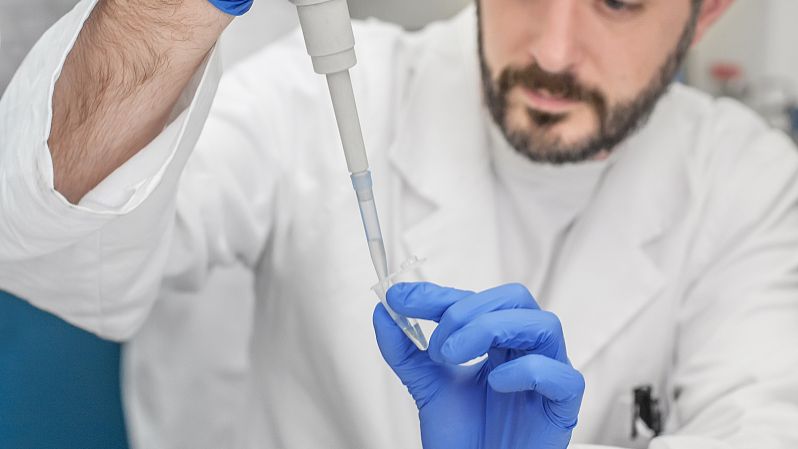
It is expected to change this situation with its unique mechanism of action and good safety features. Its research and development process integrates the latest achievements of modern molecular biology, computer-aided drug design, and translational medicine, making it a typical case of drug discovery in the 21st century.
It's discovery was not accidental, but built upon decades of immunological research. In the 1990s, scientists began to recognize the central role of T cells in immune regulation, particularly by discovering a special signaling pathway - the calcineurin/activated T cell nuclear factor (NFAT) pathway. This pathway plays a crucial role in T cell activation and immune response, becoming the theoretical basis for later research and development. In 2003, a research team from Harvard University first reported the precise regulatory mechanism of the NFAT protein family in immune regulation. They found that by intervening in this pathway, T cell activity can be precisely regulated without causing widespread immune suppression.
This discovery provides a theoretical basis for the development of targeted immunomodulatory drugs. In the following years, multiple laboratories devoted themselves to searching for compounds that could specifically regulate the NFAT pathway. However, due to the complexity of this pathway and its impact on multiple organs, the initially screened compounds often accompanied severe cardiac toxicity or neurotoxicity.
In 2008, a groundbreaking study revealed the differential expression of NFAT subtypes in different tissues, particularly discovering that NFATc2 subtype is mainly highly expressed in immune cells. This discovery points the way for the development of tissue-specific immunomodulators, namely the design of a small molecule inhibitor primarily targeting NFATc2, which may achieve ideal immunomodulatory effects while reducing systemic side effects. This theory became the starting point for research and development, sparking strong interest in this target in the pharmaceutical industry.
The product exemplifies the potential of targeted phosphatase modulation in inflammatory diseases. Its selective SHIP1 activation, coupled with robust preclinical and clinical data, positions it as a promising therapy for IC/BPS, CP/CPPS, and asthma. Ongoing research into combination therapies, nanodelivery systems, and biomarkers will further refine its clinical utility, potentially expanding its use to other PI3K-driven conditions like lupus and rheumatoid arthritis. As the first-in-class SHIP1 activator, it underscores the importance of precision medicine in addressing unmet needs in chronic inflammation.
Future Prospects
Personalized Medicine
One of the exciting future prospects for the product is its potential application in personalized medicine. Personalized medicine aims to tailor treatments to individual patients based on their genetic makeup, lifestyle, and other factors.


By analyzing a patient's genetic profile, doctors may be able to predict how well the patient will respond to it. For example, certain genetic variations may affect the metabolism of The product, leading to differences in its efficacy and side - effect profile. This information can be used to optimize the dose and treatment regimen for each patient.
New Indications
As research on it continues, new therapeutic indications may be discovered. The drug's ability to modulate multiple biological pathways makes it a candidate for treating a wide range of diseases. For example, it may have potential in the treatment of cancer, where inflammation plays a role in tumor growth and metastasis. It could potentially inhibit the inflammatory microenvironment around tumors, making them more susceptible to other cancer therapies.


Combination Therapies
Combination therapies involving it are also a promising area of research. As mentioned earlier, combining it with other drugs can enhance its efficacy and reduce the risk of drug resistance. For example, in the treatment of rheumatoid arthritis, it could be combined with a DMARD to achieve better disease control. In the field of cardiovascular diseases, it could be combined with statins, which are used to lower cholesterol levels, to provide a more comprehensive approach to preventing cardiovascular events.
Hot Tags: rosiptor cas 782487-28-9, suppliers, manufacturers, factory, wholesale, buy, price, bulk, for sale, LONG R3 IGF I CAS 143045 27 6, Lpamorelin Powder CAS 170851 70 4, Epitalon Powder CAS 307297 39 8, Selank Peptide CAS 129954 34 3, Melanotan 2 Powder, Melanotan ii powder