


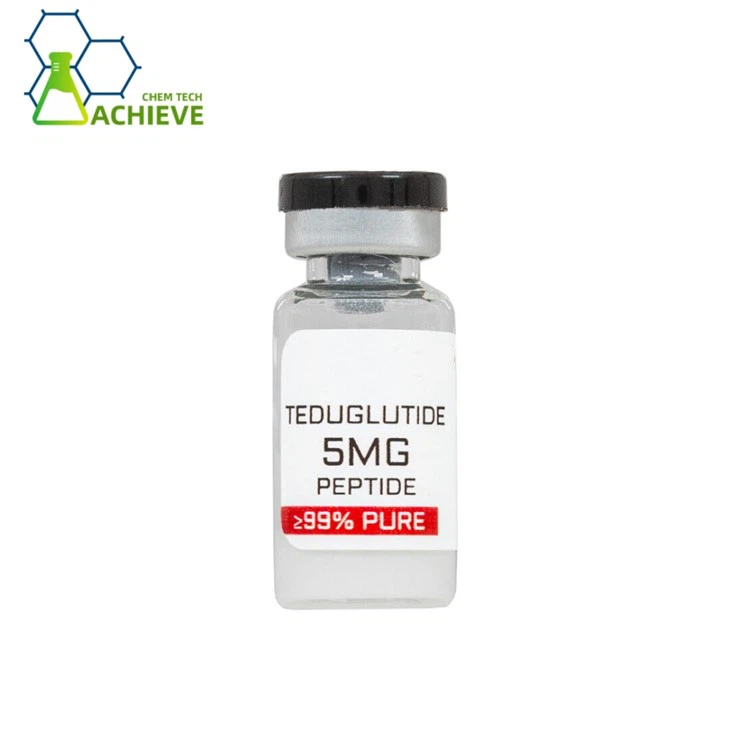

Shaanxi BLOOM Tech Co., Ltd. is one of the most experienced manufacturers and suppliers of teduglutide peptide in China. Welcome to wholesale bulk high quality teduglutide peptide for sale here from our factory. Good service and reasonable price are available.
Teduglutide peptide(Gattex) is a synthetic glucagon-like peptide-2 (GLP-2) analogue. Its core function is to mimic the physiological actions of endogenous GLP-2, promoting intestinal mucosal repair and growth, enhancing enteral absorptive capacity, and helping patients reduce their dependence on parenteral nutrition. As a polypeptide drug consisting of 33 amino acids, it overcomes the short half-life limitation of endogenous GLP-2 through structural modifications of native GLP-2, thereby achieving a more durable therapeutic effect.
Our Products Form

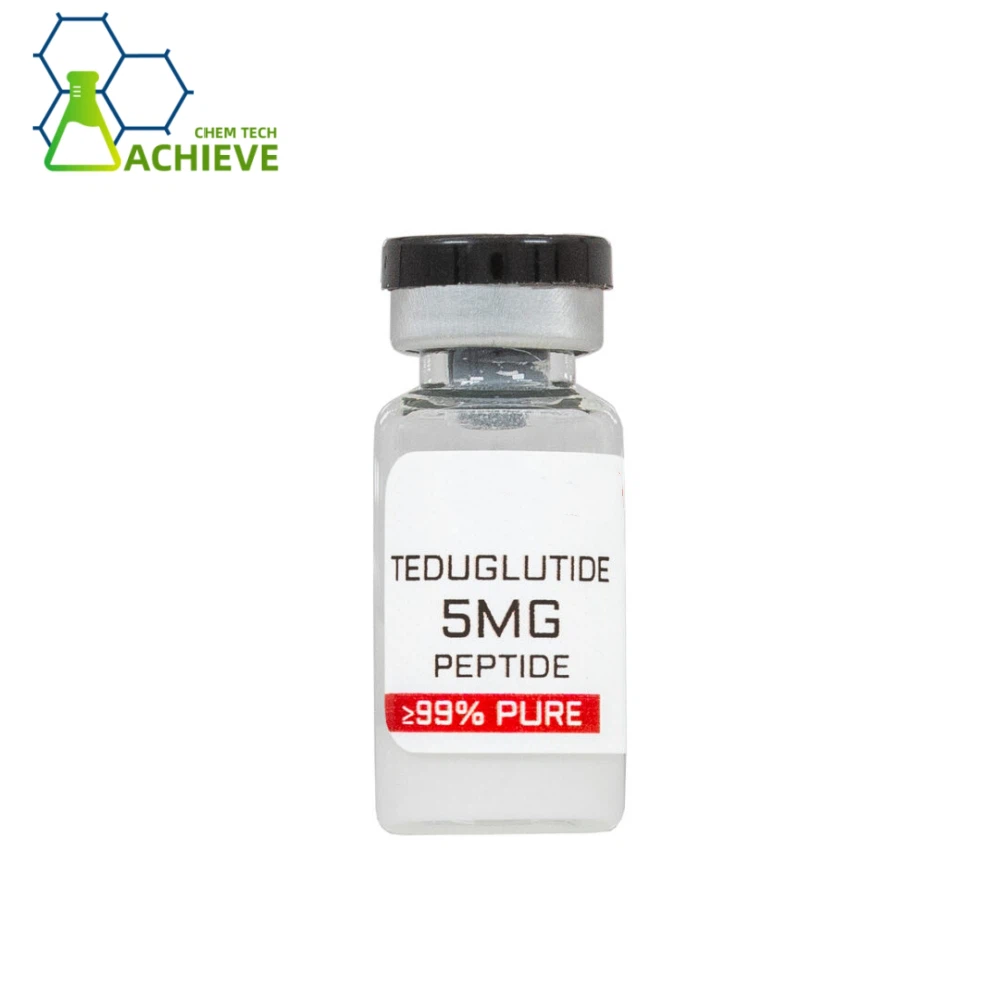
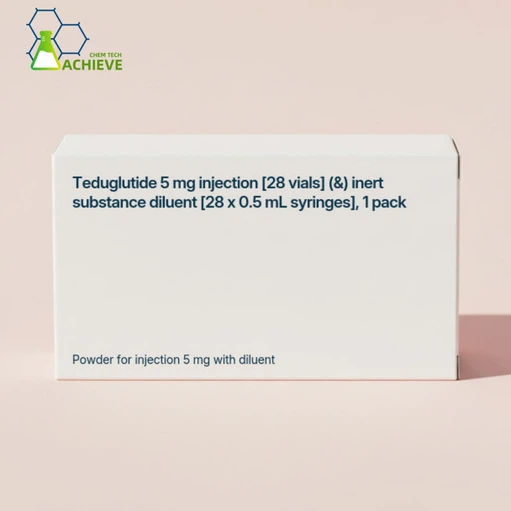
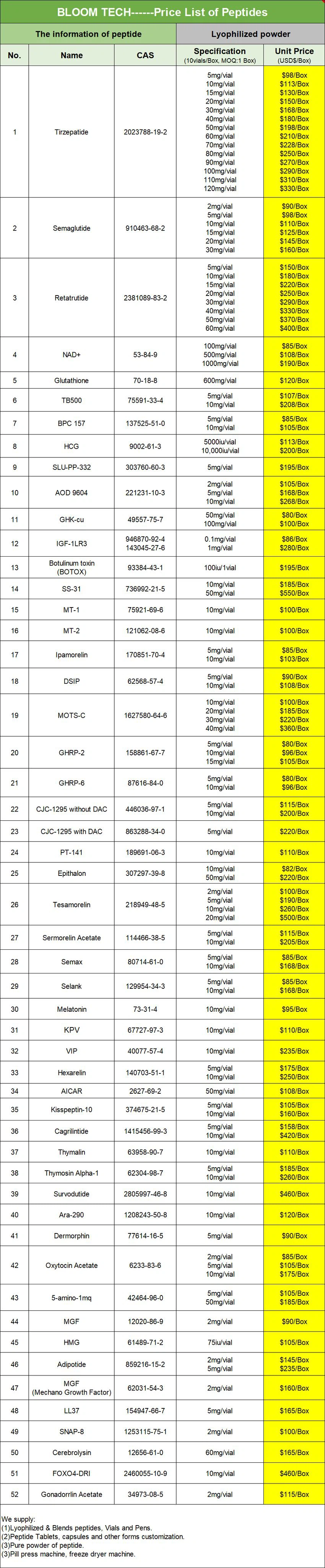
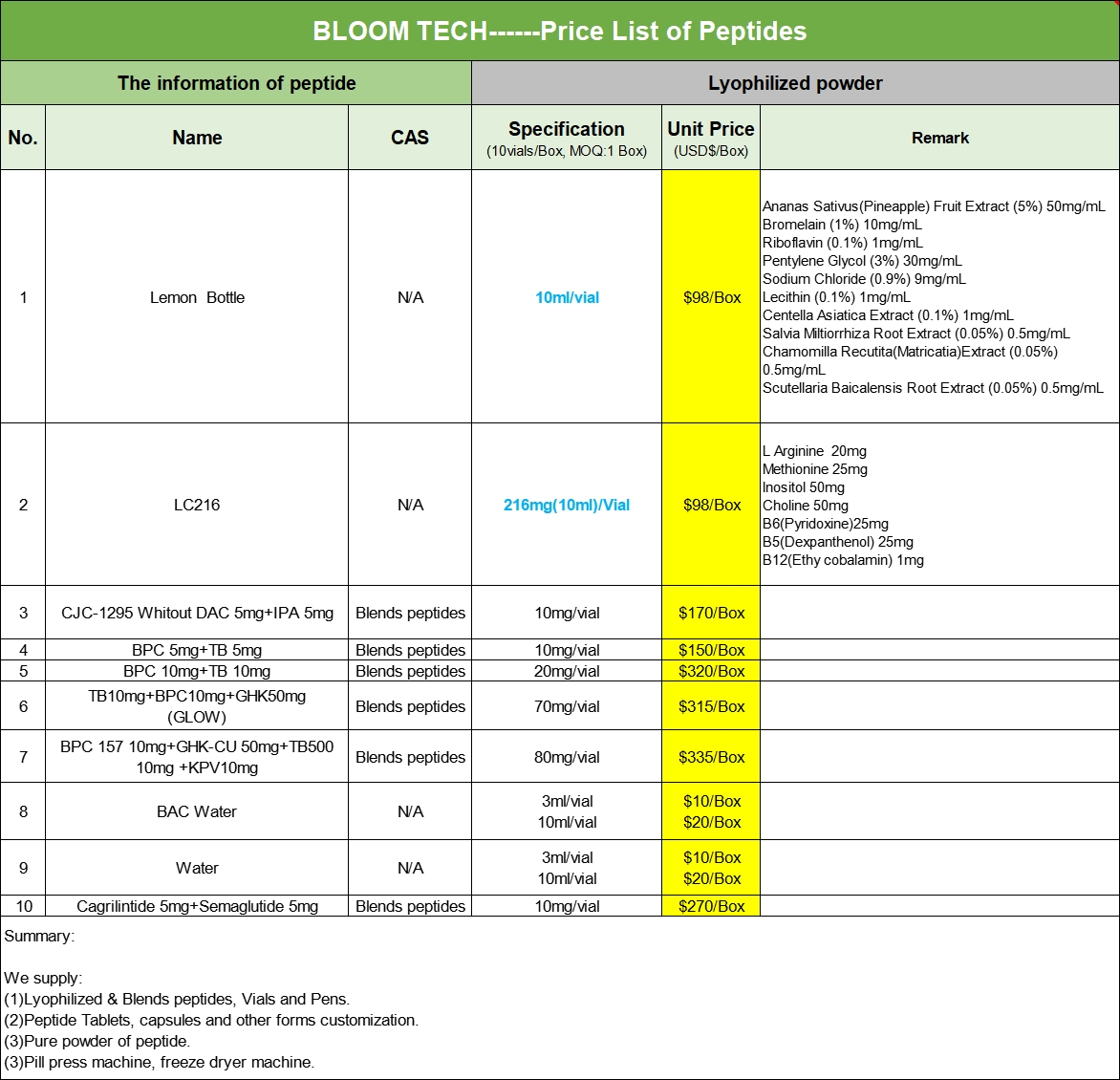

Teduglutide COA
 |
||
| Certificate of Analysis | ||
| Compound name | Teduglutide | |
| Grade | Pharmaceutical grade | |
| CAS No. | 197922-42-2 | |
| Quantity | 62g | |
| Packaging standard | PE bag+Al foil bag | |
| Manufacturer | Shaanxi BLOOM TECH Co., Ltd | |
| Lot No. | 202601090088 | |
| MFG | Jan 9th 2026 | |
| EXP | Jan 8th 2029 | |
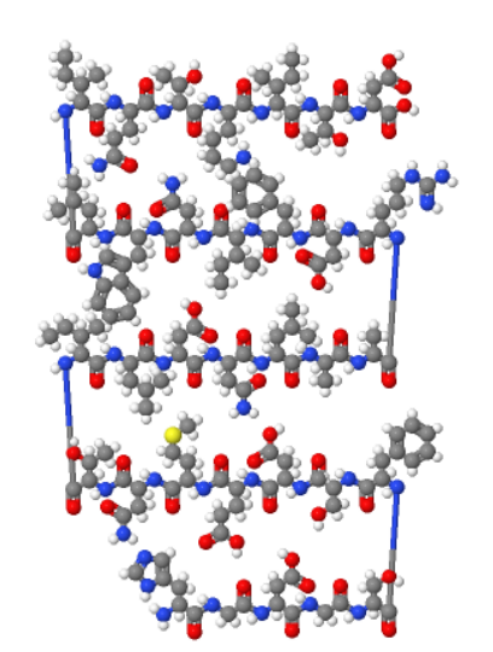
| Structure |
|
|
| Item | Enterprise standard | Analysis result |
| Appearance | White or almost white powder | Conformed |
| Water content | ≤5.0% | 0.36% |
| Loss on drying | ≤1.0% | 0.41% |
| Heavy Metals | Pb≤0.5ppm | N.D. |
| As≤0.5ppm | N.D. | |
| Hg≤0.5ppm | N.D. | |
| Cd≤0.5ppm | N.D. | |
| Purity (HPLC) | ≥99.0% | 99.80% |
| Single impurity | <0.8% | 0.27% |
| Total microbial count | ≤750cfu/g | 250 |
| E. Coli | ≤2MPN/g | N.D. |
| Salmonella | N.D. | N.D. |
| Ethanol (by GC) | ≤5000ppm | 510ppm |
| Storage | Store in a sealed, dark, and dry place below 2-8°C | |
|
|
||


Core Mechanism of Action

The core mechanism of action of teduglutide peptide is to specifically bind to GLP-2 receptors in enteral tissues, activate a series of downstream signaling pathways, and ultimately promote the growth and repair of the intestinal mucosa and enhance its absorptive function. This process strictly follows the logic of "receptor binding – signal activation – effector response" and acts specifically in intestinal tissues, demonstrating clear target selectivity.
First, the targeted binding of it is highly specific. GLP-2 receptors are mainly distributed in enteroendocrine cells, subepithelial myofibroblasts, and enteric neurons in the submucosal and myenteric plexuses.
This distribution pattern restricts the action of the product primarily to the enteral mucosa and related tissues, minimizing significant effects on other organs. Gattex peptide exhibits binding affinity to GLP-2 receptors comparable to that of endogenous GLP-2 and can competitively occupy these receptors. Owing to its longer half-life, it sustains receptor occupancy and signaling activation, providing long-acting effects-one of its key therapeutic advantages over native GLP-2.
Second, downstream signal transduction following receptor activation is critical for the pharmacological effects of gattex peptide.


Upon binding to GLP-2 receptors, it activates receptor-coupled G proteins (predominantly Gαs proteins), which in turn activate adenylate cyclase (AC), leading to elevated intracellular cyclic adenosine monophosphate (cAMP) levels. As a second messenger, cAMP further activates protein kinase A (PKA), initiating a cascade of downstream signaling events. Activation of this pathway directly regulates the growth, proliferation, and differentiation of intestinal epithelial cells, while stimulating the release of various growth factors to support intestinal mucosal repair and growth.
During signal transduction, gattex promotes the local release of mediators including insulin-like growth factor-1 (IGF-1), keratinocyte growth factor (KGF), and nitric oxide (NO) via activated PKA signaling.
Among these, IGF-1 and KGF are key growth factors for enteral mucosal growth: IGF-1 stimulates intestinal epithelial cell proliferation, inhibits apoptosis, and accelerates the repair of mucosal injury; KGF acts primarily on basal intestinal epithelial cells to promote their proliferation and differentiation, increasing mucosal thickness. NO mainly participates in regulating intestinal blood circulation, improving blood supply to intestinal tissues to provide sufficient nutrients and oxygen for mucosal growth, while inhibiting intestinal smooth muscle contraction, slowing intestinal transit, prolonging the retention of nutrients in the intestine, and improving absorption efficiency.

Data source: CPC Scientific, Gattex; PMC, Effectiveness and Safety of Gattex Treatment in Adult Patients with Short Bowel Syndrome: A Case Series and Review of Current Evidence; benchchem.com, An In-depth Technical Guide to the Discovery and Development of Gattex.
Major Physiological Effects and Extended Actions

Through GLP-2 receptor activation and downstream signaling, teduglutide peptide exerts three core physiological effects: promoting enteral mucosal growth, enhancing intestinal nutrient and water absorption, and regulating gastrointestinal function. These effects act synergistically to improve intestinal function, making it particularly suitable for the treatment of short bowel syndrome. Its physiological actions also extend to immunomodulation and inflammation control, further supporting intestinal health.
The first core physiological effect is the promotion of enteral mucosal growth and repair, the most pivotal action of the product. By activating downstream signaling pathways and releasing relevant growth factors, it significantly increases intestinal villus height and crypt depth, expanding the surface area of the intestinal mucosa. Both preclinical and clinical studies confirm that following gattex treatment, patients exhibit markedly increased villus height, deepened crypts, and enhanced mucosal thickness, which directly expand the absorptive surface for nutrients and improve intestinal absorption.


The second core physiological effect is enhanced intestinal absorption of nutrients and water. It achieves this through multiple pathways: on the one hand, the expanded intestinal mucosal surface directly increases absorptive sites for nutrients, improving the absorption of carbohydrates, fats, proteins, and other nutrients; on the other hand, it regulates the expression of nutrient transporters in intestinal epithelial cells, promoting the synthesis and activation of transporters for glucose, amino acids, fatty acids, and others, accelerating the translocation of nutrients from the intestinal lumen into enterocytes and further boosting absorption efficiency. Additionally, it enhances enteral water absorption, reducing fluid loss and relieving diarrhea, a common symptom in short bowel syndrome patients.
The third core physiological effect is the regulation of gastrointestinal function and reduction of gastrointestinal irritation, creating a favorable environment for nutrient absorption. The product inhibits gastric acid secretion, reducing acid-induced irritation to the intestinal mucosa, while protecting the intestinal mucosal barrier, decreasing the absorption of intestinal toxins, and lowering the risk of intestinal inflammation. Endogenous GLP-2 naturally inhibits gastric acid secretion and increases intestinal and portal blood flow, functions inherited and prolonged by gattex as its analogue. Furthermore, gattex slows intestinal motility, prolonging nutrient residence time in the intestine to allow more complete absorption.


In addition, the physiological effects of gattex peptide extend to immunomodulation and inflammation control. The intestine is the body's largest immune organ, and intestinal mucosal integrity is closely linked to immune function. By promoting mucosal repair and maintaining barrier integrity, teduglutide peptide reduces the invasion of pathogens and toxins, lowering enteral inflammation risk. It also modulates the intestinal mucosal immune system, promoting the release of anti-inflammatory factors and inhibiting pro-inflammatory cytokine expression, alleviating intestinal inflammatory responses.
Clinical studies show that although C-reactive protein levels may transiently and moderately increase during gattex treatment, long-term therapy results in no clinically relevant elevation from baseline, with no abnormal laboratory parameters or clinical symptoms, indicating favorable safety and regulatory effects on intestinal inflammation.

Data source: CPC Scientific, Gattex; PMC, Effectiveness and Safety of Gattex Treatment in Adult Patients with Short Bowel Syndrome: A Case Series and Review of Current Evidence; benchchem.com, An In-depth Technical Guide to the Discovery and Development of Gattex.

I. Recombinant DNA Biosynthetic Route
Gattex is a 33-amino-acid polypeptide drug. The mainstream industrial production method employs a recombinant DNA microbial expression system using genetically engineered Escherichia coli as the expression host. First, the target gene encoding gattex is synthesized artificially, inserted into an appropriate expression vector, and transformed into competent E. coli cells to construct a stable engineering strain. Through fermentation, the bacteria express large quantities of the fusion gattex precursor protein. After fermentation, the bacterial cells are harvested and lysed to release the intracellular target protein. The fusion tag is then removed via enzymatic or chemical cleavage to obtain crude polypeptide. This route features high yield and controllable costs, suitable for large-scale manufacturing.
II. Solid-Phase Peptide Synthesis (SPPS) Route
Fmoc-based solid-phase peptide synthesis is commonly used in laboratory and small-scale preparation. Using resin as a solid support, amino acid monomers are sequentially coupled from the C-terminus to the N-terminus, with peptide bond formation mediated by condensation reagents. The cycle of deprotection – coupling – washing is repeated until the full sequence is assembled. Upon completion, cleavage reagents are used to detach the polypeptide from the resin and remove side-chain protecting groups, yielding crude peptide. This method enables precise sequence control and flexible N-terminal glycine substitution and modification, meeting the needs of research and development stages.
III. Purification and Finished Product Preparation
Crude gattex is subjected to multi-stage purification by reversed-phase high-performance liquid chromatography (RP-HPLC) to remove impurities such as truncated and misfolded peptides, followed by further refinement using ion-exchange chromatography. The purified product is lyophilized to obtain a high-purity white powder, typically with a purity of ≥98%. The final product is formulated, sterile-filtered, and dispensed according to pharmaceutical requirements to produce gattex for injection. Key quality attributes including related substances, assay, and microbial limits are strictly controlled throughout the process to comply with pharmacopoeial standards.
Data source: European Medicines Agency (EMA) assessment report for Revestive (gattex); Takeda U.S. Prescribing Information for gattex.
Precautions
May cause cholestasis, cholelithiasis, cholecystitis, and cholangitis.
Assess bilirubin and alkaline phosphatase levels 6 months before treatment initiation.
Monitor liver function every 6 months during treatment. For abnormal results, perform gallbladder / biliary tract imaging; consider treatment discontinuation for evaluation if necessary.
Seek immediate medical attention for right upper abdominal pain, jaundice, fever, nausea, or vomiting.
Data source: FDA Prescribing Information; China Medical Information Query Platform
FAQ
+
-
+
-
Hot Tags: teduglutide peptide, suppliers, manufacturers, factory, wholesale, buy, price, bulk, for sale, sermorelin powder, Melanotan 2 Powder, Best Growth Hormone Releasing Peptide CAS 87616 84 0, Epitalon Powder CAS 307297 39 8, Tesamorelin CAS 218949 48 5, Kisspeptin powder