

In the realm of molecular biology and biotechnology, protein expression is a crucial process that enables the production of specific proteins for various applications, including research, drug development, and industrial manufacturing. One of the key components in many protein expression systems is isopropyl β-D-1-thiogalactopyranoside (IPTG) powder. As a leading supplier of IPTG powder, I am often asked about how IPTG powder interacts with transcription factors during protein expression. In this blog post, I will delve into the science behind this interaction and shed light on its significance in the field.
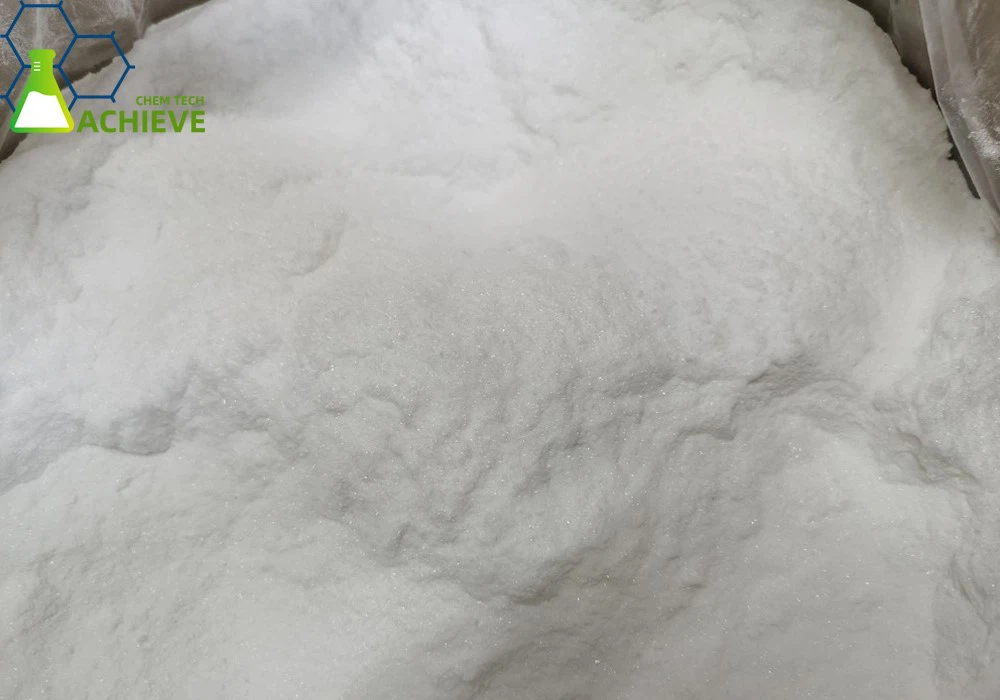
Iptg Powder
Product Code: BM-2-5-133
Name: Iptg
CAS No.: 367-93-1
M.F: C9H18O5S
M.W: 238.3
EINECS No.: 206-703-0
Market: Indonesia, UK, New Zealand , Canada etc.
Manufacturer: BLOOM TECH Guangzhou Factory
Technology service: R&D Dept.-4
Shipping: Shipping as another no sensitive chemical compound name.
We provide IPTG powder, please refer to the following website for detailed specifications and product information.
Product:https://www.bloomtechz.com/synthetic-chemical/api-researching-only/iptg-powder-cas-367-93-1.html
Understanding Protein Expression and Transcription Factors
Before we explore the interaction between IPTG powder and transcription factors, let's first understand the basics of protein expression. Protein expression is the process by which a gene's DNA sequence is converted into a functional protein. This process involves two main steps: transcription and translation.
Transcription is the first step in protein expression, where the DNA sequence of a gene is copied into a messenger RNA (mRNA) molecule. This process is carried out by an enzyme called RNA polymerase, which binds to a specific region of the DNA called the promoter. The promoter contains regulatory elements that control the initiation of transcription.
Transcription factors are proteins that bind to specific DNA sequences in the promoter region and regulate the activity of RNA polymerase. They can either enhance or inhibit the transcription of a gene, depending on their specific function. Transcription factors play a crucial role in controlling gene expression and are involved in a wide range of biological processes, including development, differentiation, and response to environmental stimuli.
The Role of IPTG in Protein Expression
IPTG is a synthetic analog of lactose, a natural sugar found in milk. In many protein expression systems, IPTG is used as an inducer to activate the expression of genes that are under the control of the lac operon. The lac operon is a group of genes in bacteria that are involved in the metabolism of lactose.
In the absence of lactose, a repressor protein called LacI binds to the operator region of the lac operon, preventing RNA polymerase from binding to the promoter and initiating transcription. When lactose is present in the environment, it binds to LacI and causes a conformational change in the repressor protein, releasing it from the operator region. This allows RNA polymerase to bind to the promoter and initiate transcription of the genes in the lac operon.
IPTG mimics the action of lactose by binding to LacI and causing a similar conformational change. However, unlike lactose, IPTG is not metabolized by the bacteria, so it remains in the cell and continues to activate gene expression. This makes IPTG a powerful inducer of protein expression in many bacterial expression systems.
Interaction between IPTG Powder and Transcription Factors
The interaction between IPTG powder and transcription factors during protein expression is complex and involves multiple steps. Here is a step-by-step overview of the process:
Binding of IPTG to LacI: When IPTG is added to the culture medium, it diffuses into the bacterial cells and binds to the LacI repressor protein. This binding causes a conformational change in LacI, releasing it from the operator region of the lac operon.
Activation of Transcription: Once LacI is released from the operator region, RNA polymerase can bind to the promoter and initiate transcription of the genes in the lac operon. The genes in the lac operon typically include the gene encoding the protein of interest, as well as other genes involved in lactose metabolism.
Recruitment of Transcription Factors: In addition to RNA polymerase, other transcription factors may also be recruited to the promoter region to enhance the transcription of the genes in the lac operon. These transcription factors can bind to specific DNA sequences in the promoter and interact with RNA polymerase to increase its activity.
Enhancement of Protein Expression: The recruitment of transcription factors and the activation of RNA polymerase lead to an increase in the transcription of the genes in the lac operon. This, in turn, leads to an increase in the production of the protein of interest.
Significance of the Interaction
The interaction between IPTG powder and transcription factors during protein expression is of great significance in the field of molecular biology and biotechnology. Here are some of the key benefits of using IPTG as an inducer of protein expression:
High-Level Protein Expression: IPTG is a powerful inducer of protein expression, allowing for the production of high levels of the protein of interest. This is particularly important for applications where large quantities of protein are required, such as drug development and industrial manufacturing.
Tight Regulation of Gene Expression: The use of IPTG as an inducer allows for tight regulation of gene expression. The expression of the genes in the lac operon can be controlled by adjusting the concentration of IPTG in the culture medium. This allows researchers to optimize the expression of the protein of interest and minimize the production of unwanted proteins.
Versatility: IPTG can be used in a wide range of bacterial expression systems, making it a versatile tool for protein expression. It is compatible with many different types of bacteria, including Escherichia coli, which is one of the most commonly used bacteria for protein expression.
Cost-Effective: IPTG is a relatively inexpensive inducer of protein expression, making it a cost-effective option for researchers and biotech companies. It is readily available from many suppliers, including our company, and can be easily incorporated into existing protein expression protocols.
Other Products for Research
In addition to IPTG powder, we also offer a range of other high-quality products for research purposes. For example, we supply Agomelatine Powder CAS 138112-76-2, which is used in the research of antidepressants and circadian rhythm regulation. Another product is Pyridoxine Hydrochloride Powder CAS 58-56-0, an important form of vitamin B6 that plays a crucial role in various biochemical reactions in the human body and is often used in nutritional and pharmaceutical research. We also provide Pefloxacin Mesylate Dihydrate CAS 149676-40-4, which has antibacterial properties and is useful in the field of microbiology research.


Contact for Purchase and Collaboration
If you are interested in purchasing IPTG powder or any of our other products for your research, please feel free to contact us. Our team of experts is dedicated to providing high-quality products and excellent customer service. We can offer you detailed product information, technical support, and competitive pricing. Whether you are a small research lab or a large biotech company, we are committed to meeting your needs and helping you achieve your research goals. Don't hesitate to reach out to us to start a discussion about your requirements.
References
- Miller, J. H. (1972). Experiments in molecular genetics. Cold Spring Harbor Laboratory.
- Sambrook, J., Fritsch, E. F., & Maniatis, T. (1989). Molecular cloning: A laboratory manual (2nd ed.). Cold Spring Harbor Laboratory Press.
- Studier, F. W., & Moffatt, B. A. (1986). Use of bacteriophage T7 RNA polymerase to direct selective high-level expression of cloned genes. Journal of Molecular Biology, 189(1), 113-130.