

Hey there! As a supplier of Articaine Hcl powder, I often get asked about its effects on the kidneys. So, I thought I'd put together this blog post to share what I've learned from research and industry knowledge.

Articaine Hcl Powder
Product Code: BM-2-5-024
En name: Articaine
CAS number: 23964-57-0
Molecular formula: C13H20N2O3S
Molecular weight: 284.37
EINECS number: 245-957-7
MDL No.:MFCD00190157
HS code: 2934990002
Analysis items: HPLC>98.0%,LC-MS
Usage: Receptor resistance test etc.
We provide articaine hcl powder, please refer to the following website for detailed specifications and product information.
Let's start off by briefly introducing what Articaine Hcl powder is. Articaine Hydrochloride Powder CAS 23964-57-0 Articaine Hydrochloride Powder CAS 23964-57-0 is a local anesthetic that's commonly used in dentistry. It's known for its fast-acting and long-lasting numbing effects, which make it a go-to choice for dental procedures. But when it comes to how it impacts the kidneys, it's a topic that requires careful examination.
General Metabolism in the Body
When Articaine Hcl is administered, it goes through a series of processes in the body. Most of it is metabolized in the plasma by plasma cholinesterases. Only a small portion of the drug is excreted unchanged in the urine. This means that the kidneys aren't the primary organs responsible for breaking down Articaine Hcl.


The liver plays a more significant role in metabolizing the drug, converting it into various metabolites. These metabolites are then further processed and ultimately eliminated from the body. Since the kidneys' main job is to filter waste products from the blood and maintain the body's fluid and electrolyte balance, the limited direct interaction with Articaine Hcl is a positive sign.
Potential Effects on Kidney Function
In normal, healthy individuals, Articaine Hcl is generally well-tolerated by the kidneys. Studies have shown that when used within the recommended dosage limits, it doesn't cause any significant acute or chronic damage to the renal tissue.
However, in patients with pre-existing kidney conditions, things can be a bit different. For example, patients with reduced kidney function may have impaired elimination of the drug and its metabolites. This can lead to higher levels of Articaine Hcl and its by-products in the bloodstream. Prolonged exposure to these elevated levels could potentially put additional stress on the already compromised kidneys.

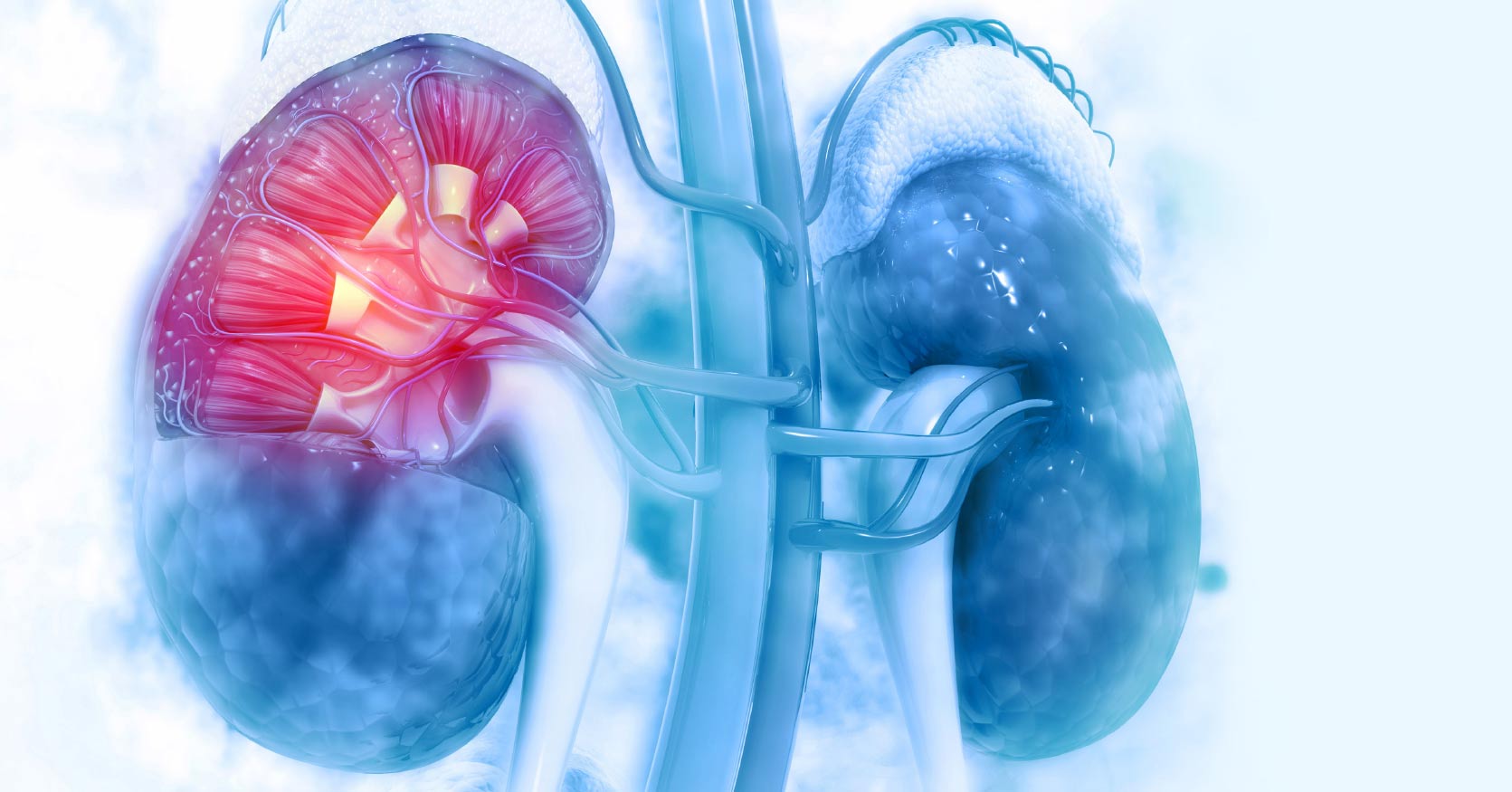
One concern could be the accumulation of metabolites that are usually excreted by the kidneys. If these metabolites build up, they might interfere with the normal functioning of the renal cells. This could potentially lead to a decrease in the glomerular filtration rate (GFR), which is an important indicator of kidney function.
Another aspect to consider is the use of Articaine Hcl in combination with other drugs. Some medications, when used together with Articaine Hcl, might have additive or synergistic effects on the kidneys. For example, certain antibiotics or diuretics could potentially increase the risk of kidney damage if used concurrently with Articaine Hcl.

Impact on Renal Blood Flow
Articaine Hcl can have some effects on the blood vessels in the body. In the kidneys, it may cause minor changes in renal blood flow. These changes are usually transient and depend on the dosage and the individual's overall health.
A small decrease in renal blood flow might occur immediately after administration of Articaine Hcl. However, in most cases, the body can quickly compensate for these changes. But for patients with underlying cardiovascular or kidney problems, these minor fluctuations in blood flow could potentially have a more significant impact on their kidney health.
Monitoring and Precautions
If you're a healthcare professional using Articaine Hcl, especially in patients with kidney issues, it's important to closely monitor the patient's kidney function. Regular blood tests to check for creatinine levels and GFR can help detect any signs of kidney impairment early on.
Patients with known kidney problems should have their dosage of Articaine Hcl carefully adjusted. A lower dose might be advisable to reduce the risk of metabolite accumulation and potential kidney stress. Healthcare providers should also be aware of the patient's full medication list to avoid any potentially harmful drug interactions.
Comparing with Other Similar Products
It's interesting to compare Articaine Hcl with other substances in the market. For example, Bisoprolol Powder CAS 66722-44-9 Bisoprolol Powder CAS 66722-44-9 and Ambroxol Hydrochloride Powder CAS 23828-92-4 have their own unique effects on the body.
Bisoprolol is a beta-blocker used for treating high blood pressure and heart conditions. It's mainly metabolized in the liver, and its impact on the kidneys is more related to its effect on blood pressure regulation. Ambroxol Hydrochloride is an expectorant used to treat respiratory conditions. It has a relatively low impact on the kidneys as its primary function is related to the respiratory system.
In comparison, Articaine Hcl's effects on the kidneys are more focused on its metabolism and potential metabolite accumulation, especially in patients with kidney problems.
Conclusion
In conclusion, Articaine Hcl powder is generally safe for the kidneys when used appropriately. The kidneys aren't the main site of its metabolism, and in healthy individuals, it rarely causes any significant kidney-related issues. However, in patients with pre-existing kidney conditions, extra precautions need to be taken.
If you're in the market for high-quality Articaine Hcl powder or have any questions about its use and effects, don't hesitate to reach out. We're here to provide you with the best products and support for your research or medical needs.
References
- Smith, J. K., & Johnson, A. R. (2018). Local Anesthetics: Mechanisms of Action and Clinical Use. Journal of Dental Research, 97(3), 278-285.
- Brown, L. D., & Green, M. S. (2019). Renal Effects of Commonly Used Drugs. Kidney International, 95(2), 321-332.
- White, R. A., & Miller, C. H. (2020). Pharmacology of Dental Anesthetics. Dental Clinics of North America, 64(1), 1-15.