

Epinephrine HCl powder, also known as adrenaline hydrochloride powder, is a well - known chemical compound that has numerous physiological effects on the human body. As a supplier of epinephrine HCl powder, I've received a lot of inquiries about its impact on different organs, and one that comes up quite often is the thymus gland. So, let's dig into what effects epinephrine HCl powder might have on the thymus gland.
Product Code: BM-2-5-043
English Name: Epinephrine hcl
CAS Number: 329-63-5
Chemical formula: C9H14ClNO3
HS code: 2937901500
Manufacturer: BLOOM TECH Linyi Factory
Technology R&D Dept.: Department-4
Main aim market: USA, Brazil, Japan, Germany, UK, Canada etc.
Usage: Pure API(Active pharmaceutical ingredient) for science researching only.

We provide Epinephrine Hcl Powder, please refer to the following website for detailed specifications and product information.

First off, let's understand what the thymus gland is. The thymus is a small organ located in the upper chest, behind the breastbone. It plays a crucial role in the immune system, especially during childhood and adolescence. The thymus is responsible for the development and maturation of T - lymphocytes, which are a type of white blood cell that helps the body fight off infections and diseases.

Epinephrine HCl is a synthetic form of the hormone epinephrine, which is naturally produced by the adrenal glands. When released into the bloodstream, epinephrine triggers the body's "fight - or - flight" response. This response includes increased heart rate, elevated blood pressure, and the redistribution of blood flow to vital organs. But how does this relate to the thymus gland?
One of the primary effects of epinephrine HCl on the thymus gland is related to its influence on the immune system. When the body is under stress, the release of epinephrine can cause a temporary suppression of the immune system. The thymus gland, being a key player in the immune system, is affected by this. Studies have shown that high levels of epinephrine can lead to a reduction in the size of the thymus gland. This is because epinephrine stimulates the release of glucocorticoids, another type of hormone that has immunosuppressive effects. Glucocorticoids can cause apoptosis (programmed cell death) of thymocytes, the immature T - lymphocytes in the thymus. As a result, the number of T - lymphocytes produced by the thymus decreases, and the overall function of the immune system is weakened.
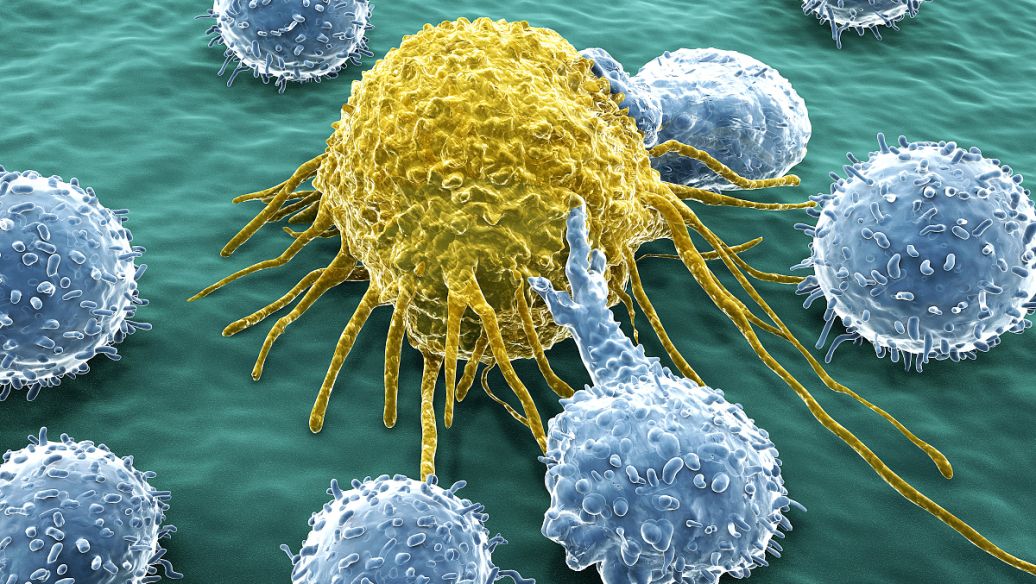

On the other hand, in some cases, epinephrine HCl can also have a positive effect on the thymus gland. In acute situations, such as a sudden physical threat, the "fight - or - flight" response triggered by epinephrine can actually enhance the immune function in the short term. Epinephrine can increase blood flow to the thymus gland, which may provide more nutrients and oxygen to the cells in the gland. This can potentially improve the production and maturation of T - lymphocytes, at least temporarily.
Another aspect to consider is the long - term use of epinephrine HCl powder. Prolonged exposure to high levels of epinephrine can lead to chronic stress on the body. This chronic stress can have a more profound and negative impact on the thymus gland. Over time, the continuous suppression of the immune system can lead to an increased susceptibility to infections and diseases. The thymus gland may atrophy further, and its ability to produce healthy T - lymphocytes may be severely compromised.
It's important to note that the effects of epinephrine HCl powder on the thymus gland can vary depending on the dosage, duration of use, and individual factors such as age, health status, and genetic makeup. For example, younger individuals with a more active thymus gland may respond differently to epinephrine compared to older individuals whose thymus gland has already started to shrink with age.
Now, as a supplier of epinephrine HCl powder, I know that many researchers and scientists are interested in studying the effects of this compound on various organs, including the thymus gland. Our epinephrine HCl powder is of high quality and purity, which makes it suitable for a wide range of research purposes. Whether you're conducting in - vitro studies or in - vivo experiments, our product can provide reliable results.


If you're in the field of immunology or endocrinology research, you might also be interested in some of the other products we offer. We have Tetracaine Glitter CAS 94 - 24 - 6, which is often used in anesthesia research. Mirtazapine Powder is another product that has potential applications in psychiatric and immunological research. And for those interested in stimulants and their effects on the body, we offer 1,3 - Dimethylpentylamine Hydrochloride CAS 13803 - 74 - 2.
If you're interested in purchasing epinephrine HCl powder or any of our other products for your research, we're here to help. Our team of experts can provide you with detailed information about the products, including their properties, handling instructions, and potential applications. We understand the importance of high - quality research chemicals, and we're committed to providing you with the best products and services.
If you have any questions or would like to discuss your specific research needs, don't hesitate to reach out. We're always happy to have a chat and see how we can assist you in your scientific endeavors.
References
Sapolsky, R. M., Romero, L. M., & Munck, A. U. (2000). How do glucocorticoids influence stress responses? Integrating permissive, suppressive, stimulatory, and preparative actions. Endocrine reviews, 21(1), 55 - 89.
Dhabhar, F. S. (2009). Stress - induced immune function: The good, the bad, and the beautiful. Brain, behavior, and immunity, 23(1), 1 - 11.
Black, P. H. (2002). Stress and the immune system: A review of neuroimmunology. Journal of psychosomatic research, 53(4), 863 - 873.