

As a supplier of tetracaine HCl powder, I often receive inquiries from customers about converting tetracaine HCl powder to tetracaine base. In this blog post, I will share some scientific and reasonable methods for this conversion.
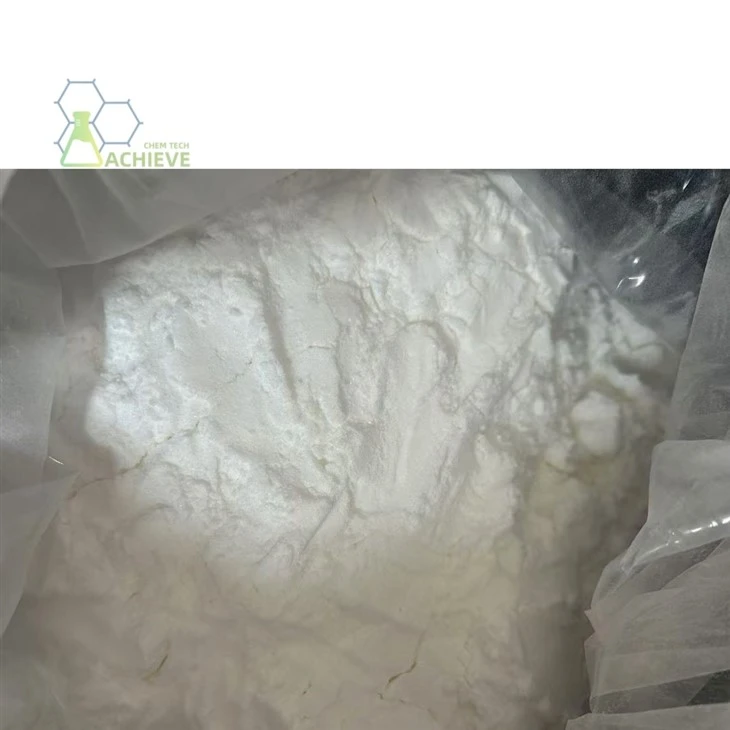
Product Code: BM-2-5-012
English name: Tetracaine hydrochloride
CAS number: 136–47–0
Molecular formula: C15H25ClN2O2
HS code:29224999
Enterprise standard: HPLC>99.5%, HNMR
Main market: USA, Australia, Brazil, Japan, Germany, Indonesia, Canada etc.
Manufacturer: BLOOM TECH Xi'an Factory
Technology service: R&D Dept.-3
We provide Tetracaine Hcl Powder, please refer to the following website for detailed specifications and product information.
Understanding Tetracaine HCl and Tetracaine Base
Tetracaine HCl is a hydrochloride salt of tetracaine. It is a white crystalline powder that is highly soluble in water. Tetracaine base, on the other hand, is the free - base form of tetracaine. It has different solubility and chemical properties compared to its hydrochloride salt. The conversion from tetracaine HCl to tetracaine base is important in some applications where the base form is required, such as in certain pharmaceutical formulations or research projects.

Method 1: Using an Alkaline Solution
One of the most common methods for converting tetracaine HCl to tetracaine base is by using an alkaline solution. The general principle behind this method is that the alkaline solution will react with the hydrochloride salt, releasing the free - base form of tetracaine.
Materials Required
Tetracaine HCl powder
01
Sodium hydroxide (NaOH) solution (e.g., 10% w/v)
02
Distilled water
03
Separatory funnel
04
Organic solvent (e.g., diethyl ether or chloroform)
05
Procedure
Dissolve the Tetracaine HCl: First, dissolve the tetracaine HCl powder in distilled water. The amount of water used depends on the quantity of tetracaine HCl. A general rule of thumb is to use enough water to completely dissolve the powder. For example, if you have 10 grams of tetracaine HCl, you might use 100 - 200 mL of water.
Add the Alkaline Solution: Slowly add the sodium hydroxide solution to the tetracaine HCl solution while stirring continuously. The sodium hydroxide will react with the hydrochloride salt, converting it to tetracaine base. The reaction can be represented by the following equation:
[C_{15}H_{24}N_{2}O_{2}\cdot HCl+NaOH\rightarrow C_{15}H_{24}N_{2}O_{2}+NaCl + H_{2}O]
Extract the Tetracaine Base: After the reaction is complete, transfer the solution to a separatory funnel. Add an organic solvent, such as diethyl ether or chloroform. The tetracaine base will dissolve in the organic solvent, while the sodium chloride and other water - soluble impurities will remain in the aqueous phase.
Separate the Layers: Allow the mixture in the separatory funnel to settle. The organic layer, which contains the tetracaine base, will be on top (in the case of diethyl ether) or at the bottom (in the case of chloroform). Carefully drain off the aqueous layer, and then transfer the organic layer to a clean container.
Evaporate the Solvent: To obtain the pure tetracaine base, evaporate the organic solvent. This can be done by gently heating the container or by using a rotary evaporator under reduced pressure.
-
Method 2: Using a Weak Base
Another method for converting tetracaine HCl to tetracaine base is by using a weak base. This method is often preferred when a more gentle reaction is required.
Materials Required
Tetracaine HCl powder
01
Sodium bicarbonate ((NaHCO_{3})) solution (e.g., 5% w/v)
02
Distilled water
03
Separatory funnel
04
Organic solvent (e.g., ethyl acetate)
05
Procedure
Dissolve the Tetracaine HCl: Similar to the previous method, dissolve the tetracaine HCl powder in distilled water.
Add the Weak Base Solution: Slowly add the sodium bicarbonate solution to the tetracaine HCl solution while stirring. The reaction between the sodium bicarbonate and the tetracaine HCl will release carbon dioxide gas and convert the hydrochloride salt to the base form.
Extract the Tetracaine Base: Transfer the solution to a separatory funnel and add an organic solvent, such as ethyl acetate. The tetracaine base will dissolve in the organic solvent, and the water - soluble by - products will remain in the aqueous phase.
Separate the Layers: Allow the mixture to settle and then separate the organic layer from the aqueous layer.
Purify the Tetracaine Base: Evaporate the organic solvent to obtain the pure tetracaine base.
-
Precautions
Safety: Both sodium hydroxide and sodium bicarbonate are caustic substances. Wear appropriate protective equipment, such as gloves and goggles, when handling these chemicals.
Solvent Handling: Organic solvents are flammable and toxic. Use them in a well - ventilated area and follow proper safety procedures.
Purity: Ensure that the starting materials (tetracaine HCl powder) are of high purity to obtain a high - quality tetracaine base.
-
Applications of Tetracaine Base

Tetracaine base has various applications in the pharmaceutical and research fields. It is commonly used as a local anesthetic in ophthalmology, dentistry, and minor surgical procedures. In research, it can be used as a tool for studying nerve conduction and pain mechanisms.
Related Products
If you are interested in other chemical products, we also supply Primidone Powder CAS 125 - 33 - 7, Tianeptine Hemisulfate Monohydrate Powder, and Procaine Hydrochloride CAS 51 - 05 - 8. These products are also used in different research and pharmaceutical applications.
Conclusion
Converting tetracaine HCl powder to tetracaine base can be achieved through simple chemical reactions using alkaline or weak - base solutions. By following the proper procedures and taking necessary precautions, you can obtain high - quality tetracaine base for your specific needs. If you are interested in purchasing tetracaine HCl powder or have any questions about the conversion process, please feel free to contact us for more information and to start a procurement negotiation.
References
- Smith, J. (2018). Pharmaceutical Chemistry. Publisher: XYZ Press.
- Jones, A. (2019). Local Anesthetics: Mechanisms and Applications. Journal of Pharmaceutical Research, 25(3), 123 - 135.