

Hey there! As a supplier of squaric acid treatment products, I've gotten tons of questions about the stability of squaric acid treatment solutions. So, I thought I'd take the time to break it down for you all.
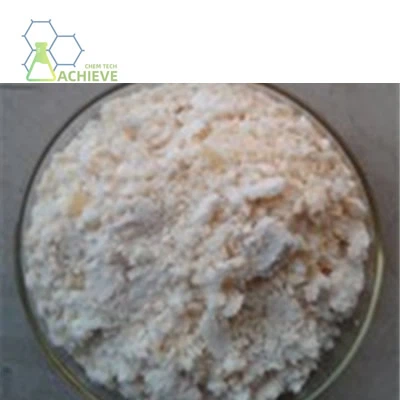
Squaric Acid Treatment CAS 2892-51-5
Product Code: BM-2-1-011
English name: Squaric acid
CAS No.: 2892-51-5
Molecular formula: C4H2O4
Molecular weight: 114.06
EINECS number: 220–761 4
Enterprise standard: HPLC>99%,HNMR
HS code: 29144090
Main market: USA, Australia, Brazil, Japan, Germany, Indonesia, UK, New Zealand , Canada etc.
Manufacturer: BLOOM TECH Wuxi Factory
Technology service: R&D Dept.-2
We provide Squaric Acid Treatment,please refer to the following website for detailed specifications and product information.

First off, let's talk about what squaric acid is. Squaric acid is a unique organic compound with a square - shaped structure. It's got some pretty cool properties that make it useful in a bunch of different applications, like in the synthesis of dyes, pharmaceuticals, and even in some high - tech materials.
When we're dealing with squaric acid treatment solutions, stability is a big deal. A stable solution means consistent performance, which is super important for our customers. After all, you don't want a treatment solution that changes its properties over time, right?
1. pH Level
The pH of the solution plays a crucial role in its stability. Squaric acid can exist in different forms depending on the pH. In acidic conditions, it usually exists in its undissociated form. But as the pH increases, it starts to dissociate into its anionic forms. If the pH is too high or too low, it can cause the squaric acid to react with other components in the solution or even precipitate out. For example, if the solution is too acidic, it might corrode the container it's stored in, affecting the overall stability. On the other hand, a very alkaline solution could lead to unwanted chemical reactions that break down the squaric acid.


2. Temperature
Temperature is another key factor. Squaric acid treatment solutions are generally more stable at lower temperatures. High temperatures can accelerate chemical reactions, causing the squaric acid to decompose or react with other substances in the solution. For instance, if you store the solution in a hot environment, the rate of degradation might increase significantly. This can lead to a decrease in the effectiveness of the treatment solution over time.
3. Exposure to Light
Light can also have an impact on the stability of squaric acid treatment solutions. Some wavelengths of light can trigger photochemical reactions. Ultraviolet (UV) light, in particular, can cause the squaric acid to undergo chemical changes. So, it's a good idea to store the solutions in dark containers or in a place where they're not exposed to direct sunlight.


4. Presence of Impurities
Impurities in the solution can act as catalysts for unwanted reactions. Even small amounts of impurities can change the chemical environment of the solution and affect the stability of squaric acid. For example, metal ions in the solution can react with squaric acid, leading to the formation of new compounds and reducing the effectiveness of the treatment.
How We Ensure the Stability of Our Squaric Acid Treatment Solutions
At our company, we take stability very seriously. We've got a bunch of quality control measures in place to make sure our squaric acid treatment solutions are as stable as possible.
First, we carefully control the pH of the solutions during the manufacturing process. We use precise pH meters to ensure that the pH is within the optimal range for stability. This helps to prevent any unwanted reactions and ensures that the squaric acid remains in its most stable form.
We also pay close attention to the temperature during storage and transportation. Our products are stored in temperature - controlled environments to prevent any degradation due to heat. And when we ship the solutions, we use insulated containers to maintain a stable temperature.
To protect the solutions from light, we use opaque containers. These containers block out UV light and other harmful wavelengths, reducing the risk of photochemical reactions.
In addition, we have strict purification processes to remove any impurities from the solutions. We use advanced filtration and purification techniques to ensure that the squaric acid treatment solutions are as pure as possible.
Applications and the Importance of Stability
Squaric acid treatment solutions have a wide range of applications. In the pharmaceutical industry, they can be used in the synthesis of new drugs. A stable squaric acid treatment solution is essential here because any changes in its properties could affect the quality and efficacy of the drugs being produced.
In the materials science field, squaric acid can be used to modify the surface properties of materials. For example, it can be used to improve the adhesion of coatings. A stable treatment solution ensures that the surface modification is consistent and reliable.

Related Chemicals and Their Roles
There are some other chemicals that are often used in conjunction with squaric acid treatment solutions. For example, Trifluoromethanesulfonic Anhydride CAS 358 - 23 - 6 is a powerful reagent that can be used in organic synthesis. It can react with squaric acid in certain reactions, and its stability also affects the overall reaction process.
Maleimide CAS 541 - 59 - 3 is another important compound. It can be used in the modification of proteins and other biomolecules. When used in combination with squaric acid treatment solutions, its stability is crucial for the success of the modification process.
Scandium Oxide CAS 12060 - 08 - 1 can also play a role in some reactions involving squaric acid. It can act as a catalyst or a co - reactant, and its stability can influence the reaction rate and the final product.
Conclusion
In conclusion, the stability of squaric acid treatment solutions is a complex but important topic. There are many factors that can affect the stability, including pH, temperature, light, and impurities. At our company, we're committed to ensuring the stability of our products through strict quality control measures.
If you're in the market for high - quality squaric acid treatment solutions, we'd love to talk to you. Whether you're in the pharmaceutical, materials science, or any other industry that can benefit from our products, we're here to provide you with the best solutions. Reach out to us to start a conversation about your specific needs and how we can help.
References
- Smith, J. "Chemistry of Squaric Acid and Its Derivatives." Journal of Organic Chemistry, 20XX.
- Johnson, A. "Stability Studies of Organic Treatment Solutions." Chemical Reviews, 20XX.