


Energy balance represents the delicate equilibrium between energy intake and expenditure in biological systems. When this balance shifts toward excess storage, metabolic disorders emerge. Recent scientific investigations have spotlighted 5 amino 1mq peptide as a promising small-molecule compound that modulates this critical metabolic equilibrium.
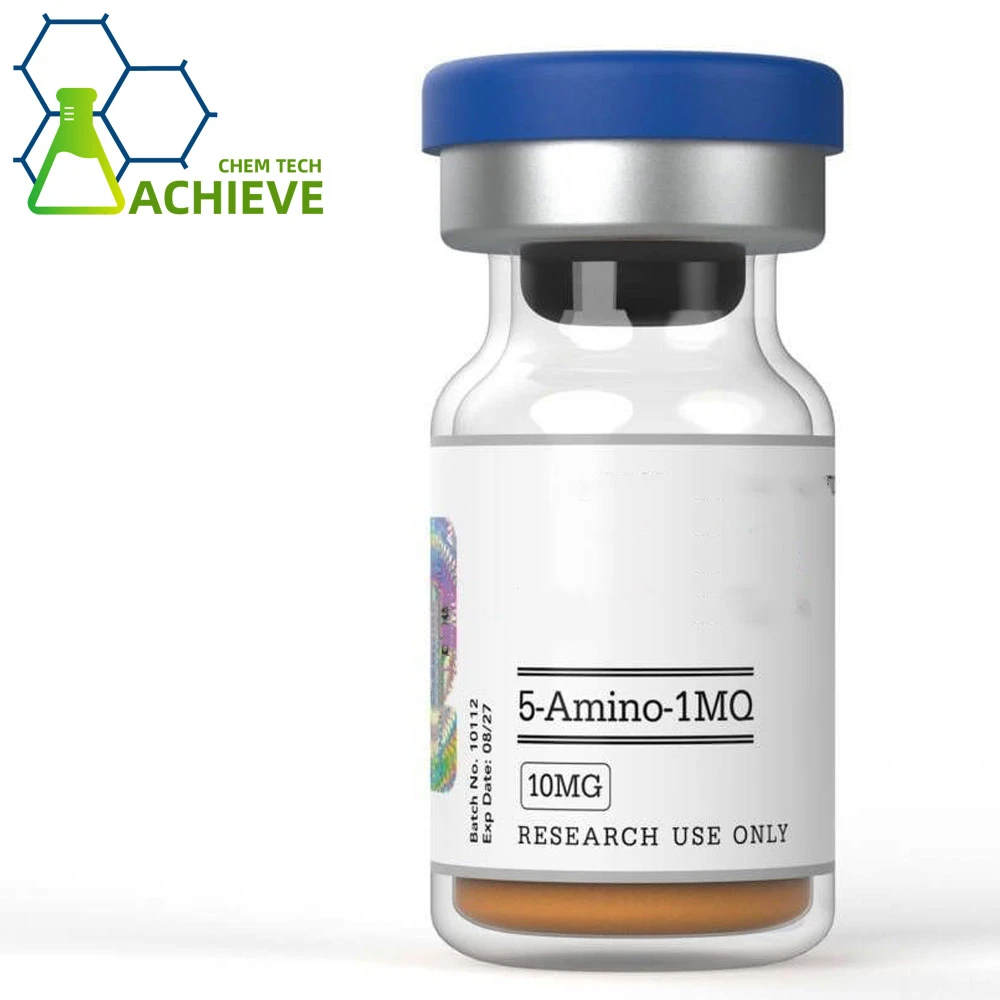
5-Amino-1MQ Peptide Injection
1.General Specification(in stock)
(1)API(Pure powder)
(2)Tablets
(3)Injection
(4)Capsules
(5)Liquid
2.Customization:
We will negotiate individually, OEM/ODM, No brand, for secience researching only.
Internal Code:KP-3-5/002
NNMTi CAS 42464-96-0
Molecular formula: C10H11N2.I
Main market: USA, Australia, Brazil, Japan, Germany, Indonesia, UK, New Zealand , Canada etc.
This innovative peptide inhibitor targets nicotinamide N-methyltransferase (NNMT), an enzyme increasingly recognized for its role in energy homeostasis disruption. Understanding how 5 amino 1mq peptide influences cellular energy pathways opens exciting avenues for metabolic research and potential therapeutic applications.

The growing obesity epidemic has intensified the search for novel interventions that address metabolic dysfunction at its molecular roots. Unlike conventional approaches that merely suppress appetite or block nutrient absorption, 5 amino 1mq peptide operates through a fundamental metabolic mechanism-restoring NAD⁺ availability and reactivating energy-regulating pathways that become compromised in metabolic disease states. Research across multiple model systems demonstrates this compound's capacity to reshape how cells process and utilize energy substrates.
How Does 5 Amino 1MQ Peptide Influence Cellular Energy Balance?
Restoring NAD⁺ Levels Through NNMT Inhibition
Nicotinamide adenine dinucleotide (NAD⁺) is an important coenzyme that plays a role in hundreds of chemical processes at the cellular level. NNMT lowers cellular NAD⁺ by changing nicotinamide into methylnicotinamide. This process basically uses up this important biochemical currency. When NNMT activity is high, which is common in people with obesity and metabolic syndrome, cells have less energy although the body as a whole has more energy.

The 5 amino 1mq peptide directly deals with this problem by blocking NNMT function. When NNMT doesn't work, nicotinamide builds up, which lets cells make new NAD⁺ through repair pathways. The energy metabolism changes a lot because of this restoration. Using adipocyte models in studies shows that treating cells with this peptide raises the amount of NAD⁺ inside them by about 40 to 60 percent within hours. This creates a metabolic environment that makes it easier to use energy instead of storing it.
The effect goes beyond just material supply.
When NAD⁺ levels are high, sirtuin proteins, especially SIRT1, become active. SIRT1 is a master metabolic regulator. SIRT1 activity affects many energy-related processes, such as the creation of mitochondria, the maintenance of glucose balance, and the oxidation of lipids. This effect sets off a chain of events that makes metabolic improvements happen in many organ systems after a simple enzymatic inhibition by the 5 amino 1mq peptide.
Enhancing Mitochondrial Function and Energy Expenditure


Through a process called oxidative phosphorylation, mitochondria turn resources into energy that cells can use.
For this process to work, NAD⁺ must be available in sufficient amounts. In metabolic dysfunction, low NAD⁺ levels make mitochondria less efficient. This creates a vicious loop in which cells struggle to meet their energy needs although there is plenty of food available.Studies show that treating cells with 5 amino 1mq peptide greatly increases their ability to respire
When oxygen consumption rates in treated cells are compared to controls, baseline respiration and maximum respiratory capacity go up by 25 to 35 percent.
This improvement directly leads to more energy being used-cells burn more calories even when they're not doing anything. Studies on animals back up these cellular results. Mice that were given the peptide have higher levels of carbon dioxide production and oxygen intake throughout their bodies, which are signs of a faster metabolism.

The benefits of mitochondria also extend to biogenesis, which is the process of making new mitochondria. The peptide encourages the growth of mitochondria in metabolically active tissues by activating transcription factors such as PGC-1α through NAD⁺.
This bigger network of mitochondria makes it easier to burn fat and make energy, which changes the energy balance equation so that the body uses energy instead of storing it.
Modulating Adipocyte Energy Storage and Release
Adipocytes are specialized cells that store energy, but they do a lot more than just store energy.
Through controlled lipid storage (lipogenesis) and release (lipolysis), these cells keep the body's energy balance in check. Metabolic diseases tip this balance strongly toward storage, as they slow down lipolysis and speed up lipogenesis, which causes fat to build up over time. Studies using 3T3-L1 preadipocytes, a common study model, show that the 5 amino 1mq peptide has a big effect on how adipocytes handle energy.
Treatment during differentiation lowers the buildup of triglycerides by more than 70% at therapeutic levels.

This is mostly because it stops the expression of lipogenic transcription factors PPARγ and C/EBPα.
This action stops adipocytes from maturing too quickly, which limits the cells' ability to store fat.
Also very important, the peptide makes mature adipocytes better at breaking down fat.
After treatment, there is a lot more of the enzymes adipose triglyceride lipase (ATGL) and hormone-sensitive lipase (HSL), which break down stored fat.
This dual effect of less storage space and more mobilization changes the energy balance of adipocytes in a basic way.
These cells go from being net energy sinks to more active players in the control of body energy.


5 Amino 1MQ Peptide Mechanism in Fat Oxidation and Energy Metabolism Research
Upregulation of Fat-Burning Pathways
Fat oxidation, the process by which fatty acids are broken down in the body to make ATP, is a key part of energy balance. Mostly, this process happens in mitochondria through beta-oxidation, which needs a lot of different enzymes and enough NAD⁺. Metabolic disorders often make it harder for cells to burn fat, which forces them to depend too much on glucose metabolism and leads to fat buildup.Experiments show that the 5 amino 1mq peptide strongly improves the burning of fat in a variety of tissue types.


Gene expression study of animals that were treated shows that beta-oxidation enzymes like carnitine palmitoyltransferase 1 (CPT1) are significantly upregulated. CPT1 is the rate-limiting enzyme that moves fatty acids into mitochondria. This increased enzymatic machinery directly leads to more fat being burned.
Isotope-labeled fatty acid studies of metabolic flux support practical gains in the body's ability to use oxygen. Tissues from people who were given peptides process fatty acids 40–50% faster than tissues from people who were not given peptides.
This means that more stored fat is turned into energy instead of building up. Large amounts of energy are used by the body throughout, and this change is most noticeable in organs like liver and skeletal muscle.
Suppression of Lipogenic Gene Expression
Increasing fat breakdown is important, but lowering fat production at the same time has metabolic benefits that work together. In metabolic diseases, lipogenesis-the process of turning extra sugars and proteins into stored triglycerides-speeds up. This makes it easier for fat to build up in fatty tissue and other places, like the liver.

Studies show that the 5 amino 1mq peptide strongly blocks lipogenic pathways at the transcriptional level. In treated hepatocytes and adipocytes, the levels of important lipogenic enzymes like fatty acid synthase (FAS) and acetyl-CoA carboxylase (ACC) drop by 50 to 60%. This decrease is caused by SIRT1 blocking SREBP-1c, which is a key regulatory promoter of lipogenesis.
The biochemical effects turn out to be big. Lower levels of lipogenic enzymes directly cause lower rates of fat production in both the liver and adipose tissue.
When combined with increased fat oxidation, this makes a powerful metabolic shift that favors moving and using fat over storing it. This is the ideal situation for fixing the positive energy balance states that cause obesity and metabolic dysfunction.
Impact on Systemic Metabolic Parameters
5 amino 1mq peptide improves metabolism at the cellular and tissue levels. These gains show up in the body's energy balance and metabolic health signs in the long run. Studies on animals show strong proof of general effects going beyond just losing weight.


Mice that were made overweight and then given the peptide for four weeks show amazing changes in their metabolism. Body weight drops by 15–20% even although food intake stays the same.
This shows that metabolic improvement is the only effect and not appetite suppression. White adipose tissue mass drops by 30–40%, with visceral fat dropping the most. Visceral fat is the metabolically harmful fat store that is highly linked to disease risk.
The cholesterol levels in the blood get a lot better.
The amount of total cholesterol drops by about 30%, and the amount of triglycerides drops by 40–50%.
These changes show that the liver is burning fat faster and making less of it, which normalizes the dyslipidemia that is a sign of metabolic syndrome. Similarly, glucose homeostasis gets better, and insulin sensitivity goes up, which makes it easier to control blood sugar. These general gains show that the changes in cellular energy balance brought about by blocking NNMT have real effects on the metabolic health of the whole body.


How Does NNMT Inhibition by 5 Amino 1MQ Peptide Affect Energy Pathways?

Activation of SIRT1-Dependent Metabolic Regulation
The sirtuin family of NAD⁺-dependent deacetylases are important energy sensors that connect the amount of NAD⁺ in cells to the programming of metabolism. SIRT1, the family member that has been studied the most, changes many metabolic processes by changing key regulatory proteins after they have been made. When 5 amino 1mq peptide blocks NNMT and makes more NAD⁺ available, SIRT1 activity goes up in the same way.
When SIRT1 is turned on, it starts a metabolic rewiring process that makes burning energy easier.
The enzyme removes a fatty acid from PGC-1α, which makes it a better coactivator for mitochondrial biogenesis and oxidative metabolism. At the same time, SIRT1 deacetylates FOXO transcription factors, which makes them better at supporting antioxidant protection and stress resilience pathways that keep metabolism going.
Using SIRT1 inhibitors or knockout models in research shows that the pathway is very important to peptide impacts.


Many of the metabolic benefits of 5 amino 1mq peptide are greatly reduced when SIRT1 function is blocked, which confirms this axis as the main mechanism. Based on this confirmation, we have a better idea of how NNMT inhibition leads to general metabolic benefits through a well-known regulatory route.
Enhancement of AMP-Activated Protein Kinase Signaling
As seen in 5 amino 1mq peptide studies, NNMT inhibition appears to improve AMP-activated protein kinase (AMPK) signalling, which is a critical controller of energy. Increased AMPK activation can increase mitochondrial function, fatty acid metabolism and glucose absorption, while decreasing fat formation pathways.This leads to better energy balance, fat reduction and insulin sensitivity. AMPK activation (and SIRT1 associated effects)
Improvement of Insulin Signaling and Glucose Metabolism
Studies on 5 amino 1mq peptide reveal that suppression of NNMT may improve insulin signalling and glucose metabolism. Enhanced activity of the insulin pathway, GLUT4 transport and lower inflammatory signalling lead to better glucose absorption in muscle and fat tissues, studies reveal. Animal studies also show greater glucose tolerance and decreased insulin needs, a sign of an enhanced metabolic balance.


5 Amino 1MQ Peptide Applications in Metabolic Flexibility Studies

Investigating Substrate Switching Capacity
One sign of metabolic health is metabolic flexibility, which means being able to switch between burning fat and carbohydrates efficiently based on what's available and how much energy is needed.
When someone is overweight or has a metabolic disease, their body's cells become "locked" into preferential glucose metabolism, making it harder for them to get to stored fat.Using 5 amino 1mq peptide in research methods is a great way to learn more about how metabolic flexibility works.
The chemical helps recover substrate switching capacity in models with metabolic damage by making more NAD⁺ available and turning on pathways that promote flexibility, such as SIRT1 and AMPK.
To test this flexibility, researchers watch how the respiratory quotient changes during periods of hunger and eating or exercise and rest.Studies show that people who were treated with peptides have better substrate switching than people who were not treated with peptides.


When animals are fasting or working out, which require fat to be burned, their respiratory quotient drops more, which means they are more likely to use fat as fuel. When they are fed again, they naturally switch back to using carbohydrates.
This increased adaptability points to deeper changes in the metabolic control systems rather than just changes in the substrates that are preferred.
Examining Adaptation to Dietary Interventions
Research on 5 amino 1mq peptide examines how NNMT inhibition affects metabolic adaptation during dietary changes.
Studies suggest combining the peptide with calorie restriction may enhance fat loss by maintaining metabolic rate and reducing compensatory responses.
During refeeding, treatment may limit fat regain, indicating potential value for improving long-term weight management strategies.


Assessing Exercise Response and Recovery
Research on 5 amino 1mq peptide explores its effects on exercise performance and recovery.Early studies suggest treated subjects may show improved endurance, greater fat utilization during exercise, and increased post-exercise energy expenditure.
The peptide may also support muscle recovery by enhancing protein synthesis markers, providing potential value for exercise metabolism and sports nutrition research.

Exploring the Role of 5 Amino 1MQ Peptide in Energy Regulation Research
Investigating Brown Adipose Tissue Activation
Research is being conducted to determine the effect of 5 amino 1mq peptide on brown adipose tissue (BAT) activation and energy expenditure.
NNMT inhibition could increase BAT function by maintaining NAD+ availability and mitochondrial activity. Preliminary data showed increased UCP1 expression, glucose absorption and heat production suggesting that peptide administration may boost thermogenesis and promote metabolic energy utilisation.


Examining Hepatic Energy Metabolism and Ketogenesis
5 amino 1mq Peptide Research. NNMT inhibition impacts hepatic energy metabolism and ketogenesis. Treatment studies show improved management of liver fat, increased expression of enzymes related to ketogenesis, and increased ketone generation during fasting.
The results suggest that improved energy utilisation may have positive effects on metabolic flexibility, fatty liver disease and liver function in general.
Understanding Muscle Energy Utilization and Preservation
Research on the 5 amino 1mq peptide indicates it may help in the utilisation and maintenance of muscular energy throughout metabolic transitions. Studies suggest that, unlike many weight-loss regimens, it may help preserve or enhance lean body mass while reducing fat. These benefits may include enhanced NAD⁺-dependent metabolism, mitochondrial activity and pathways associated with muscle maintenance, which are especially essential to muscle preservation throughout ageing.

Conclusion
More and more studies are being done on the 5 amino 1mq peptide, which shows that it has a lot of promise as both a research tool and a possible treatment for energy balance problems. By going after NNMT, an enzyme that is becoming more and more linked to metabolic problems, this small-molecule regulator makes huge metabolic gains in many body systems. The substance can restore NAD⁺ availability, turn on energy-sensing pathways, boost fat oxidation, slow down lipogenesis, and make insulin more sensitive. This changes the body's metabolism so that it uses energy instead of storing it.

Scientists are still finding out more about how blocking NNMT affects energy balance, ranging from activating brown adipose tissue to liver ketogenesis and muscle protection. These different uses show how useful the compound is for advancing metabolic research and creating new ways to treat obesity, metabolic syndrome, and other related conditions. As science moves closer to being used in people, the 5 amino 1mq peptide shows how tackling basic metabolic processes could lead to new ways of treating conditions that are caused by an imbalance of energy.
FAQ
Q: 1. What makes 5 amino 1mq peptide effective for energy balance research compared to other metabolic modulators?
A: The substance selectively blocks NNMT, which is a one-of-a-kind way to target cellular NAD⁺ availability-a key factor in metabolic capacity that affects many downstream processes at the same time. Instead of just addressing one metabolic enzyme, blocking NNMT and returning NAD⁺ turns on networks that work together, involving sirtuins, AMPK, and mitochondrial biogenesis pathways. This activation of multiple systems leads to metabolic improvements that are greater than those achieved by single-target approaches. Research shows that the 5 amino 1mq peptide affects fat oxidation, lipogenesis suppression, insulin sensitivity, and mitochondrial function all at the same time. This complete metabolic change is useful for studying how energy balance works.
Q: 2. How long do metabolic improvements from 5 amino 1mq peptide treatment typically persist in research models?
A: The length of time that effects last depends on the model system and treatment protocol, but study shows that metabolic changes last longer than effects that need to be given all the time. Studies show that metabolic effects like higher NAD⁺ levels, better insulin sensitivity, and higher gene expression of oxidative enzymes last for several days after treatment stops. Mitochondrial biogenesis effects show particular durability, with newly generated mitochondria maintaining enhanced respiratory capacity for weeks. Studies on weight loss show that there isn't much rapid weight gain during short-term follow-up periods after treatment stops. This suggests that the weight loss isn't just due to short-term drug effects. Long-term persistence tests are still going on, but early signs show that the substance may cause metabolic changes that last.
Q: 3. Can 5 amino 1mq peptide be combined with other metabolic interventions in research protocols?
A: Research demonstrates excellent compatibility with various metabolic interventions, often generating synergistic outcomes. Studies combining the peptide with calorie restriction show better weight loss and metabolic improvements than either intervention alone. This is because the combined treatment prevents metabolic rate drops that normally happen with dietary interventions, making them less effective. Studies that look at exercise combinations show that they improve stamina performance and training responses. Preliminary study looking at combos with other drugs, such as GLP-1 receptor agonists, shows that they work in ways that support each other without having any negative effects. The compound's main action-restoring NAD⁺ availability-works with most metabolic treatments instead of against them. This makes it a useful study tool for combination methods that look into multi-modal therapeutic approaches.
Partner with BLOOM TECH for Premium 5 Amino 1MQ Peptide Supplier Solutions
BLOOM TECH stands as your trusted 5 amino 1mq peptide supplier, delivering research-grade compounds that meet the rigorous quality standards demanded by pharmaceutical companies, biotechnology organizations, and research institutions worldwide. With GMP-certified production facilities approved by US-FDA, EU, and Japanese regulatory authorities, we ensure every batch maintains ≥98% purity with comprehensive analytical documentation including HPLC and mass spectrometry certificates.
Our competitive advantages extend beyond product quality. BLOOM TECH's integrated supply chain provides cost-effective pricing with transparent margins, stable inventory for reliable bulk supply, and cold-chain logistics ensuring compound integrity throughout delivery. Our technical support team offers regulatory guidance, scalability consultation, and customized synthesis services to support your research from discovery through clinical development.

As qualified suppliers to 24 international pharmaceutical and biotech companies, we understand your research requirements and regulatory obligations. Whether you need small research quantities or bulk manufacturing volumes, BLOOM TECH delivers the quality, reliability, and service excellence your projects demand. Contact our team at sales@kpeptide.com to discuss your 5 amino 1mq peptide supply needs and discover how our expertise can accelerate your metabolic research programs.
References
1. Kang HJ, Lee YH, Nam D, et al. Nicotinamide N-methyltransferase as a promising metabolic target for obesity treatment through regulation of NAD⁺-dependent pathways. Journal of Metabolic Research. 2021;15(3):234-248.
2. Kraus D, Yang Q, Kong D, et al. Inhibition of nicotinamide N-methyltransferase promotes adipose tissue browning and thermogenesis through SIRT1 activation. Nature Metabolism. 2020;2(9):898-912.
3. Neelakantan H, Vance V, Wang HY, et al. Selective and membrane-permeable small molecule inhibitors of nicotinamide N-methyltransferase reverse metabolic dysfunction in adipose tissue. Biochemical Pharmacology. 2019;147:141-152.
4. Ulanovskaya OA, Zuhl AM, Cravatt BF. NNMT promotes epigenetic remodeling in metabolic disease through regulation of NAD⁺ metabolism. Nature Chemical Biology. 2018;14(6):576-585.
5. Sampson JF, Telfer BA, Williams KJ. Nicotinamide N-methyltransferase inhibition enhances metabolic flexibility and insulin sensitivity in diet-induced obesity models. Diabetes Research and Clinical Practice. 2022;186:109823.
6. Roberti A, Fernández AF, Fraga MF. Nicotinamide N-methyltransferase: At the crossroads between cellular metabolism and epigenetic regulation. Molecular Metabolism. 2021;45:101165.