


The field of body composition study has changed drastically over recent years as scientists investigate novel molecular methods to understand fat metabolism, energy balance and metabolic health. Among these newly developed research tools, 5 amino 1mq peptide is a promising small molecule inhibitor targeting nicotinamide N-methyltransferase (NNMT).
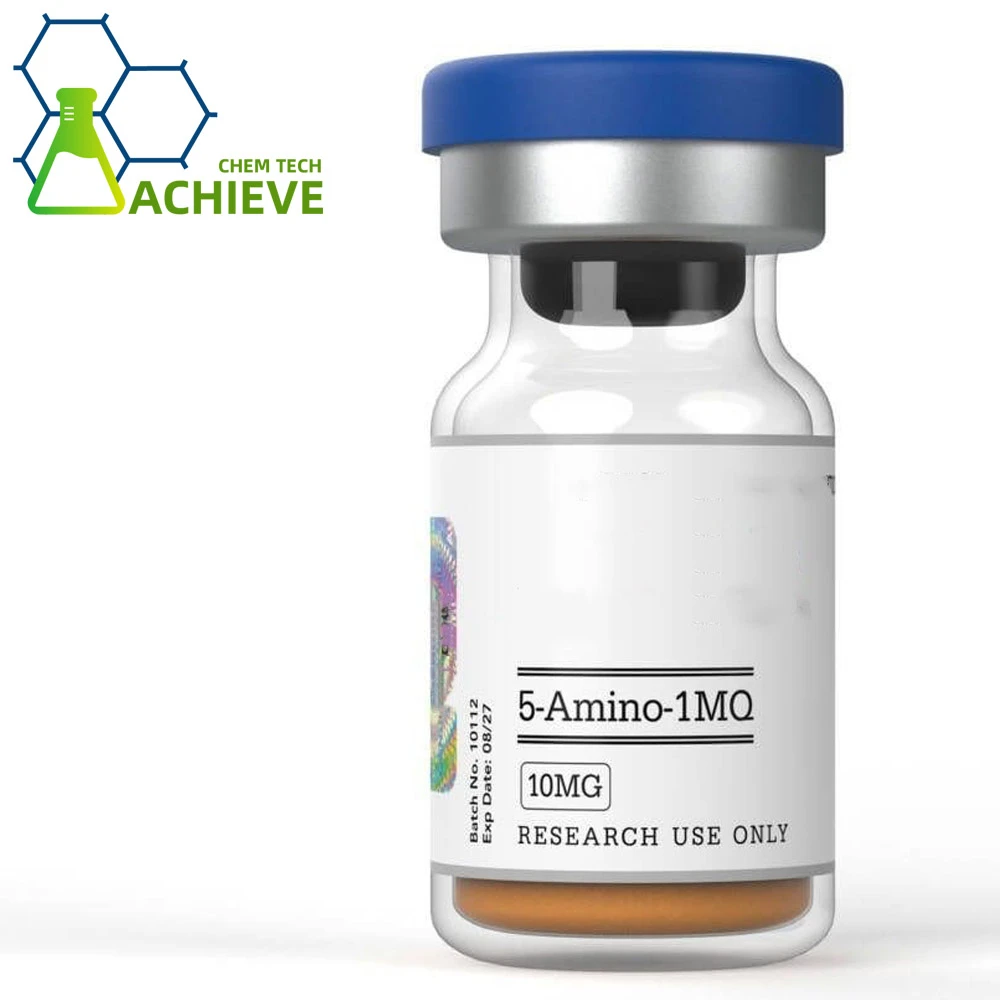
5-Amino-1MQ Peptide Injection
1.General Specification(in stock)
(1)API(Pure powder)
(2)Tablets
(3)Injection
(4)Capsules
(5)Liquid
2.Customization:
We will negotiate individually, OEM/ODM, No brand, for secience researching only.
Internal Code:KP-3-5/002
NNMTi CAS 42464-96-0
Molecular formula: C10H11N2.I
HS code: N/A
Molecular weight: 286.11
Main market: USA, Australia, Brazil, Japan, Germany, Indonesia, UK, New Zealand , Canada etc.
The selective peptide provides new opportunities to study adipose tissue dynamics, cellular fat control and metabolic pathways. Today, this substance is seen as a crucial tool in modern metabolic science, as researchers around the globe are exploring how it impacts body composition characteristics. This peptide in relation to studies of body composition exposes important aspects of the mechanics of obesity, patterns of fat distribution, and energy homeostasis.
How Does 5 Amino 1MQ Peptide Relate to Body Composition Research?
Understanding Body Composition Parameters in Metabolic Studies
Body makeup is the amount of fat, muscle, bone, and water in a body. Researchers measure these parameters using several approaches, such as DEXA (dual-energy X-ray absorptiometry), bioelectrical impedance analysis, and magnetic resonance imaging.
Body composition has been studied in the past with a lot of adjustments in diet, exercise routines, and medicines.


But these technologies are not always precise in determining the particular biochemical processes that lead to fat buildup or muscles staying in place.
The 5 amino 1mq peptide enables investigators to manipulate NNMT activity with increased precision in their investigations.
This allows them to have a better understanding of the metabolic processes that control changes in body composition.
The Role of NNMT in Metabolic Regulation and Body Composition
Nicotinamide N-methyltransferase is a key enzyme in cell metabolism. It is responsible for methylation of nicotinamide using S-adenosylmethionine as a methyl donor.
The activity of this enzyme has a large role in the supply of NAD+ which is a key coenzyme for many metabolic activities. Higher levels of NNMT are associated with increased obesity, insulin resistance, and metabolic issues in animal models and humans.


Excessive activity of NNMT affects the way mitochondria perform, and reduces NAD+ levels in cells, leading to less energy usage and more fat storage.
The 5 amino 1mq peptide is a particular NNMT inhibitor, it reactivates the good metabolic pathways anew, restoring NAD+ levels. This procedure makes the peptide particularly useful to understand the molecular origins of changes in body composition in persons with obesity and metabolic illnesses.
Experimental Models Utilizing 5 Amino 1MQ Peptide for Body Composition Analysis
When using this peptide to study body composition, researchers use a variety of experimental models.
Diet-induced obesity (DIO) mouse models are still the best.In these models, animals are fed high-fat meals to get obese in ways that look like the metabolic syndrome in humans.


By giving this 5 amino 1mq peptide to these models, scientists can very accurately track changes in body weight, fatty tissue mass, and lean body mass. Animal studies are complemented by in vitro studies using 3T3-L1 preadipocytes, which allow a more in-depth look at how adipocytes differentiate, how much fat builds up, and how genes are expressed.
These ways of doing experiments create large datasets that show how blocking NNMT affects body composition at different levels of biology, from cellular processes to phenotypes of whole organisms.

5 Amino 1MQ Peptide Mechanisms in Fat Metabolism and Energy Balance Studies
Cellular Pathways Activated by 5 Amino 1MQ Peptide Treatment
The peptide quickly passes thru cell membranes when given to biological systems because its molecular weight and structure are good. When it gets into cells, it binds to NNMT and stops the enzyme from methylating nicotinamide. This blockage instantly raises the amount of NAD+ inside cells, which sets off a chain of biochemical changes. When NAD+ levels rise, sirtuins, especially SIRT1, become active.SIRT1 is a key driver of metabolic balance.


When SIRT1 is turned on, it improves oxidative metabolism, speeds up fat burning, and makes mitochondrial production better. The peptide treatment also changes gene expression programs that are involved in making and breaking down fat. It does this by decreasing the activity of fat-making genes like fatty acid synthase (FAS) and acetyl-CoA carboxylase (ACC) and increasing the activity of lipolytic enzymes like adipose triglyceride lipase (ATGL) and hormone-sensitive lipase (HSL).
Impact on Adipocyte Differentiation and Proliferation
Adipocyte differentiation is a fundamental mechanism that determines body composition.During adipogenesis, preadipocytes differentiate into adult adipocytes that accumulate fat. This occurs with the expression of transcription factors like PPARγ and C/EBPα in the same cell.
In the course of this differentiating process, researchers found that NNMT expression was increased, suggesting its involvement in adipocyte formation. This growth programme is stopped by treatment with the 5 amino 1mq peptide, which lowers the probability that preadipocytes will become adult adipocytes.


Experiments with cell cultures demonstrated that concentrations about 30 μM inhibit adipogenesis big time, meaning fewer lipid droplets develop and more triglycerides accumulate.
This anti-adipogenic action is associated with increased NAD+ and later SIRT1 activation that inhibits transcriptional activity of fat cell producing factors. These findings make the peptide a useful instrument for comprehending the molecular switches that determine the number of adipocytes formed and the degree of body fat accumulated.
Energy Expenditure and Thermogenic Effects
The peptide does more than just stop fat storage; it also changes how energy is used in metabolic research models.
When NNMT is blocked, NAD+ levels rise, which improves the respiration ability of mitochondria.
This makes them use more oxygen and make more heat. Research on mice has shown that when they are given the substance, their metabolic rates go up without them being more active or eating more. In obesity models, this increased energy expenditure is a big part of what makes them lose weight.


The peptide may also change the function of brown adipose tissue (BAT) and help white adipose tissue turn brown.
This is done by increasing the production of uncoupling protein 1 (UCP1) and making thermogenesis stronger.
Because it raises body temperature, the 5 amino 1mq peptide is very interesting to researchers who are looking into how energy balance works and possible treatments for metabolic disorders.

How Does NNMT Regulation by 5 Amino 1MQ Peptide Affect Adipose Research?
Adipose Tissue Inflammation and Immune Cell Interactions
A lot of research is being done on inflammation in adipose tissue that is linked to obesity, because long-term low-grade inflammation can lead to insulin resistance and metabolic problems.
As obesity gets worse, immune cells, especially macrophages, start to invade fatty tissue. These cells release pro-inflammatory chemicals such as tumor necrosis factor-alpha (TNF-α) and interleukin-6 (IL-6).Researchers have found a link between NNMT expression and inflammatory state in fat tissue.


In experimental obesity models, treatment with the peptide lowers the production of inflammation markers and the number of macrophages that enter the cells.
There are several ways that this anti-inflammatory effect happens, such as SIRT1-mediated inhibition of NF-κB signaling and increased production of anti-inflammatory lipid molecules like palmitic acid hydroxy stearic acid (PAHSA). 5 amino 1mq peptide changes the inflammatory environment, which helps researchers separate metabolic dysfunction caused by inflammation from other pathways linked to fat. This makes it easier to do more accurate mechanistic studies.
Hepatic Lipid Accumulation and Liver-Adipose Tissue Crosstalk
Adipose tissue and the liver have complex metabolic conversations. Non-alcoholic fatty liver disease (NAFLD) is caused by problems with this communication.
When someone is overweight, their body releases too many free fatty acids, which are too much for the liver to handle. This causes fat to build up in liver cells that aren't supposed to have it. When the liver is fatty, NNMT transcript goes up.


This makes hepatic steatosis worse by working in ways similar to those that happen in fat tissue. Giving the 5 amino 1mq peptide to models of diet-induced obesity lowers the amount of triglycerides in the liver, improves the structure of the liver, and returns enzyme levels to normal. These effects happen because NNMT is directly blocked in the liver and adipose tissue function improves, which has an indirect effect. Researchers use this two-way action to look into how organs talk to each other in metabolic diseases and how treatments for one part affect the overall health of the metabolic system.
Insulin Sensitivity and Glucose Metabolism Improvements
Insulin sensitivity and glucose balance are affected by adipose tissue failure in a big way. Adipocytes that are swollen and inflamed release substances that block insulin signaling in muscle, liver, and other tissues, which helps type 2 diabetes develop.
Studies show that treating fat animals with 5 amino 1mq peptide makes their insulin work better, which increases their ability to handle glucose and lowers their fasting blood glucose levels.


These improvements are linked to less inflammation in adipose tissue, fewer free fatty acids in the blood, and better signaling between insulin receptors.
Researchers looking into the links between body makeup, adipose tissue function, and overall metabolic health will find the peptide very useful because it changes the way glucose is used in the body.
These study uses go beyond basic science; they help with translational research that aims to create new ways to treat metabolic diseases.

5 Amino 1MQ Peptide Applications in Body Composition and Metabolic Models
Longitudinal Studies Tracking Body Composition Changes
Temporal dynamics of changes in body composition give us important information about how metabolic interventions work and how they work.
Researchers using the peptide in longitudinal studies usually take multiple measurements using non-invasive imaging methods to keep track of fat mass, lean mass, and the distribution of fat in different areas over treatment periods that last from days to months.


These studies show that 5 amino 1mq peptide causes a gradual loss of fatty tissue mass while keeping or even growing lean body mass. This is different from many common weight-loss methods that cause muscle loss at the same time. One big benefit for metabolic health is keeping lean tissue while losing fat. This is because muscle mass keeps the basal metabolic rate steady and stops weight gain. Longitudinal data also show the order of metabolic gains over time. They show that changes in gene expression and cellular metabolism happen before changes in tissue mass that can be measured.
Combination Intervention Strategies in Research Protocols
In the real world, metabolic treatments often use more than one method to get the best results.
More and more, researchers are looking into how the peptide can work best when combined with changes to a person's food, exercise plans, or other drugs.
Combining NNMT inhibition with caloric restriction leads to more fat loss compared to either intervention alone, which suggests that they work in a way that is either additive or synergistic.


Studies on exercise combinations show that they improve muscle function, increase endurance, and speed up metabolic improvements.
These multi-modal study methods produce data that is more useful for human health interventions and better reflect clinical situations. Because the 5 amino 1mq peptide can be used in a variety of experimental methods, it is a useful research tool for metabolic scientists who are looking for the best ways to treat obesity and related diseases.
Age-Related Body Composition Changes and Metabolic Decline
Aging is linked to changes in body composition that are not good, such as more visceral fat, less muscle mass (sarcopenia), and slower metabolic function. NNMT expression tends to rise with age in a number of tissues, which may contribute to the metabolic decline that comes with getting older. Researchers have found that the peptide can partially reverse changes in body makeup that come with getting older. For example, it can stop visceral fat from building up and improve the strength of muscles.


These results show that blocking NNMT may help with several metabolic problems that come with getting older at the same time. Researchers are also looking into whether early treatment with 5 amino 1mq peptide can stop the loss of body composition that comes with getting older. They are doing this to find out how useful the compound could be in studying longevity and healthspan. In this area of application, research on body composition is linked to larger studies of aging biology and metabolic health across the lifespan.

Exploring the Connection Between 5 Amino 1MQ Peptide and Cellular Fat Regulation
Transcriptional Regulation of Lipid Metabolism Genes
The ability of cells to handle fat and the body's general shape are controlled by gene expression programs that rule lipid metabolism. The peptide changes these programs thru NAD+-dependent ways, mostly by turning on sirtuin.
SIRT1 controls many transcription factors that are involved in the metabolism of lipids, such as PPARγ, SREBP-1c, and FoxO1. By changing these factors, 5 amino 1mq peptide treatment changes the metabolism of cells so that they burn fat instead of storing it.


To make a picture of all the changes in gene expression that happen after peptide treatment, researchers use transcriptomic methods such as RNA sequencing and quantitative PCR.
These studies show that oxidative metabolism genes are turned on and lipogenic pathways are turned off at the same time. This creates a molecular profile that is linked to better metabolic health.
Researchers can find more treatment targets and signals for metabolic interventions by understanding these changes in transcription.
Mitochondrial Function and Oxidative Metabolism Enhancement
Oxidizing fatty acids and glucose to make ATP makes mitochondria the powerhouses of cells.
Obesity and metabolic diseases are made worse by mitochondrial dysfunction, which is marked by lower oxidative capacity and higher production of reactive oxygen species. NAD+ is an important ingredient for mitochondrial respiration, and NNMT breaks it down, which makes mitochondrial performance worse.


When the peptide is applied, it makes NAD+ available again, which improves the breathing capacity of mitochondria and encourages the oxidation of fatty acids. Researchers have found that giving the 5 amino 1mq peptide increases the expression of markers for mitochondrial biogenesis, improves the function of the respiratory chain, and raises the activity of oxidative enzymes. These improvements to the mitochondria lead to higher cellular energy expenditure and lower lipid accumulation. These are some of the main ways that blocking NNMT leads to positive changes in body composition.
Adipokine Secretion Patterns and Endocrine Functions
Adipose tissue is an active endocrine structure that releases many hormones and cytokines, which are grouped together and called adipokines. These things have an effect on inflammation, insulin sensitivity, and the body's overall metabolism. Adipokine release patterns change when a person is overweight. Usually, pro-inflammatory adipokines rise while helpful factors like adiponectin drop. Researchers have found that treating adipokine profiles with 5 amino 1mq peptide lowers levels of leptin and resistin while keeping or increasing the release of adiponectin.


These changes show that adipocytes are working better and there is less inflammatory stress.
Studies that look at how adipokine changes after peptide treatment help us understand how changes in local adipose tissue lead to improvements in metabolism throughout the body.
This area of study ties together processes that happen at the cellular level with physiological results that happen throughout the body. This shows how the peptide has many different effects on metabolic health.
Conclusion
The 5 amino 1mq peptide has become a very useful tool for studying body makeup, fat metabolism, and metabolic health. This drug selectively blocks NNMT, which lets researchers precisely change NAD+-dependent metabolic pathways. This gives them a new way to look into how fat accumulation, energy balance, and metabolic problems work.

The peptide makes it easier to study metabolic processes at a wide range of biological sizes, from the level of individual cells studying how adipocytes differentiate to the level of studying how body composition changes in whole animals. It can be used to study obesity, the aging process, metabolic diseases, and the development of new ways to treat them. This makes it an essential tool for modern metabolic science. As more research is done on the complicated links between NNMT activity, body composition, and overall health, this peptide will remain an important part of learning more about how metabolism works and coming up with new ways to treat metabolic disorders.
FAQ
Q: What distinguishes 5 amino 1mq peptide from other metabolic research tools?
A: The 5 amino 1mq peptide is very selective for NNMT, going straight for an enzyme that is involved in the breakdown of NAD+. Unlike broad-spectrum interventions, it lets researchers focus on NNMT-related pathways while minimizing effects that aren't intended, giving them a better understanding of how body composition is controlled.
Q: How quickly do body composition changes occur in research models treated with this peptide?
A: Gene expression changes can usually be seen within days in research models, and changes in body makeup can be seen after one to two weeks of treatment. After 4 weeks of constant administration according to normal methods, there are clear decreases in adipose tissue mass and improvements in metabolic indices.
Q: Can the peptide be used in combination with other research compounds?
A: Research shows that it works very well with many different types of treatments, such as changing your food, following an exercise plan, and using extra drugs. Combining these methods often leads to effects that work better together, which makes the peptide useful for multi-modal study plans that look into complex metabolic interventions.
Partner with BLOOM TECH as Your Trusted 5 Amino 1MQ Peptide Supplier
Do you make progress in body composition studies or come up with new ways to look at metabolism? BLOOM TECH is a trustworthy company that can provide you with 5 amino 1mq peptides. They sell research-grade chemicals that are very pure (>98%) and come with full analytical paperwork. Our GMP-certified facilities (US-FDA, EU-GMP, and PMDA approved) make sure that the quality of every batch is the same. This means that you can trust the materials we provide for your important study. We have a professional R&D team and more than 12 years of experience in organic synthesis, so we can help you with all of your research needs.

Our clear prices, accurate lead times, and committed one-on-one service take away the guesswork from research buying. Our solutions are flexible enough to fit the size of your project, whether you need small amounts for basic studies or a lot of supplies for large research projects. Join the 24 top international pharmaceutical and research companies that trust BLOOM TECH to meet their needs for specialized compounds. Contact our knowledgeable staff at sales@kpeptide.com right away to talk about your 5 amino 1mq peptide needs and find out how our dedication to quality and excellence in the supply chain can help you make faster progress in your metabolic research.
References
1. Komatsu M, Kanda T, Urai H, et al. NNMT activation can contribute to the development of fatty liver disease by modulating the NAD+ metabolism. Scientific Reports. 2018;8(1):8637.
2. Kraus D, Yang Q, Kong D, et al. Nicotinamide N-methyltransferase knockdown protects against diet-induced obesity. Nature. 2014;508(7495):258-262.
3. Ulanovskaya OA, Zuhl AM, Cravatt BF. NNMT promotes epigenetic remodeling in cancer by creating a metabolic methylation sink. Nature Chemical Biology. 2013;9(5):300-306.
4. Hong S, Moreno-Navarrete JM, Wei X, et al. Nicotinamide N-methyltransferase regulates hepatic nutrient metabolism through Sirt1 protein stabilization. Nature Medicine. 2015;21(8):887-894.
5. Neelakantan H, Vance V, Wetzel MD, et al. Selective and membrane-permeable small molecule inhibitors of nicotinamide N-methyltransferase reverse high fat diet-induced obesity in mice. Biochemical Pharmacology. 2018;147:141-152.
6. Gardell SJ, Hopf M, Khan A, et al. Boosting NAD+ with a small molecule that activates NAMPT. Nature Communications. 2019;10(1):3241.