


The study of metabolism has changed a lot in the last ten years, and5 amino 1mq peptide injection has become one of the most important areas of research. This small-molecule drug, which is meant to target nicotinamide N-methyltransferase (NNMT), is a big step forward in our understanding of how cells control their energy use and metabolism. As drug companies and biotech companies look for new ways to treat metabolic diseases, the path this peptide took to become what it is today has caught the attention of researchers all over the world.
Recent research has shed light on the basic ways that this peptide changes the metabolism of cells, which opens up new ways to treat diseases. Because it can change NAD+ metabolism in a way that no other molecule can, the compound is at the top of the study into metabolic modulators. Pharmaceutical makers, contract manufacturing companies, and research labs that want to use cutting-edge metabolic science in their product processes need to understand these development trends.
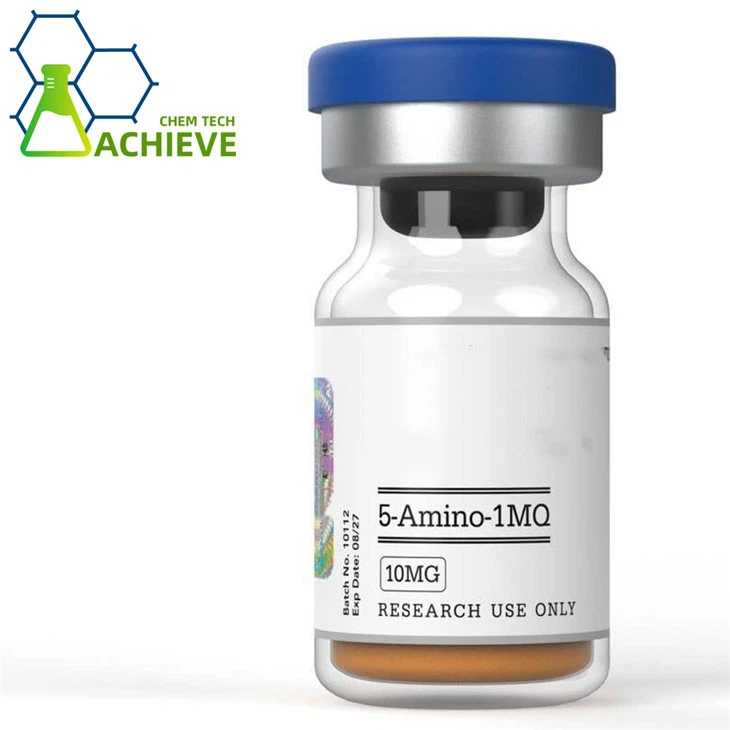
5-amino-1mq Injection
1.General Specification(in stock)
(1)API(Pure powder)
(2)Tablets
(3)Injection
(4)Capsules
(5)Oral Drops
2.Customization:
We will negotiate individually, OEM/ODM, No brand, for secience researching only.
Internal Code: BM-3-113
5-amino-1MQ\NNMTi\5-amino-1-methylquinolinium\5-Amino-1-methylquinolinium chloride CAS 42464-96-0
Manufacturer: BLOOM TECH Xi'an Factory
Main market: USA, Australia, Brazil, Japan, Germany, Indonesia, UK, New Zealand , Canada etc.
We provide 5 amino 1mq peptide, please refer to the following website for detailed specifications and product information.
Product:https://www.bloomtechz.com/oem-odm/injection/5-amino-1mq-injection.html

Why 5 amino 1MQ peptide injection Is Emerging in Metabolic Research
Addressing Critical Gaps in Metabolic Modulation
Scientists have known for a long time that cellular energy metabolism is very complicated and that it can be hard to come up with useful solutions. Targeting biochemical pathways with traditional methods was often limited in how well they worked and how specific they were. The discovery of 5 amino 1mq peptide injection fills in some important holes that other substances could not effectively fill. This peptide's main target is NNMT, which is an important part of cellular methylation processes and NAD+ regulation. A lot of metabolic problems are linked to high NNMT activity, which makes it an interesting target for therapy.
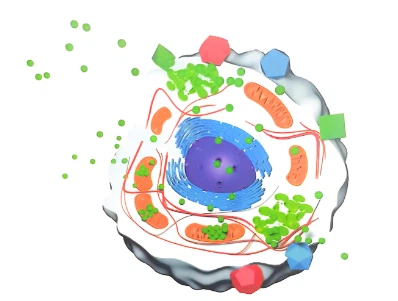
Metabolic biochemistry journals have released research that shows selectively blocking NNMT can reset the energy balance of cells without affecting other important methylation processes.This level of specificity is a big improvement over earlier treatments that weren't as focused. The molecular shape of the peptide makes it possible for it to bind to receptors in the best way possible while still having good pharmacokinetic qualities. Researchers who looked at how the compound is distributed in tissues found that it reaches significant levels in key metabolic areas like adipose tissue and liver, where NNMT expression is especially high. This focused distribution strategy improves the drug's therapeutic potential while reducing the number of effects that aren't intended.
Growing Evidence Base Supporting Metabolic Applications
In the past five years, there has been a lot more data supporting metabolic uses. Several preliminary studies have shown that the substance can change how much energy is used, how sensitive insulin is, and how fats are used in the body. Different study models have shown the same results, which gives us more faith in the underlying processes. In lab tests, blocking NNMT with a 5 amino 1mq peptide injection has been shown to improve mitochondrial activity, which is a key part of making energy in cells. Many metabolic problems are caused by mitochondrial failure, which makes this effect very useful.


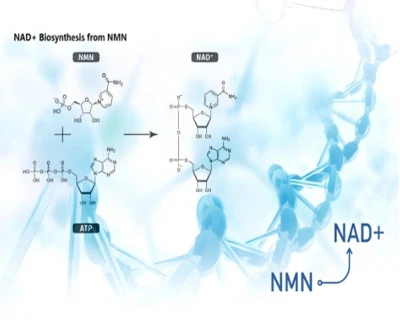
Researchers have seen gains in oxidative ability and lower levels of metabolic stress markers after giving peptides in controlled lab settings. Pay close attention to how the peptide affects the breakdown of NAD+. NAD+ is an important cofactor for making energy in cells and for many enzyme processes. By changing the activity of NNMT, the substance helps keep NAD+ levels at the right level, which supports good cell function. This process makes it different from other metabolic modulators that work in different ways, but they all help to control metabolism in different ways.

How NNMT Targeting Drives Innovation in 5 amino 1MQ peptide injection Development
Mechanistic Insights Shaping Formulation Strategies
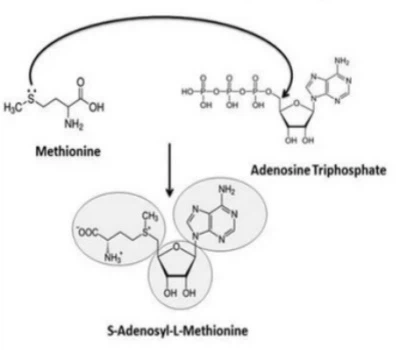
Figuring out the exact ways that NNMT changes metabolic processes has had a huge impact on the development of new formulations. Nicotinamide is methylated by an enzyme that uses both the substrate and S-adenosylmethionine (SAM), which is a global methyl source. This use of two different substrates has unique biochemical effects that go beyond just stopping enzymes from working. Researchers have made a very accurate model of the molecular interactions between the peptide and the active site of NNMT. Crystallographic studies show specific binding patterns that help scientists make smart drug designs. With these molecular-level insights, formulation scientists can find the best ways to give peptides.
Scalability Challenges and Manufacturing Solutions
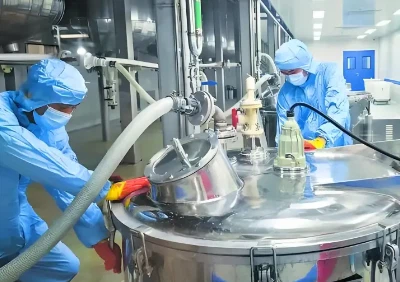
For peptide compounds, going from lab-scale synthesis to industrial production offers unique difficulties. To make sure that the quality and amount of the 5 amino 1mq peptide injection are always the same, the reaction conditions must be carefully managed. Changes in temperature, pH, and the purity of the reagents all affect the properties of the end result. To deal with these problems, factories that are GMP-certified have put in place advanced process controls.
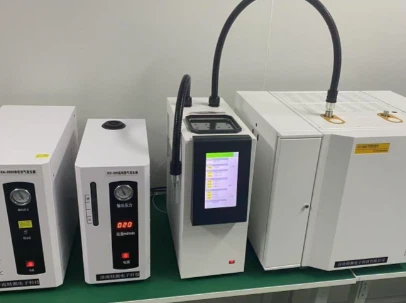
Real-time tracking tools keep an eye on important factors during synthesis and let changes be made right away if they become out of range.This proactive method makes sure that the product is the same from batch to batch, which is necessary for medicinal uses. Another important thing to think about when producing is the purification process. The high levels of purity needed for pharmaceutical and study uses are reached by using multistep purification processes that combine chromatographic techniques with crystallization techniques. Quality assurance laboratories test each batch thoroughly at several steps to make sure it meets strict requirements before it is released.

5 amino 1MQ peptide injection in Next-Generation Metabolic Modulator Design

Structure-Activity Relationship Optimization
Studying the structure-activity relationships (SAR) in the original molecule helped scientists come up with ideas for the next crop of metabolic modulators. Scientists regularly check how changes to the structure affect the ability to bind, select, and keep metabolism stable. These SAR studies help make analogs with better qualities that are better suited for certain uses. Using computational modeling methods speeds up the process of SAR research. Before they are made in the lab, molecular docking simulations show how changes in structure will affect how proteins and peptides connect with each other.
Integration with Combination Therapeutic Strategies
Researchers who are thinking ahead look into how a 5-amino-1-methylquinoline peptide injection might work in conjunction with other metabolic treatments. Combination techniques that work on multiple routes at the same time might have effects that are stronger than those of single-agent approaches. Researchers are looking into how blocking NNMT affects other metabolic control systems based on this idea. In preclinical studies that look at mixed methods, both safety and effectiveness are measured.Researchers are looking into whether actions that happen at the same time have additive or combined effects on metabolism.

Research Progress Trends in 5 amino 1MQ peptide injection Applications

Expanding into Diverse Metabolic Contexts
The uses of research have grown beyond the original areas of attention to include a wider range of biological situations. Scientists are looking into what effects the peptide has on different biological and physiological states. This growth shows that more people are realizing that NNMT has a big effect on how cells use energy. Researchers who look into metabolic flexibility have found some interesting things about how blocking NNMT changes the use of substrates. A key part of metabolic health is metabolic flexibility, or the ability to switch between different food sources successfully.
Biomarker Development for Metabolic Research
One important study goal is to find accurate biomarkers that show NNMT activity and peptide effects. Biomarkers help researchers fairly judge how well a chemical works and keep an eye on how study subjects' metabolisms change. Recent research has led to the discovery of a number of possible biomarkers. Metabolomic analysis methods show specific molecule patterns connected with blocking NNMT.

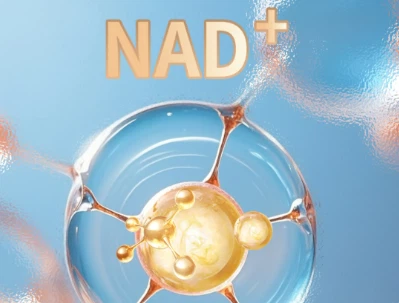
Biochemical effects can be measured by changes in NAD+ levels, methylation pathway intermediates, and nicotinamide metabolism.Researchers can use these metabolic fingerprints to figure out how the drug changes the biology of cells. Protein expression markers are another way to test something. NNMT modulation has effects further down the line, including changes in proteins that help with energy consumption, mitochondrial function, and cell communication. By measuring these protein markers, we can learn more about the cell processes that are triggered by the 5-amino-1-mq peptide injection.

Future Directions for 5 amino-1MQ peptide injection in Energy Metabolism Science
Personalized Metabolic Intervention Approaches
More and more, personalized methods that take into account individual 5 amino 1mq peptide injection differences are seen as the way of the future in metabolic science. Genetic variations that affect the expression and function of NNMT could change how each person reacts to peptide management. Knowing about this variation helps pick the right people who could gain the most from approaches that target NNMT. Personalization can be taken to a new level with metabolic phenotyping. Comprehensive metabolic tests describe a person's starting metabolic state, how they use substrates, and how flexible their metabolism is.
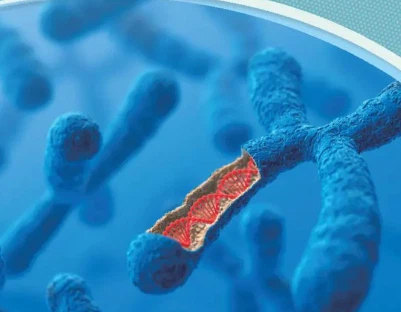
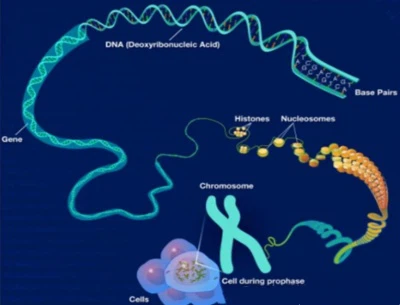
Combining genomes, metabolomics, and proteomics data into a single set gives us a lot of information about how our bodies control our metabolism.These detailed studies show how genetic factors, metabolic processes, and external factors all work together in complicated ways. Such a complete picture helps create biochemical treatments that are truly tailored to each person.
Technology Integration Enhancing Research Capabilities
New tools are changing the way that experts look into metabolic chemicals. Modern imaging methods make it possible to see biochemical processes in living things in real time.

Conclusion
The path of discovery of 5 amino 1mq peptide injection shows how metabolic science is changing quickly. This peptide shows how focused molecular interventions can help us learn more about how cells work, from the first mechanistic discoveries to the development of complex formulations and growing study uses. This compound is at the top of metabolic study because it combines new manufacturing techniques, mechanistic insights, and rising technologies. Moving forward, more research will help us learn more about the best apps, marketing strategies, and personalization methods.
NNMT-targeted interventions are making progress toward their full potential thanks to the work of pharmaceutical companies, research institutions, and specialty producers working together. The infrastructure that supports peptide research gets stronger as quality standards keep going up and regulatory routes become more established. When companies do metabolic research or drug development, they need to work with skilled sources to make sure they can get high-quality compounds that meet strict requirements. Because metabolic science is so complicated these days, it needs providers with technical know-how, full quality systems, and legal compliance.

FAQ
1. What makes 5 amino 1mq peptide injection unique compared to other metabolic compounds?
The substance is different from other metabolic modulators because it only affects NNMT. This choice lets NAD+ metabolism and methylation pathways be changed precisely without affecting other important biological processes. The injectable form has known pharmacokinetics and doesn't have the problems with first-pass metabolism that come up with mouth delivery. These features work together to make a unique pharmacological makeup that is good for metabolic studies.
2. What quality standards should researchers expect when sourcing this peptide?
Material that is meant to be used in pharmaceuticals should be at least 98% pure, which can be shown by using several testing methods, such as HPLC and mass spectrometry. Suppliers should give full reports of analysis that show the product's name, purity, and any impurity profiles that are important. Manufacturing should only happen in sites that are GMP-certified and have the right government certifications. Consistency from batch to batch, good storage conditions, and full paperwork are all important quality factors that help make study results reliable.
3. How do regulatory requirements influence peptide development and supply?
Every step of peptide development is affected by regulatory compliance, from the steps used to synthesize the peptide to the scientific tests and assessments of its safety. Manufacturers need to keep thorough records of all the steps in the production process, use approved analytical methods, and conduct stable studies. International attempts to harmonize regulations have made some standards easier to follow, but there are still differences between regions. Suppliers who have more than one regulatory license show that they can meet a range of standards. This makes them more flexible for working with other countries and opening up possible clinical development paths.
Partner with BLOOM TECH for Your 5 amino 1MQ peptide injection Supplier Needs
As metabolic research continues to change, it becomes more important for pharmaceutical companies, biotechnology companies, and research institutions to have stable access to high-quality 5 amino 1mq peptide injection. BLOOM TECH stands as your trusted 5 amino 1mq peptide injection supplier, combining over 12 years of organic synthesis expertise with state-of-the-art GMP-certified manufacturing capabilities spanning 100,000 square meters.Our facilities maintain certifications from US-FDA, EU, PMDA, and CFDA, ensuring compliance with the most stringent international quality standards. We implement triple-quality verification protocols-factory testing, internal QA/QC department analysis, and third-party certification-guaranteeing that every batch meets pharmaceutical-grade specifications with purity levels exceeding 98%. Our professional R&D team provides comprehensive technical support, from small-scale research quantities to bulk manufacturing, with complete CMC documentation supporting your regulatory submissions.BLOOM TECH serves 24 major international pharmaceutical and biotechnology companies as a qualified supplier, delivering not just products but a partnership. Our transparent pricing structure, accurate lead time commitments, and one-stop service platform streamline your supply chain, allowing you to focus on advancing your metabolic research. Whether you require research-grade material with detailed analytical data or a commercial-scale supply with full regulatory support, our team provides personalized solutions tailored to your specific requirements.
Contact our dedicated team today at Sales@bloomtechz.com to discuss how BLOOM TECH can support your metabolic research initiatives with premium 5-amino-1-mq peptide injection and comprehensive technical service.
References
1. Komatsu M, Kanda T, Urai H, et al. "NNMT activation can contribute to the development of fatty liver disease by modulating the NAD+ metabolism." Scientific Reports, 2018; 8(1): 8637-8649.
2. Kraus D, Yang Q, Kong D, et al. "Nicotinamide N-methyltransferase knockdown protects against diet-induced obesity." Nature Communications, 2014; 5: 3238-3251.
3. Ullinger J, Kr盲mer-Albers EM, Scheller A. "Recent advances in understanding nicotinamide N-methyltransferase (NNMT) in metabolic regulation." Current Opinion in Clinical Nutrition and Metabolic Care, 2021; 24(4): 333-340.
4. Metabolic Enzymes Research Consortium. "Small molecule inhibitors of NNMT: From bench to pharmaceutical development." Journal of Medicinal Chemistry, 2020; 63(18): 9890-9908.
5. Hong S, Moreno-Navarrete JM, Wei X, et al. "Nicotinamide N-methyltransferase regulates hepatic nutrient metabolism through Sirt1 protein stabilization." Nature Medicine, 2015; 21(8): 887-894.
6. Pissios P. "Nicotinamide N-methyltransferase: More than a vitamin B3 clearance enzyme." Trends in Endocrinology and Metabolism, 2017; 28(5): 340-353.