




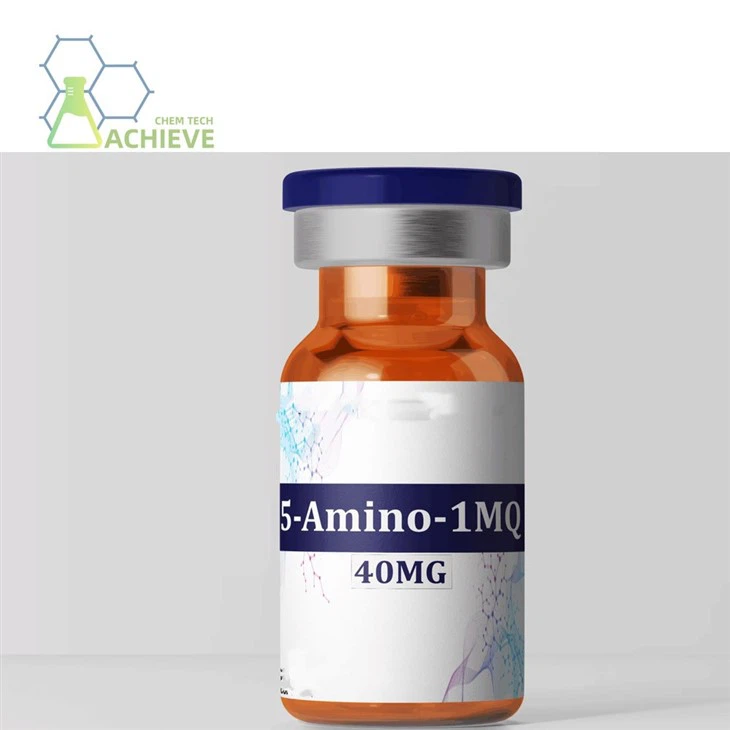


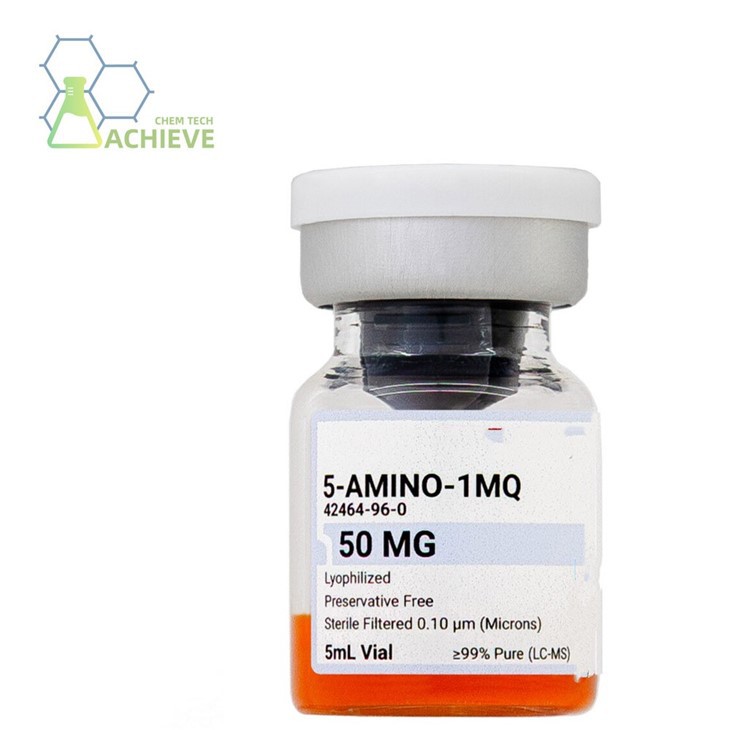
Shaanxi BLOOM Tech Co., Ltd. is one of the most experienced manufacturers and suppliers of 5-amino-1mq injection in China. Welcome to wholesale bulk high quality 5-amino-1mq injection for sale here from our factory. Good service and reasonable price are available.
5‑amino‑1mq injection(5-Amino-1-methylquinolinium chloride) is an injectable small‑molecule formulation with a core mechanism of highly selective NNMT inhibition. It focuses on cellular metabolic regulation and energy remodeling, and differs from conventional metabolic regulators by featuring a defined target and stable efficacy.By specifically inhibiting nicotinamide N‑methyltransferase (NNMT), this product blocks excessive NAD+ consumption, increases intracellular NAD+ levels, enhances mitochondrial function and fatty acid oxidation efficiency, and improves glucose metabolism and insulin sensitivity.
Our Products Form
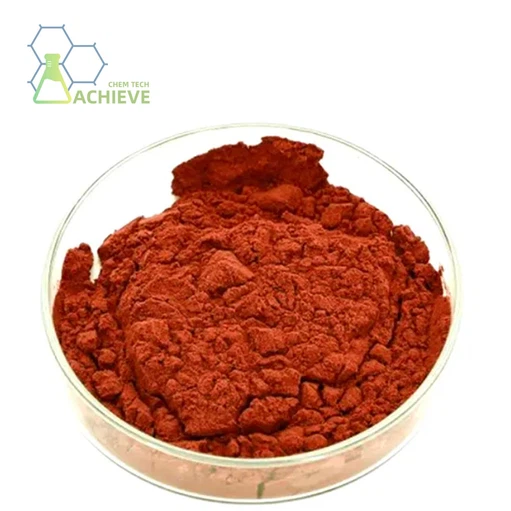
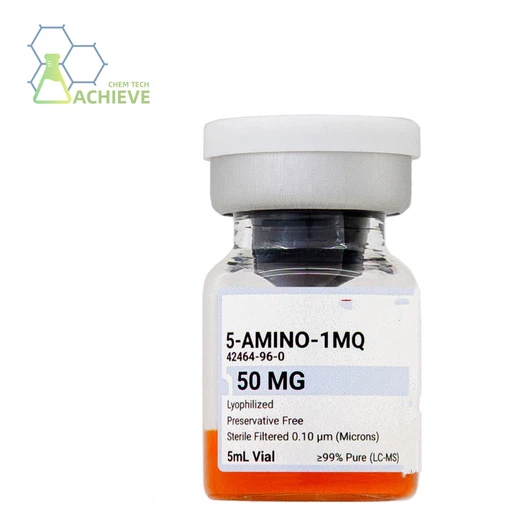
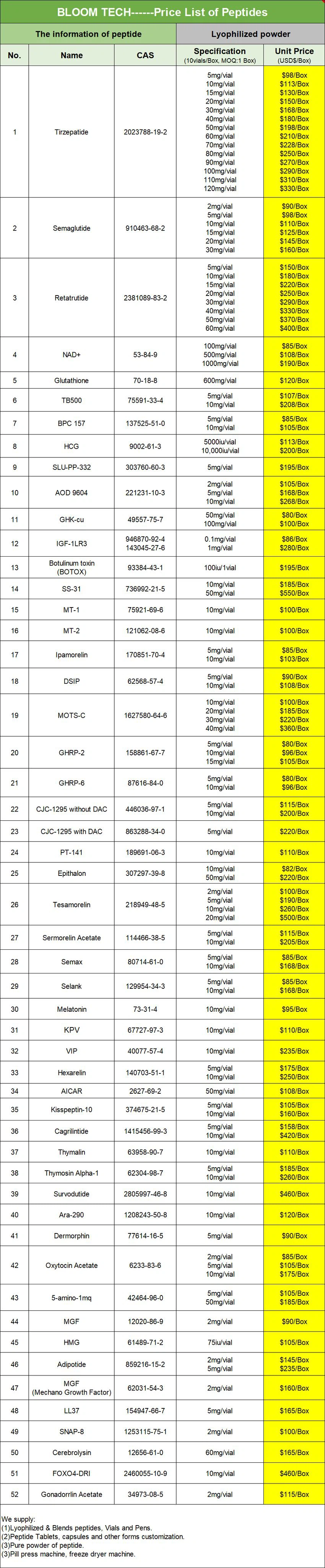
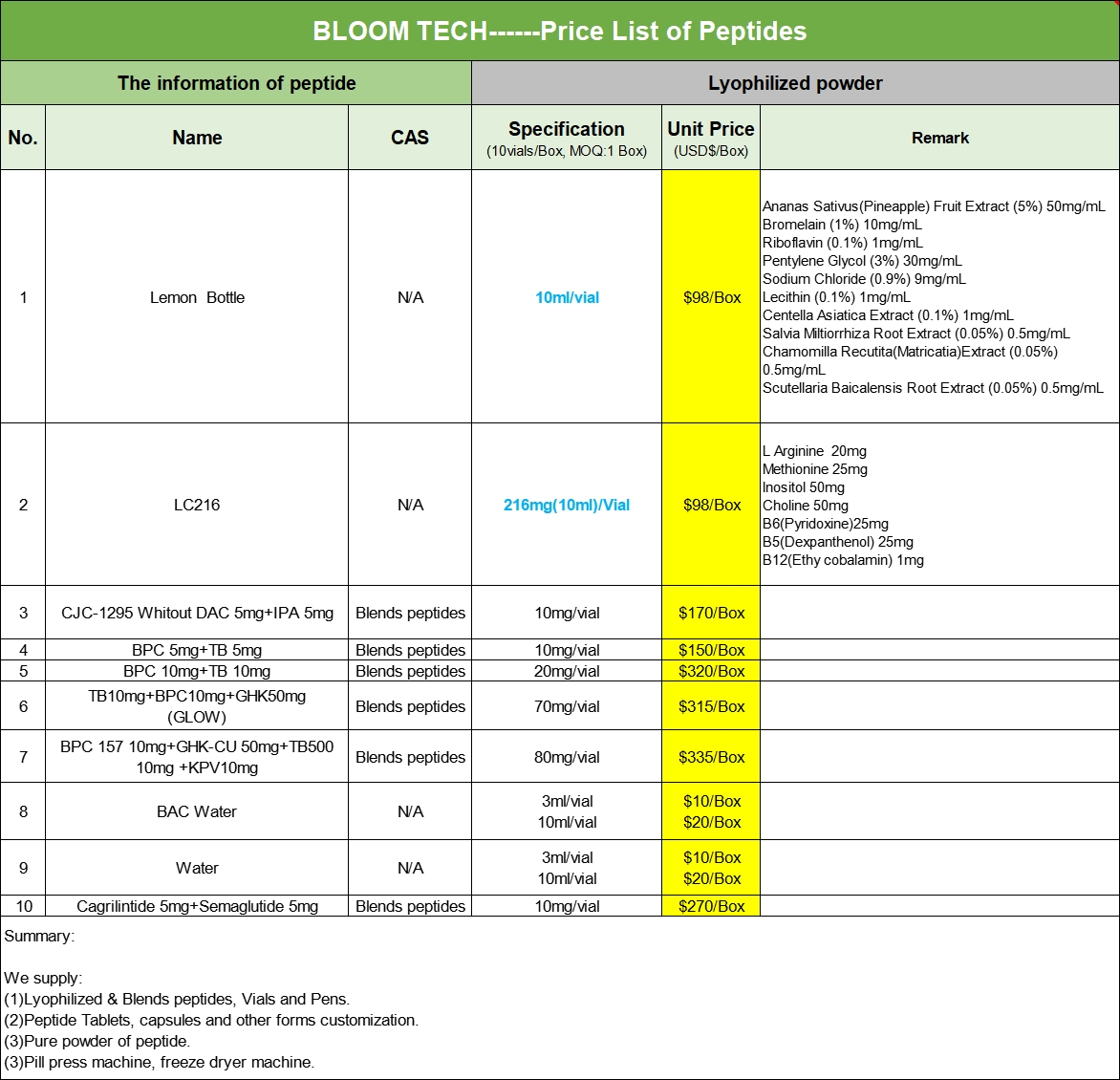

5-amino-1MQ COA
 |
||
| Certificate of Analysis | ||
| Compound name | 5-amino-1MQ | |
| Grade | Pharmaceutical grade | |
| CAS No. | 42464-96-0 | |
| Quantity | 46g | |
| Packaging standard | PE bag+Al foil bag | |
| Manufacturer | Shaanxi BLOOM TECH Co., Ltd | |
| Lot No. | 202601090056 | |
| MFG | Jan 9th 2026 | |
| EXP | Jan 8th 2029 | |
| Structure |
|
|
| Item | Enterprise standard | Analysis result |
| Appearance | White or almost white powder | Conformed |
| Water content | ≤5.0% | 0.74% |
| Loss on drying | ≤1.0% | 0.19% |
| Heavy Metals | Pb≤0.5ppm | N.D. |
| As≤0.5ppm | N.D. | |
| Hg≤0.5ppm | N.D. | |
| Cd≤0.5ppm | N.D. | |
| Purity (HPLC) | ≥99.0% | 99.80% |
| Single impurity | <0.8% | 0.55% |
| Total microbial count | ≤750cfu/g | 127 |
| E. Coli | ≤2MPN/g | N.D. |
| Salmonella | N.D. | N.D. |
| Ethanol (by GC) | ≤5000ppm | 634ppm |
| Storage | Store in a sealed, dark, and dry place below -20°C | |
|
|
||
|
|
||


| Chemical Formula | C10H11N2.I | |
| Exact Mass | 286.00 | |
| Molecular Weight | 286.12 | |
| m/z | 286.00(100.0%), 287.00(10.8%) | |
| Elemental Analysis | C,41.98; H,3.88; I,44.35; N,9.79 | |

I. Analysis of Core Mechanism of Action

To clarify the application value of 5‑amino‑1mq injection in metabolic research, it is first necessary to understand its core mechanism-the inhibition of NNMT, which affects the nicotinamide metabolic pathway, regulates NAD+ biosynthesis, and ultimately maintains metabolic homeostasis.
NNMT is a metabolic enzyme widely distributed in the cytoplasm of human cells. Its core physiological function is to catalyze the methylation of nicotinamide (NAM, a key precursor for NAD+ synthesis) with S‑adenosylmethionine (SAM) to produce 1‑methylnicotinamide (1‑MNA). This reaction consumes large amounts of NAM and SAM simultaneously. Excessive NAM depletion directly reduces the substrate supply for NAD+ synthesis, leading to decreased intracellular NAD+ levels.
As a critical molecule in cellular energy metabolism and DNA repair, insufficient NAD+ directly triggers a series of metabolic abnormalities, including impaired mitochondrial function, reduced energy metabolism efficiency, and weakened DNA repair capacity. This is one of the core pathological mechanisms underlying obesity, diabetes, and other metabolic diseases.


As a derivative of methylquinolinium (MQ), 5-amino-1-methylquinolinium exhibits excellent cell membrane permeability and biocompatibility. Administered subcutaneously, its injectable form is rapidly absorbed and distributed to metabolically active tissues, where it specifically binds and inhibits NNMT catalytic activity without interfering with other enzymes in the nicotinamide pathway or NAD+ synthesis. This reduces potential confounding factors in research and provides a highly specific tool for metabolic studies.
By precisely inhibiting NNMT, 5‑amino‑1mq injection exerts dual metabolic regulatory effects:
1. It reduces methylation‑driven consumption of NAM, increases substrate availability for NAD+ synthesis, and promotes NAD+ biosynthesis to elevate intracellular NAD+ levels.
2. It reduces SAM consumption, preserves its function as a methyl donor for epigenetic regulation, and further optimizes cellular metabolic efficiency.
Notably, increased NAD+ levels also activate NAD+‑dependent signaling pathways such as sirtuins (SIRT1/SIRT3), further enhancing mitochondrial biogenesis and energy metabolism. This forms a complete regulatory cascade:NNMT inhibition → NAD+ elevation → metabolic optimization
This unique mechanism makes 5-amino-1-methylquinolinium injection a critical tool linking NNMT activity, nicotinamide metabolism, and systemic metabolic homeostasis, providing direct experimental support for exploring NNMT's role in energy metabolism.
II. Application in Studies of NNMT‑Related Energy Metabolism Mechanisms
Given its core advantage of selectively inhibiting NNMT and regulating NAD+ synthesis, 5-amino-1-methylquinolinium injection serves as a foundational tool for investigating the role of NNMT in energy metabolism and dissecting the molecular pathways of metabolic disorders.
In in vitro cell experiments, it is widely used to verify the relationship between NNMT activity and cellular energy metabolism. By treating metabolically active adipocytes and hepatocytes with 5-amino-1-methylquinolinium, researchers can precisely inhibit intracellular NNMT activity, monitor changes in the nicotinamide pathway and NAD+ levels, and analyze effects on energy metabolism.


Studies show that NNMT inhibition by 5-amino-1-methylquinolinium significantly reduces nicotinamide metabolism, increases NAM accumulation, improves NAD+ synthesis efficiency by over 30%, and markedly increases mitochondrial ATP production and cellular energy metabolism. These results directly confirm that excessive NNMT activation suppresses NAD+ synthesis and impairs energy metabolism, while NNMT inhibition effectively reverses this process, establishing NNMT as a negative regulator of energy metabolism.
Gradient‑dose 5-amino-1-methylquinolinium treatment further enables investigation of dose–response relationships between NNMT inhibition, NAD+ levels, and metabolic efficiency, improving mechanistic understanding and supporting target‑based research for metabolic diseases.
In animal model studies, the product is used to explore NNMT‑mediated regulation of whole‑body energy metabolism. Subcutaneous administration in normal and metabolically dysregulated mice significantly inhibits NNMT activity in metabolically active tissues (adipose, liver, muscle), increases systemic NAD+ levels, enhances mitochondrial function, and improves energy metabolism.


Treated mice show a 15%–20% increase in basal metabolic rate and elevated energy expenditure, with effects positively correlated with NNMT inhibition. Combined use of NNMT gene knockout and the product confirms causality:NNMT inhibition → enhanced NAD+ synthesis → improved energy metabolism
This provides a complete experimental evidence chain for NNMT's regulatory role. To date, it has become a core tool for studying NNMT in energy metabolism and advancing related research fields.
IV. Application in Studies of Glucose Metabolism Disorders and Diabetes
Glucose metabolism disorder is a hallmark of diabetes, insulin resistance, and related metabolic diseases. High NNMT expression is closely associated with glucose dysregulation: excessive NNMT activation disrupts nicotinamide metabolism, lowers NAD+ levels, impairs insulin signaling, reduces cellular glucose uptake and utilization, and promotes hyperglycemia and insulin resistance.
By precisely inhibiting NNMT, regulating the nicotinamide pathway, and maintaining NAD+ homeostasis, 5‑amino‑1mq injection plays an important role in research on glucose metabolism disorders and diabetes, particularly in insulin resistance mechanisms, glucose control validation, and diabetes complications.


In insulin resistance research, 5-amino-1-methylquinolinium injection is used to verify the relationship between NNMT and insulin resistance. In mouse models of insulin resistance, it significantly inhibits NNMT activity in liver and muscle, reduces NAM methylation, increases intracellular NAD+, activates the SIRT1 pathway, promotes phosphorylation of insulin receptor substrate 1 (IRS‑1), enhances insulin signaling, improves insulin sensitivity, and increases glucose uptake and utilization. This reduces fasting and postprandial blood glucose and reverses insulin resistance.
5-amino-1-methylquinolinium injection also upregulates GLUT4 (glucose transporter 4) expression, promoting glucose transport into adipose and muscle cells and reducing blood glucose accumulation. GLUT4 upregulation depends on stable NAD+ levels, further supporting the core mechanism of nicotinamide metabolism and NAD+ elevation.
In diabetes research, it is used to investigate the pathogenesis of type 2 diabetes and validate potential therapeutic effects. Type 2 diabetes is driven by insulin resistance and pancreatic β‑cell dysfunction. High NNMT exacerbates β‑cell oxidative stress and apoptosis, worsening disease progression.


Studies show that 5-amino-1-methylquinolinium injection inhibits NNMT, normalizes nicotinamide metabolism, elevates NAD+, reduces oxidative stress in β‑cells, suppresses apoptosis, preserves β‑cell function, and promotes insulin secretion, supporting long‑term glycemic control.
In mouse models of type 2 diabetes induced by a high‑fat diet and streptozotocin, 4 weeks of 5‑amino‑1mq injection reduced fasting blood glucose by 25%–30%, increased insulin secretion by over 20%, and significantly decreased β‑cell apoptosis.
Although research remains at the preclinical animal stage, the product has become an important tool for dissecting glucose metabolism disorders and diabetes and developing novel hypoglycemic agents, with its key advantage lying in nicotinamide pathway regulation and NAD+ stabilization.
V. Application in Studies of Hepatic Metabolic Disorders and Fatty Liver Disease
The liver is a central metabolic organ responsible for lipid, glucose, and protein metabolism. Hepatic metabolic dysfunction contributes to fatty liver disease, cirrhosis, and other conditions. Metabolic dysfunction‑associated steatohepatitis (MASH, formerly non‑alcoholic steatohepatitis, NASH) is a major research focus, characterized by excessive hepatic fat accumulation, inflammation, and hepatocellular injury.
NNMT is highly expressed in the liver of obese and MASH patients. Its overactivation disrupts nicotinamide metabolism, reduces NAD+ levels, promotes hepatic lipid accumulation and lipotoxicity, and represents an important therapeutic target for hepatic metabolic disorders.


Through precise NNMT inhibition, nicotinamide regulation, and NAD+ elevation, the product is widely used in research on hepatic metabolic disorders and fatty liver disease, supporting mechanistic dissection and drug development.
In hepatic lipid metabolism studies, it is used to explore regulatory mechanisms and intervention strategies for hepatic steatosis. In mouse models of high‑fat diet‑induced liver steatosis, it significantly inhibits hepatic NNMT activity, reduces NAM methylation, increases NAD+ and SAM levels, enhances mitochondrial fatty acid oxidation, reduces hepatic triglyceride and lipid accumulation, lowers lipotoxicity markers (e.g., malondialdehyde, transaminases), improves hepatocellular injury, and reverses steatosis.
Treatment reduces hepatic triglyceride content by more than 30%, normalizes transaminase levels, and markedly alleviates hepatic steatosis. The product also downregulates lipogenic genes (e.g., FAS, SREBP‑1c), further improving hepatic lipid metabolism-again via nicotinamide regulation and NAD+ homeostasis.

In MASH research, the product acts through multiple pathways:
1. Inhibits NNMT, elevates NAD+, enhances fatty acid oxidation, reduces fat accumulation and lipotoxicity.
2. Activates the SIRT3 pathway, alleviates hepatic inflammation and oxidative stress, protects hepatocytes, and slows MASH progression.
Although clinical trials specifically for MASH have not yet been conducted, preclinical studies confirm significant regulatory effects on hepatic metabolism, providing a novel strategy for targeted MASH therapy and supporting future translational research.

As a highly selective NNMT inhibitor injection, 5‑amino‑1mq injection demonstrates broad prospects in metabolic research and potential clinical applications by virtue of its unique mechanism: inhibiting NNMT – regulating nicotinamide metabolism – maintaining NAD+ homeostasis. It also faces certain development challenges, showing an overall trend of coexisting potential and opportunities, which can be summarized in the following aspects.
I. Great Potential in the Treatment of Metabolic Diseases

With the high prevalence of metabolic diseases worldwide, 5-amino-1-methylquinolinium has shown outstanding performance in animal models of obesity, glucose metabolism disorders, fatty liver disease and other conditions. By elevating NAD+ levels and optimizing energy metabolism, it achieves favorable effects in body weight control and blood glucose regulation. Moreover, its injectable form provides high bioavailability and a clear target, offering advantages over traditional preparations.
With further research, it is expected to transform from a research tool into a clinical drug, filling the niche in targeted metabolic therapy, especially in the combined intervention of obesity and type 2 diabetes, where it holds unique application potential.
II. Continuous Expansion of Research and Application Scenarios
At present, its application has been extended to fields such as cellular anti‑aging and neuroprotection. Preliminary studies suggest that it can ameliorate the decline of energy metabolism in elderly individuals, showing anti‑aging potential.
In the future, with increased scientific research investment, its application scenarios will be further expanded. It can serve not only as a core tool for metabolic research, but also play a role in the study of more metabolism‑related diseases including polycystic ovary syndrome and metabolic syndrome, while helping to further elucidate NNMT‑related energy metabolism mechanisms.
III. Clear Development Challenges and Optimization Directions
Currently, the preparation still has obvious limitations. It remains mainly at the animal experimental stage, lacking clinical trial data in humans; its safety and tolerability have not been fully clarified, and breakthroughs are still needed in production process optimization and raw material supply.
In the future, priority should be given to advancing clinical trials, optimizing injectable formulations and administration regimens, addressing environmental and cost issues in production, and strengthening synergistic research with other preparations to enhance its application value and promote the leap from scientific research to clinical practice.
FAQ
What is 5 Amino 1MQ?
+
-
5 amino 1 mq is a laboratory-grade research chemical provided as a high-purity powder. It is intended solely for qualified professionals in controlled lab settings. This product is not labeled, promoted, or approved for use in humans or animals, and is not a dietary supplement, medication, or cosmetic.
Is 5 Amino 1MQ banned by Wada?
+
-
Regulatory Standing: Classified as an experimental small molecule; cannot be legally marketed as a dietary supplement or medication. Sport Compliance: Falls under the World Anti-Doping Agency's (WADA) S0 classification, meaning all non-approved substances are prohibited in competition.
Hot Tags: 5-amino-1mq injection, suppliers, manufacturers, factory, wholesale, buy, price, bulk, for sale