


The molecular targets, NNMT enzyme inhibition, and metabolic pathways that regulate energy balance determine 5 Amino 1MQ's cellular interaction activities. Metabolic studies typically use new compounds to understand cellular energy control. NICOTINamide metabolism and cellular energy pathway researchers are interested in the 5 amino 1mq peptide injection. This thorough reference describes this substance's biological activities, processes, and research uses.
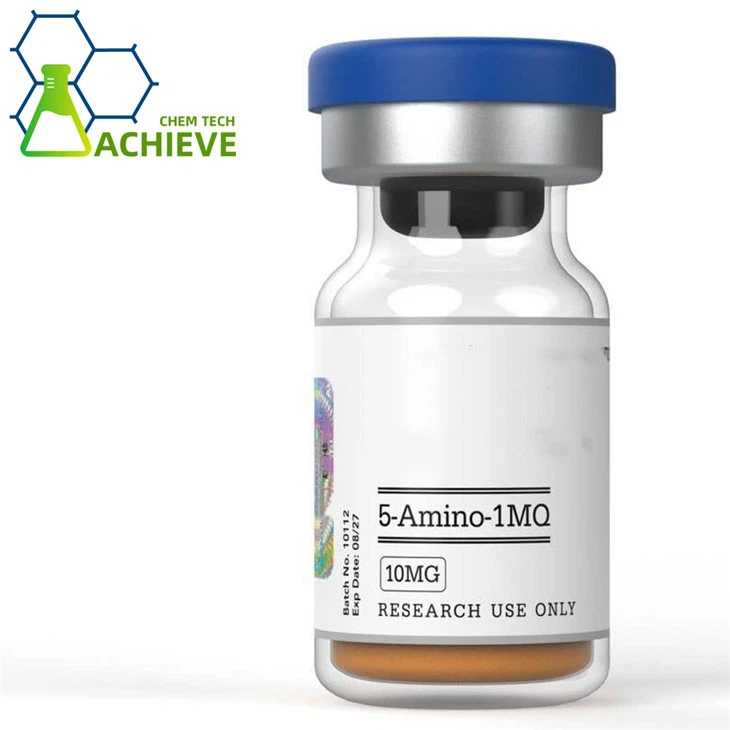
5-amino-1mq Injection
1.General Specification(in stock)
(1)API(Pure powder)
(2)Tablets
(3)Injection
(4)Capsules
(5)Oral Drops
2.Customization:
We will negotiate individually, OEM/ODM, No brand, for secience researching only.
Internal Code: BM-3-113
5-amino-1MQ\NNMTi\5-amino-1-methylquinolinium\5-Amino-1-methylquinolinium chloride CAS 42464-96-0
Manufacturer: BLOOM TECH Xi'an Factory
Main market: USA, Australia, Brazil, Japan, Germany, Indonesia, UK, New Zealand , Canada etc.
We provide 5 amino 1mq peptide injection, please refer to the following website for detailed specifications and product information.
Product:https://www.bloomtechz.com/oem-odm/injection/5-amino-1mq-injection.html

How Does 5 Amino 1MQ Injection Interact with Cellular Metabolism?
Nicotinamide N-methyltransferase is particularly inhibited by 5 amino 1mq peptide injection. NAD+ intermediates are harder to find in cells owing to this enzyme mechanism. The drug inhibits NNMT, which may increase NAD+ substrates and keep nicotinamide in cells.
Enzymatic Inhibition Pathways
S-adenosylmethionine is methylated by NNM to form 1-methylnicotinamide. This process breaks down nicotinamide primarily in liver and fat cells. NNMT active sites are competed with by 5 amino 1mq peptide injection, decreasing enzyme activity.
Studies of NNMT expression in different tissues show that cell types have different enzyme levels. It seems that tissue-specific metabolic responses to inhibition differ. The molecular structure of 5 amino 1mq peptide injection matches the NNMT binding pocket. Steric barrier blocks substrate. Kinetic studies show that competitive dynamics break the barrier by raising nicotinamide levels. A dose-dependent metabolic regulation strength may be adjusted by researchers.

Cellular Energy Balance Modifications
When NNMT is terminated, cells have more nicotinamide, which has biological effects. Nicotinamide salvages NAD+. Nicotinamide mononucleotide is made via phosphoribosyltransferase. High NAD+ levels affect mitochondrial, sirtuin, and poly(ADP-ribose) polymerase activity. Since NAD+ is engaged in electron transport chain functions, mitochondrial respiration is often connected to cell NAD+. Researchers showed that 5 amino 1mq peptide injection boosts cell oxidative phosphorylation indicators. These findings imply that blocking NNMT may increase mitochondrial energy in certain tests.
Tissue-Specific Metabolic Responses
NNMT expression patterns vary, hence tissues react differently to 5 amino 1mq peptide injection. High-activity adipose tissue is susceptible to NNMT inhibition. NNMT is abundant in hepatocytes, making liver tissue another metabolic study topic. Scientists explore metabolic flexibility by researching how cells use fuel based on food or energy needs. Because 5 amino 1mq peptide injection solely affects NNMT-producing cells, metabolism may be investigated in several organs. Different tissues in an experiment may show different reactions, helping us understand energy control.

Mechanistic Insights into NAD+ Modulation and Energy Regulation
Signaling enzymes and oxidation-reduction processes need NAD+ for cell metabolism. This dinucleotide is affected by metabolism, nutrition, and circadian rhythms. Metabolic insights come from 5 amino 1mq peptide injection effects on NAD+.

NAD+ Biosynthesis Enhancement
De novo from tryptophan, Preiss-Handler from nicotinic acid, and rescue from nicotinamide are the main NAD+ entry mechanisms. The majority of mammalian tissues recover nicotinamide after NAD+ depletion. Prevention of nicotinamide methylation by 5 amino 1mq peptide injection enhances salvage substrates. Nicotinamide phosphoribosyltransferase reduces salvage pathway flow most. Nicotinamide increases after NNMT blocking, saturating substrates and expediting NAD+ recovery. NAD+/NADH levels in treated cells are frequently higher. Supporting the mechanistic model.The period of NAD+ rise after 5 amino 1mq peptide injection varies on amount, tissue type, and metabolism.
To examine short- and long-term impacts, research monitors NAD+ levels periodically. These measurements determine testing doses.
Sirtuin Activation Consequences
NAD+-dependent deacetylases sirtuins control gene expression, protein function, and metabolism. Seven mammalian sirtuins (SIRT1–7) bind substrate proteins in different cell areas. Blocked NNMT raises NAD+, which enhances sirtuin activity and metabolism. One of the family's most investigated members is SIRT1. Deacetylates metabolism-regulating transcription factors. One is PGC-1α, a coactivator of the peroxisome proliferator-activated receptor gamma.

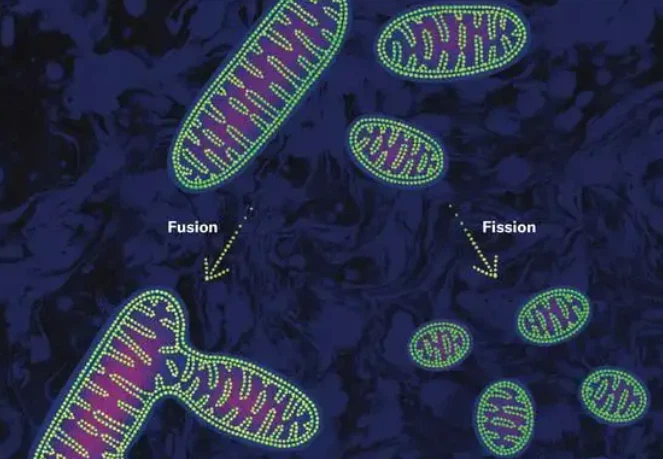
This coactivator facilitates mitochondrial oxidation and synthesis. Researchers study the effects of a 5 amino 1mq peptide injection on mitochondrial content by assessing PGC-1α activity and NAD+ levels for molecular links. SIRT3, a mitochondrial sirtuin, affects matrix enzyme acetylation. Metabolism enzyme deacetylation influences catalytic activity and substrate oxidation. Researchers examining mitochondrial function in NNMT suppression utilize SIRT3 activity markers to assess metabolic changes.
Redox State Implications
The NAD+/NADH ratio shows a cell's redox state since it influences metabolic pathways and communication cascades.
NAD+ oxidation during catabolism produces NADH. NADH feeds electron transport.This cycle maintains cell redox equilibrium and energy production. NAD+/NADH ratio may change metabolic pathways after 5 amino 1mq peptide injection. Glyceraldehyde-3-phosphate dehydrogenase intermediate kinetic pressures depend on NAD+. Many beta-oxidation cycle dehydrogenases need NAD+ for fatty acid oxidation. Enzymatic cycling and mass spectrometry help metabolism researchers assess redox components. These methods enable scientists to accurately define biochemical states in varied experimental scenarios by providing nucleotide amounts and ratios.


5 Amino 1MQ Peptide Injection in Metabolic Pathway Research Applications
Chemical step change tools aid metabolic pathway research. Since 5 amino 1mq peptide injection only affects NNMT, researchers may modify nicotinamide without harming other biological processes. Hypothesis testing and experiment interpretation are easier with this option.

Energy Expenditure Studies
Scientists examine mitochondria, thermogenic processes, and fuel use to assess human energy use. 5 amino 1mq peptide injection may boost NAD+, useful for metabolic rate study. By measuring oxygen, carbon dioxide, and heat production, we can identify whether blocking NNMT affects the whole organism or just certain tissues. Metabolic chambers continually measure respiratory exchange rates to indicate substrate preferences. Monitoring respiratory quotient changes after 5 amino 1mq peptide injections may indicate carbohydrate vs. fat oxidation. Phenotypic assessments complement genetic studies of metabolic enzyme expression and function.
Heat generation requires UCP1 formation and activity. Especially with brown fat. UCP1 and mitochondrial biogenesis indicators are examined to evaluate whether NNMT inhibition affects thermogenic programming. Heat increase may result with 5 amino 1mq peptide injection, since NAD+ levels correlate with PGC-1α activity.
Metabolic Flexibility Investigations
Metabolically flexible persons switch fuels based on availability. Insulin resistance reduces metabolic flexibility, making fat-to-carb conversion difficult. In metabolic flexibility research models, substances that impact route activity reveal limiting phases. Substrate switching studies test metabolic flexibility by changing diets.


A 5 amino 1mq peptide injection before or after these alterations may show NNMT activity influences response speed or efficiency. By measuring substrate oxidation, metabolite accumulation, and signaling pathway activity, we may assess flexibility characteristics. Skeletal muscle impacts energy usage, making metabolic flexibility studies important. It may be possible to prevent NNMT by targeting muscle cells. Our in vitro studies on grown myotubes show how suppressing NNMT influences substrate choice.
Circadian Metabolism Research
NAD+ levels change with eating and not eating due to circadian cycles.
Feedback loops between circadian clocks, metabolic enzymes, and genetic factors sync energy metabolism with light-dark cycles.Numerous organs express NNMT diurnally, indicating rhythms affect nicotinamide metabolism. Scientists study how the circadian clock and metabolism alter metabolic markers and the cycle. A 5 amino 1mq peptide injection into circadian study mice may show nicotinamide metabolism's role in clock-metabolic interaction. NAD+ levels, clock gene expression, and metabolic activity across 24 hours may show how time influences things. SIRT1, CLOCK, and BMAL1 regulate circadian rhythms via NAD+ and sirtuin activity. Experiments reveal NAD+ governs diurnal transcription. Blocking NNMT may change the circadian rhythm's amplitude or phase, showing how nicotinamide metabolism organizes time.


Comparing Research Models Using 5 Amino 1MQ vs Other Metabolic Modulators
In metabolic research, chemicals affect cell energy use. Each works differently and may be used in different investigations. Compared to other modulators, 5 amino 1mq peptide injection lets researchers choose the right tools and analyze their pros and cons.

NNMT Inhibition vs Direct NAD+ Precursor Supplementation
Nicotinamide riboside and mononucleotide directly raise cell NAD+ levels without biosynthesis. These chemicals provide substrates for the salvage pathway, enhancing flow without stopping enzymes. They increase NAD+ differently than NNMT inhibitors. Precursor supplementation and NNMT inhibition affect substrate availability and breakdown in experiments.
Increasing antecedents may enable concerted action to bypass regulations. However, blocking enzymes retains body regulation. The second approach may be better for studying physical control. Combinations that inhibit NNMT and add precursors enable interaction study. Test if 5 amino 1mq peptide injection increases responses to nicotinamide riboside or mononucleotide to see whether NNMT activity is a key NAD+ rise problem.

Selective vs Broad-Spectrum Metabolic Modulators
Metabolic regulator AMPK is activated by AICAR and metformin during energy stress. These modulators affect many metabolic pathways. The large activity range induces substantial phenotypic changes but makes mechanistic studies challenging since several changes occur concurrently. Researchers may use 5 amino 1mq peptide injection to preferentially bind to NNMT to find characteristic pathways. Studying a single enzyme with clear biochemical activity is easier. Precision aids hypothesis-driven biological process research. Comparative studies using selective and broad-spectrum modulators on different experimental groups can identify whether NNMT inhibition affects certain behavioral traits identified with less selective medicines. These patterns simplify metabolic processes.

Considerations for Experimental Model Selection
The optimal metabolic modulators depend on study goals, model system features, and predicted outcomes. Controlled molecular study in in vitro cell culture may not replicate biological complexity. Animal models show how a system works but differ according to tissue and organ interactions. Various modulators' metabolic features affect experiment planning.
Chemicals that distribute well in tissues may be readily supplied, whereas poorly absorbed or quickly eliminated substances need additional delivery methods. Use a trustworthy 5 amino 1mq peptide injection source for consistent material quality and reproducible experiments. Metabolic regulation research requires dose-response identification. Systematic testing is needed to find concentrations that benefit biology without harm. Before performing entire tests, researchers often undertake dose-finding studies to discover optimum treatment settings.


Structured Approaches for Applying 5 Amino 1MQ in Experimental Design
Science benefits most from well-prepared experiments with reliable results. To achieve study goals using 5 amino 1mq peptide injection, metabolic researchers must carefully examine methodology, control, and measurement.
Dose Selection and Treatment Protocols
Before deciding doses, evaluate studies and use basic range-finding methods. A 5 amino 1mq peptide injection that inhibits NNMT may help identify starting dose, with model system changes. Cell culture uses micromolar dosages, while absorption and distribution must be addressed in vivo. Another factor determining experiment results is treatment time.
Acute administration examines rapid metabolic reactions, whereas continuous therapy examines body adaptability and long-term effects. Studies of metabolic markers throughout time indicate how responses change. Chemical distribution vehicles alter experiment validity and interpretation. Correct solvents shouldn't change metabolic factors and transport drugs gradually. Chemical and vehicle impacts are distinguished in only-vehicle control groups.

Control Group Design and Validation
Robust study designs accommodate for confounding factors with numerous control conditions. Untreated controls generate biochemical states, whereas vehicle-treated controls study fluid effects. Positive controls using well-known metabolic modulators are used to compare 5 amino 1mq peptide injection responses. The experiment must verify NNMT suppression to confirm the enzymes targeted produced outcomes. Directly measuring NNMT activity and 1-methylnicotinamide levels in treated samples shows enzyme inhibition. The molecular findings support the metabolic effects of suppressing NNMT. Negative controls such inactive structural analogs or unrelated medicines may separate specific from non-specific NNMT inhibitory effects. If comparable substances that don't block NNMT don't change metabolism like 5 amino 1mq peptide injection, the process may be specific.

Strategies for measuring and combining data
Metabolic understanding requires many molecular, cellular, and physiological data. When NNMT is blocked, transcriptome analysis shows gene expression alterations, whereas proteome and metabolomic studies reveal protein quantities. Functional metabolic capacity evaluations benefit from these molecular datasets.
Metabolic flux studies using isotope tracers may show route activity fluctuations, but static concentration measures cannot. You can measure metabolic pathway flow after NNMT stops using tagged substrates and 5 amino 1mq peptide injection. These methods reveal how enzyme inhibition impacts cell metabolism. Sample size, replications, and analysis are affected by statistics. Power estimates from projected effect sizes and measurement variability determine group size. Technical replicates measure measurement precision, whereas biological replicates assess experiment variation.


Conclusion
The rising interest in 5 amino 1mq peptide injection in metabolic studies shows that nicotinamide metabolism affects cellular energy. By inhibiting NNMT, this drug allows accurate investigations of NAD+ dynamics, metabolic flexibility, and energy use. Knowing how NNMT suppression works helps scientists plan experiments for maximum data. Analyzing focused enzymatic blockade against other metabolic modulators indicates its benefits for hypothesis-driven research. 5 amino 1mq peptide injection is easier to understand than broad-spectrum treatments. Structured experiments with controls, dose adjustment, and thorough measurement provide reliable, reproducible results. Reliable suppliers know what scientists need and provide high-quality metabolic pathway research chemicals. Pure, analytically documented materials are needed for metabolic investigations, which are difficult.
FAQ
1. What purity levels should researchers expect for metabolic studies using 5 Amino 1MQ?
+
-
To prevent skewing metabolic study, chemicals must be 98% pure. High-purity material assures NNMT blockage produces metabolic reactions, not contaminants. Reliable providers give HPLC and mass spectrometry findings demonstrating product purity. Researchers should get batch-specific purity data before experimenting. Because material quality affects repeatability and scientific correctness.
2. What's the difference between blocking NNMT with 5 Amino 1MQ and adding NAD+ directly?
+
-
Nicotinamide breakdown is prevented by NNMT inhibition, which sustains NAD+ production via rescue pathways. This boosts precursors while regulating metabolism. NAD+ precursors like nicotinamide riboside skip metabolic steps by giving several substrates. Blocking strategies emphasize regulatory pathways, whereas supplementing methods decide utilization. Supplementation may be better for NAD+ research than enzyme blocking for biological process studies.
3. What kinds of experimental controls are needed when studying metabolic pathways with 5 Amino 1MQ?
+
-
Comprehensive control techniques include baseline groups that haven't been treated, controls that have been treated with a vehicle to reduce the liquid's effects, and positive controls that compare well-known metabolic modulators. Chemical confirmation of NNMT inhibition by enzyme activity and 1-methylnicotinamide measurement shows effectiveness. NNMT suppression is distinguished from non-specific effects by negative controls with inactive structural analogs. Time-course studies with measurement gaps show temporal responses. The best treatment parameters are found via dose-response analysis. Many control techniques confirm the causal links between NNMT inhibition and metabolic changes.rial composition. 316 stainless steel is not similar to mineral materials,after use can release some substances to promote human absorption.
Partner with BLOOM TECH for Your 5 Amino 1MQ Peptide Injection Research Needs
Chemical innovation and supplier alliances that comprehend scientific rigor and regulatory limits are essential to further metabolic research. BLOOM TECH is your 5 amino 1mq peptide injection supplier with 12 years of organic synthesis expertise and GMP-certified manufacturing facilities recognized by US-FDA, EU, JP, and CFDA. Quality devotion is shown by factory quality control, specialist QA/QC department assessment, and independent authority agency certification. We recognize metabolic research needs chemicals of ≥98% purity and complete analytical documentation, including HPLC and MS data. Clear pricing, one-stop service, and realistic lead time projections eliminate supply chain risks that hinder research. We understand your experimental protocol documentation demands as certified suppliers to 24 international pharmaceutical and research institutes. BLOOM TECH provides high-quality materials and technical support for NAD+ regulatory mechanisms, metabolic flexibility, and unique research models. Research application expertise helps our personnel meet your requirements. Ready to advance your metabolic research with reliable compound supply? Contact our team today at Sales@bloomtechz.com to discuss your project requirements, request certificates of analysis, or inquire about custom synthesis capabilities. Experience the BLOOM TECH difference-where scientific excellence meets supply chain reliability.
References
1. Kraus D, Yang Q, Kong D, et al. Nicotinamide N-methyltransferase knockdown protects against diet-induced obesity. Nature. 2014;508(7495):258-262.
2. Komatsu M, Kanda T, Urai H, et al. NNMT activation can contribute to the development of fatty liver disease by modulating the NAD+ metabolism. Scientific Reports. 2018;8(1):8637.
3. Ullrich S, Münch C, Neumann S, et al. Validation of nicotinamide N-methyltransferase as a drug target in Parkinson's disease. Neurobiology of Disease. 2019;125:63-72.
4. Campagna R, Mateuszuk Ł, Wojnar-Lason K, et al. Nicotinamide N-methyltransferase in endothelium protects against oxidant stress-induced endothelial injury. Biochimica et Biophysica Acta - Molecular Cell Research. 2021;1868(1):118875.
5. Neelakantan H, Vance V, Wetzel MD, et al. Selective and membrane-permeable small molecule inhibitors of nicotinamide N-methyltransferase reverse high fat diet-induced obesity in mice. Biochemical Pharmacology. 2018;147:141-152.
6. Hong S, Moreno-Navarrete JM, Wei X, et al. Nicotinamide N-methyltransferase regulates hepatic nutrient metabolism through Sirt1 protein stabilization. Nature Medicine. 2015;21(8):887-894.