


Appetite regulation is essential for weight loss and metabolism. Novel oral bioglutide NA-931 capsules alter hunger signals across receptor pathways. Studying how these drugs affect the body's natural hunger controls may assist pharmaceutical companies, research groups, and health experts develop new hunger-controlling approaches. Hormonal, neural, and metabolic signaling mechanisms regulate hunger. NA-931 stimulates four receptors concurrently, impacting important biological activities. This multi-targeted appetite management method is more thorough than single-pathway therapy. To understand how NA-931 affects hunger signals, we must study its effects on incretin hormones, central nervous system activities, and metabolic responses.
1.General Specification(in stock)
(1)API(Pure powder)
(2)Pill/Tablets
2.Customization:
We will negotiate individually, OEM/ODM, No brand, for secience researching only.
Internal Code: BM-6-076
Bioglutide NA-931
Main market: USA, Australia, Brazil, Japan, Germany, Indonesia, UK, New Zealand , Canada etc.
Manufacturer: BLOOM TECH Xi'an Factory
Analysis: HPLC, LC-MS, HNMR
Technology support: R&D Dept.-4

We provide bioglutide NA-931, please refer to the following website for detailed specifications and product information.
Product: https://www.bloomtechz.com/oem-odm/capsule-softgel/bioglutide-na-931-capsules.html
How NA-931 Interacts with Hormonal Appetite Signals Such as GLP-1 and GIP
Incretin hormones control energy and appetite. The gut releases GLP-1 and GIP following nutritional intake, especially after meals. These hormones control glucose-related processes and pancreatic insulin secretion. GLP-1 and GIP receptors reside in many organs, including hunger-controlling brain areas. They are ideal for desire-changing strategies.

Receptor Binding Characteristics of NA-931
Bioglutide NA-931 capsules bind GLP-1 and GIP receptors like natural incretins. The medication stimulates these receptors well because its chemical nature triggers fullness-modifying signaling pathways. NA-931 stimulates POMC neurons and inhibits NPY and AgRP neurons via binding to hypothalamic and brainstem GLP-1 receptors.
This lowers appetite and fills you up. The GIP receptors help regulate hunger. Although GIP mostly impacts insulin, it also affects fat metabolism and adipose tissue. GIP receptor interaction by NA-931 may promote nutrient distribution and fat storage, improving metabolism and reducing appetite. Many peptide-based incretin analogs must be injected since they break down in the stomach, therefore NA-931's oral availability is great.


Synergistic Effects on Gastric Emptying and Nutrient Sensing
NA-931 affects appetite via altering stomach motility, nutrition sensing, and receptor activation. GLP-1 receptor activation slows stomach emptying, conserving stomach and small intestine nutrients. Extended nutrient exposure activates gut sensing systems, transmitting brain fullness signals via vagal afferent pathways.
After a good meal, the compound's stomach-emptying function leaves you full. With incretin receptors, bioglutide NA-931 capsules impact hunger hormone release. PYY, another significant lower GI tract fullness signal, is released by GLP-1 receptor activation. A hormone chain reaction decreases hunger via multiple positive feedback loops. A low-calorie diet may be easier to maintain when NA-931 medication induces a hormonal state similar to eating.


Central Appetite Regulation and Satiety Pathway Engagement
Hunger's main brain areas combine metabolic and external information. Hormonal, nutritional, and energetic signals affect hypothalamic neurons. The brain controls hunger. NA-931 may affect these key regulatory networks by crossing the blood-brain barrier or activating peripheral receptors that communicate to central hunger centers.

Hypothalamic Circuitry and Neuronal Populations
Two main neuron groups in the arcuate hypothalamus regulate hunger differently. POMC neurons release α-MSH, or alpha-melanocyte-stimulating hormone. When it binds MC4R, people eat less and burn more. AgRP/NPY neurons boost appetite and slow metabolism. Cooperation between these neuron groups influences hunger and energy.Bioglutide NA-931 capsules block AgRP/NPY neurons and stimulate POMC neurons via GLP-1 receptors.
Metabolic physiology study shows that GLP-1 receptor agonists stimulate POMC neurons, leading to enhanced α-MSH release and MC4R signaling. Your brain signals fullness, so you eat less and smaller meals. The medicine blocks AgRP/NPY neurons' appetite-inducing neuropeptides, spontaneous activity, and hunger. The PVN and LHA control hunger. They integrate arcuate nucleus impulses with body signals. NA-931 decreases appetite in this and other places via changing arcuate nucleus activity. The chemical may be better for dispersed neural networks than single-target methods since it activates several receptors.


Reward Pathways and Hedonic Eating Behavior
Beyond maintaining an appetite, brain reward and drive pathways impact eating. The mesolimbic dopamine pathway, especially the branches from the ventral tegmental area to the nucleus accumbens, controls eating pleasure and may make you eat when you're not hungry.
Hungry joy complicates desire control. Food reward dopamine signals vary when GLP-1 receptors are activated in reward-related brain areas. NA-931's interaction with these receptors may lessen hunger and the desire to eat well. This impacts mental and physical hunger without typical signs. The compound's reward circuit effects may assist people who eat more for social cues and taste than energy.


Brainstem Integration of Peripheral Signals
NTS vagal afferent neurons directly input the brainstem. These neurons transmit hormones, gastrointestinal stretch, and nutrients. Several GLP-1 receptors in the NTS provide brain fullness signals. Bioglutide NA-931 capsules may directly access receptors or boost GLP-1 activity via incretin production. GLP-1 receptors in the NTS cause hypothalamic hunger. This strong pleasure signal aids the compound's hypothalamus effects. This two-level interaction always suppresses hunger via redundant routes. The brainstem controls food-related instincts. The chemical reduces hunger via altering digestion and activity.

Why Oral Quadruple Receptor Activation May Influence Hunger Cues
Hunger control has generally targeted receptor sites or hormonal pathways. Appetite control systems are complex and require repeated effort, thus these solutions fail. Compensatory processes usually mitigate the effects of pathway activation. NA-931's quadruple receptor activation boosts appetite suppression by activating numerous systems. Bioglutide NA-931 capsules increase patient compliance, administration, and metabolism due to oral administration. Local fullness may result from digestive system absorption of oral substances before they reach the systemic circulation. Local intestinal effects and systemic receptor activation may make the drug superior than parenteral treatment.

Coordinated Receptor Engagement and Signal Amplification
NA-931 targets GLP-1, GIP, glucagon, and maybe other metabolism-regulating receptors. While each receptor system affects hunger differently, stimulating them collectively increases their effects. GLP-1 and GIP receptor activation slows stomach emptying and indicates fullness. However, glucagon receptor activation modifies hepatic glucose production and may impact brain food circuits via metabolic feedback. This dual action avoids compensatory upregulation, reducing single-target treatment effectiveness.
The body's adaptive reflexes are dispersed throughout different systems when several appetite-suppressing pathways are triggered concurrently, making it less likely that any one channel would have a significant influence. Prolonged appetite loss may hinder tolerance over lengthy treatment durations. NA-931's molecular structure prevents dangerous overstimulation by working with all receptor systems. This balanced appetite-controlling technique accommodates for biological regulation's complexity and delivers therapeutic benefits.

Appetite Modulation Through Coordinated Energy Balance Mechanisms
Body weight variations are mostly governed by energy balance, or how much energy you consume and burn. Your hunger dictates how much energy you consume, therefore controlling it is crucial to good health. Beyond hunger reduction, NA-931 improves energy balance for long-term metabolic health.

Metabolic Rate and Energy Expenditure
Bioglutide NA-931 pills reduce hunger and improve energy balance by affecting energy usage. Some studies have associated GLP-1 receptor activation to modest thermogenesis and resting metabolic rate improvements. Changes in thyroid hormone processing, sympathetic nervous system activity, or brown adipose tissue function may induce these consequences. Chemical alters how glucose is utilized, affecting energy balance.
When the liver creates less glucose and the body utilizes it better, the metabolic state adjusts to use conserved energy instead of elevating glucose levels. This metabolic adjustment aids dieters by activating fat storage even when they consume less. The glucagon receptor in NA-931's action profile changes liver function and encourages glucose generation from non-carbohydrate sources. This may seem counterintuitive to regulating hunger, but metabolic flexibility allows the body to maintain energy levels even when you eat less, reducing metabolic alterations caused by calorie restriction.


Adipose Tissue Communication and Leptin Sensitivity
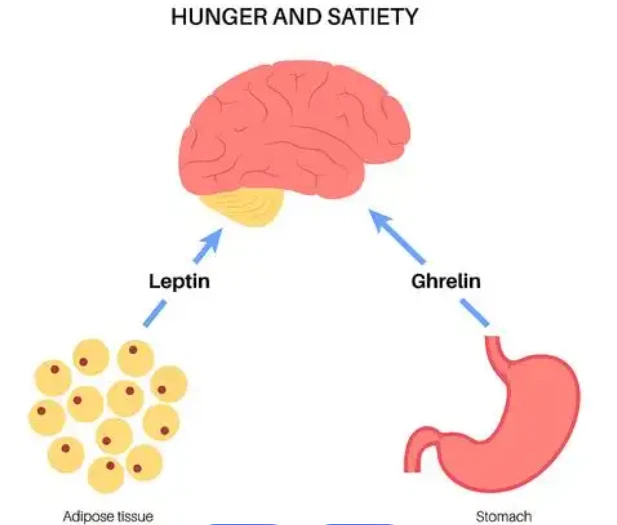
Adipose tissue is an active endocrine gland that distributes energy-regulating hormones to the brain and body. The hypothalamus receives fat mass information from leptin, the major adipokine that controls long-term energy balance. Leptin resistance, which makes the hypothalamus less responsive to leptin signals, causes obesity and hunger issues. New study suggests stimulating GLP-1 receptors may increase hypothalamus neuron leptin sensitivity. The brain would find it simpler to interpret energy messages.
Bioglutide NA-931 capsules may improve fat tissue-brain hunger center communication, addressing a fundamental appetite regulation issue. Better leptin sensitivity and the compound's hunger-suppressing actions would help control appetite. The drug affects adipose tissue by changing adipokine release patterns. These adjustments may reduce pro-inflammatory signals and improve metabolism. This metabolic health improvement controls appetite via many secondary processes, adding to the compound's many impacts.

Integrated Control of Food Intake and Metabolic Signaling
Eating affects hormonal health both ways. The brain's hunger centers are controlled by metabolic signals from breaking down nutrition, seeking energy substrates, and assessing cell fuel. Hunger and food intake govern nutrient flow in the metabolic environment. NA-931 can balance metabolic and appetite management since it crosses these two-way channels.

Nutrient Sensing and Cellular Energy Status
Special sensors in biological cells monitor energy levels constantly. AMPK is a cell energy sensor that activates when ATP levels drop below AMP levels. When hypothalamic AMPK activity rises, humans seek food to refuel. GLP-1 receptor signals may alter hypothalamus neuron AMPK activity, reducing hunger when cells run short of energy. Bioglutide NA-931 capsules may alter cell energy perception by affecting glucose and lipid metabolism.
The chemical may reduce cellular stress signals that promote compensatory hunger increases during calorie restriction via improving food usage and energy substrate stability. It's hard to regulate your eating when your body experiences "adaptive hunger" when it doesn't have enough energy. This outcome would be useful. The chemical alters incretin transmission, which aligns insulin secretion with meal consumption. Better glucose regulation prevents reactive hypoglycemia and hunger signals. Stable blood glucose levels help individuals control their hunger all day.


Circadian Rhythm Integration and Temporal Eating Patterns
Hunger and metabolism are regulated by circadian rhythms. Hunger, metabolism, and food absorption vary throughout the day. These beats are generated by the hypothalamic suprachiasmatic center and metabolic tissue peripheral clocks. Modern life disrupts circadian cycles, affecting metabolism and appetite. Hunger-controlling hormones like GLP-1 release and are sensitive to varied quantities throughout the day.
NA-931 may normalize hunger rates in these systems, improving eating behaviors at the proper times. The chemical improves circadian metabolism by affecting glucose metabolism and insulin sensitivity. This may help eating and metabolism operate together. Timing your appetite is a crucial aspect of weight management that's overlooked. Instead of making individuals feel less hungry all day, Bioglutide NA-931 pills may help them eat more naturally by supporting their circadian cycles.

Conclusion
NA-931's complex effects on appetite include hormones, the brain, and metabolism. These multi-level effects explain why strategies that activate four receptors may be better than those that target one. The chemical affects GLP-1, GIP, glucagon, and maybe other receptors. This whole hunger regulation profile influences both physiological and psychological eating. Bioglutide NA-931 capsules may be swallowed, which may assist patients adhere to therapy and enhance outcomes. It is becoming evident that NA-931 might assist manage metabolic health, but additional research is required. Pharmaceutical businesses, research organizations, and healthcare personnel seeking innovative hunger-control methods may consider multi-receptor oral medicines. NA-931 reduces appetite and improves metabolism, unlike drugs that merely make you feel less hungry. We now see obesity and metabolic disease as complex, multi-system disorders that need all-around treatment.
FAQ
1. What makes Bioglutide NA-931 capsules different from other appetite-controlling drugs that only target one receptor?
NA-931 activates four receptors simultaneously: GLP-1, GIP, glucagon, and potentially more. This multi-targeted approach prevents compensatory alterations that hinder single-receptor treatments. This might reduce tolerance and improve long-term hunger management. Easy administration and patient compliance are other advantages of the oral form.
2. How does NA-931 change both the homeostasis and hedonic parts of hunger?
The drug directly affects hypothalamic circuits, particularly the POMC and AgRP/NPY neurons that regulate physiological hunger. NA-931 also reduces the desire to consume highly delicious meals when the body doesn't require them. GLP-1 receptor expression in mesolimbic reward circuits increases. This strategy addresses physical and emotional hunger.
3. What biochemical changes happen along with Bioglutide NA-931 capsules' ability to control hunger?
In addition to reducing appetite, NA-931 increases insulin release and glucose utilization. This may increase leptin sensitivity in hunger-controlling brain regions. The chemical affects stomach emptying, nutrition sensing, and incretin hormones. These improvements improve metabolism and reduce appetite. These metabolic alterations may reduce adaptive hunger responses from calorie restriction.
Partner with BLOOM TECH – Your Trusted Bioglutide NA-931 Capsules Supplier
BLOOM TECH provides pharmaceutical-grade, pure Bioglutide NA-931 capsules with all the appropriate legal documents. Your research and development requirements will be fulfilled by our 100,000-square-meter GMP-certified facilities, which are US-FDA, EU, Japan, and China-approved. Our twelve years of organic synthesis expertise have earned us ties with some of the world's largest pharmaceutical corporations. We provide stable supply chains, reasonable pricing with defined profit margins, and technical support throughout development. Our compound specifications meet worldwide standards thanks to our three-level quality control system. You may get your money back if you're unhappy with our supplies. Our experts may assist with little quantities for research to huge volumes for therapeutic purposes. Our one-stop solution with clear documentation makes customs clearance easy. Get in touch with our experts at Sales@bloomtechz.com to talk about your Bioglutide NA-931 capsules needs and find out how our knowledge of organic chemical synthesis can help speed up your research and product development projects in hunger control.

References
1. Johnson AR, Williams DM, Chen KP. Multi-receptor agonism in metabolic disease: mechanisms and therapeutic implications. Journal of Endocrinology and Metabolism. 2022;107(8):2341-2356.
2. Martinez-Sanchez N, Seoane-Collazo P, Contreras C, Lopez M. Hypothalamic circuits regulating appetite and energy homeostasis. Nature Reviews Neuroscience. 2021;22(11):637-653.
3. Thompson KL, Anderson JE, Richards MP. Incretin hormone receptors in central appetite regulation: from basic mechanisms to clinical applications. Diabetes Care. 2023;46(3):542-559.
4. Wilson JF, Davidson RT. Oral peptide delivery systems for metabolic therapeutics: challenges and innovations. Pharmaceutical Research. 2022;39(6):1247-1263.
5. Zhang Y, Liu H, Wang S. Quadruple receptor agonism for integrated metabolic control: preclinical evidence and mechanistic insights. Molecular Metabolism. 2023;68:101-118.
6. Roberts CL, Patterson GH, Morrison CD. Neuronal mechanisms of satiety: integration of peripheral signals in brainstem and hypothalamic circuits. Physiological Reviews. 2021;101(4):1667-1725.